
Rustic Wood Kitchen Table
A rustic wood kitchen table brings utilitarian grit and heritage warmth to a room, holding the marks of daily domestic life across centuries.
Rustic Wood Kitchen Table
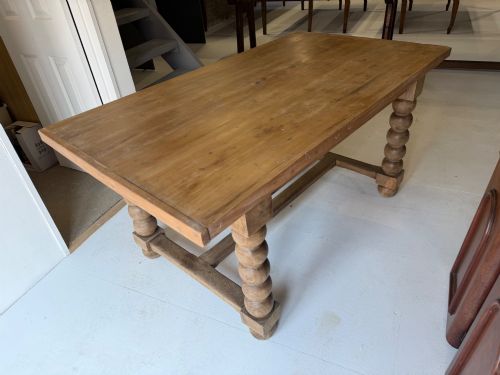
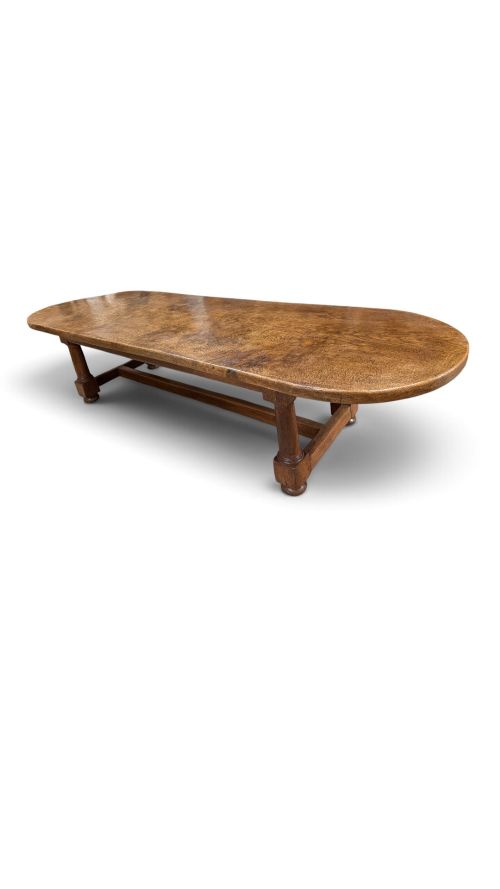
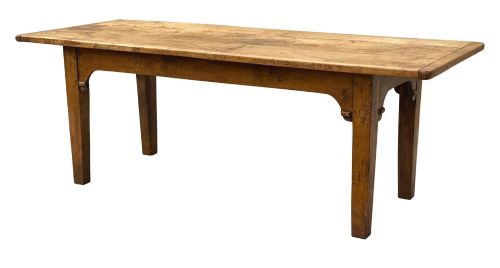
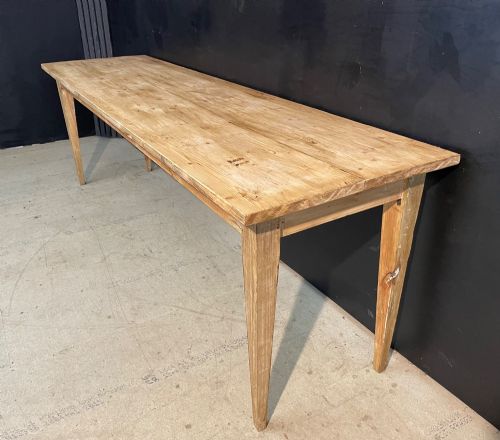
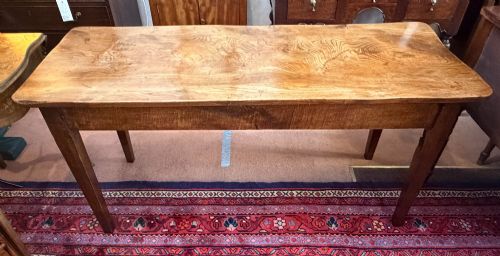
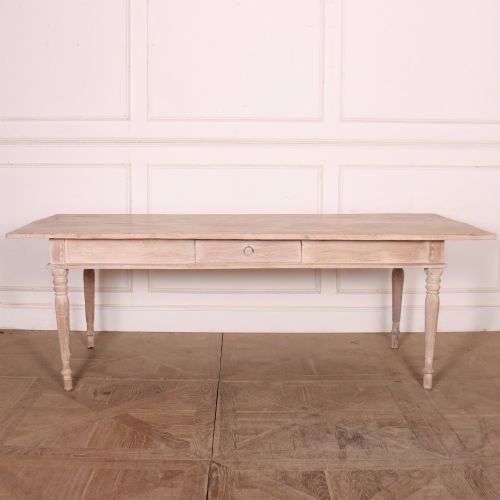
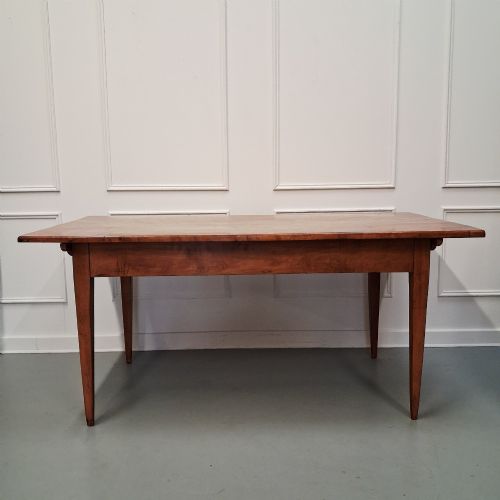
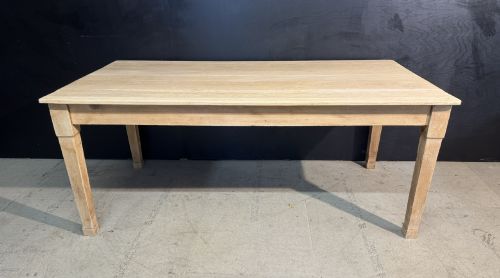
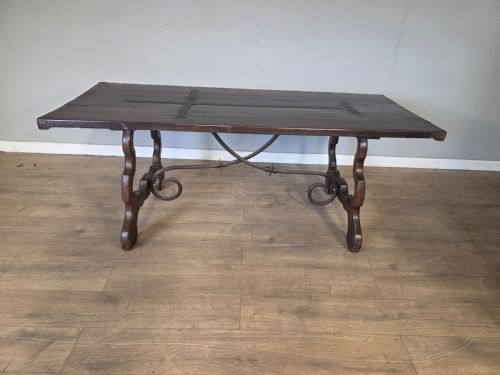
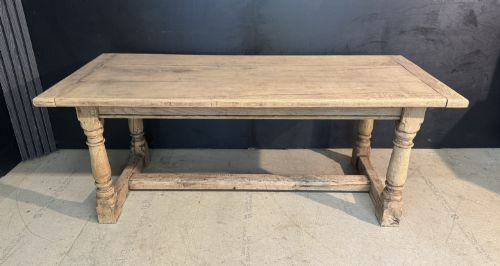
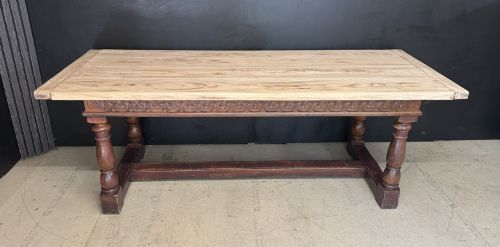
A rustic wood kitchen table is a utilitarian surface built for heavy domestic labour, long meals, and daily food preparation in farmhouses and provincial homes. When you search for this phrase, you encounter substantial dining tables, work tables, refectory pieces, and prep boards designed to withstand decades of hard use.
The pieces on this page span from the eighteenth century through the early twentieth century, originating from English, French, Welsh, and Scandinavian country traditions. Oak, pine, elm, and cherrywood dominate the selection, often shaped into farmhouse, provincial, or refectory formats with thick timber tops.
Most examples show the honest wear of past households, including scrubbed surfaces, pegged joints, and deep patination accumulated through generations of use. Buyers seek these tables for their unpretentious architecture and the tactile quality of aged wood that modern manufacturing cannot replicate.
How they were made
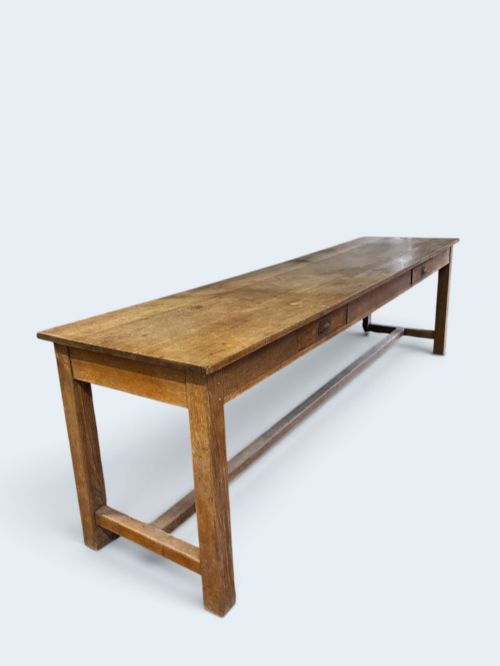
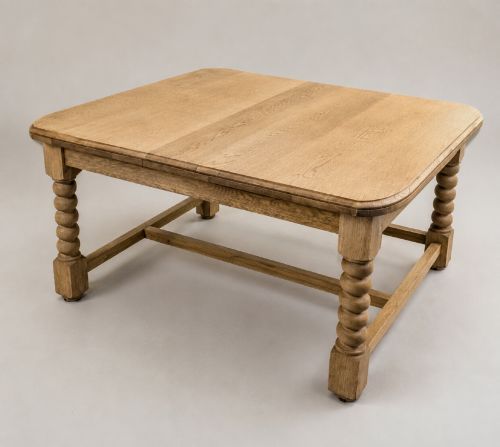
Carpenters constructed these tables using solid native hardwoods and softwoods such as oak, pine, elm, sycamore, and cherrywood, often selecting single or double plank boards for expansive tabletops. Construction relied on traditional joinery methods including mortise and tenon joints, wooden pegs, and sturdy stretcher bases designed to prevent lateral wobble during heavy tasks.
Surfaces were frequently left unpainted to allow for daily scrubbing with water and sand, resulting in pale, weathered grains. Where paint or surface treatments occur, they comprise historic layers of pigment or lime-washing applied to protect the timber or suit regional interior styles.
Rustic Wood Kitchen Table Retail Price Guide 2026
Typical asking prices for rustic wood kitchen table among the pieces listed under this phrase on Sellingantiques today, from the lower quarter to the upper quarter. They describe what is for sale here now, not the wider market.
Listings feature oak, pine, elm, cherrywood, and sycamore timbers shaped into farmhouse, refectory, and drapers forms across the eighteenth and nineteenth centuries.
What varies in quality
The integrity of the timber top and the preservation of original framing dictate the standing of each piece, with superior examples retaining their initial thickness and structural timber. Tables that maintain their unreduced height and authentic stretcher frames without extensive replacement wood command greater regard among collectors.
Proportion and regional character also set examples apart, as well-balanced proportions in refectory and farmhouse formats indicate deliberate workshop design rather than hasty utilitarian production. The depth of patination and the clarity of tool marks left by early carpenters distinguish a superior historic surface from a stripped or over-sanded substitute.
The Rustic Wood Kitchen Table Glossary
- Refectory table
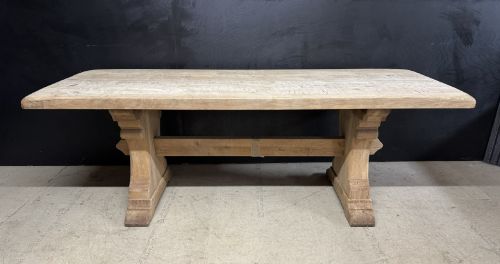
- A long, narrow dining table traditionally used in monastic dining halls and later adopted in country farmhouses. They feature sturdy legs connected by low stretcher rails for added stability.
- Stretcher
- A horizontal timber beam connecting the legs of a table to reinforce the structure. End stretchers run across the shorter width, while longitudinal stretchers span the full length.
- Plank top
- A tabletop constructed from two or more wide wooden boards joined edge to edge. Single plank versions utilise exceptionally wide timber cut from mature trees.
- Patina
- The deep sheen and surface alteration developed on wood through decades of handling, light, polishing, and cleaning. It serves as a visual indicator of age and continuous use.
- Butchers block
- A thick, heavy wooden block or table designed for meat preparation and chopping. They utilise end-grain or solid timber blocks built to absorb heavy impact.
Rustic Wood Kitchen Table: Frequently Asked Questions
How do I clean an antique wooden table?
Wipe surfaces regularly with a slightly damp cloth and dry them immediately to protect the historic grain. Avoid harsh modern chemical cleaners that strip the natural oils and accumulated patination.
Feed dry timber occasionally with traditional beeswax to maintain the moisture of the wood. Gentle buffing preserves the matte finish typical of working country tables.
Can I use a kitchen table for daily dining?
These tables were built specifically for heavy daily domestic labour and regular family meals. Their solid wood construction handles everyday use comfortably without fragile components.
Use coasters and placemats to protect historic surfaces from moisture rings and excessive heat. Embracing existing marks allows the table to continue accumulating its historic narrative.
What is the difference between a refectory and a farmhouse table?
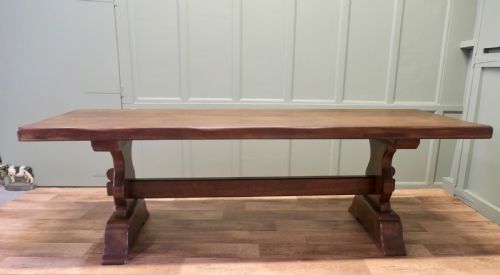
Refectory tables typically present a longer, narrower profile with pronounced stretcher rails running close to or along the floor. They originated in communal dining spaces before entering domestic country homes.
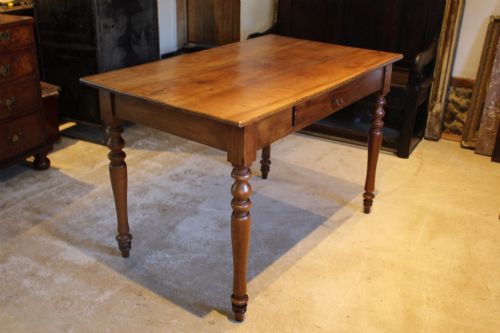
Farmhouse tables prioritize functional workspace and legroom, often featuring simpler four-leg configurations or drawer compartments. Both styles served as the central hub of domestic activity in rural kitchens.
How do I identify the wood type?
Examine the grain patterns, weight, and colour variations across the tabletop and legs. Oak displays prominent medullary rays and a dense, hardwearing structure, while pine offers a softer texture with knot clusters.
Fruitwoods like cherry and pear present tighter, smoother grain patterns with warm reddish or golden undertones. Elm exhibits a distinct interlocking grain that resists splitting under heavy impact.