




Rustic Wall Mirror
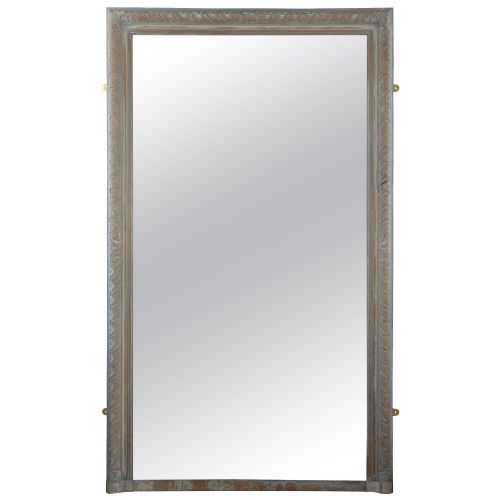
A rustic wall mirror brings warmth and texture to an interior through natural timber frames, forged metal work and patinated painted surfaces.
Rustic Wall Mirror
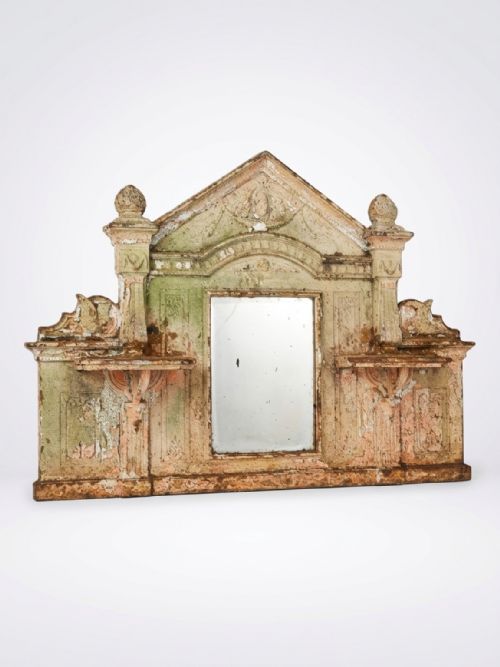
A rustic wall mirror provides a practical reflective surface while anchoring a room with tactile, organic materials. Pieces matching this description appear across nineteenth and early twentieth century periods, spanning English, French, and Black Forest origins.
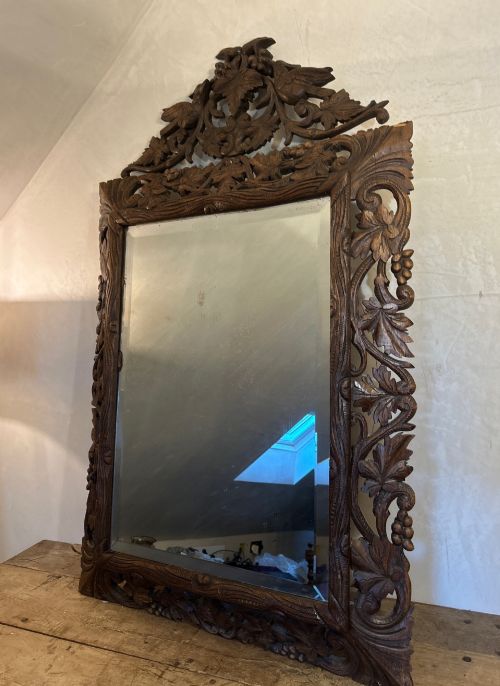
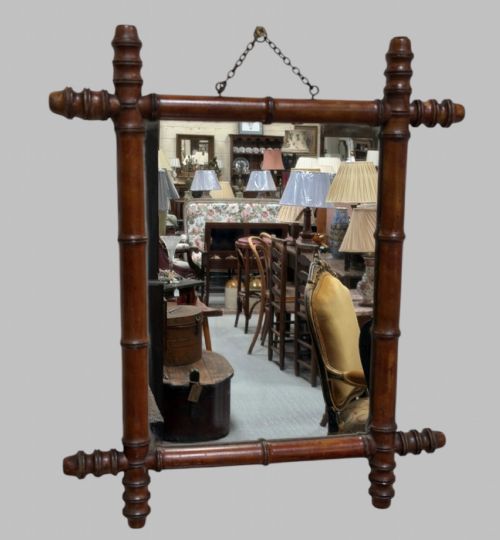
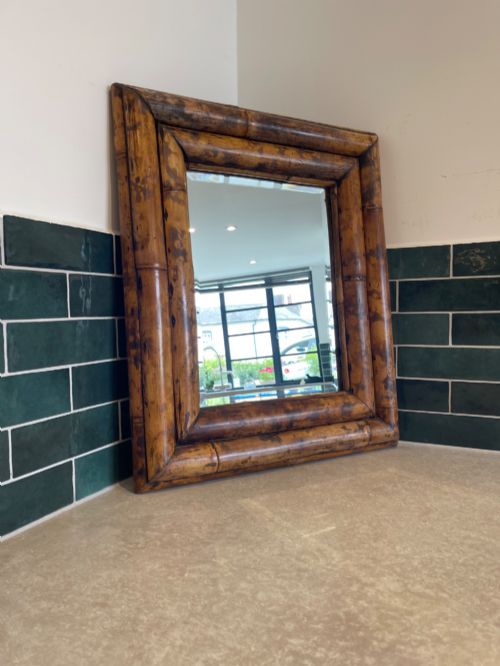
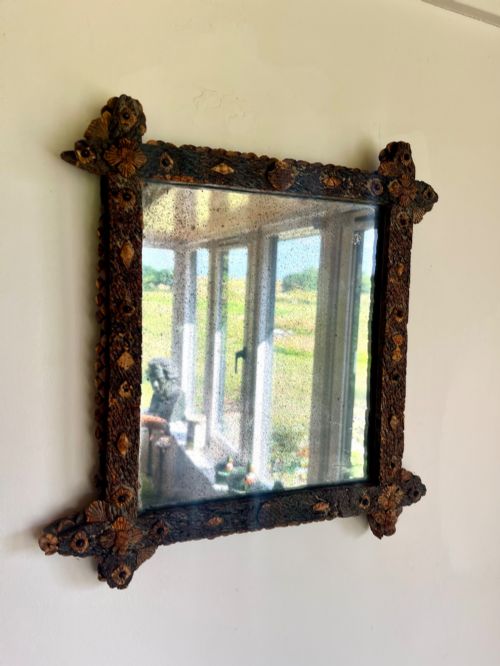
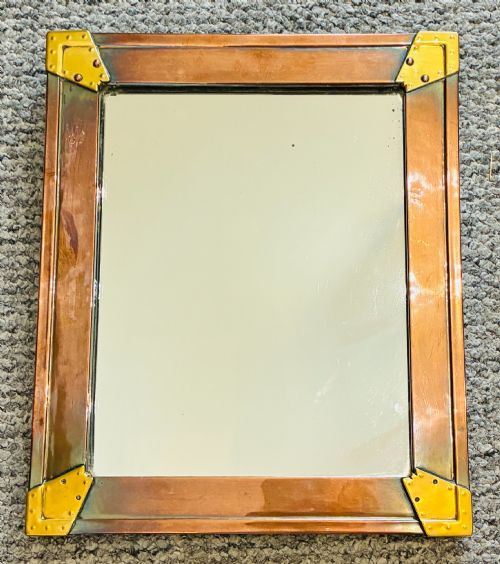
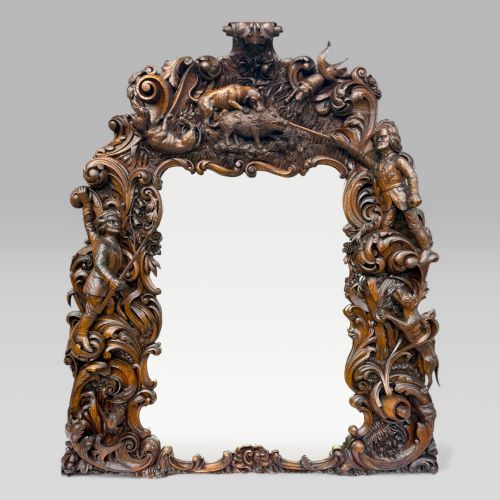
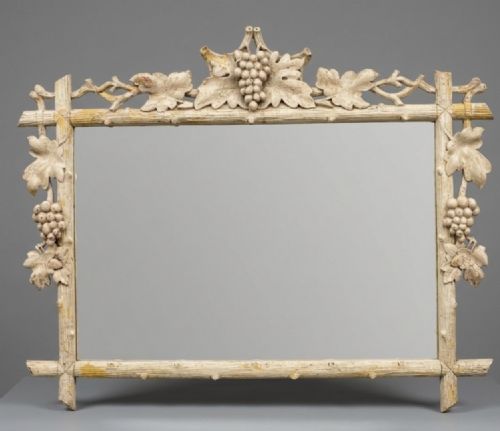
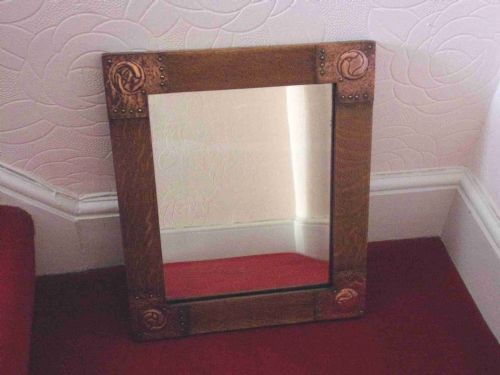
The selection ranges from heavy carved oak overmantles and country pine frames to intricate cork tramp art, faux bamboo, and copper-mounted Arts and Crafts designs. Oak and pine forms predominate, frequently housing mirror glass within substantial wooden borders.
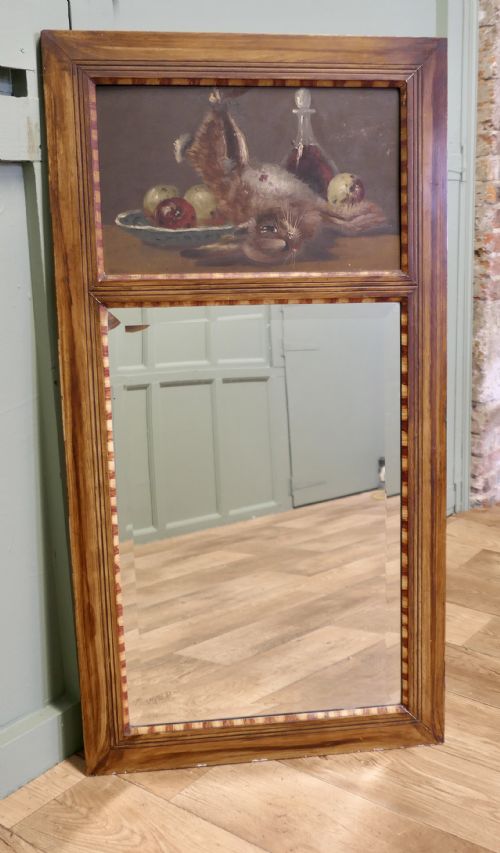
Buyers encounter architectural window shapes, tall trumeau pier mirrors, and smaller cloakroom or hall stand variants equipped with shelves. These items suit domestic spaces seeking authentic historical character and weathered materiality.
Materials and construction methods
Frames rely heavily on solid timbers such as oak, pine, and maple, shaped by hand carving, fret cutting, or turning. Artisans frequently incorporated natural elements, utilising bamboo stems, cork, or carved wood mimicking branches and foliage.
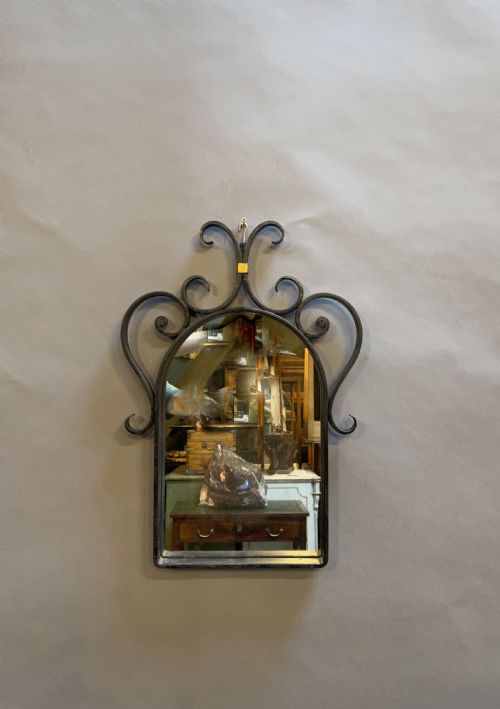
Metal accents appear through hammered copper and brass panels, often secured with visible fixings. Surface treatments involve applied paint, gesso, or scrubbed finishes that reveal the grain beneath.
Reflective panels consist of traditional mirror glass, occasionally showing age-related foxing and distressing that confirms their period manufacture.
Cork tramp art frames prove that humble bottle stoppers, shaped with a pocket knife, make surprisingly resilient borders for centuries of reflection.
Assessing quality and execution
The calibre of a piece rests upon the depth and precision of its carving, whether executed in bold oak relief or intricate Black Forest foliage. Finer examples display harmonious proportions where the weight of the frame balances the mirror glass.
Material selection dictates longevity, with dense hardwoods and well-preserved pine providing structural integrity. The integration of auxiliary elements, such as applied Ruskin cabochons, metal repoussé work, or original painted surfaces, elevates the distinction of the construction.
The Rustic Wall Mirror Glossary
- Trumeau
- A decorative wall mirror, often incorporating a painted panel or carved wooden motif above the glass plate. These tall architectural pieces originated in France.
- Overmantle
- A large mirror designed specifically to hang above a fireplace mantelpiece. They frequently feature arched tops or wide wooden frames.
- Tramp art
- A form of woodwork created by chip-carving small pieces of scrap wood, such as cork or cigar boxes, into layered geometric patterns. It yields heavily textured frames.
- Faux bamboo
- A decorative technique where wood is carved or painted to imitate natural bamboo stems. It gained popularity during the nineteenth century.
- Repoussé
- A metalworking technique where a design is hammered into relief from the reverse side. This method appears on copper and brass Arts and Crafts mirror frames.
- Foxing
- The natural age-related oxidation of mirror glass that produces dark spots and speckles. It distinguishes vintage plates from modern replacements.
Rustic Wall Mirror: Frequently Asked Questions
Where should I hang a rustic wall mirror?
These pieces suit living rooms above a fireplace, hallways, or cloakrooms where their frames add warmth to plain walls. Larger overmantle formats anchor a room visually, while smaller hanging versions fit narrower spaces.
Ensure the wall construction supports the weight, particularly with dense oak or carved wooden frames.
How do I care for antique mirror glass?
Clean the glass gently using a soft cloth and mild glass cleaner, taking care to avoid spraying liquid directly onto the wooden or metal frame. Moisture can damage vulnerable painted or gesso surfaces over time.
Dust carved woodwork periodically with a dry brush to preserve the finish.
Are these frames made of solid wood?
Most examples utilise solid timbers including oak, pine, and maple, shaped through traditional carpentry methods. Some pieces incorporate organic materials like cork or bamboo.
Surfaces often display historical paint layers or scrubbed natural grain rather than modern synthetic varnishes.
How do I identify an Arts and Crafts mirror?
Arts and Crafts pieces typically feature hand-worked copper or brass elements, Celtic knot motifs, or Ruskin cabochons set into oak frames. The aesthetic prioritises visible craftsmanship and honest materials over ornate gilding.
Construction details often highlight structural pegs and hammered metal textures.