




Rustic Timber Occasional Table
A rustic timber occasional table brings honest vernacular character and practical surface space to a room, drawing on centuries of regional craftsmanship.
Rustic Timber Occasional Table
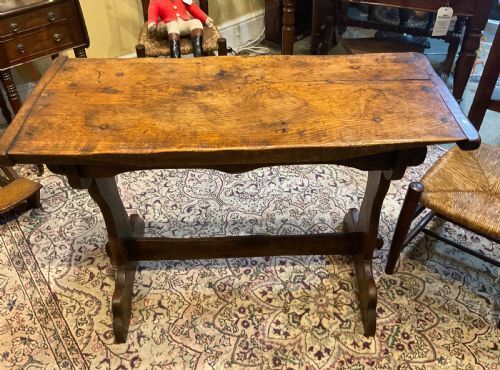
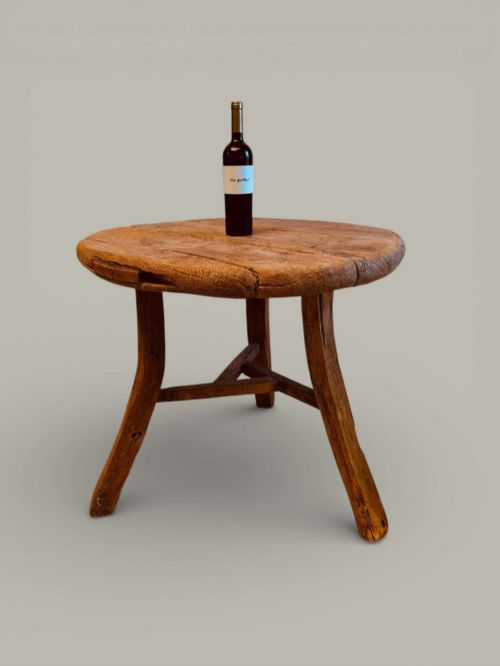
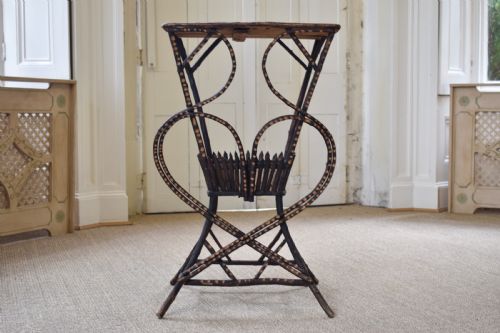
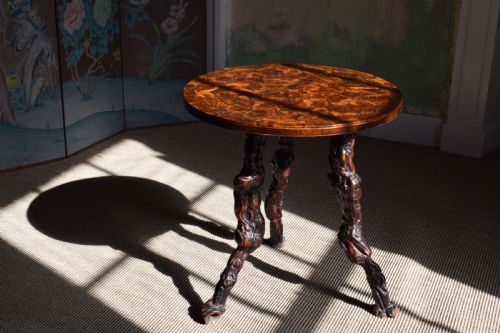
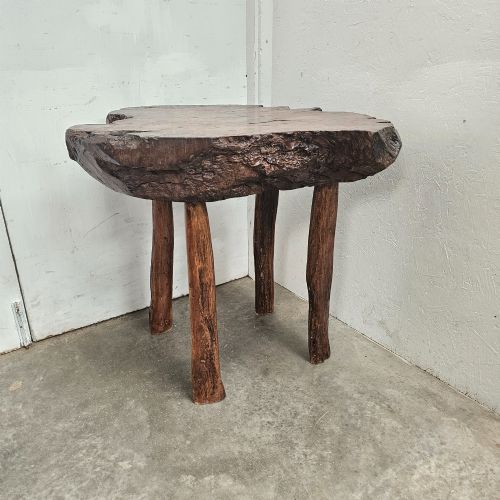
A rustic timber occasional table encompasses diverse forms created for domestic utility, ranging from tripod tripod tables to three-legged cricket tables and small side tables. When searching for a rustic timber occasional table, buyers encounter pieces originating from English, Welsh, French, and Catalan traditions, alongside folk art examples incorporating unconventional materials like twigs and grape vine.
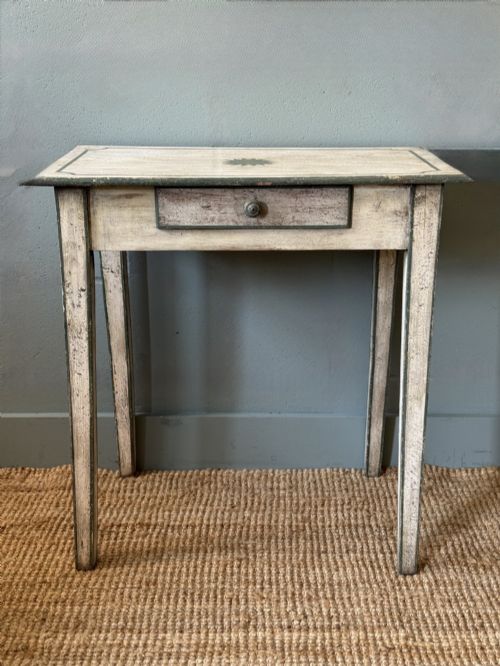
The materials span oak, elm, pine, fruitwood, sycamore, ash, yew, and burr thuya, often paired with iron or preserved beneath historic layers of paint. These objects cross multiple periods, stretching from the early eighteenth century through the Georgian era into the 1920s and 1930s.
The cricket table emerges as a particularly prevalent form among these pieces, frequently constructed in elm or oak with three legs designed to balance on uneven farmhouse floors. Alongside these vernacular staples appear painted surfaces, bleached oak finishes, and primitive regional variations that highlight straightforward domestic function.
Construction and materials
Makers utilised solid timbers native to their regions, selecting sturdy woods like oak, elm, fruitwood, and pine for their structural durability. Legs were frequently turned or shaped by hand and joined directly to thick timber tops using traditional pegged or wedged joints.
Surface treatments range from simple scrubbed timber and historic painted finishes to bleached oak and natural grain presentations. Specialised regional iterations, such as folk art twig construction or sculptural grape vine work, demonstrate diverse vernacular woodworking methods.
Rustic Timber Occasional Table Retail Price Guide 2026
Typical asking prices for rustic timber occasional table among the pieces listed under this phrase on Sellingantiques today, from the lower quarter to the upper quarter. They describe what is for sale here now, not the wider market.
Some makers bypassed standard lumber entirely, turning twisted grape vines and woodland twigs into functional furniture.
Assessing quality and character
Quality in these pieces rests upon the integrity of the timber, the honesty of the construction, and the preservation of original surfaces like early paint or aged patina. Pieces that retain their structural balance and show minimal intervention display the most desirable historical authenticity.
The relationship between the maker and the local materials defines the distinction between standard utility items and compelling folk art or vernacular design. Subtle details in leg turning, edge profiling, and joint formation separate routine workshop production from more deliberate regional craftsmanship.
The Rustic Timber Occasional Table Glossary
- Cricket table
- A traditional small wooden table featuring three legs, originally designed to remain stable on uneven floors in domestic interiors.
- Bleached oak
- Oak timber that has been lightened in tone, either through historical weathering or deliberate treatment, revealing the grain.
- Vernacular
- Architecture and objects created by local makers using traditional methods and native materials, without academic design pretension.
- Tripod table
- A small freestanding table supported by a central pillar resting on three spreading feet.
- Primitive
- Describing objects made with basic tools and straightforward techniques, prioritizing immediate utility over refined ornamentation.
Rustic Timber Occasional Table: Frequently Asked Questions
How are painted finishes dated?
Dating paint on historic timber relies on examining the pigment composition, the wear patterns, and the way the paint has integrated into the wood grain over generations. Multiple underlying layers often indicate a long working life.
Original historic paint adds significant character to regional tables, distinguishing utilitarian objects from later decorative interventions.
Where were these tables made?
These pieces were produced across various rural regions, including Welsh, English, French, and Catalan workshops. Local joiners and farmers built them using whatever native timber was available nearby, resulting in distinct regional characteristics.
This localized production explains the vast diversity in forms, from standard tripod tables to folk art twig and vine structures.
How do I care for rustic timber?
Maintaining rustic timber requires keeping the wood away from direct heat sources and sudden humidity changes that can cause the old boards to split. Applying occasional natural wax preserves the dry, honest surface texture without creating an artificial gloss.
Allowing the piece to breathe maintains the historic patina accumulated over centuries of domestic use.