
Rustic Oak Furniture
Rustic oak furniture brings solid timber and centuries of utilitarian design into daily domestic use.
Rustic Oak Furniture
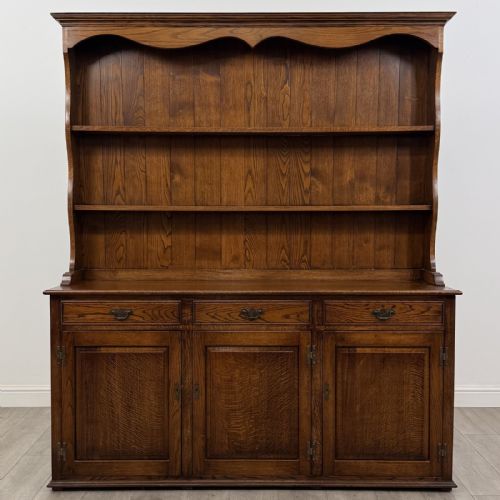
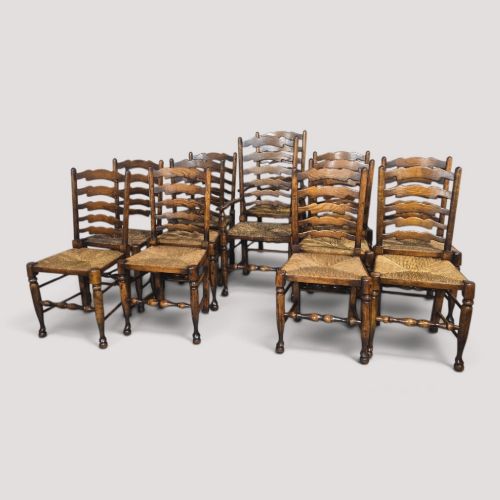
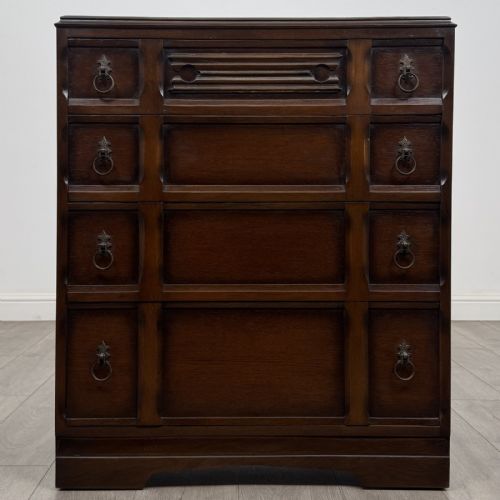
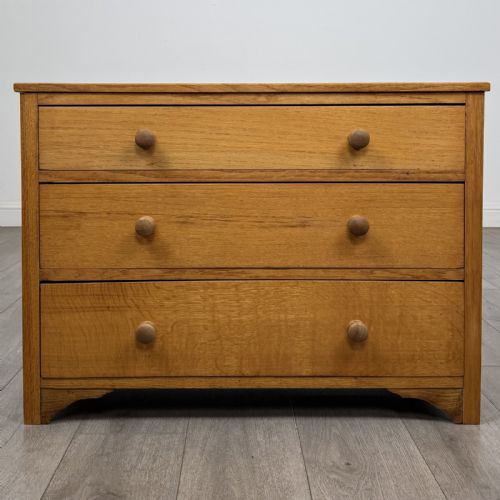
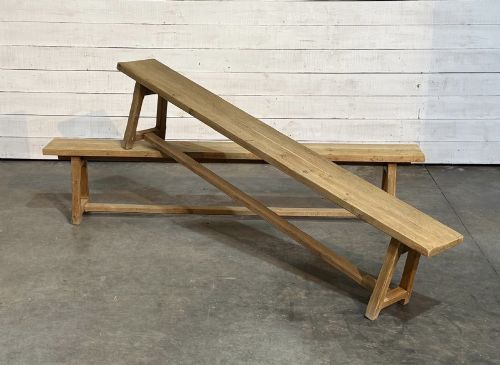
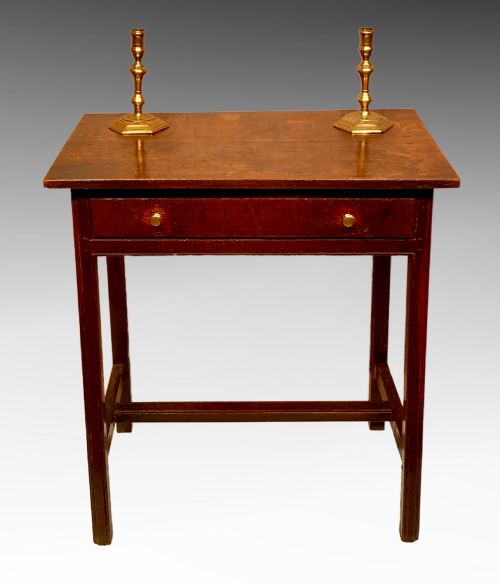
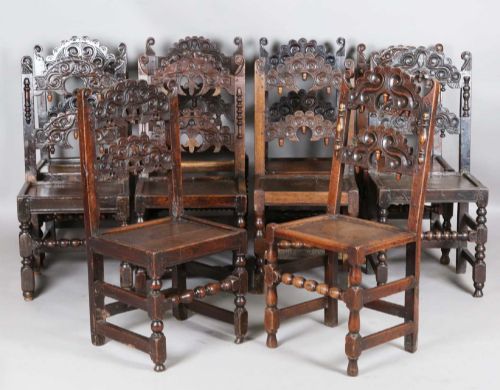
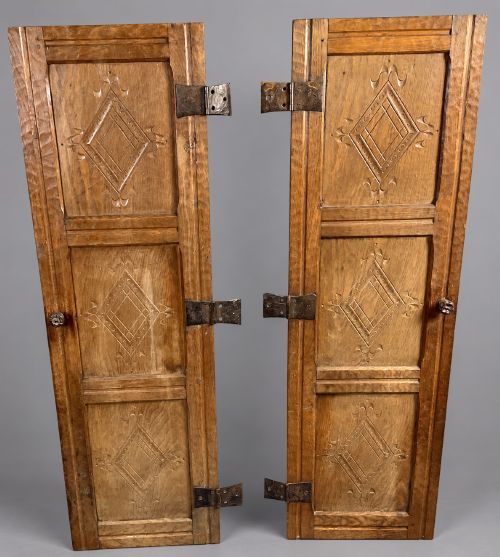
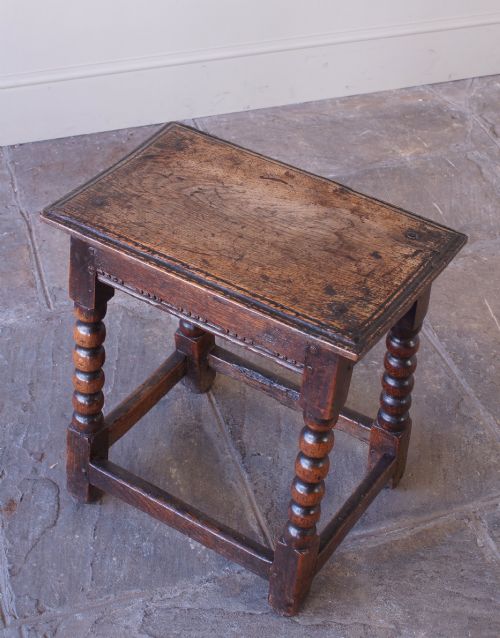
Rustic oak furniture encompasses utilitarian domestic pieces built from solid timber across several centuries. Buyers searching for rustic oak furniture encounter functional forms ranging from joint stools and gateleg dining tables to high-backed settles and blanket coffers.
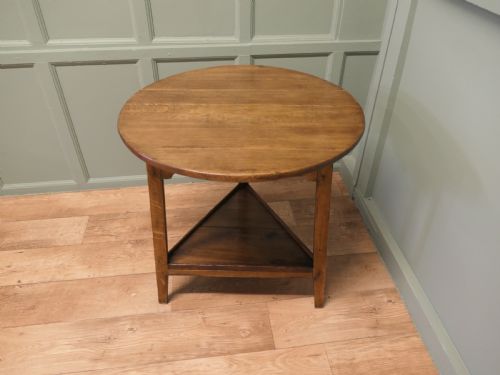
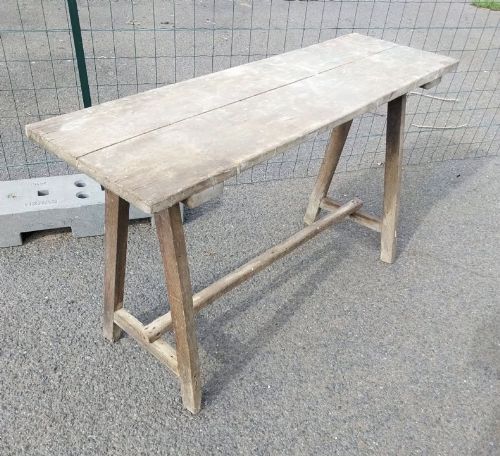
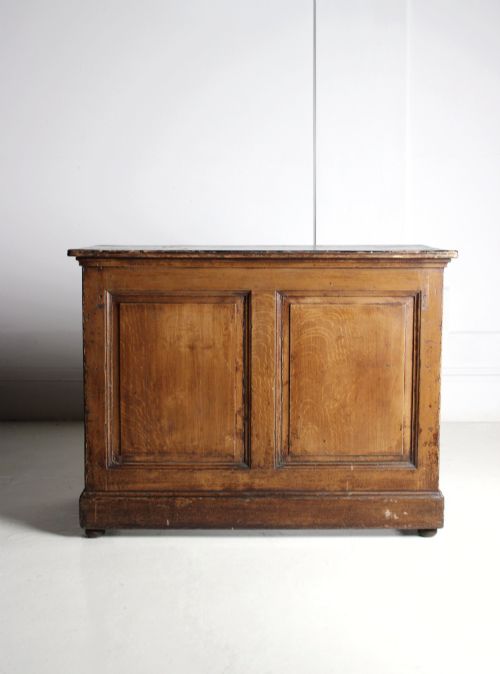
The selection on this page draws heavily from seventeenth, eighteenth, and nineteenth-century traditions, alongside Edwardian and Arts and Crafts interpretations. Regional variations appear frequently, including Welsh coffers, French provincial serving tables, and English cricket tables.
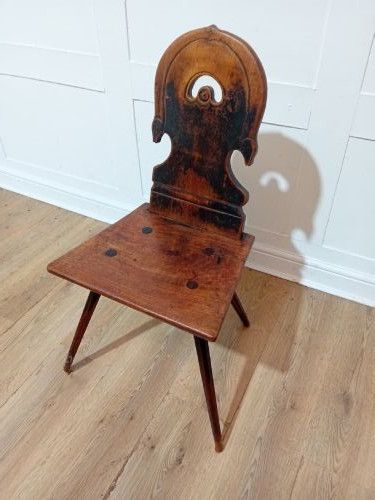
Domestic seating, dining tables, and storage chests dominate the forms available. Pieces span simple vernacular workshop output as well as refined country house iterations utilising solid oak, elm, ash, and fruitwood.
Assessing the work
Quality rests in the integrity of the timber selection and the retention of original structural elements. Pieces built from dense, well-figured solid oak with minimal later intervention command greater respect among collectors.
Proportion and the honesty of construction separate utilitarian workshop pieces from later revival items. The harmony between the primary oak structure and secondary woods like elm or fruitwood dictates the overall character of the piece.
Listings span the seventeenth to the twentieth centuries, featuring solid oak, elm, ash, and wrought iron.
Heals
The Rustic Oak Furniture Glossary
- Joint stool
- A low wooden stool constructed with pegged mortise and tenon joints rather than turned legs driven into a seat. These sturdy pieces served various seating and utility roles in early homes.
- Cricket table
- A small, light table typically supported by three splayed legs. This three-legged design ensured stability on uneven stone or flagged floors.
- Settle
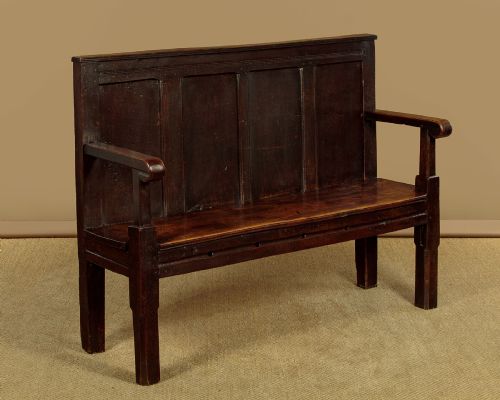
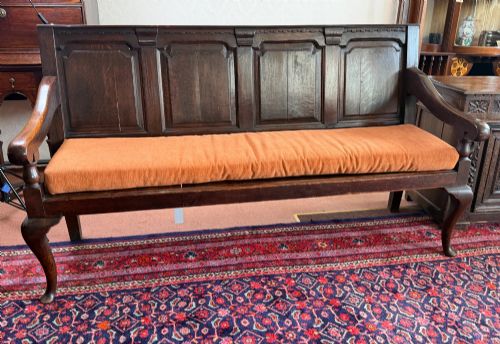
- A high-backed wooden bench with solid arms and a storage box or panelled base. Designed to keep draughts away from the occupant while seated near a hearth.
- Gateleg table
- A drop-leaf table featuring hinged flaps supported by swing-out legs. This mechanism allowed the table to expand for dining and fold compactly against a wall when not in use.
- Coffer
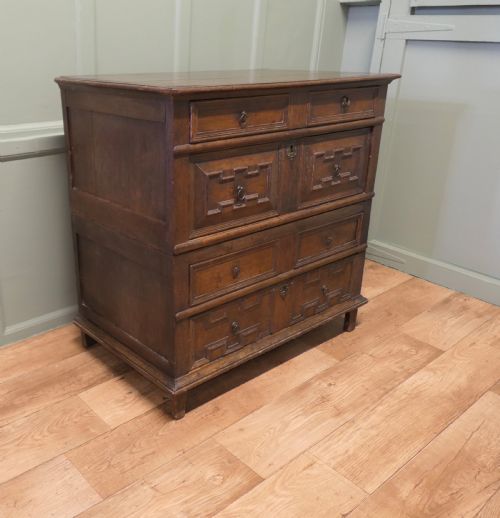
- A large wooden chest used primarily for storing textiles, valuables, or documents. Early examples often feature heavy panelled construction and primitive locking mechanisms.
Rustic Oak Furniture: Frequently Asked Questions
How do I identify seventeenth-century oak?
Seventeenth-century pieces display distinctive medullary rays in the oak timber, visible as silver flecks across the grain. Construction relies entirely on hand-cut joints secured by wooden pegs rather than modern fixings.
Surface patination develops naturally over centuries through handling and waxing. Tool marks left by adzes and pit saws remain visible on unexposed undersides and backs.
What is a cricket table used for?
Cricket tables served as versatile occasional surfaces in early domestic settings. Their three-legged construction provided unshakeable stability on uneven flagstone floors.
Today they function effectively as bedside stands or low coffee tables in traditional and contemporary interiors.
Where were settle benches placed?
Settles were traditionally positioned close to the hearth in large farmhouses and cottages. The high wooden back and solid sides deflected cold draughts away from the person sitting.
In modern homes, they work well in hallways or kitchens, often providing hidden storage beneath the seat.
Can I use an antique gateleg table daily?
Antique gateleg tables offer sturdy surfaces well-suited to everyday dining or use as large desks. The swing-out leg mechanism requires gentle handling to prevent strain on the hinges.
Regular waxing protects the solid oak top from moisture and preserves the historic finish over years of use.