


Rustic Timber Hall Table
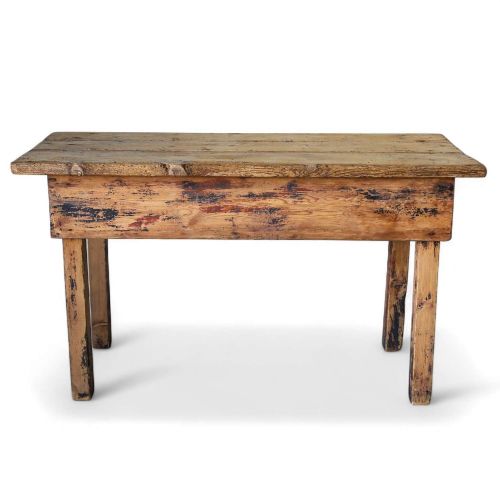
A rustic timber hall table brings straightforward utility and aged character straight to an entrance, grounding the space with honest materials.
Rustic Timber Hall Table
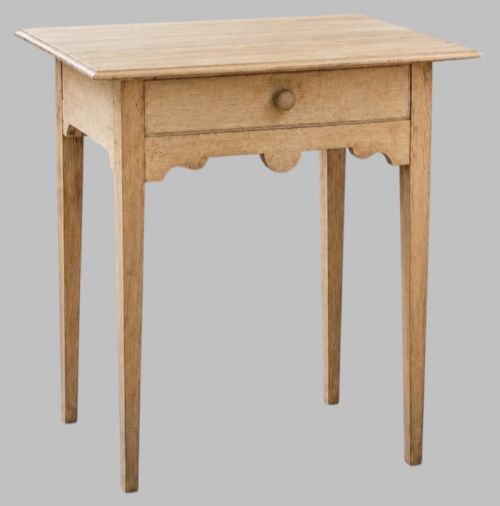
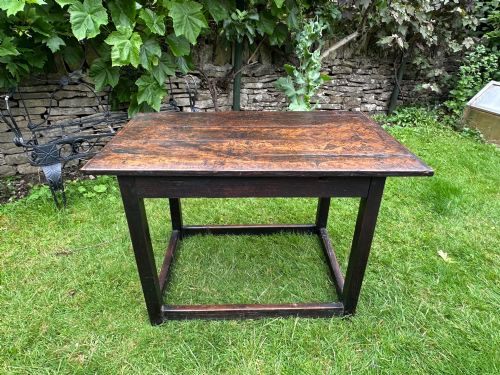
When searching for a rustic timber hall table, buyers encounter a variety of practical forms including side tables, console tables, serving tables, and narrow freestanding surfaces. These pieces originate from domestic and utilitarian settings, spanning periods from the eighteenth century through to the Edwardian era.
The selection includes regional expressions such as Welsh pine work tables, French country house benches, Swedish folk consoles, and English lamp tables. Such tables are chosen for narrow spaces where surface area and honest construction matter more than formal elegance.
How they were made
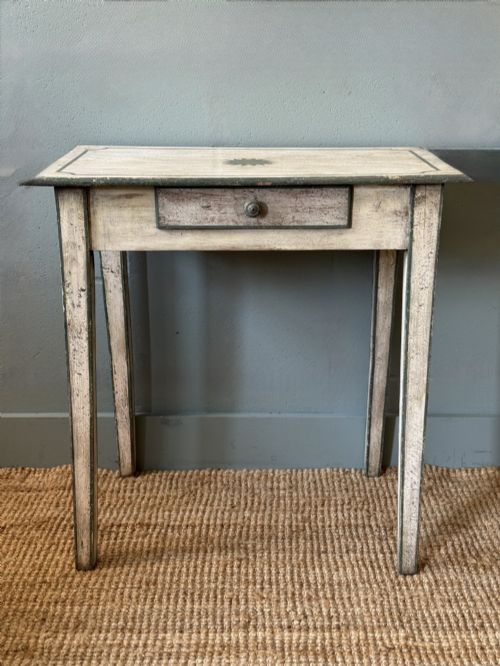
Construction relies heavily on solid domestic and continental woods including pine, oak, elm, fruitwood, sycamore, walnut, and yew. Many pieces feature scrubbed timber tops paired with painted bases, or simple plank top constructions joined with iron fixings.
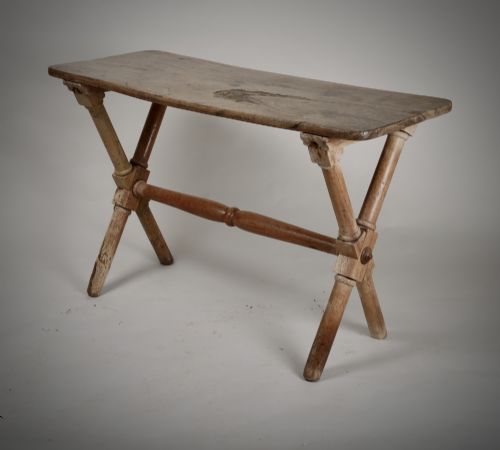
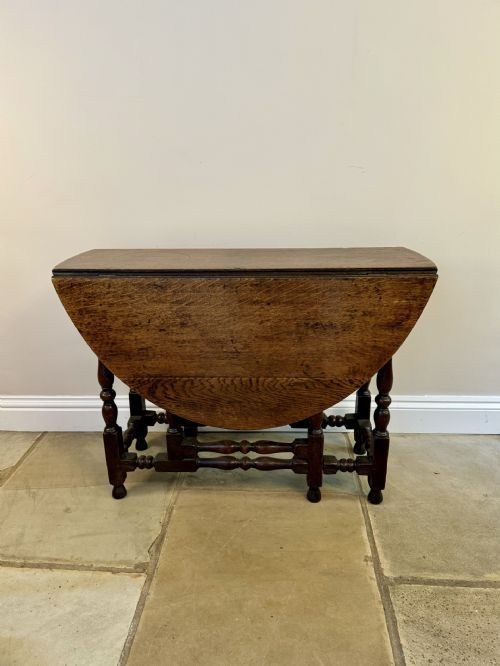
Makers utilised straightforward carpentry techniques suited to heavy everyday use, visible in trestle ends, drop leaves, and sturdy drawer frames. Surfaces often show the marks of hand planning and long usage rather than factory uniformity.
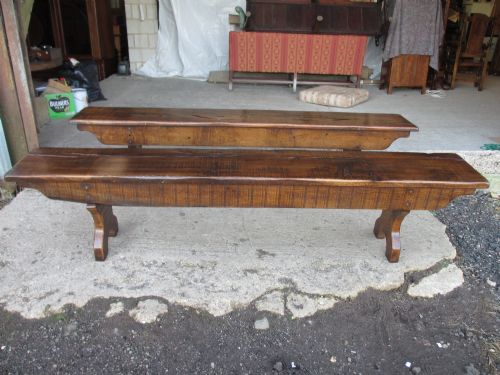
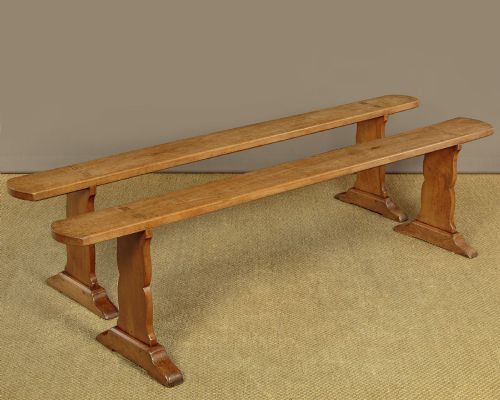
One French work bench measures eight and a half feet long, ready to sort the daily post.
What varies in quality
Quality rests in the integrity of the timber and the honesty of the construction, distinguishing sturdy period work from later imitations. Pieces with original scrubbed surfaces, uncompromised plank tops, and period joinery carry greater architectural presence.
The character of the timber itself, whether figured oak, aged pine, or patinated fruitwood, dictates the visual weight of the console. Subtle details like hand-cut drawers and original painted finishes elevate simple utility into distinguished regional furniture.
The Rustic Timber Hall Table Glossary
- Plank top
- A table top constructed from wide boards of solid timber joined edge to edge. This method was standard for early dining and work tables before manufactured sheet materials existed.
- Trestle ends
- Supporting uprights connected by a central beam rather than four individual legs. This design provides robust floor contact and stable weight distribution.
- Dresser base
- A low utilitarian cabinet featuring drawers or open pot-shelves below a flat surface. These pieces often serve as generous console or side tables in modern hallways.
- Scrubbed
- A finish achieved through repeated washing and scouring of wooden boards to remove dirt and reveal the pale grain. It is commonly found on pine, sycamore, and elm work surfaces.
Rustic Timber Hall Table: Frequently Asked Questions
Will a rustic timber hall table fit a narrow entrance?
Many console and side tables in this category are built with shallow depths specifically for tight corridors and transitional spaces. Their narrow proportions provide a useful surface for keys and post without blocking foot traffic.
Selecting a design with slim legs or a wall-hugging demi-lune shape further maximises floor space in compact hallways.
How do I care for an antique wooden table top?
Unpolished and scrubbed timber surfaces benefit from minimal intervention, occasionally receiving a coat of clear beeswax to nourish the dry grain. Avoid placing wet items directly on historic wood to prevent permanent staining.
Regular dusting with a soft cloth maintains the natural patina accumulated over centuries of domestic use.
Can these tables be used as desks?
Certain side tables and work tables offer adequate clearance and surface area for casual laptop use or writing. Checking the height and knee clearance beneath the drawer rails ensures comfortable daily sitting.
Farmhouse work tables and console pieces generally provide sturdy foundations for such temporary tasks.
What is the difference between oak and pine tables?
Oak is a dense hardwood valued for its strength, heavy grain, and rich colour that deepens over centuries. Pine is a lighter softwood that often accepts painted finishes well and develops a softer, paler patina through scrubbing.
Both materials were chosen historically for their local availability and structural reliability.