


Rustic Tavern Table
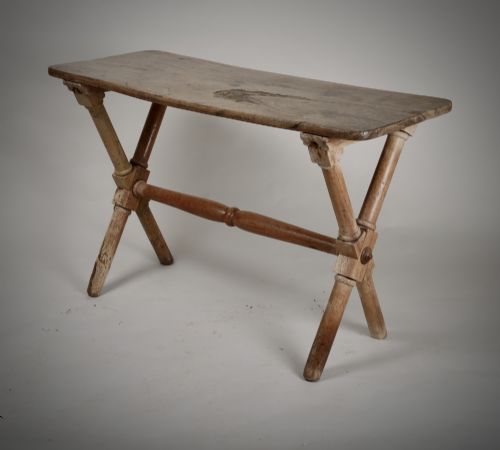
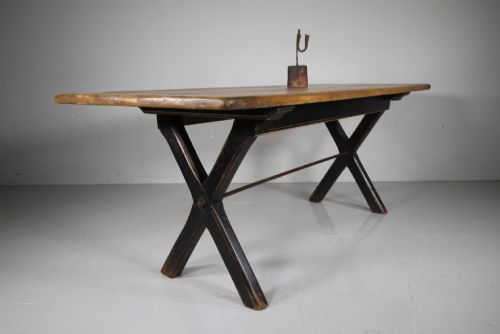
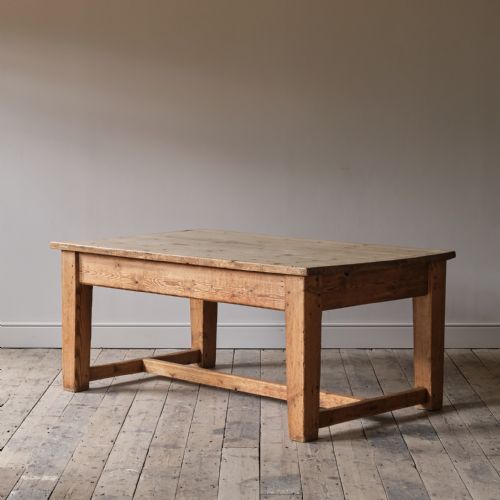
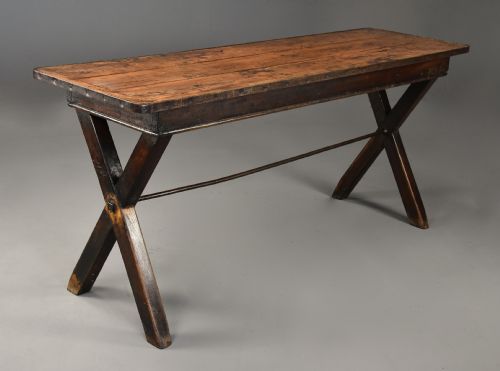
A rustic tavern table brings centuries of sturdy utility and honest grain into a modern room, offering a solid surface built for gathering.
Rustic Tavern Table
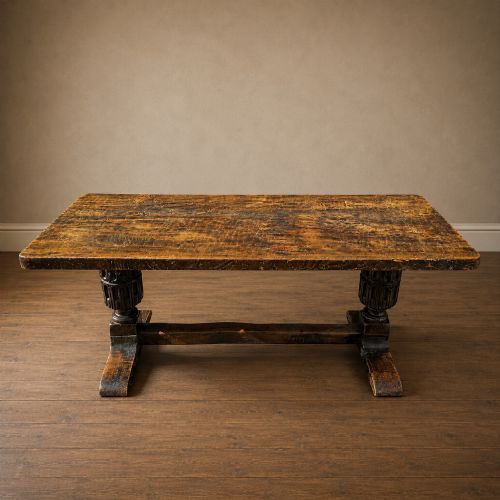
When you search for a rustic tavern table, you look for sturdy communal surfaces designed for drinking, dining, and daily domestic life. These pieces span from the seventeenth century through the nineteenth century, encompassing Georgian, Victorian, and regional country styles.
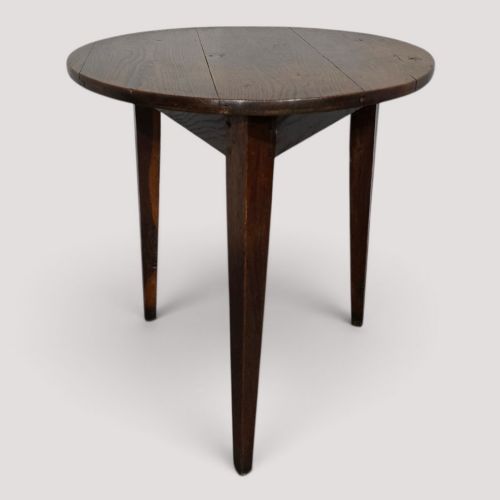
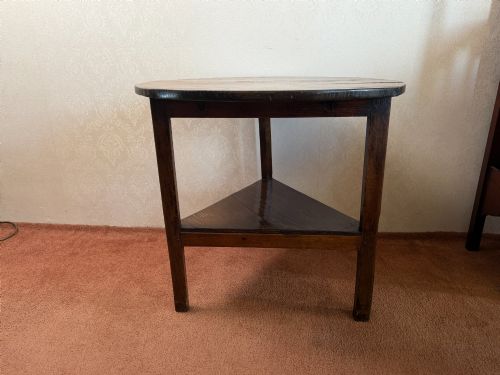
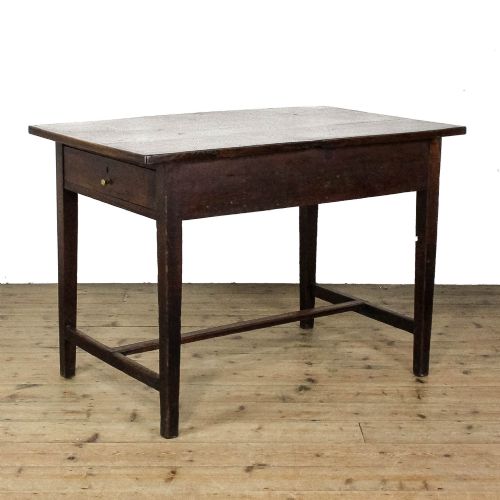
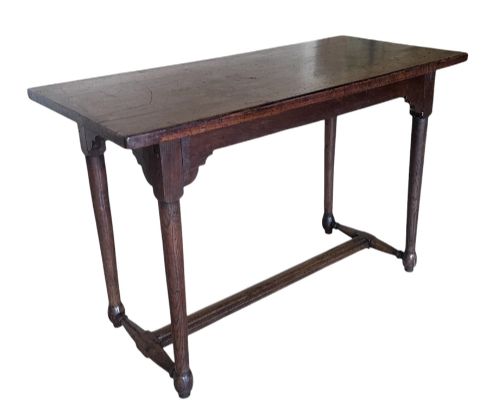
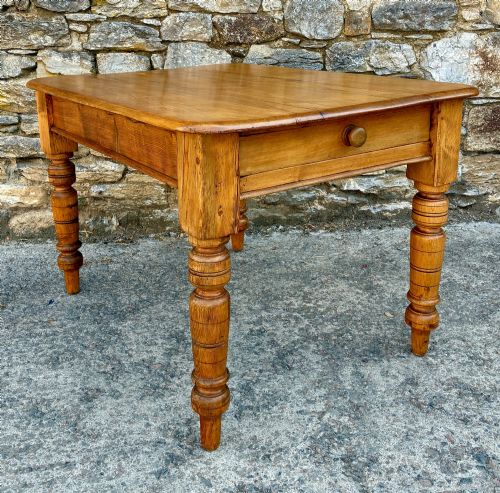
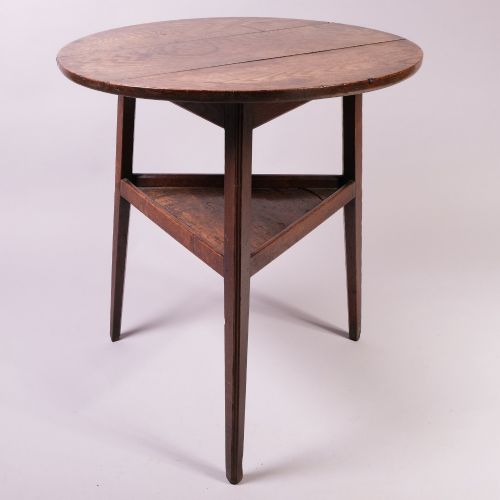
The most common examples you meet on this page are oak and pine tavern tables or cricket tables, often featuring thick plank tops and simple timber frames. Origins range widely, including English, Welsh, French, and Spanish workshops, reflecting local building traditions.
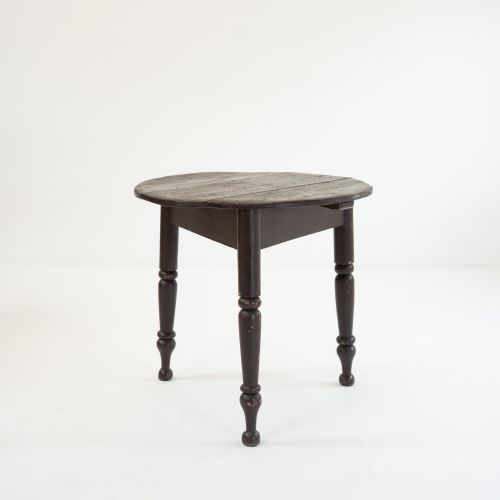
Forms extend beyond standard dining heights to include low side tables, coffee tables, and occasional tables. Many display regional traits, such as X-frames, painted pine bases, or baluster posts.
How they were made
Carpenters built these tables using domestic hardwoods and softwoods like oak, elm, ash, sycamore, and pine, frequently pairing a robust single-plank or multi-plank top with a sturdy timber base. Joinery relied on pegged mortise and tenon joints to withstand heavy daily use.
Surfaces often received little more than wax or natural oil, allowing decades of use to develop a deep patina. Some pine examples retain original painted finishes, particularly in red or dark tones.
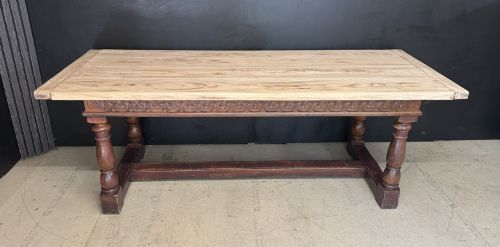
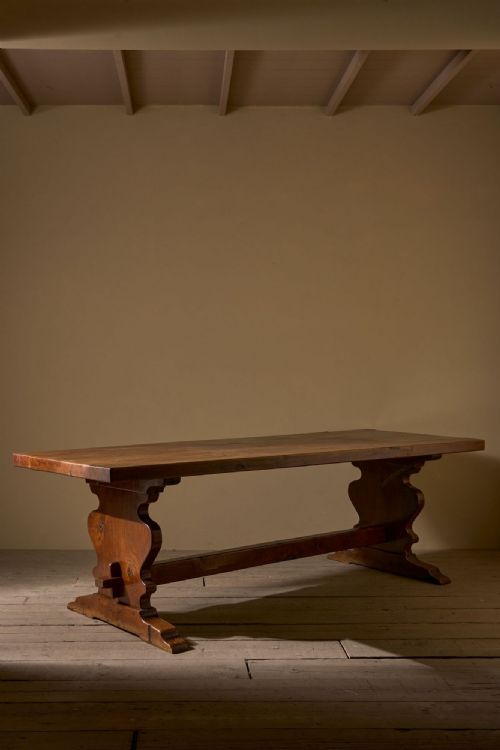
Iron and brass fixings appear where extra strength was needed in the framing, while trestle ends, gate-leg mechanisms, and baluster posts provided structural support for heavy timber tops.
Object types span dining tables, kitchen tables, tavern tables, cricket tables, side tables, coffee tables, and benches.
What varies in quality
Quality rests in the integrity of the timber and the honesty of the construction, where thick plank tops and original uncompromised bases set finer examples apart. Tables retaining their early surface patination or original paint show superior historical survival.
Proportion and structural balance dictate the standing of a piece, with well-balanced gate-leg, trestle, or cricket formats holding more presence than heavy, clumsy assemblies. The integration of period timber throughout the top and base signals superior workshop origins.
The Rustic Tavern Table Glossary
- Cricket table
- A small, light three-legged table, typically with a round wooden top, originating in British country houses and farmhouses.
- Plank top
- A table top constructed from solid wooden boards joined side by side, often showing natural grain and heavy wear.
- Refectory table
- A long, narrow dining table traditionally used in monasteries and large halls, characterised by substantial length and stretcher-supported legs.
- Gate-leg table
- A table with hinged leaves supported by swing-out legs that resemble a swinging gate, allowing the surface area to expand.
- Baluster
- A moulded column or post, turned on a lathe, used to support the underframe or legs of seventeenth and eighteenth-century furniture.
Rustic Tavern Table: Frequently Asked Questions
What is a tavern table?
A tavern table is a sturdy, practical wood table historically used in public houses and homes for eating, drinking, and gathering.
These pieces typically feature solid timber construction designed to withstand heavy daily use over centuries.
How do I style a rustic table?
Pair these wooden tables with simple benches, Windsor chairs, or mixed seating to let the honest grain and construction stand out.
Their robust character suits both traditional country kitchens and contemporary living spaces as dining or coffee surfaces.
How do I date an old table?
Dating relies on observing construction methods, timber species, tool marks, and hardware types used within the frame.
Earlier seventeenth and eighteenth-century pieces often display pegged joints and hand-sawn boards, while nineteenth-century versions show more standardised milling.
Are these tables solid wood?
Yes, these country pieces are constructed from solid hardwoods and softwoods such as oak, elm, ash, and pine.
Makers utilised thick planks for tops and heavy timbers for bases to ensure lasting stability.