



Rustic Scandinavian Coffer
A rustic scandinavian coffer brings sturdy utility and painted folk history into a modern room.
Rustic Scandinavian Coffer
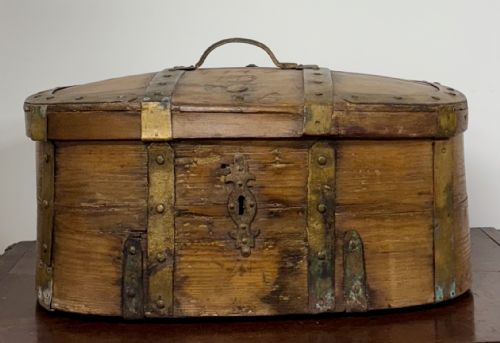
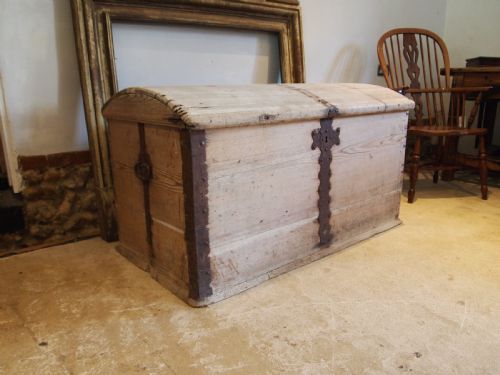
A rustic scandinavian coffer functions primarily as a storage chest, trunk, or strong box intended for domestic use. The pieces appearing on this page span from the eighteenth century through the late nineteenth century, encompassing Georgian, Victorian, and specific Scandinavian periods. Forms range from dome-top marriage chests to log bins and oval-shaped boxes.
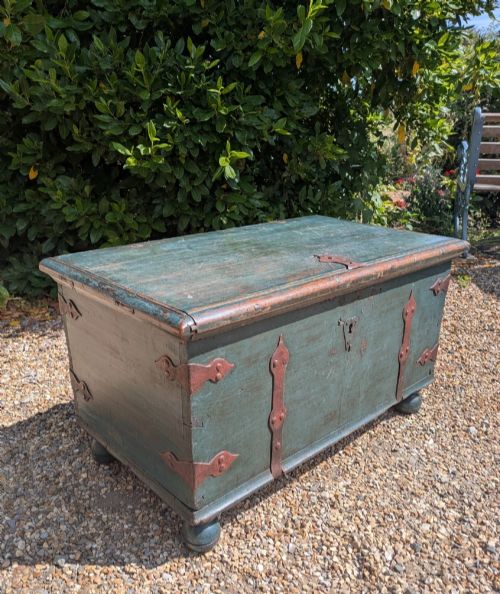
The most common version met here is the nineteenth-century pine chest or strong box finished with hand-painted decoration or folk art motifs. Swedish examples dominate the selection, often carrying dates, names, or symbolic patterns such as labyrinths. Oak occasionally appears in earlier baroque forms, while pine serves as the primary structural wood.
Materials and construction methods
Makers constructed these coffers largely from solid pine and occasionally oak, shaping boards with hand tools for daily household storage. Structural reinforcement came from hand-forged iron strapwork, metal banding, and brass details that secured heavy lids and corners.
Surface finishes involved layers of paint, pigment, and graining to protect the timber and decorate the exterior. Folk artists applied hand-painted details directly onto the prepared wood, resulting in patinated surfaces that survive from the eighteenth and nineteenth centuries.
Pine and oak serve as the primary woods across these listings, complemented by wrought iron, brass, and painted pigment.
Assessing quality and character
Quality rests upon the preservation of original painted surfaces and the integrity of the hand-forged ironwork. Pieces retaining distinct folk art pigments, clear dates, and untouched patination stand above examples with later repaint or modern alterations.
The sophistication of the joinery and the execution of the hand-painted motifs also distinguish finer boxes from standard utilitarian storage. Strong boxes with original metal binding and functioning locks demonstrate superior craftsmanship from regional workshops.
The Rustic Scandinavian Coffer Glossary
- Coffer
- A large wooden chest used for storing valuables, linens, or documents. These sturdy containers often feature hinged lids and iron mountings for security.
- Folk Art
- Artistic work produced from an indigenous culture or peasant tradition, reflecting community craft rather than academic training. Painted Scandinavian pieces rely heavily on these traditional motifs.
- Strong Box
- A heavily reinforced small chest designed to secure money or precious items. They frequently include iron strapwork and robust internal compartments.
- Pigment
- Natural colouring matter used in paints applied to the pine and oak surfaces. Over time, these mineral and earth pigments age into distinct patinas.
- Strapwork
- Ornamental bands of metal, typically iron, fastened across the exterior of a chest to reinforce the joints. Hand forging leaves distinct marks on these functional strips.
Rustic Scandinavian Coffer: Frequently Asked Questions
What were these coffers used for originally?
Households utilised these wooden containers to store blankets, clothing, dried goods, and valuable documents. Strong boxes specifically guarded family money and important papers.
Larger marriage chests served to hold a bride's dowry items and remained treasured possessions within the home. Log bins and smaller boxes managed domestic fuel and everyday household items.
How do I care for a painted wooden chest?
Keep wooden chests out of direct sunlight to prevent the nineteenth-century pigments from fading and the pine from drying out. Maintain a stable indoor humidity level to protect the timber and historic paint.
Dust the surface gently with a dry cloth and avoid harsh chemical cleaners that might strip the original patination. Wax can be applied sparingly if the bare wood requires nourishment.
How do I distinguish eighteenth-century pieces from nineteenth-century ones?
Earlier eighteenth-century examples often incorporate heavier oak construction, baroque styling, and simpler iron-bound framing. Pine becomes much more common by the nineteenth century, paired with elaborate folk art painting and graining.
Examining the hand-forged iron strapwork and the formulation of the underlying paint layers helps clarify the manufacturing era. Structural assembly methods also reveal the period of origin.
Are painted decorations usually original?
Many surviving pieces retain their primary eighteenth or nineteenth-century paint layers, though some items received touch-ups or complete repainting during their working lives. Close inspection of the pigment crackle and wear patterns reveals whether the surface decoration matches the age of the timber.
Original folk art finishes exhibit natural fading and wear consistent with decades of domestic handling. Patination provides the key indicator of an untouched painted surface.