




Rustic Pine Hutch
These rustic pine hutch pieces bring honest regional utility and warm timber grain into a modern kitchen.
Rustic Pine Hutch
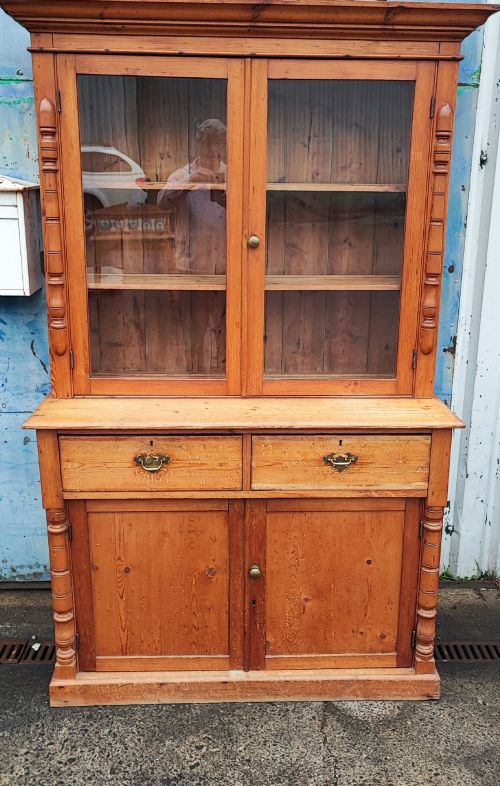
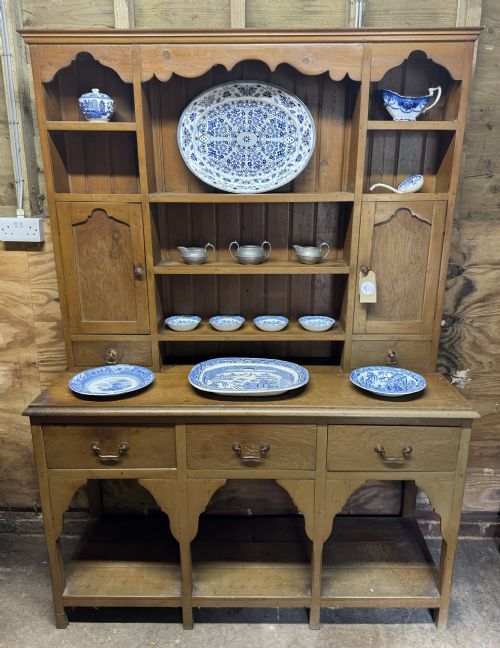
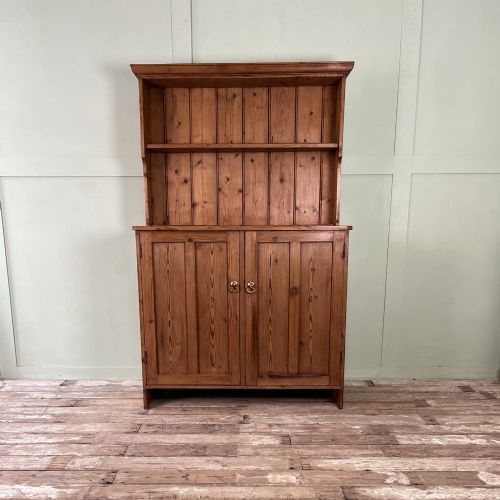
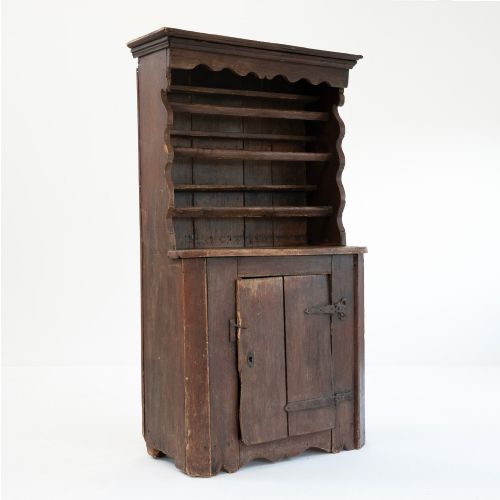
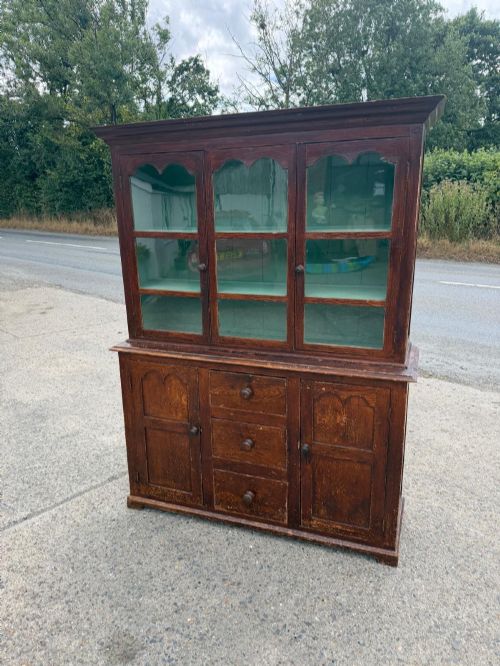
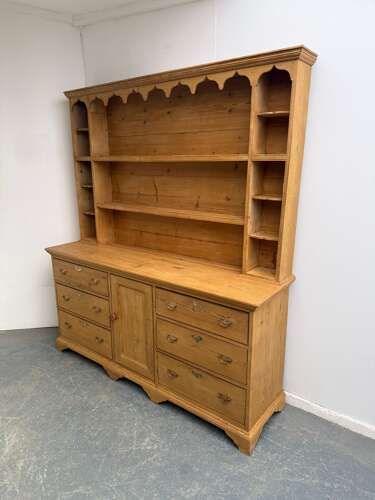
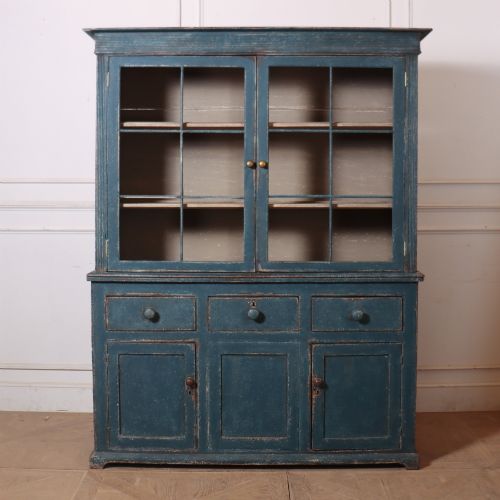
A rustic pine hutch serves as a sturdy storage unit and display piece, combining open racks or glazed upper cabinets with lower cupboards or drawers. When you search for a rustic pine hutch, you are looking at practical furniture built for everyday domestic life in farmhouses, cottages, and country houses across Britain and Europe.
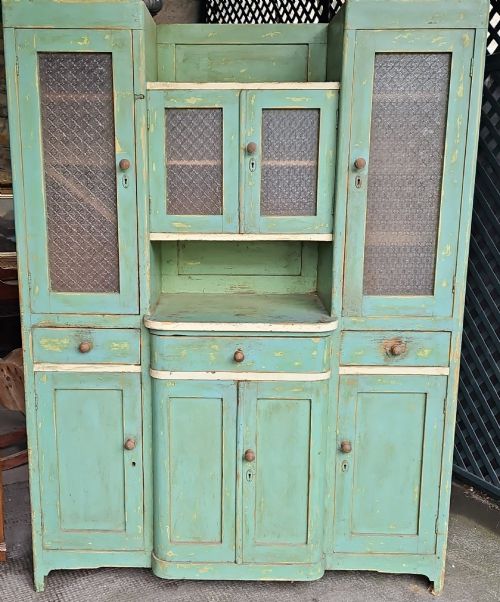
The versions most commonly found here date from the 18th century through to the early 20th century, encompassing English, Welsh, Irish, Scottish, Scandinavian, and Hungarian vernacular traditions. They appear in various forms, from compact cupboards to massive multi-door dressers and glazed kitchen cabinets.
Regional variations define these pieces, such as the distinctive proportions of a Welsh dresser or the simpler lines of an English farmhouse piece. Many retain their original painted surfaces, waxed finishes, or aged patinas developed through generations of domestic use.
Factors influencing quality
Proportion and scale dictate the visual success of a piece, separating well-balanced vernacular proportions from awkward or heavy assemblies. The integrity of the original timber frame, minimal structural timber replacement, and honest signs of age elevate certain examples.
The survival of original surface treatments, whether a rich waxed pine patina or undisturbed historic paint, contributes significantly to character and desirability. Superior craftsmanship shows in cleanly cut dovetails, well-fitted doors, and harmonious integration of the upper rack to the base.
Rustic Pine Hutch Retail Price Guide 2026
Typical asking prices for rustic pine hutch among the pieces listed under this phrase on Sellingantiques today, from the lower quarter to the upper quarter. They describe what is for sale here now, not the wider market.
Listings span the eighteenth, nineteenth, and early twentieth centuries, featuring painted, waxed pine, and glazed finishes.
The Rustic Pine Hutch Glossary
- Patina
- The surface sheen and colour acquired by wood through decades of handling, polishing, and exposure to light. This accumulation of wear is valued by collectors for its visual depth.
- Vernacular furniture
- Domestic pieces made by local regional carpenters for everyday use rather than high-style items from metropolitan workshops. These designs reflect local materials and regional customs.
- Breakfront
- A cabinet or dresser whose central section projects forward from the flanking cupboards or drawers. This architectural feature adds visual weight and complexity.
- Rack
- The open shelving superstructure mounted on top of a dresser base, traditionally used for displaying plates and serving dishes. It often incorporates a shaped frieze or plate grooves.
- Scots pine
- A native European pine species frequently utilised in northern vernacular furniture construction. It provides a dense, knotty timber grain with a characteristic warm tone.
Rustic Pine Hutch: Frequently Asked Questions
How do I clean a waxed pine hutch?
Dust the surfaces regularly with a soft, dry cloth to prevent grit accumulation in the grain. Apply a traditional beeswax paste sparingly when the timber appears dry, buffing it gently to maintain the soft sheen.
Avoid modern silicone sprays or harsh chemical cleaners, as these can penetrate the porous pine and damage the historic wax finish over time.
Where were these hutches traditionally used?
These pieces belonged in the working heart of the country house or cottage, serving as the main storage and display furniture for daily kitchen crockery. Families kept them in kitchens and sculleries to hold earthenware bowls, platters, and cooking utensils.
Over time, they transitioned from utilitarian workspace storage into prominent dining room and living space display furniture.
How can I tell an older pine hutch from a later reproduction?
Examine the construction methods in the drawers and carcase joints, looking for hand-cut dovetails and hand-planed timber boards rather than modern machine-sawn marks. Historic backboards and interior shelves often display irregular thickness and shrinkage splits consistent with age.
Check for hand- forged iron or brass hardware fixed with old slot screws, and look for natural wear patterns around frequently handled door edges.
Are painted finishes on these hutches original?
Many pieces retain layers of historic paint applied decades after manufacture, while others preserve their first decorative colour scheme. Close inspection under natural light reveals craquelure, underlying timber bleed-through, and wear consistent with age.
Conservation experts look for consistent adherence to the wood pores and natural pigment fading rather than flat, uniform modern acrylic coverage.