

Rustic Pine Dresser Drawers
These rustic pine dresser drawers bring honest utility and warmth to a room, offering robust storage shaped by generations of practical domestic use.
Rustic Pine Dresser Drawers
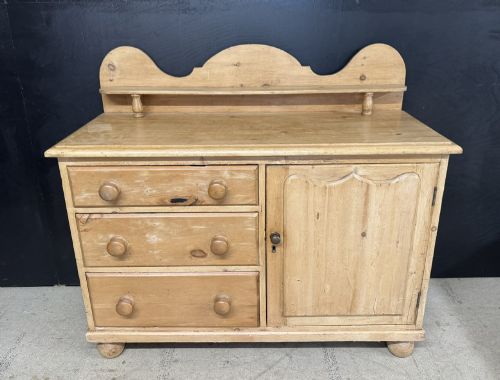
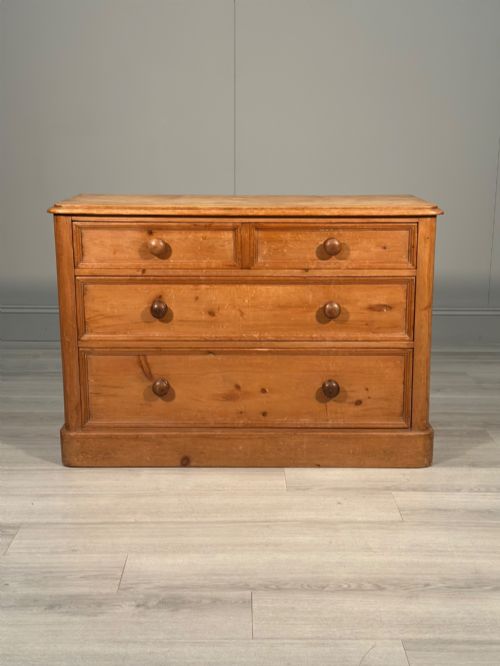
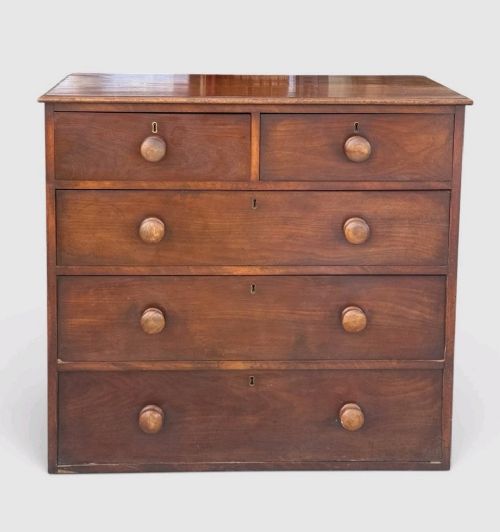
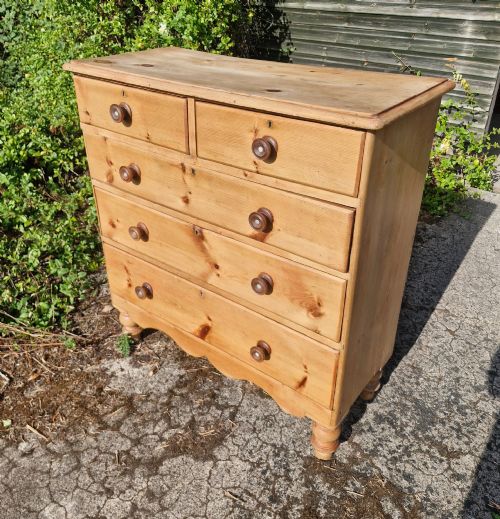
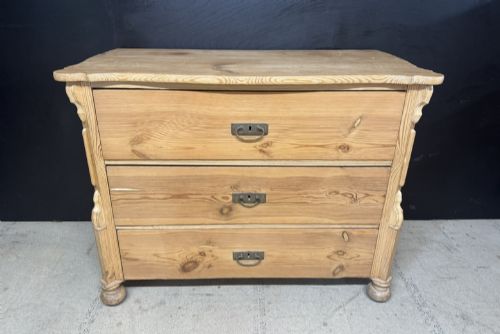
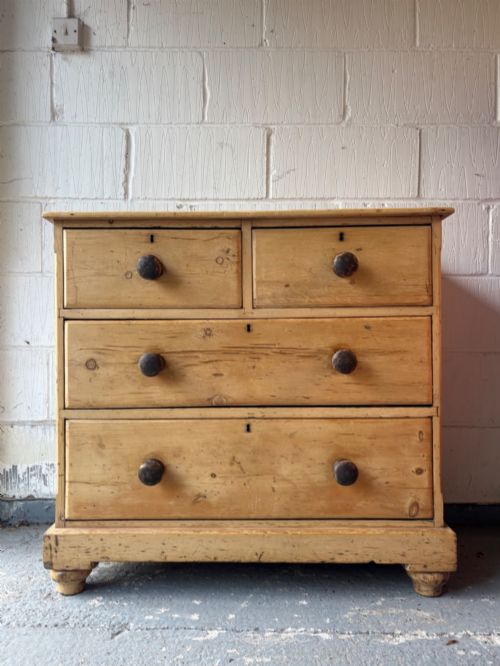
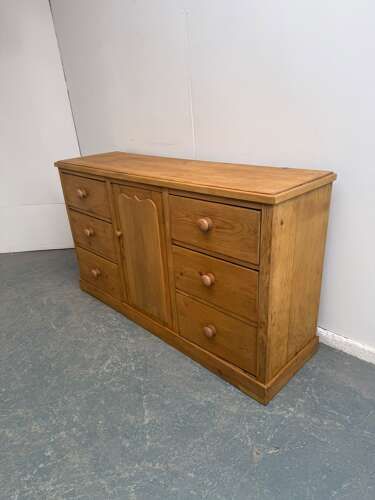
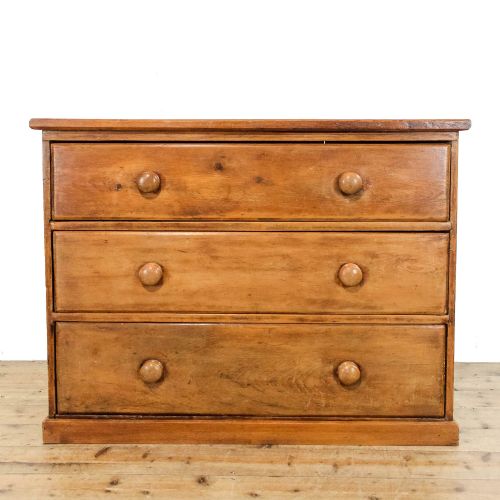
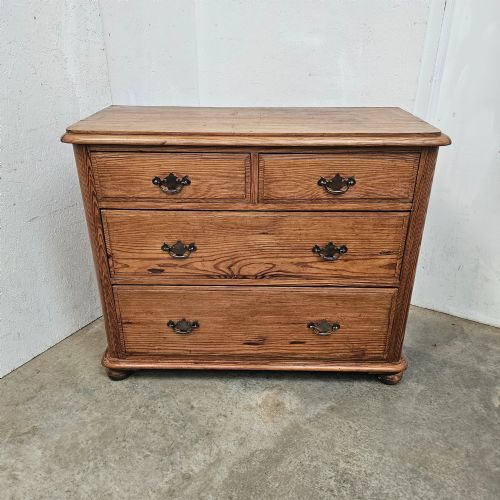
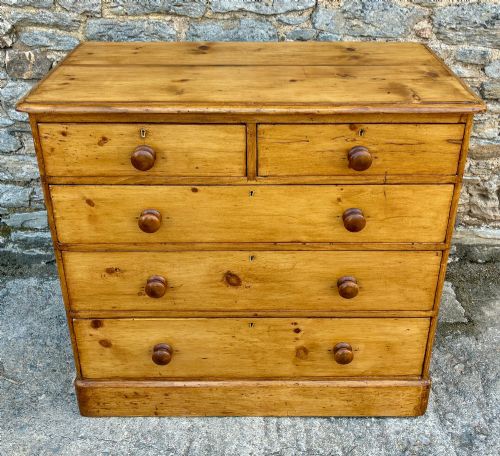
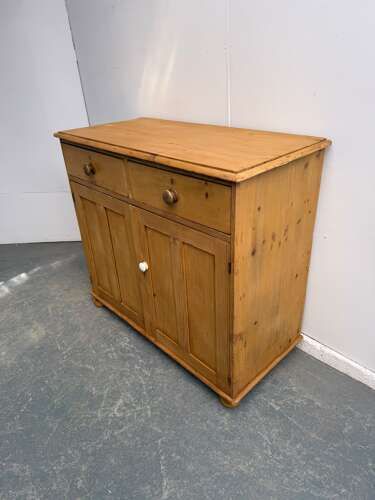
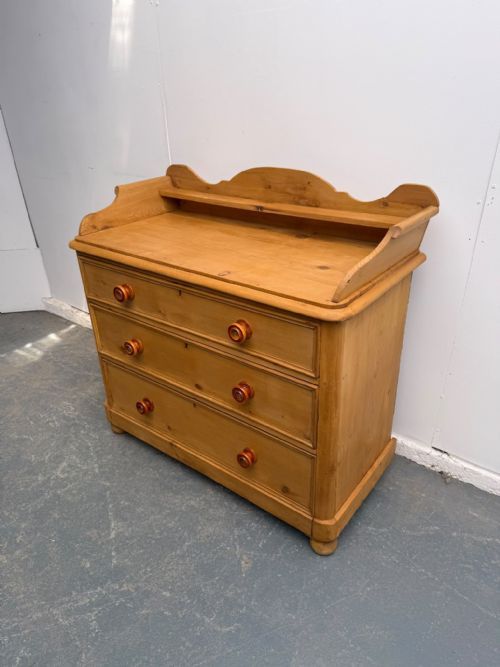
Rustic pine dresser drawers encompass functional storage pieces built primarily from softwood, appearing most frequently in Victorian and nineteenth-century formats. Buyers seeking rustic pine dresser drawers will encounter chests of drawers, dresser bases, and sideboards designed for everyday utility in kitchens, bedrooms, and sculleries.
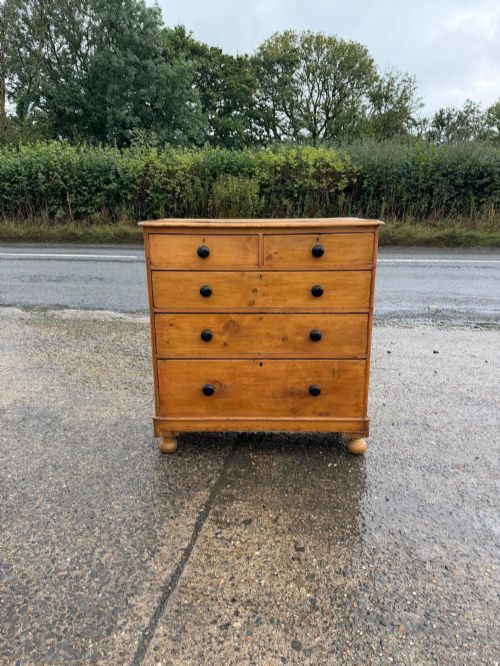
The selection ranges from compact three-drawer units to large six-drawer configurations and two-door dresser bases. Regional variations span English, Welsh, Irish, and Hungarian origins, featuring configurations such as two short drawers over three long ones.
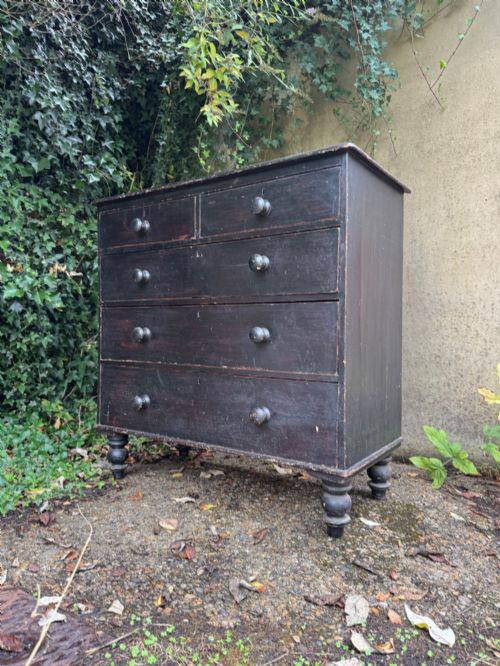
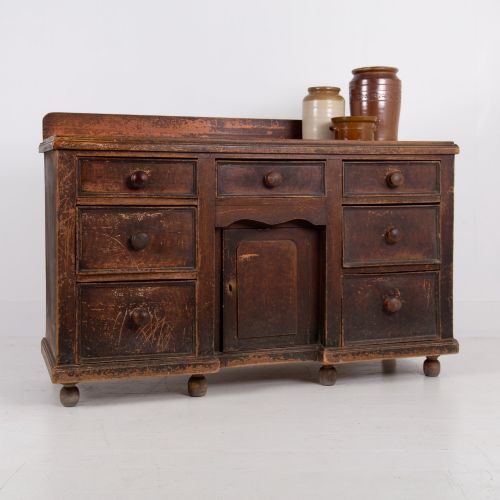
Many examples retain their original painted surfaces, while others present scrubbed, waxed, or stripped finishes that expose the natural grain of the timber. These forms served essential domestic storage roles long before modern fitted furniture existed.
Materials and construction
Makers relied on pine and pitch pine as the primary timbers, supplemented by brass, iron, and ceramic for handles, escutcheons, and drawer pulls. Carcasses were joined using traditional carpentry methods designed to withstand heavy daily wear in busy household environments.
Surfaces were frequently finished with natural wax, left in original paint, or scrubbed clean with soap and water during routine kitchen maintenance. Drawers often incorporated bun handles, wooden knobs, or brass fittings depending on the regional workshop and period.
Some larger chests and dresser bases were constructed in two separate stacking parts to facilitate transport up narrow staircases in traditional homes.
One cheerful Hungarian chest arrived finished in striking black paint.
Determining quality
Quality rests upon the integrity of the original construction, the thickness of the pine boards, and the retention of an uncompromised surface finish such as early paint or period wax. Pieces that retain their original backboards, drawer bottoms, and turning demonstrate superior survival through decades of domestic service.
Proportion and scale dictate the visual success of the piece, with well-balanced drawer arrangements and clean cornices commanding greater appreciation than clumsy alterations. The presence of original hardware, including brass pulls and ceramic knobs, elevates the authenticity of the object.
Regional distinctiveness, such as Hungarian or Welsh vernacular details, adds character and distinguishes standard workshop output from more interesting provincial examples.
The Rustic Pine Dresser Drawers Glossary
- Dresser base
- A low sideboard or cabinet with drawers and cupboards, traditionally used in kitchens for food preparation and storage. It provides a wide working surface above lower storage compartments.
- Scrubbed pine
- Timber that has been repeatedly washed and scrubbed with water and soap to create a pale, clean, matte surface. This finish results from decades of active kitchen use.
- Potboard dresser
- A dresser base featuring a low open shelf near the floor, originally designed for storing heavy pots and pans. It forms an open base rather than enclosed cupboards.
- Bun handle
- A small, rounded wooden knob turned on a lathe, resembling a small bun. These appear frequently on Victorian drawer fronts.
- Original paint
- Pigment applied during the period of manufacture that has not been stripped or modernly repainted. It displays authentic wear and patination accumulated over time.
Rustic Pine Dresser Drawers: Frequently Asked Questions
Where were rustic pine drawers used?
These pieces served in domestic spaces such as kitchens, sculleries, and bedrooms for storing linens, provisions, and household utensils.
Their robust construction suited them to heavy daily handling in working environments rather than formal reception rooms.
How do I care for waxed pine?
Maintain waxed pine by applying a traditional beeswax polish sparingly and buffing with a soft cloth to preserve the sheen.
Keep the wood away from direct heat sources and strong sunlight to prevent the timber from drying out or splitting.
Are painted finishes period correct?
Many nineteenth-century pieces received layers of paint to protect the softwood or to match evolving interior schemes in traditional homes.
Original paint exhibits natural craquelure, wear, and softening around the handles that modern brushing cannot replicate.
Why are some dressers in two parts?
Larger dresser bases and tall chests were built in two separate stacking sections to allow easier transport through narrow doorways and stairwells.
The upper and lower components slot or rest together securely without permanent mechanical fasteners.