




Rustic Pine Display Unit
These rustic pine display units bring honest utility and warmth to a room, offering practical storage for books, china, and everyday objects.
Rustic Pine Display Unit
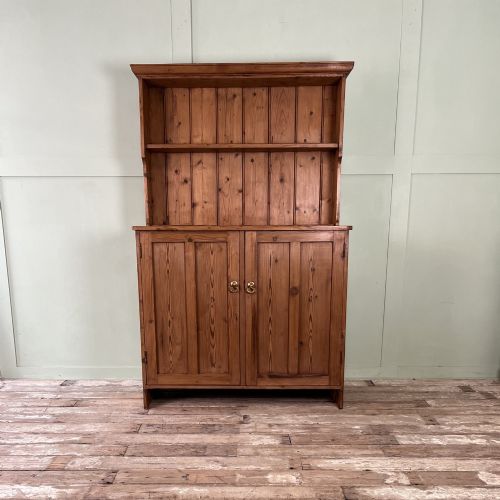
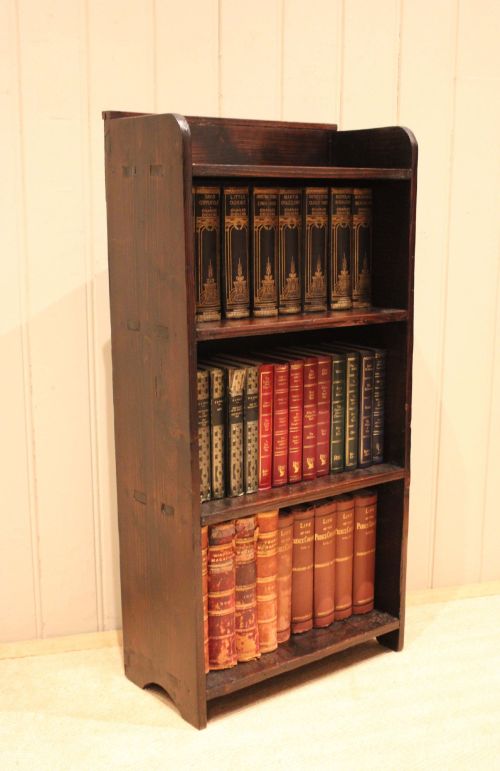
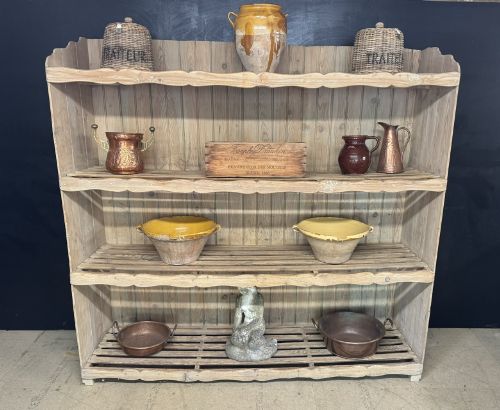
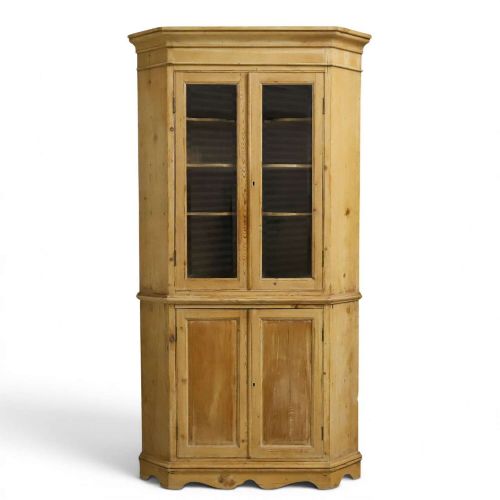
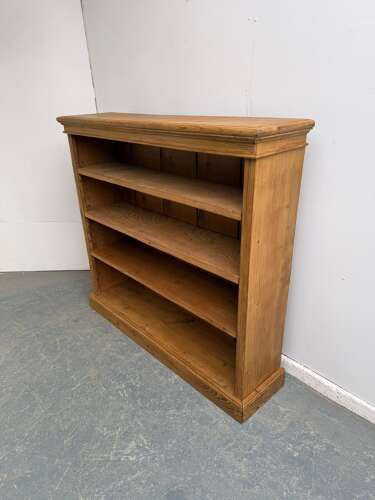
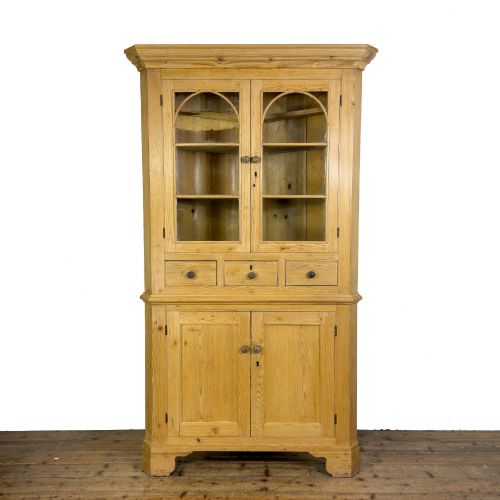
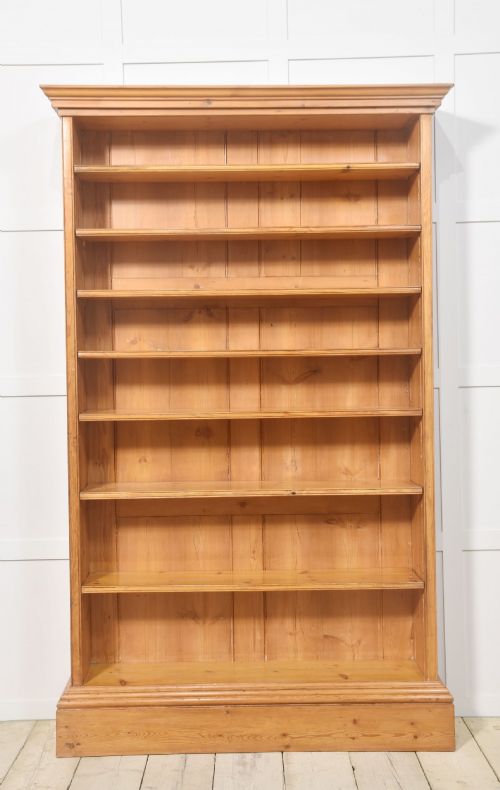
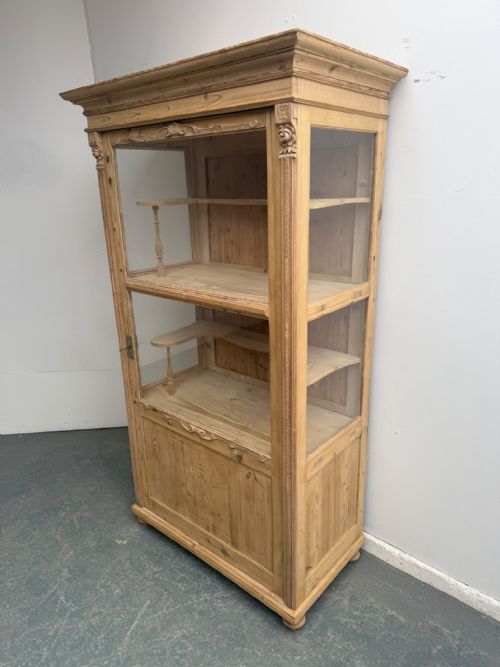
A rustic pine display unit encompasses open bookcases, corner cabinets, glazed display cabinets, kitchen dressers, and shop fittings made primarily from pine and deal wood. These pieces span from the eighteenth century through the Victorian and Edwardian eras into the early twentieth century.
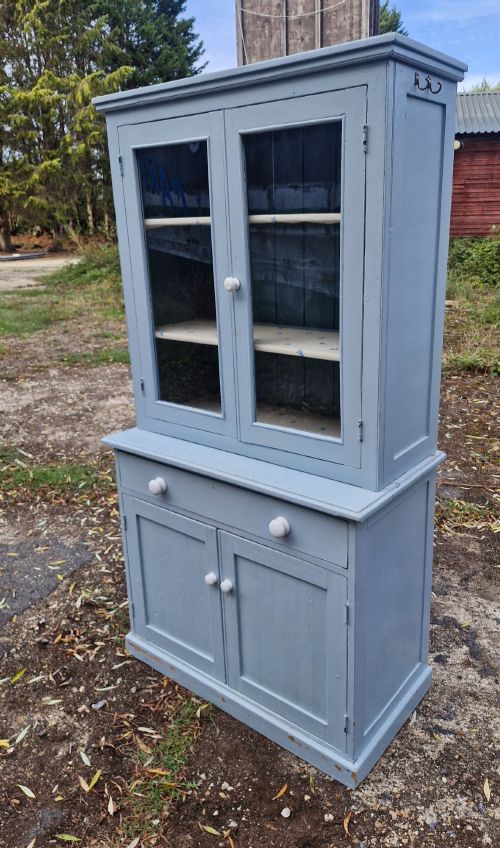
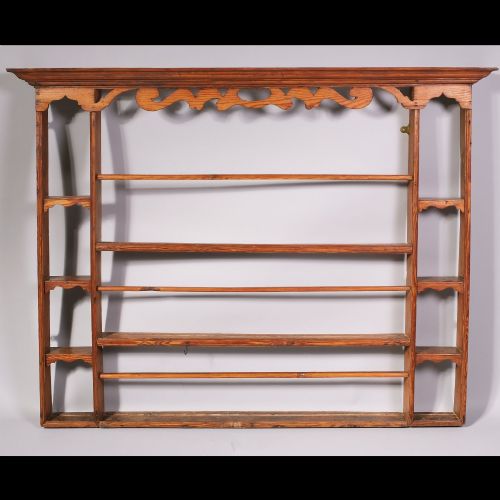
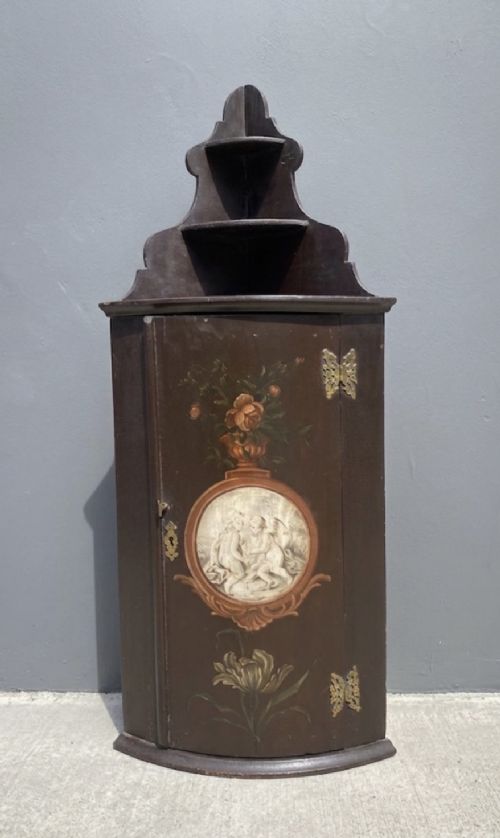
Open bookcases and corner cupboards dominate the available forms, often featuring simple lines associated with rustic country, farmhouse, and folk art traditions. Buyers encounter items ranging from compact wall shelves to tall two-part cupboards with glass doors.
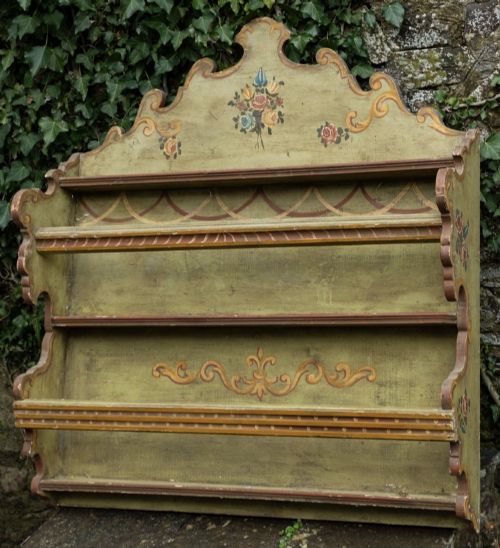
Origins vary across English, French, and Hungarian workshops, reflecting utilitarian domestic and commercial needs. Pieces may appear in bare stripped wood or retain historical painted surfaces.
Materials and construction
Construction relies heavily on solid pine and deal wood, chosen for accessibility and workability in regional workshops. Joinery is straightforward, serving functional purposes in kitchens, shops, and parlours.
Surface treatments range from clear wax finishes to historical coats of paint, including white and decorative hand-painted schemes. Metal hardware such as brass and iron appears on hinges, pulls, and fittings.
Glass is integrated into doors and upper sections to protect contents while maintaining visibility, particularly in corner cabinets and bookcases.
Hungarian shop fittings bring unexpected charm to British homes, having traded textile bolts before retiring to parlour duty.
Assessing quality and character
Quality shows in the integrity of the timber selection and the retention of original surfaces, whether bare waxed wood or early paint. Pieces with untouched patination and honest signs of age hold greater interest than heavily altered examples.
Proportion and scale distinguish finer regional pieces from utilitarian work, particularly in two-part cupboards and architectural corner cabinets. Well-balanced cornices and clean glazing bars elevate standard furniture into notable examples of country craftsmanship.
The Rustic Pine Display Unit Glossary
- Pine
- A softwood commonly used in British and European vernacular furniture for its availability and ease of working. It takes wax, stain, and paint readily.
- Deal wood
- A historical term for fir or pine timber used extensively in utilitarian furniture and shelving units. It forms the basis of many robust country pieces.
- Corner cabinet
- A storage piece designed to fit snugly into the corner of a room, saving floor space while displaying ceramics or books. Examples appear in one-part and two-part formats.
- Shop fitting
- Fixtures and furniture originally built for commercial premises rather than domestic interiors, often constructed with sturdy pine for daily use.
- Plate rack
- Wall-mounted or standing framework designed specifically to hold plates upright for drying or display. These functional items form part of traditional kitchen furniture.
Rustic Pine Display Unit: Frequently Asked Questions
How do I clean a pine display unit?
Dust regularly with a soft, dry cloth to prevent dirt accumulation on waxed or painted surfaces. Avoid harsh chemical cleaners that strip the historic finish or dry out the timber.
Apply a traditional beeswax periodically to nourished waxed pine surfaces, rubbing it gently into the wood. Painted pieces require only a damp cloth with mild soap, dried immediately afterwards.
Can I paint an unpainted pine cabinet?
Many historical pine pieces were painted originally, and repainting is an established tradition for country furniture. Consider whether the wood has a desirable stripped finish or old patination before applying new coats.
If the piece already has modern finishes or damaged surfaces, clean and lightly sand the wood to provide a key for new paint. Using traditional earth-based or milk paints helps maintain an appropriate historic aesthetic.
Where should I place a corner cabinet?
Corner cabinets make effective use of neglected room junctions, drawing the eye into otherwise empty spaces. They work well in dining rooms, kitchens, and hallways for displaying glassware and books.
Keep wooden furniture away from direct heat sources such as radiators and open fires to prevent the pine from warping or splitting. Stable room temperatures preserve the structural integrity of older timber.
What is the difference between deal and pine?
Deal is simply an older term applied to fir or pine timber imported from northern Europe or sourced locally. Cabinetmakers used the terms interchangeably for softwoods in utilitarian furniture.
Both materials weather similarly, developing a rich patina through handling and age. The distinction lies primarily in historical trade terminology rather than a different botanical species.