

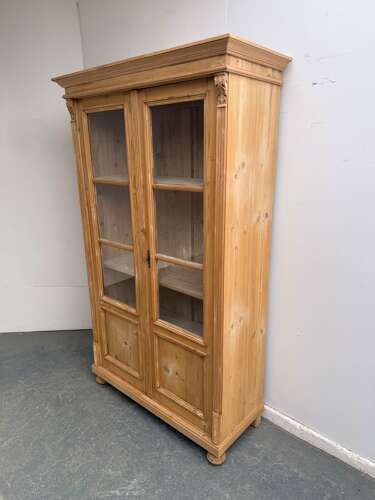
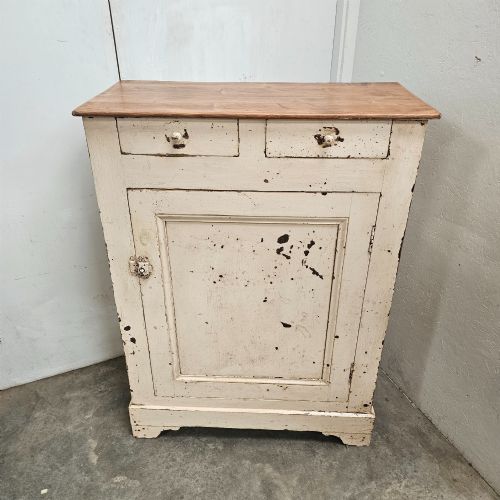
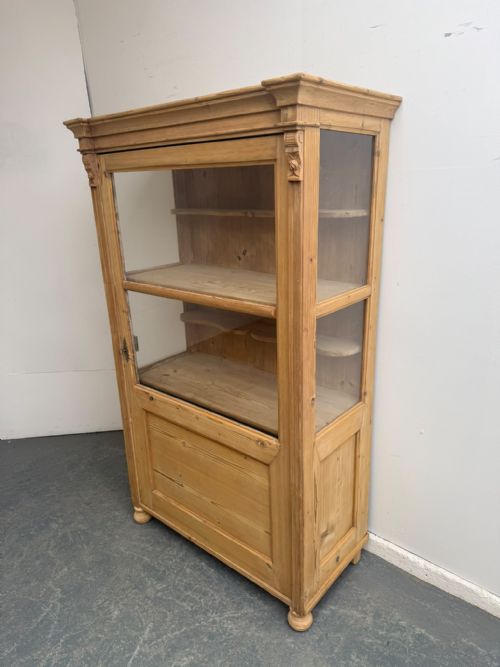
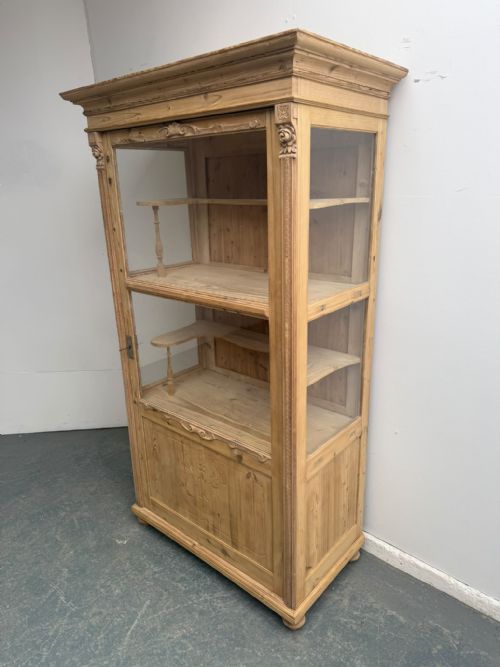
Freestanding Pine Cabinet
A freestanding pine cabinet brings honest utility and warmth to a room, offering practical storage built from robust domestic timber.
Freestanding Pine Cabinet
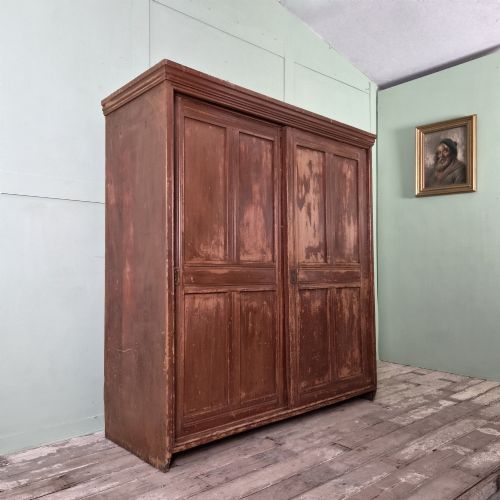
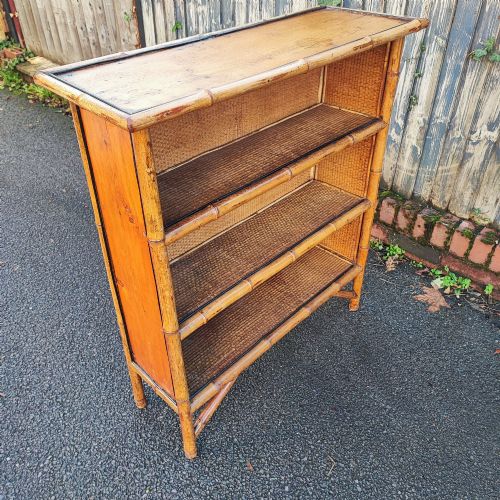
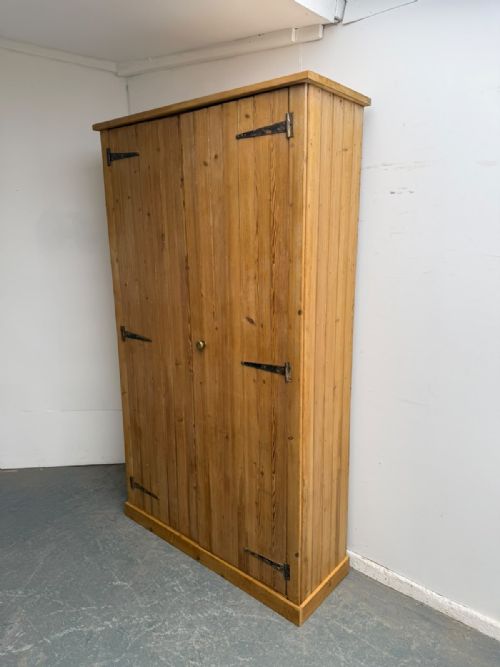
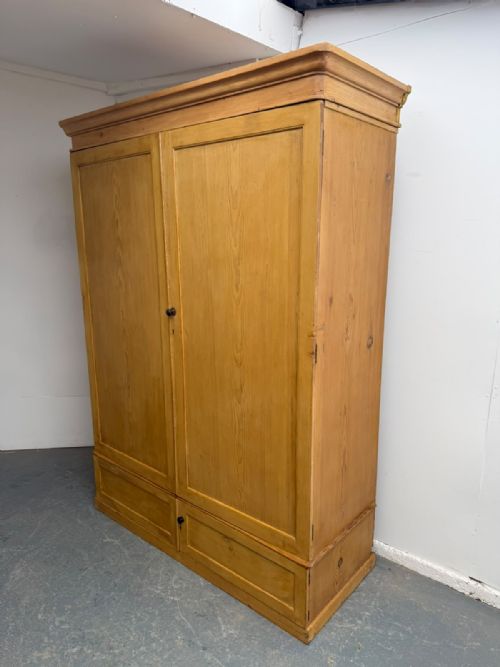
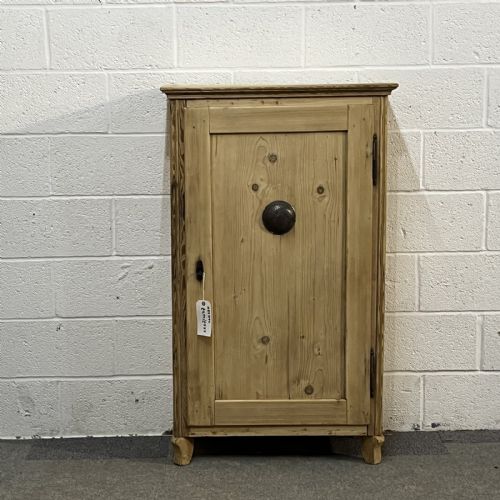
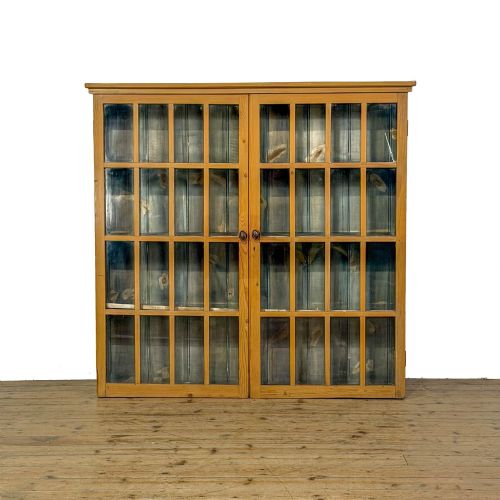
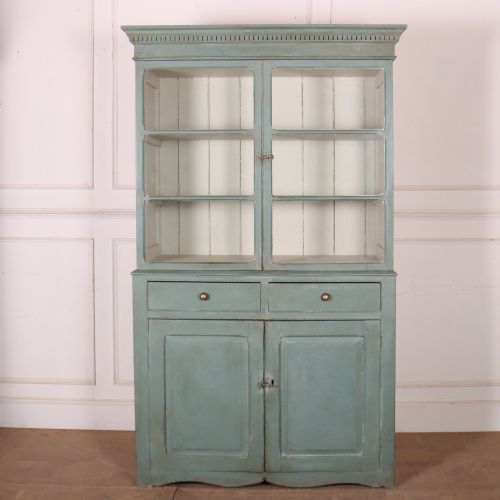
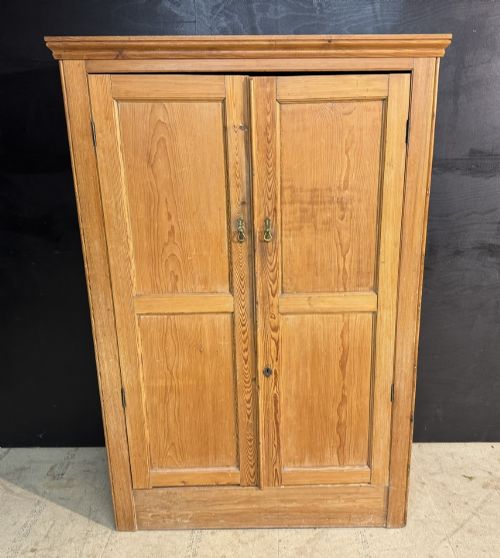
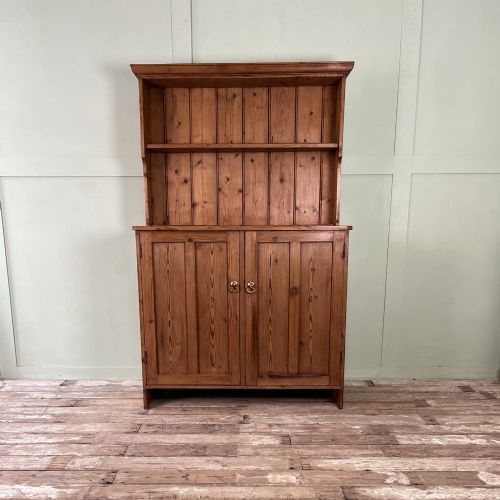
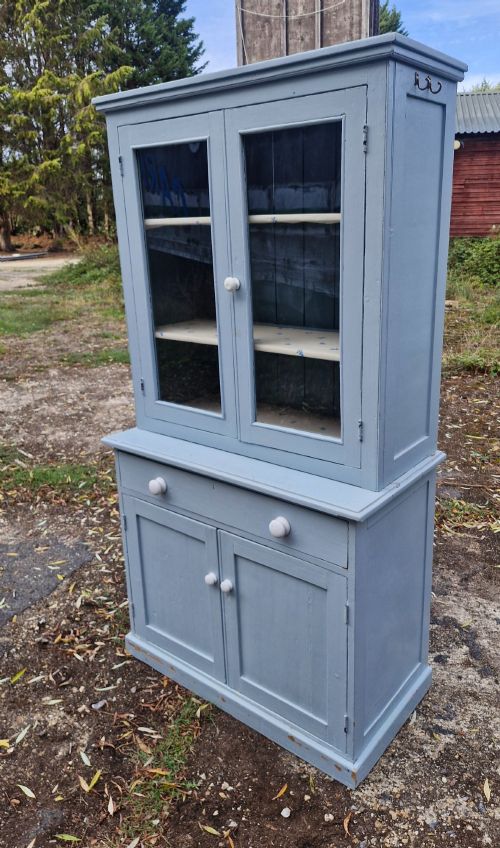
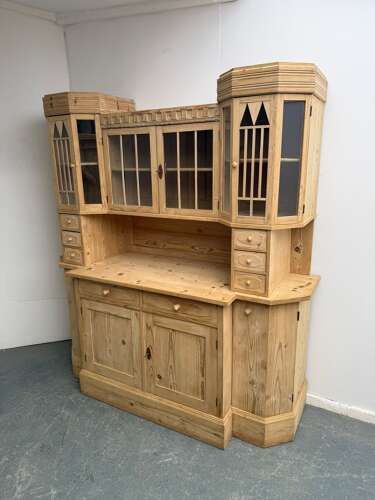
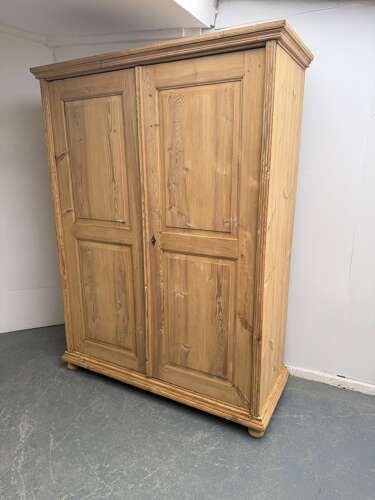
A freestanding pine cabinet is a versatile storage piece designed to stand independently against a wall without fitted installation. When searching for a freestanding pine cabinet, buyers encounter diverse forms ranging from larder cupboards and kitchen dressers to glazed bookcases and wardrobes.
The selections span several periods, with Victorian examples and nineteenth-century pieces appearing frequently alongside Georgian, Edwardian, and twentieth-century variations. Regional styles such as Scottish, English, and French Provincial point to diverse domestic origins.
Makers utilised these cabinets for everyday storage in domestic, shop, and institutional settings. Pieces range from single-door storage cupboards to massive multi-door configurations and two-part kitchen dressers.
Materials and construction
Makers constructed these pieces primarily from pine and pitch pine, occasionally selecting hardwoods for structural support or internal fittings. Iron and brass hardware such as hinges, handles, and locks secure doors and drawers.
Surfaces receive various finishes, including applied paint, original paint, and wax treatments. Glazed cabinets incorporate glass panels within wooden framing to display contents.
Joinery techniques accommodate the natural movement of softwood timber across panels and frames. Knockdown constructions facilitate transport and assembly in larger wardrobe and bookcase formats.
Freestanding Pine Cabinet Retail Price Guide 2026
Typical asking prices for freestanding pine cabinet among the pieces listed under this phrase on Sellingantiques today, from the lower quarter to the upper quarter. They describe what is for sale here now, not the wider market.
Several kitchen cupboards retain original ventilation vents designed to keep yesterday's bread and cheese fresh before modern refrigeration.
What separates the tiers of quality
Quality rests upon the integrity of the original construction and the preservation of surface finishes. Pieces retaining original paint or authentic period hardware hold greater material authenticity than those stripped or heavily altered.
Proportion and scale distinguish finer workshops from utilitarian utility pieces. Well-considered detailing, such as fielded panels, beaded mouldings, and balanced door arrangements, elevates the standing of a cabinet.
Timber selection plays a role, with dense pitch pine or carefully chosen straight-grained softwoods offering superior stability. The survival of functional internal elements like adjustable shelving and wine racks adds practical merit.
The Freestanding Pine Cabinet Glossary
- Pitch pine
- A dense, resinous softwood timber utilised for durable cabinet construction. It often displays a pronounced grain pattern.
- Fielded panel
- A central wooden panel with bevelled edges designed to fit within a surrounding frame. This technique accommodates seasonal wood expansion.
- Larder cupboard
- A tall storage piece traditionally ventilated for food preservation. These often include internal shelving and mesh or slatted panels.
- Breakfront
- A furniture configuration where the central section projects forward from the flanking wings. This format frequently appears on large kitchen dressers.
- Confiturier
- A small French jam cupboard designed for domestic storage. These pieces typically feature a single door above or below a small drawer.
Freestanding Pine Cabinet: Frequently Asked Questions
How do I clean a waxed pine cabinet?
Dust the surface regularly with a soft, dry cloth to prevent dirt buildup.
Apply a traditional beeswax polish sparingly when the wood appears dry, then buff gently with a clean cloth.
Can I paint a stripped pine cupboard?
Preparation requires lightly sanding the bare timber to create a suitable key for the paint.
Apply a breathable primer followed by traditional eggshell or chalk paints to achieve an even finish.
Are these cabinets difficult to assemble?
Many larger wardrobes and bookcases utilise knockdown construction designed for straightforward dismantling and rebuilding.
Marking internal components during disassembly ensures alignment when setting up the piece in a new room.
Where were these cupboards originally used?
Households placed them in kitchens, hallways, and bedrooms for general storage of linens, food, and clothing.
Commercial and institutional examples also served in shops, schools, and chapels for administrative or stock storage.
How do I identify a Victorian pine piece?
Examine the construction methods, nail types, and hardware for manufacturing traits characteristic of the nineteenth century.
Styles from this era often feature heavier proportions, applied beadwork, and robust structural framing.