
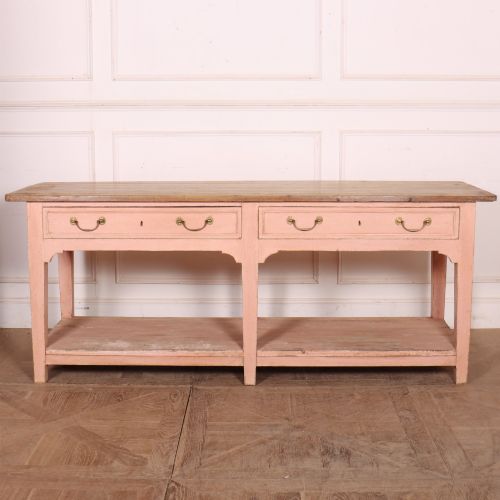
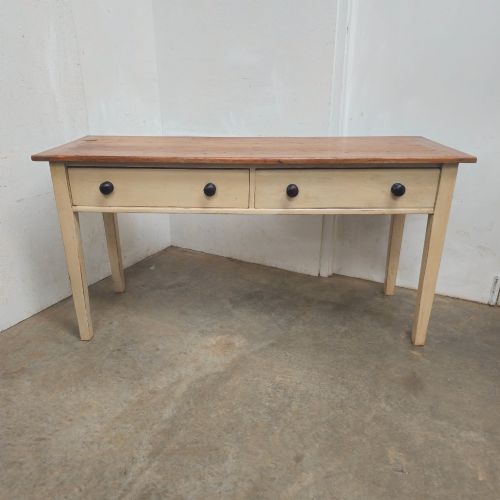
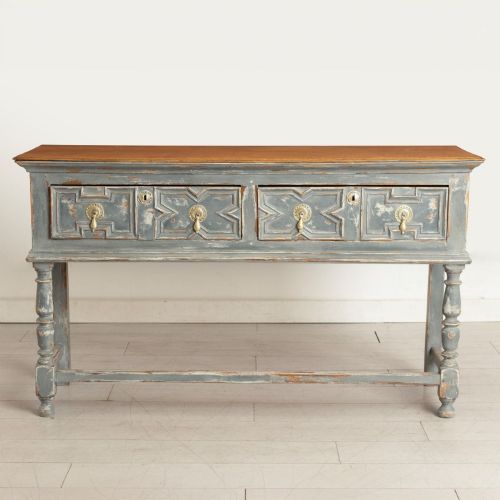
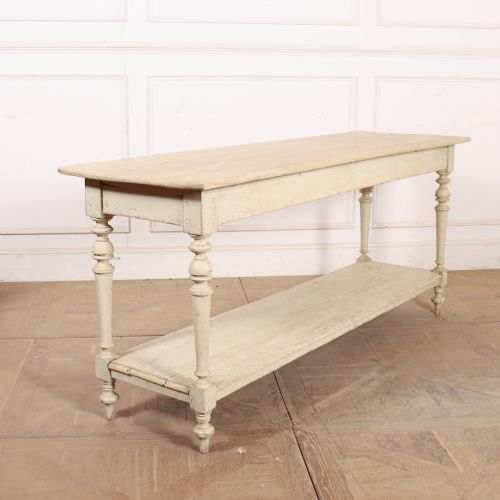
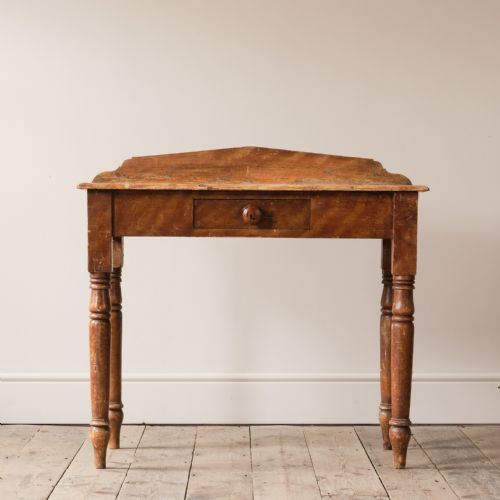
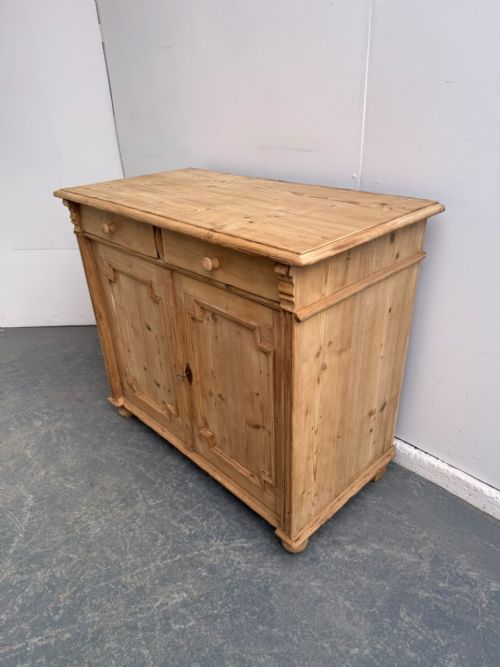
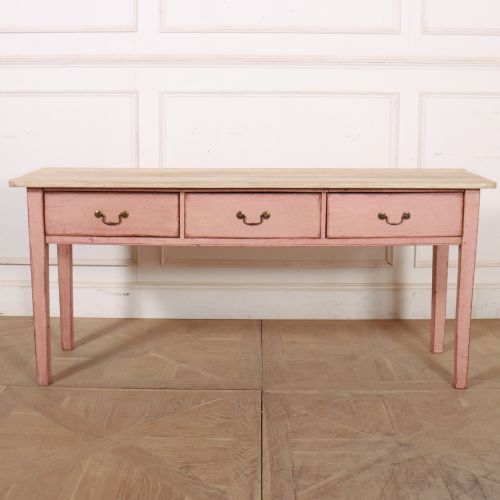
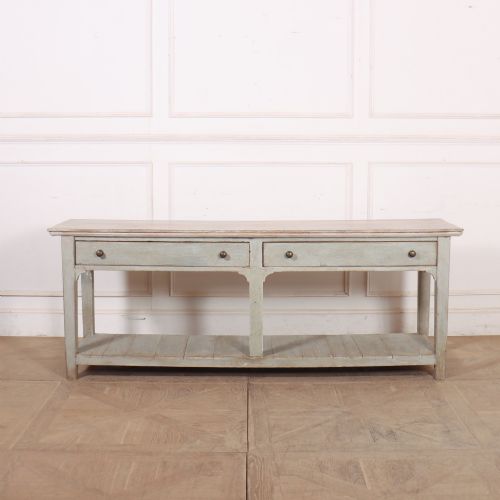


Rustic Painted Server Table
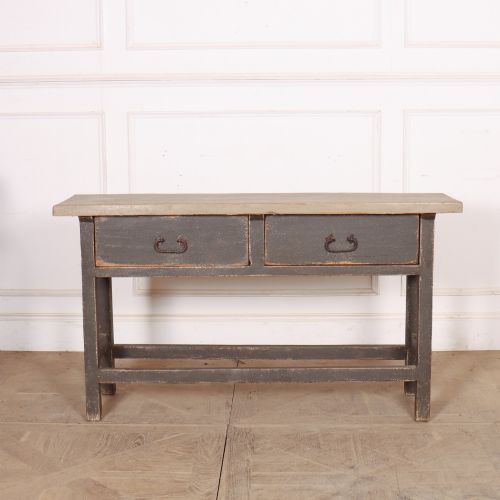
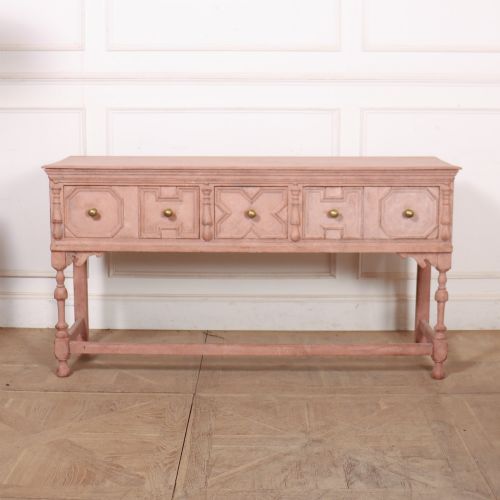
A rustic painted server table provides robust utility and character, combining utilitarian pine or oak construction with historic painted surfaces.
Rustic Painted Server Table
A rustic painted server table is a utilitarian form designed for food preparation and storage, encompassing servers, dresser bases, and console tables. These pieces emerge from domestic and country contexts, serving practical functions in kitchens, dining spaces, and pantries.
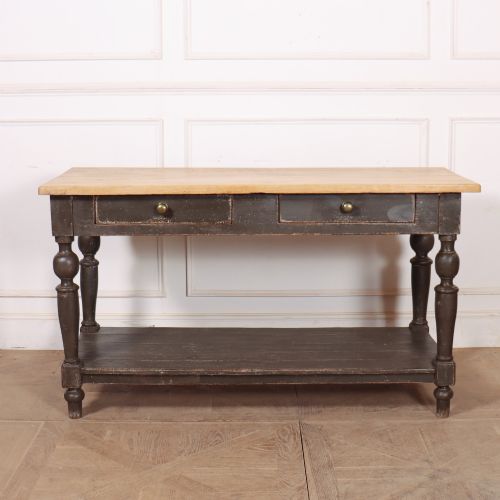
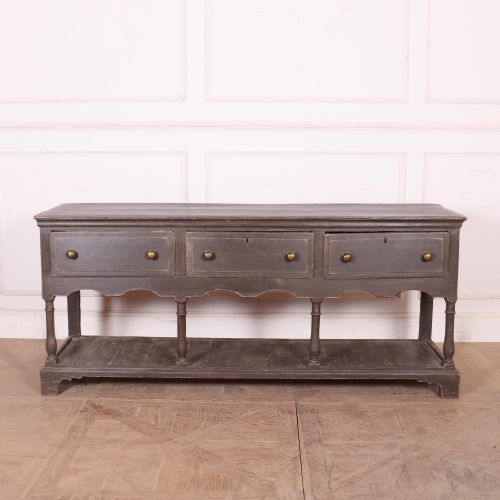
The selections on this page span the eighteenth, nineteenth, and early twentieth centuries, originating from English, Scottish, Welsh, French, and Swedish workshops. Forms vary from potboard bases and drapers tables to narrow sideboards and serving tables.
Pine and oak predominate as the primary structural materials, frequently coated in historic or later painted finishes. Buyers encounter pieces styled in English country, French provincial, and Victorian rustic traditions.
Materials and construction methods
Makers utilised solid timbers like pine and oak, constructing sturdy frames capable of supporting heavy domestic tasks. Joinery relied on traditional methods suited to hardworking furniture, including pegged joints and dovetailed drawers.
Surfaces received layers of paint, often applied to protect the wood or adapt the furniture to changing domestic interiors. Brass and metal fittings such as drawer pulls complete the construction details.
Geographic origins represented include English, Scottish, Welsh, French, and Swedish domestic traditions.
Evaluating quality and authenticity
Quality rests in the integrity of the timber and the honesty of the surface finish, whether original paint or weathered patination. Superior examples retain their structural soundness without excessive timber replacement.
Proportion and scale distinguish finer pieces, where drawer arrangements and potboard lower shelves balance utility with aesthetic presence. The depth of wear across working surfaces records the history of use.
The Rustic Painted Server Table Glossary
- Dresser base
- A lower sideboard or cabinet featuring drawers and frequently a lower potboard shelf, traditionally used in kitchens for food preparation and storage. These form a major category of serving tables.
- Potboard
- An open slatted lower shelf fitted between the legs of a dresser base or serving table, designed for storing pots and pans. This practical feature defines many country pieces.
- Drapers table
- A long, narrow console or work table originally utilised in textile shops for folding cloth, now prized as a serving surface. They often incorporate multiple drawers.
- Bread slide
- A pull-out wooden shelf integrated into a dresser base or server, historically used for cooling bread. It adds functional depth to the piece.
- Original paint
- A surface finish applied during the period of manufacture that has survived largely unaltered. It provides visual character and historical value.
Rustic Painted Server Table: Frequently Asked Questions
What is a rustic painted server table used for?
These pieces function well as sideboards, console tables, or serving stations in modern kitchens, dining rooms, and hallways. Their surface area accommodates serving dishes while lower shelves or drawers offer practical storage.
Historically built for hardworking domestic spaces, they bring grounded utility and historic character to contemporary living areas.
How do I identify the period of a server table?
Dating relies on construction methods, timber selection, and stylistic details typical of the eighteenth, nineteenth, or early twentieth centuries. Eighteenth-century examples often display simpler hand-planed boards and pegged joints.
Later Victorian and Edwardian pieces incorporate machine-sawn elements alongside traditional joinery. Comparing drawer construction and hardware helps confirm the era.
Are painted finishes on these tables original?
Surfaces range from original period paint to later historic coats applied during the working life of the furniture. Examining the layers reveals how the piece adapted to different domestic interiors over time.
Honest patination, minor flaking, and signs of wear distinguish genuine historic paint from recent decorative applications.
How do I care for antique pine furniture?
Protect the painted or waxed timber surfaces by avoiding direct sunlight and excessive moisture. Use coasters and dry cloths for routine dusting rather than harsh chemical cleaners.
Maintaining stable indoor humidity prevents the historic pine or oak from warping or cracking over the years.