
Rustic Painted Pine Chest
A rustic painted pine chest brings enduring folk character and practical storage to a room through genuine period pigment and honest timber construction.
Rustic Painted Pine Chest
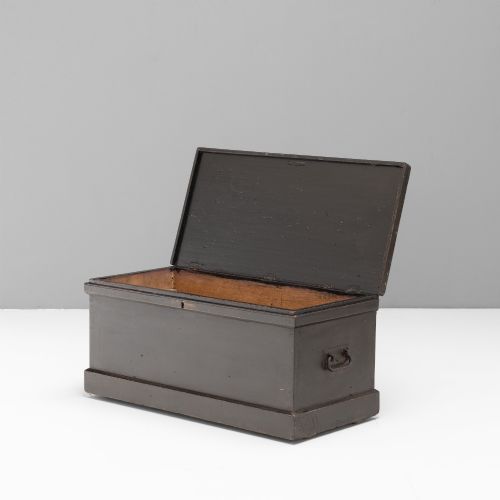
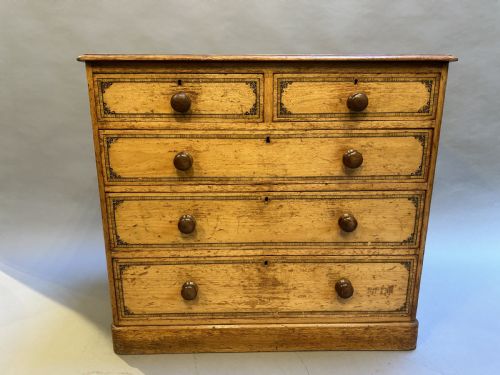
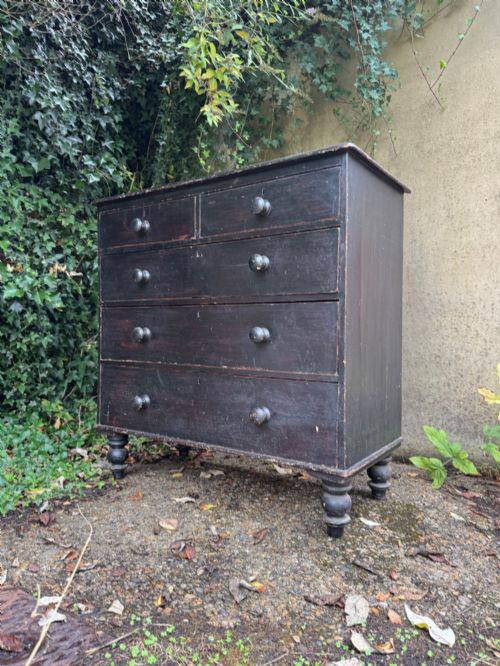
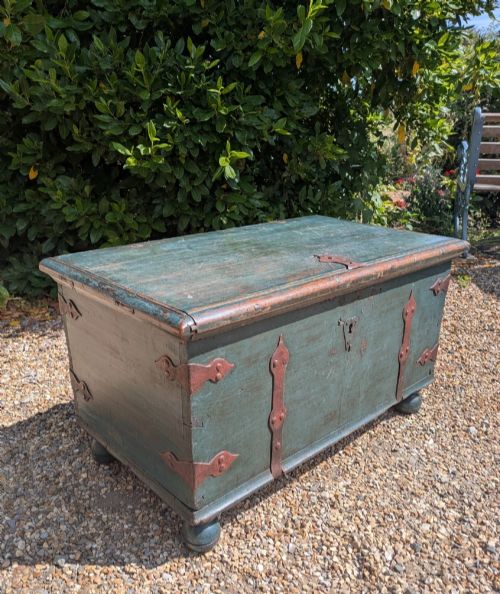
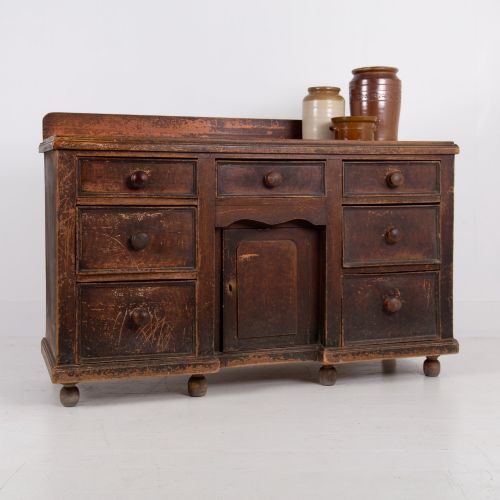
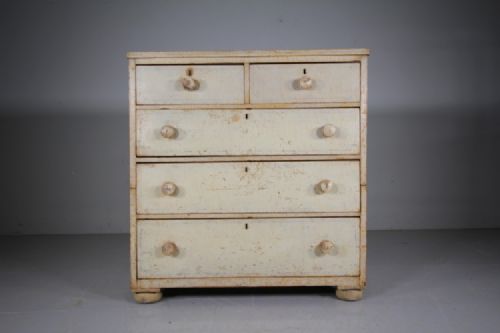
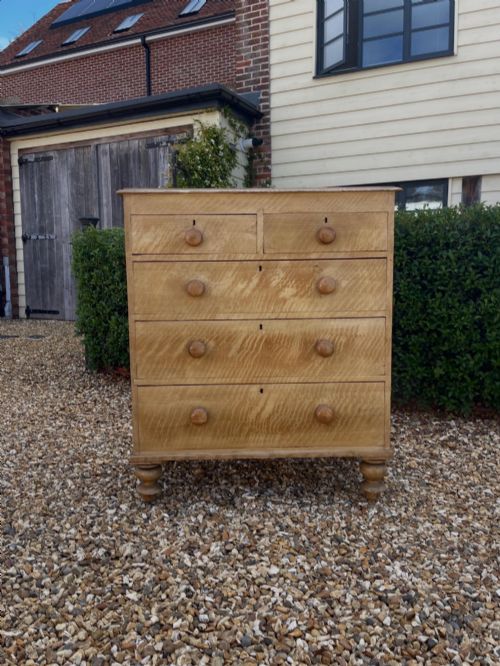
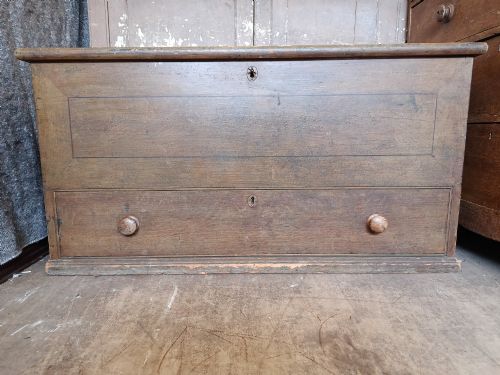
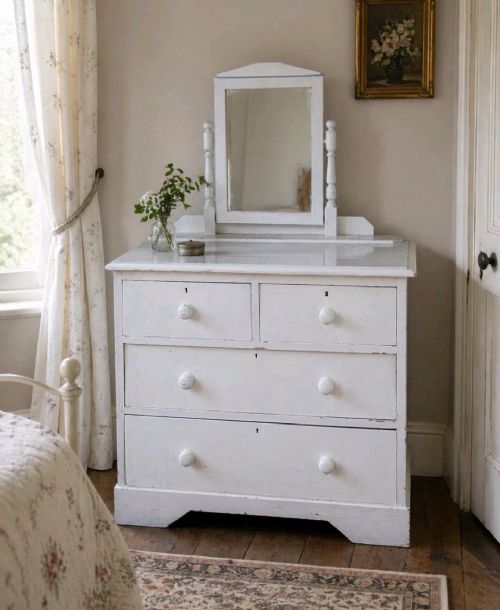
A rustic painted pine chest encompasses versatile storage forms ranging from multi-drawer chests and mule chests to lidded blanket boxes and dome top trunks. These pieces emerge primarily from nineteenth-century contexts, including Victorian, Regency, and Georgian periods, alongside specific regional traditions from Hungary, Sweden, and the Netherlands. Buyers encounter standard drawer configurations as well as deep coffer boxes intended for household linens and travel.
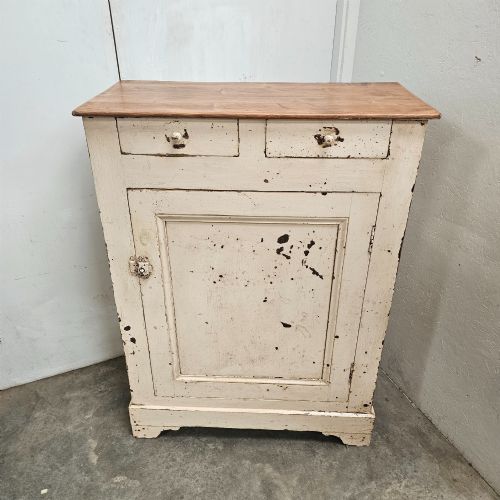
The aesthetic bridges formal English country furniture and broader European folk art movements, displaying regional palettes from soft greys and blues to deep blacks and greens. Alongside traditional chests, related storage items such as housekeepers cupboards, jam cupboards, and wall cupboards appear within the inventory. The overriding design priority remains robust utility combined with surface decoration that reflects its original domestic or rural environment.
Materials and Technique
Construction relies upon solid pine timber, selected for its availability and workability, fashioned into carcasses, dovetailed drawer boxes, and planked lids. Cabinet makers utilised hand forged iron strapwork, brass fittings, and ceramic elements to reinforce corners and provide functional hardware. Surfaces received original paint treatments, scumble glazes, or stencilled details that sealed the wood while adding decorative colour.
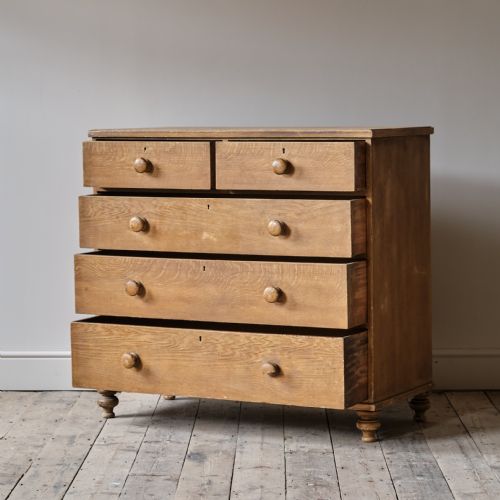
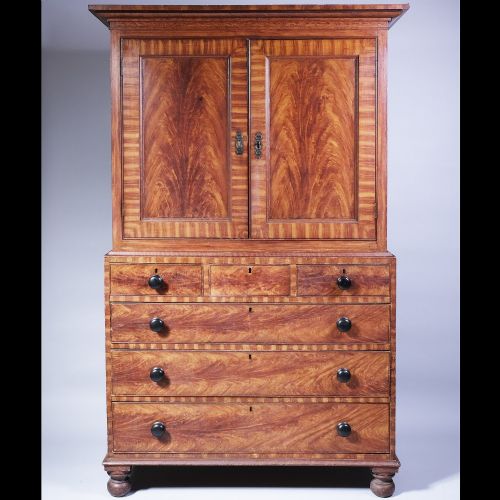
Joinery methods reflect period workshop practices, with many larger chests of drawers constructed in two separate parts for easier transport. Hinged lids on blanket boxes and trunks employ durable iron hinges, whilst dome top designs utilise internal framing to support curved upper sections. Original paint layers often survive beneath subsequent decorative campaigns, recording the working life of each piece.
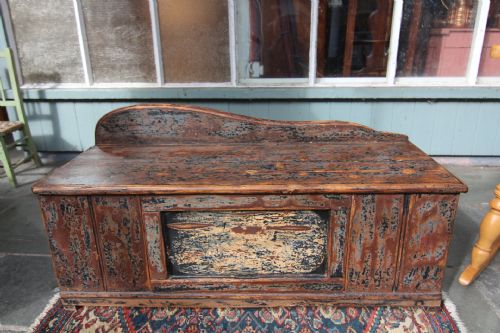
A three-seater box settle in bright blue proves our ancestors occasionally required seating that doubled as a hiding place for boots.
Assessing the Surface and Structure
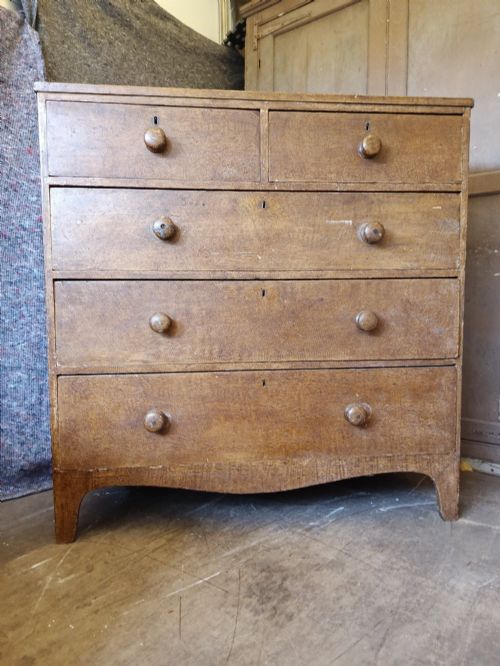
Quality rests significantly upon the survival and integrity of the original paint surface rather than pristine modern repainting. Examples retaining their untouched scumble glazes, stencilling, or historic colour schemes demonstrate superior historical value compared to stripped or heavily restored exteriors. The depth of patina built across decades of domestic use distinguishes a genuinely aged surface from recent decorative efforts.
Structural soundness and the preservation of original hardware, including hand forged iron strapwork and period drawer pulls, dictate overall standard. Pieces that retain their original feet, backing boards, and operational locking mechanisms without excessive timber replacement hold greater authenticity. The harmony between the vernacular proportions and the integrity of the pine carcass completes the assessment.
The Rustic Painted Pine Chest Glossary
- Scumble painted
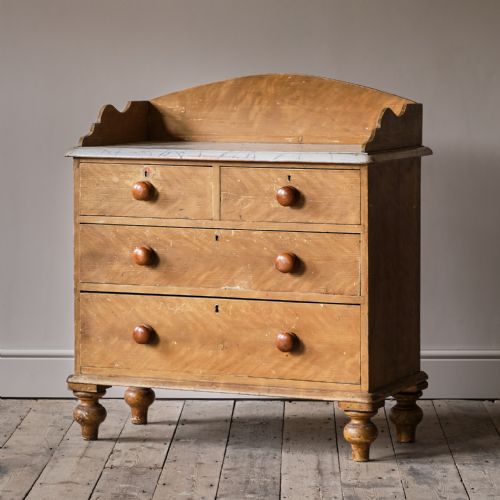
- A decorative technique involving the manipulation of a translucent top glaze over a lighter base coat to simulate wood grain or create textured patterns. This method appears frequently on nineteenth-century country furniture.
- Mule chest
- A traditional storage form combining a drawer or drawers beneath a lidded compartment box. It bridges the evolution between the simple chest and the multi-drawer chest of drawers.
- Strapwork
- Flat strips of metal, typically hand forged iron, applied across the exterior of trunks and chests to reinforce structural joints and corners. It provides both utility and decorative contrast against the painted pine body.
- Coffer
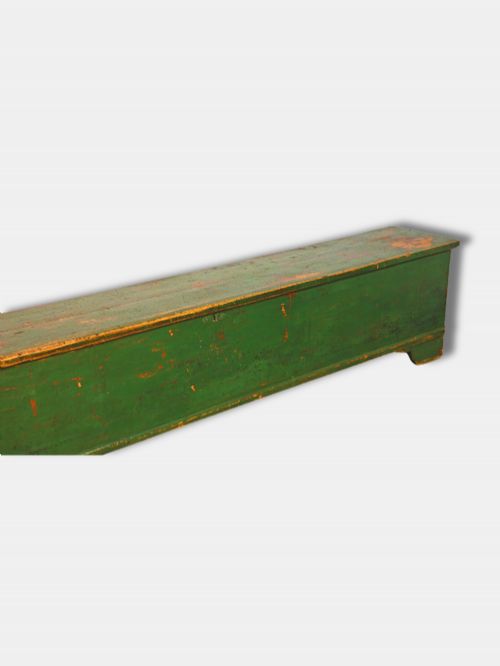
- A heavy wooden box with a hinged lid traditionally used for storing valuables, textiles, or documents. These pieces often feature robust plank construction and early joinery techniques.
- Confiturier
- A specialised French jam cupboard designed for domestic food storage. These compact cabinets typically feature single doors and enclosed shelving suitable for smaller spaces.
Rustic Painted Pine Chest: Frequently Asked Questions
How do I care for painted pine furniture?
Maintain painted pine surfaces by dusting gently with a dry, soft cloth and avoiding harsh chemical cleaning agents that can degrade historic pigment layers. Keep pieces away from direct heat sources and severe humidity fluctuations to prevent timber movement and paint flaking.
Apply occasional natural wax finishes only where the bare wood is exposed, taking care to preserve the integrity of surrounding original paintwork. Gentle handling of hinges, drawers, and lids ensures the longevity of period joints.
Were these chests made in two parts?
Larger chest of drawers designs were frequently constructed in two separate stacking sections to facilitate transport across difficult terrain and narrow staircases. This modular approach allowed households to move heavy furniture between rooms or during relocations with greater ease.
Examining the dividing line horizontally across the carcass reveals this practical nineteenth-century construction method. Both sections typically share matching timber grain, paint layers, and hardware style.
What is scumble paint?
Scumble paint involves applying a translucent glaze over a solid painted base and manipulating the wet top layer with combs, brushes, or rags to create mottled or figured patterns. Makers employed this technique to imitate more expensive exotic hardwoods or to add rich texture to plain pine.
Over decades of use, this technique develops a characteristic soft sheen and patina. Surviving examples showcase the skill of regional painters working outside urban centres.
How can I tell regional folk styles apart?
Regional folk styles reveal themselves through distinctive colour palettes, specific joinery traits, and local hardware choices. Scandinavian pieces often feature lighter painted finishes and traditional floral motifs, whilst Hungarian examples frequently utilise darker black or green grounds.
English and Dutch pieces tend toward utilitarian forms with robust ironwork and scumble glazed surfaces. Studying the construction details alongside the decorative palette clarifies the geographic origin of each item.