

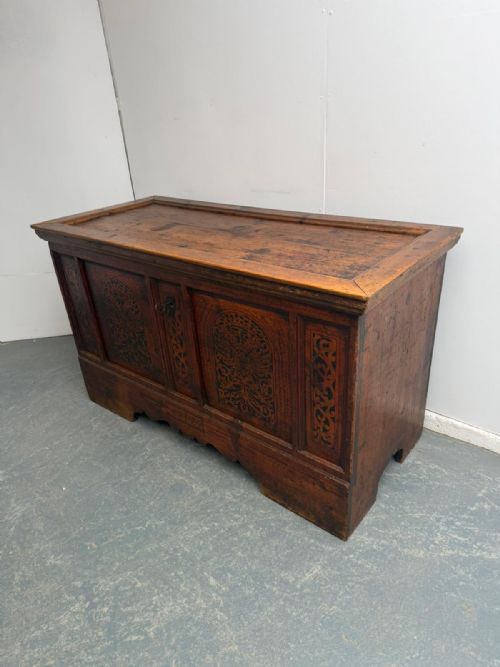


Hungarian Folk Art Chest
A hungarian folk art chest brings bold colour and regional charm to a room, offering both robust storage and traditional craftsmanship.
Hungarian Folk Art Chest
When you search for a hungarian folk art chest, you are looking at substantial wooden storage pieces originating from Central Europe, often finished with vibrant surface decoration. These items range from compact boxes and blanket boxes to large coffers, mule chests, cupboards, and chests of drawers.
On this page, you are most likely to meet pieces dating from the Georgian, Regency, and Victorian periods, alongside items from the nineteen-ten era. They span styles described as European folk art, continental folk art, and specifically Hungarian folk art.
The forms vary considerably in scale, from small painted boxes to massive coffer boxes and multi-drawer cupboards. Each object displays the distinctive decorative traditions of its region, combining practical utility with expressive surface design.
Materials and construction
These items are constructed primarily from pine, providing a sturdy and reliable carcass for the various forms of storage furniture. Woodwork is assembled with traditional jointing techniques suited to utilitarian domestic items.
Surface decoration relies heavily on paint applied directly to the timber, often featuring floral motifs and polychrome schemes. Iron and brass hardware, including hinges, locks, and handles, provide both structural reinforcement and functional detail.
Some examples incorporate ceramic elements to complement the primary woodwork and painted finishes. The combination of painted pine and utilitarian metalwork defines the physical character of these pieces.
Materials recorded across the selection include pine, paint, iron, brass, and ceramic.
Assessing quality in folk furniture
Quality in these pieces rests primarily on the preservation and originality of the painted surface decoration. Pieces retain varying degrees of their early or original pigment, which directly influences their visual impact and character.
The complexity and scale of the construction also differentiate items within the range. A massive coffer or a multi-drawer cupboard requires more sophisticated joinery than a simple small box.
The integration of hardware, such as brass and iron fixtures, contributes to the overall integrity of the piece. Well-preserved decorative details separate standard utilitarian boxes from more expressive examples of regional craft.
The Hungarian Folk Art Chest Glossary
- Pine
- A softwood commonly utilised for the construction of regional European furniture and storage boxes. It provides a stable base for painted decoration.
- Coffer
- A large wooden chest traditionally used for storing valuables, linens, or household goods. These pieces often feature hinged lids and robust iron or brass fastenings.
- Mule chest
- A storage chest distinguished by the addition of one or more drawers beneath the main compartment. This form bridges the traditional coffer and the chest of drawers.
- Polychrome
- The practice of decorating architectural elements or furniture in a variety of colours. In these pieces, it refers to the application of multi-coloured floral and geometric painted designs.
- Regency
- A period in British design and architecture spanning the early nineteenth century, used here to date continental pieces sharing stylistic parallels. Items from this era reflect classical influences adapted to regional vernacular work.
Hungarian Folk Art Chest: Frequently Asked Questions
What is a hungarian folk art chest used for?
These chests were historically utilised in rural households for storing textiles, blankets, clothing, and valuable family possessions. Their sturdy construction made them suitable for daily domestic utility.
Today, they function practically as storage furniture while serving as decorative focal points in living spaces, hallways, or bedrooms.
How do I identify the period of a painted chest?
Dating relies on observing construction methods, timber characteristics, and the style of the painted decoration. Pieces associated with the Georgian and Regency eras display specific regional cabinet-making traits.
Later examples from the Victorian period or nineteen-ten incorporate different decorative emphases while maintaining traditional forms such as coffers and cupboards.
Are these chests made of solid wood?
The listings show that these pieces are constructed primarily from pine, a durable softwood. This material was widely available and easy to work with for regional carpenters.
The solid timber provides a stable foundation for the heavy painted finishes and iron or brass hardware.
How should I care for a painted wooden chest?
Preserving the original painted surface requires keeping the piece away from direct sunlight and fluctuating humidity. Gentle dusting with a dry cloth is sufficient for routine maintenance.
Avoid using harsh chemical cleaners or modern polishes that might damage the historic pigment on the pine surface.