


Folk Art Painted Drawers
These folk art painted drawers bring tactile, vernacular charm into a room, offering practical storage alongside distinct, decorated surfaces.
Folk Art Painted Drawers
When you search for folk art painted drawers, you encounter utilitarian storage transformed by decorative brushwork and regional character. The versions most commonly found here range from robust nineteenth century pieces to compact miniatures, chest on chest forms, and cupboards.
Originating across different European regions, these pieces include English, Hungarian, Austrian, and Swedish examples. They span the nineteenth century into the early decades of the twentieth century, taking the form of chests of drawers, commodes, mule chests, and linen presses.
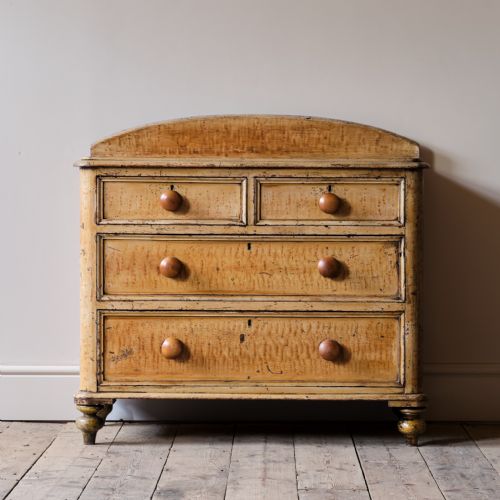
The aesthetic leans heavily into country traditions, encompassing Victorian country, rustic country, and continental folk art styles. Buyers will spot surfaces dressed in original paint, scumble finishes, or simulated birch, reflecting the diverse domestic tastes of their makers.
How they were made
Makers relied primarily on native timber, constructing the carcases and drawers solidly from pine and other accessible woods. Surfaces were then prepared to receive decorative schemes, utilising pigmented paint to alter or enhance the appearance of the grain.
Techniques varied from simple hand-painted coats and scumble glazes to intricate simulated birch finishes and chequered patterns. Iron and brass hardware, alongside ceramic elements, were fitted to secure drawers and doors while complementing the painted exteriors.
Listings feature pine as the primary timber, complemented by brass, iron, and ceramic fittings across various continental folk art styles.
What varies in quality
Quality rests significantly on the integrity of the original decorative surface and how gracefully the timber has aged. Pieces retaining their earliest layers of hand-painted decoration stand apart from those with later overpainting or compromised finishes.
Structural joinery and the retention of period hardware, such as brass or iron pulls, also dictate the standing of a piece. The sophistication of the regional folk art style, whether a bold Hungarian scheme or a subtle Swedish hand-painted finish, marks the distinction between ordinary utility and exceptional decorative work.
GEMLA FABRIKERS
The Folk Art Painted Drawers Glossary
- Scumble
- A technique where a translucent glaze is dragged or manipulated over a base coat to imitate wood grain or create textured depth. This method was widely used on nineteenth-century pine furniture to simulate costlier hardwoods.
- Commode
- A low chest of drawers or cabinet, often of continental European origin. In the context of folk art, these pieces frequently feature decorative painted facades.
- Mule chest
- A traditional storage chest featuring one or two drawers at the base beneath a hinged lid compartment. They combine the storage traits of a blanket chest with those of a chest of drawers.
- Chest on chest
- A tall case piece formed by stacking one chest of drawers directly on top of another slightly larger one. Painted versions elevate this imposing form with decorative patterns across multiple tiers.
- Miniature furniture
- Small-scale versions of full-sized chests, often made by apprentices as masterworks or for display on tabletops. These share the same painted finishes and construction methods as their larger counterparts.
Folk Art Painted Drawers: Frequently Asked Questions
What defines folk art painted drawers?
These pieces combine utilitarian storage, typically in pine or timber, with decorative hand-painted surfaces rooted in regional traditions. They include chests, commodes, and cupboards from various European origins.
The aesthetic relies on original paintwork, scumble glazes, or simulated finishes rather than fine cabinetmaker veneers, celebrating local craftsmanship and domestic utility.
How do I care for original paint surfaces?
Original painted surfaces require gentle treatment, avoiding modern chemical cleaners, harsh abrasives, and excessive moisture. Dusting with a soft, dry cloth helps preserve the historical layers.
Keep these pieces out of direct sunlight and away from rapid temperature shifts to prevent the underlying timber from moving and the paint from flaking.
Where were these painted pieces made?
The selection encompasses pieces made across Britain, Hungary, Austria, and Sweden during the nineteenth and early twentieth centuries. Each region developed distinct painting techniques and colour palettes.
From British scumble pine to Scandinavian and Hungarian painted cupboards, the origins reflect diverse rural European decorative traditions.
How do I distinguish regional folk art styles?
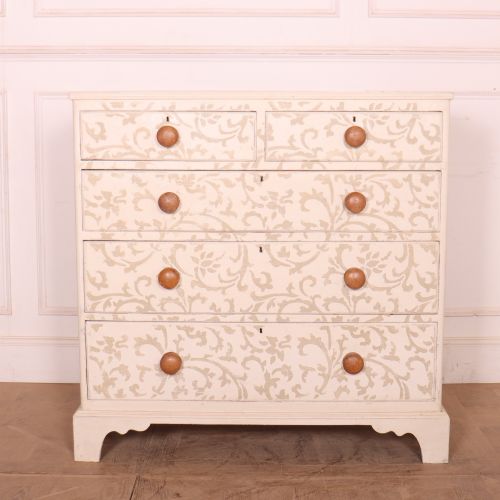
Regional styles appear through specific colour choices, brushwork methods, and motifs applied to the timber carcase. Hungarian pieces often feature vibrant green or floral details, while Swedish examples lean towards lighter, hand-painted treatments.
Examining the construction methods alongside the paint helps connect a piece to its specific country of origin.