




Rustic Painted Mirror
A rustic painted mirror brings age and character to a room, offering both practical reflection and time-worn surface texture.
Rustic Painted Mirror
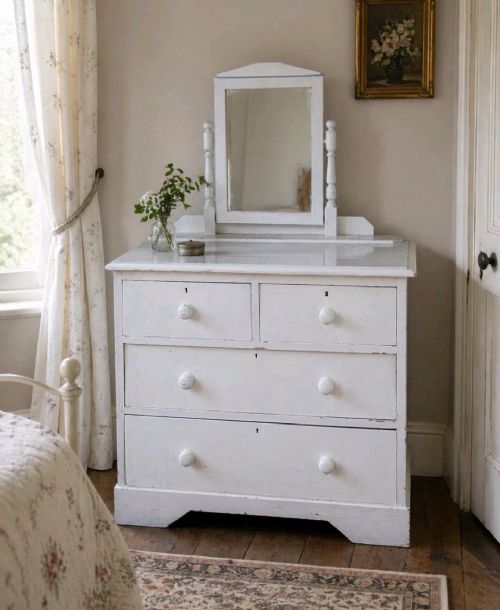
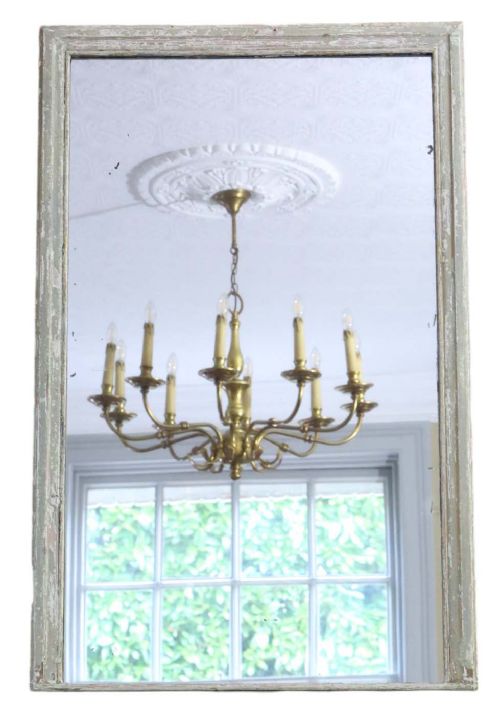
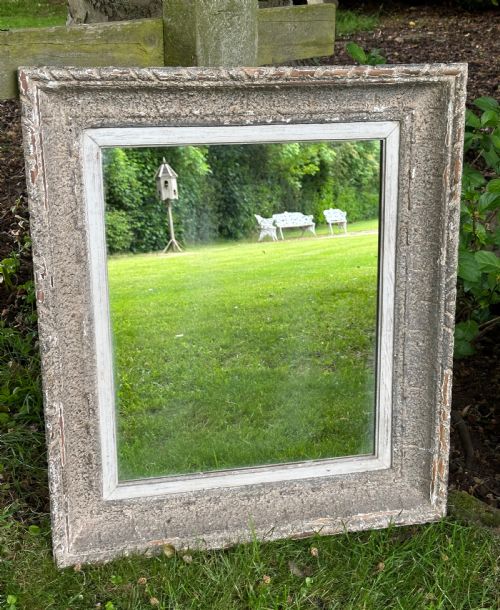
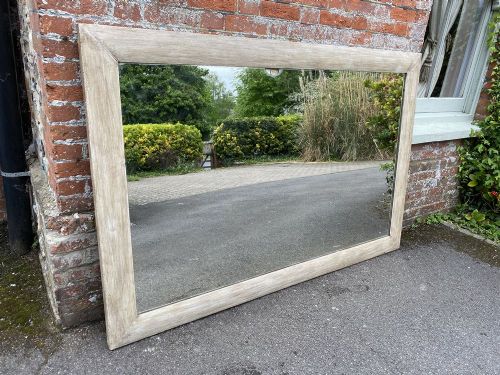
When you search for a rustic painted mirror, you are looking at nineteenth-century wall hanging pieces, overmantels, and dressing tables that combine exposed timber with aged painted surfaces. These items originate from English and French country houses, chateaux, and architectural salvage, capturing a vernacular aesthetic rather than formal court design.
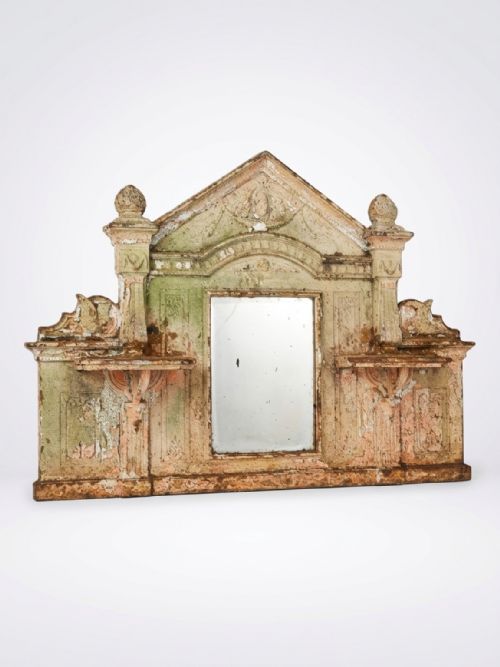
The version you are most likely to meet on this page is a large nineteenth-century wall or overmantel mirror, often featuring carved wood and gesso finished in worn paint. They span several decades from the mid-Victorian era to nineteen hundred, with French country and English country styles appearing frequently among the listings.
How they were made
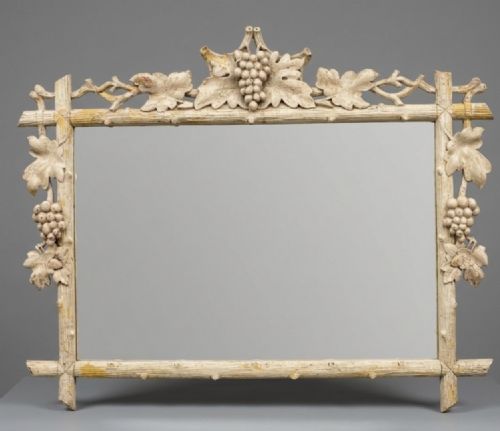
Maker construction relies on solid wood bases, predominantly pine, shaped into architectural forms such as arched tops and window frames. Carved wood details and applied gesso create relief work around the glass plates, providing a textured substrate for the subsequent layers of paint.
Surfaces receive coats of paint that have weathered over decades of use, often showing distress and underlying timber. Some examples incorporate cast iron elements, particularly in structural framing or decorative hardware, adding weight and industrial utility to the domestic items.
Current listings feature items spanning the Victorian era, specifically from eighteen-fifty through to nineteen hundred, constructed from pine, cast iron, and carved wood.
What varies in quality
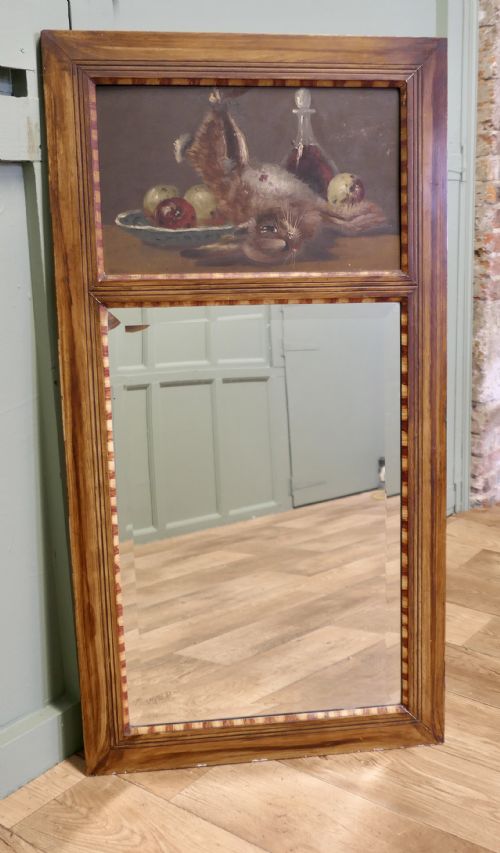
The distinction between tiers rests in the harmony of proportion and the integrity of the original decorative scheme. Pieces with balanced architectural detailing, such as well-executed arched tops or trumeau framing, command attention through their structural presence.
Surface patination plays a central role in valuation, where genuine aged paint layers and undisturbed gesso on carved wood demonstrate superior heritage. The quality of the underlying timber and the depth of the hand-carved elements elevate certain examples above simpler utility items.
The Rustic Painted Mirror Glossary
- Trumeau
- A decorative wall mirror or panel designed to fit the space between windows or above a fireplace. These vertical pieces frequently incorporate painted woodwork and classical motifs.
- Gesso
- A plaster mixture applied to wood surfaces to create a smooth base for painting or to build up carved relief details. It hardens into a durable layer that readily shows age and cracking.
- Overmantel
- A large mirror specifically proportioned to hang on the wall directly above a mantelpiece or fireplace. They dominate the wall space and reflect light across the room.
- Louis Philippe
- A nineteenth-century French style characterised by simple, restrained curves and rounded top corners. It bridges formal classical design and domestic rusticity.
Rustic Painted Mirror: Frequently Asked Questions
Where should I hang a large overmantel mirror?
These mirrors traditionally sit above a fireplace mantel to anchor the room and draw the eye upward. They also function effectively on any large, unbroken wall space where they can reflect natural light and create a sense of depth.
Ensure the wall construction and fixings can support the substantial weight of timber, glass, and gesso. Positioning them opposite a window maximises light distribution throughout the space.
How do I clean an antique glass plate?
Use a soft microfibre cloth and a mild glass cleaner applied to the cloth rather than directly onto the mirror. Avoid harsh chemicals that might seep behind the glass and damage the aged silvering.
Take care around the edges where the original backing or silver loss creates characteristic speckling. Preserving this natural foxing is part of maintaining the character of a nineteenth-century piece.
What is a French bistro mirror?
A bistro mirror is a utilitarian looking glass originally made for commercial hospitality spaces in France during the nineteenth century. They often feature plain wooden frames and straightforward proportions suited to everyday use.
Their simple elegance makes them versatile additions to domestic interiors, blending easily into both contemporary and traditional room schemes.
How can I tell a Victorian piece from a later copy?
Examine the construction joints, the composition of the gesso, and the natural oxidation of the timber and paint layers. Nineteenth-century pine and hand-applied finishes display wear patterns consistent with age rather than artificial distress.
Look for traditional fixings at the back and subtle irregularities in the hand-carved wood details. Genuine period items carry the physical evidence of decades of domestic or architectural service.