

Rustic Oak Wall Hanging
A rustic oak wall hanging brings warmth and practical storage to a room, ranging from compact spice cupboards to plate racks and corner cabinets.
Rustic Oak Wall Hanging
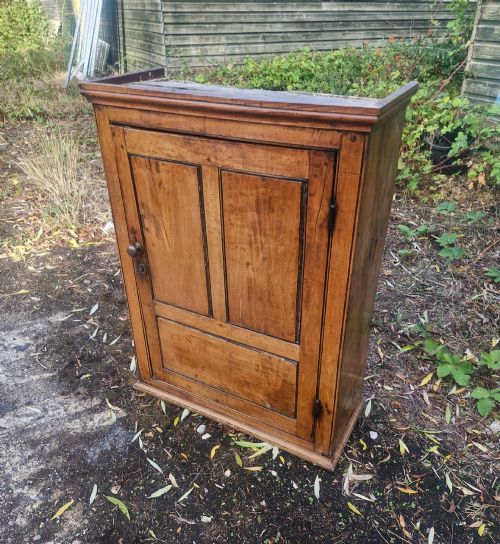
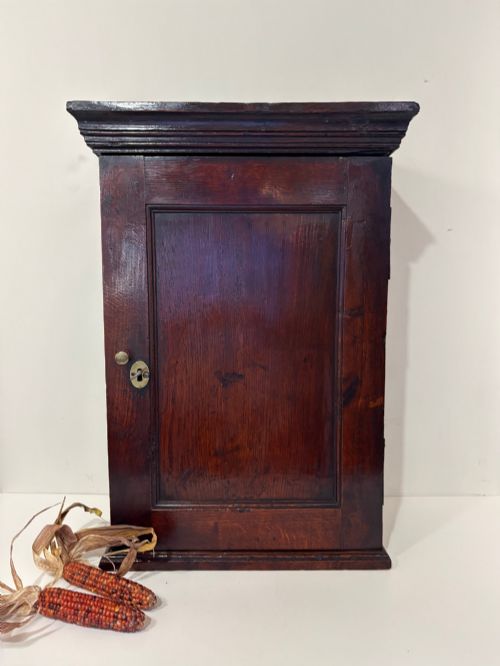
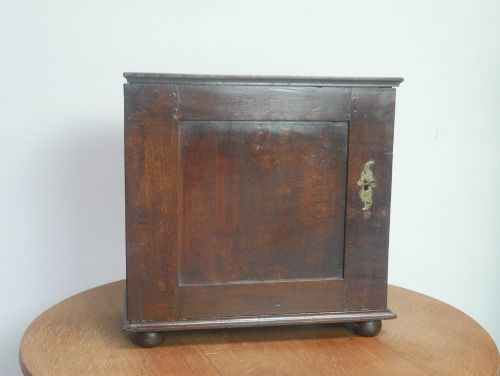
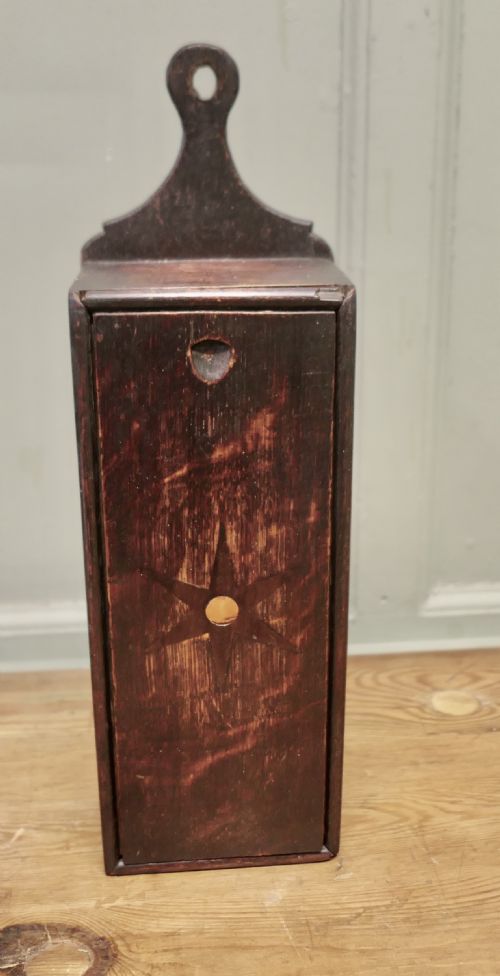
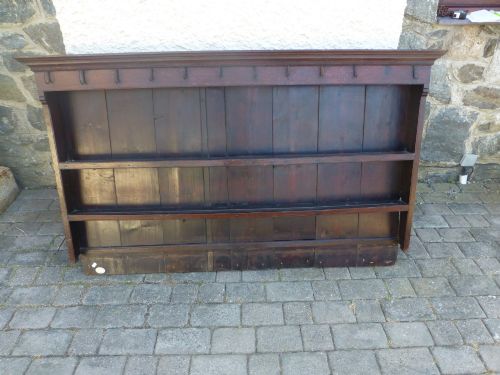
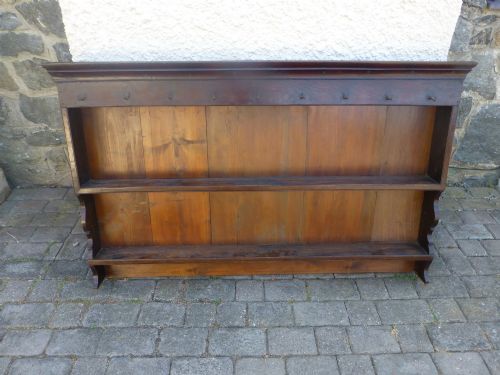
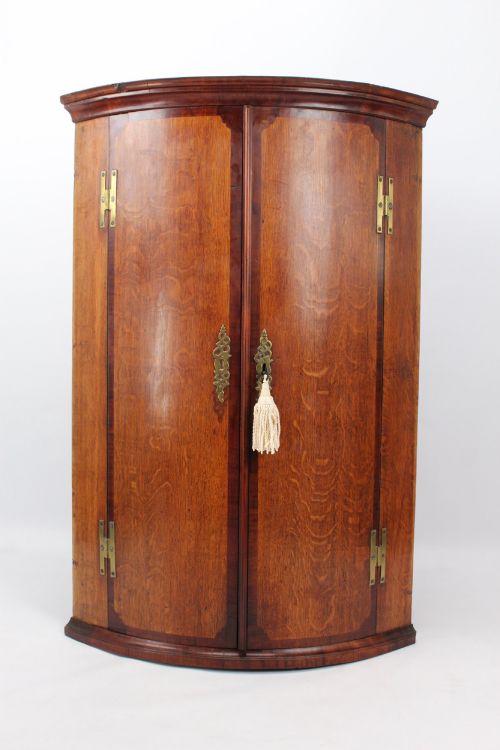
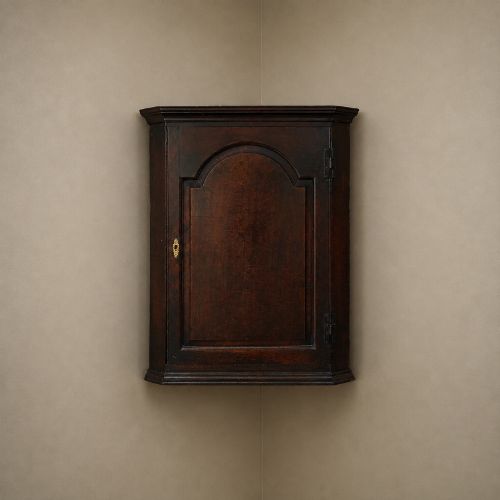
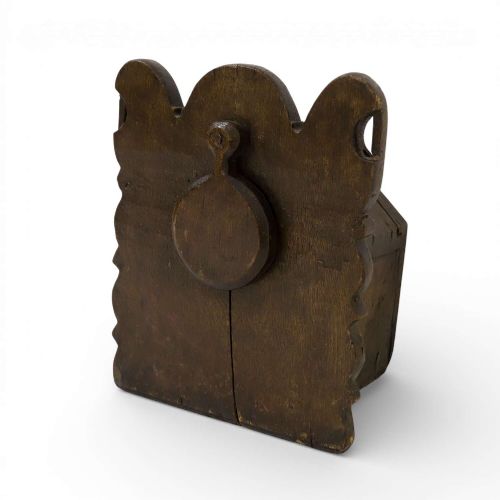
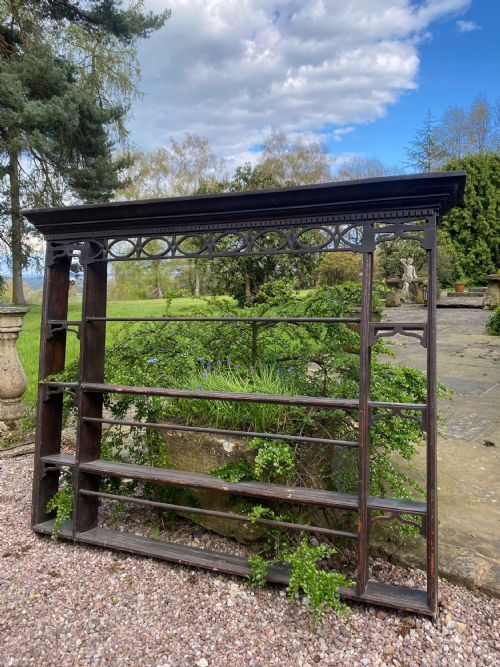
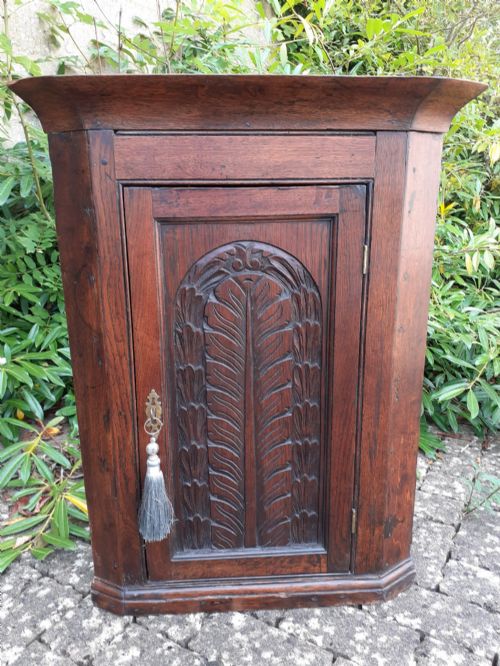
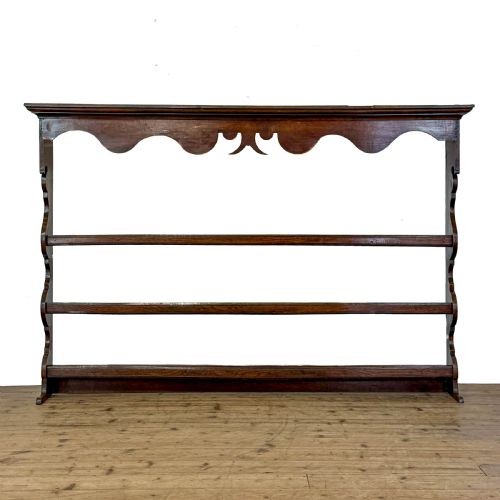
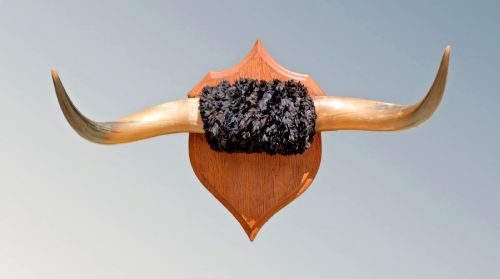
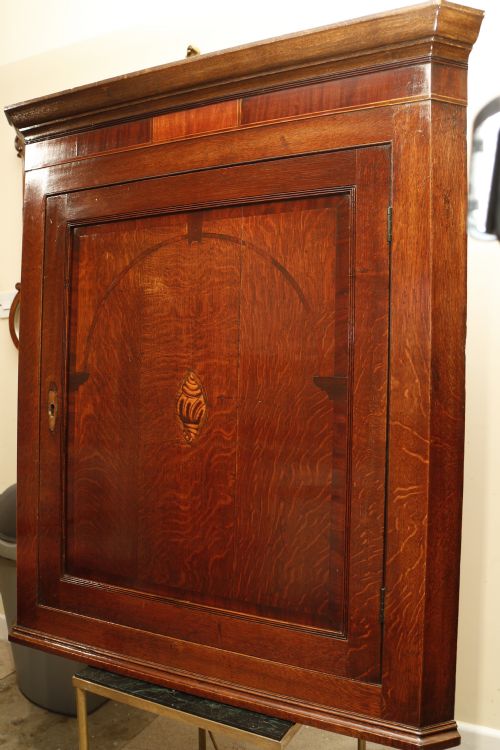
A rustic oak wall hanging encompasses practical wooden storage pieces designed to mount directly onto domestic walls rather than standing on the floor. When searching for a rustic oak wall hanging, buyers encounter a variety of functional domestic forms spanning several centuries, including hanging corner cupboards, spice boxes, candle boxes, and plate racks. These items originated in provincial homes and country kitchens where floor space was at a premium and durable storage was essential.
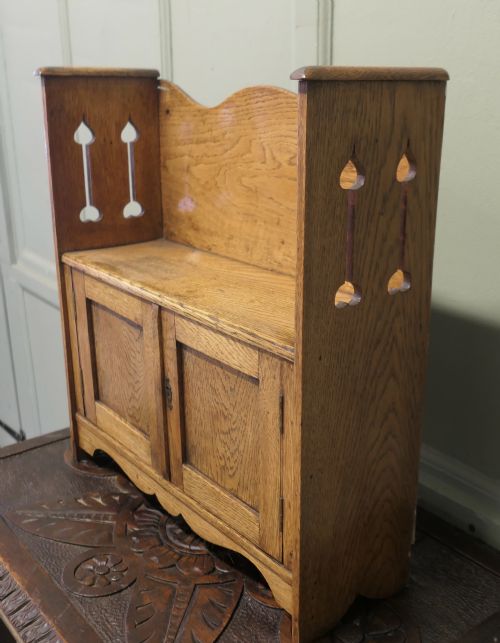
The pieces available on this page date predominantly from the seventeenth, eighteenth, and nineteenth centuries, reflecting styles such as Georgian, English Country, and Arts and Crafts. Smaller items like spice and candle boxes frequently date to the seventeen-hundreds, while larger corner cupboards and wall shelves often span the Georgian and Victorian eras. This selection demonstrates how domestic storage evolved from simple utilitarian wall boxes into more decorative architectural cabinets.
Materials and construction
Makers built these pieces primarily from solid timber, relying on oak as the principal structural material supplemented by secondary woods like pine for internal elements. Joinery techniques varied from pegged mortise and tenon frames to simple dovetailed boxes, ensuring the timber could withstand daily domestic use in busy kitchens and hallways. Surfaces frequently display the natural grain of the wood, sometimes enhanced with carved panels or simple mouldings characteristic of regional workshops.
Hardware played a crucial functional role in construction, incorporating hand-wrought iron hinges, latches, and brass fittings that secured doors and lids. Many items retain original iron hardware, while others incorporate decorative metal elements such as copper decorations or wood inlay work seen on later Arts and Crafts examples. These honest materials weathered decades of use, acquiring a dark patina and textured surface finish.
Several items retain traces of early red paint and old candle wax, showing that past owners were not afraid to brighten up their dark oak kitchens.
Assessing quality
Quality in these domestic pieces rests upon the integrity of the timber selection and the restraint of the original maker's hand. Pieces fashioned from thick, well-figured boards with minimal replacement timber hold greater architectural presence than those heavily restored with modern pine boards. The weight and durability of the original hinges and latches also distinguish superior examples from standard utility items.
Proportion and surface wear dictate the visual appeal of a wall-mounted cabinet or box. Well-balanced proportions, crisp period mouldings, and an undisturbed surface patina separate master regional carpentry from hurried workshop production. The retention of early surface treatments, such as original red paint traces or aged wax finishes, elevates the character of the piece.
The Rustic Oak Wall Hanging Glossary
- Spice cupboard
- A small wall-mounted cabinet fitted with internal drawers or shelves designed for storing precious culinary ingredients and herbs. These compact pieces often feature shaped panel doors and secure brass latches.
- Plate rack
- A wall-hanging wooden framework constructed with vertical slats or plate rails to display ceramic tableware safely. Eighteenth-century examples frequently accompany country dressers.
- Candle box
- A narrow hanging wall box with a hinged sloping lid designed to keep tallow or beeswax candles away from household pests. They often include a small shaped backboard with a hanging hole.
- Salt box
- A domestic wall-mounted container featuring a high backboard and a lidded compartment intended to keep coarse household salt dry. Many survive from the seventeenth and eighteenth centuries with original iron hardware.
- Corner cupboard
- A triangular cabinet built to fit neatly into the corner of a room to maximise domestic floor space. Wall-hanging versions feature single panelled doors and internal shaped shelves.
Rustic Oak Wall Hanging: Frequently Asked Questions
How do I hang an antique wall cabinet safely?
Most antique wall-mounted pieces utilise original internal screw holes or sturdy rear mounting brackets fitted by the maker centuries ago. Assess the backboards to ensure the timber remains stable before transferring the weight to appropriate wall fixings.
Distribute the load evenly and anchor directly into structural studs or masonry where possible. Consulting a professional installer ensures the historic timber bears the strain without splitting the old oak.
What rooms suit a rustic oak wall hanging?
Kitchens and dining rooms provide a natural home for plate racks, spice cupboards, and open shelving units. Their traditional utility matches spaces dedicated to culinary preparation and communal dining.
Smaller items like candle boxes and mirrors work effectively in hallways, cloakrooms, or sitting rooms. The dark timber grain complements neutral walls and introduces historic texture to modern interiors.
How do I clean old oak furniture?
Dust the surfaces gently with a dry, soft cloth to remove everyday particles without disturbing the underlying timber. Avoid modern liquid polishes containing silicones that can penetrate open wood pores and darken the patina.
Apply a traditional microcrystalline wax sparingly if the timber appears dry, buffing it gently after application. This preserves the historical surface without stripping away decades of accumulated character.
How can I tell an eighteenth-century cupboard apart from a later copy?
Examine the construction methods and tool marks visible on the interior boards and rear panels. Hand-sawn timber, irregular peg placements, and forged iron hardware indicate genuine period manufacture rather than machine-made production.
Check for natural shrinkage cracks, colour consistency across the surfaces, and wear patterns around handles and hinges. Older oak develops a hard, dry lustre that modern replicas struggle to replicate.