
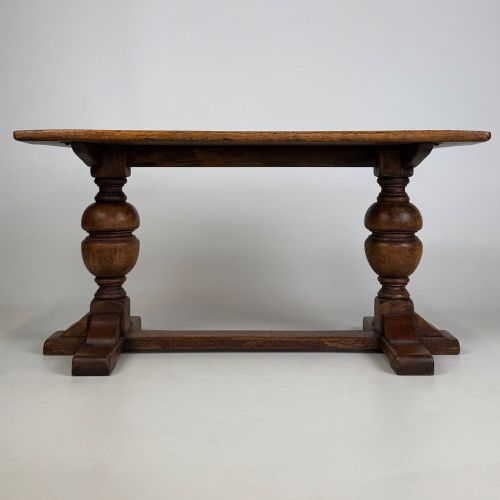
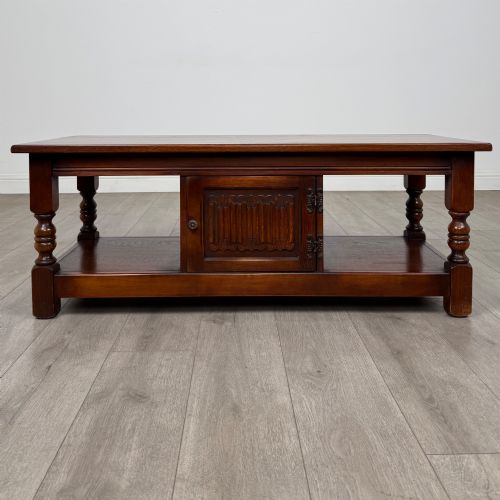
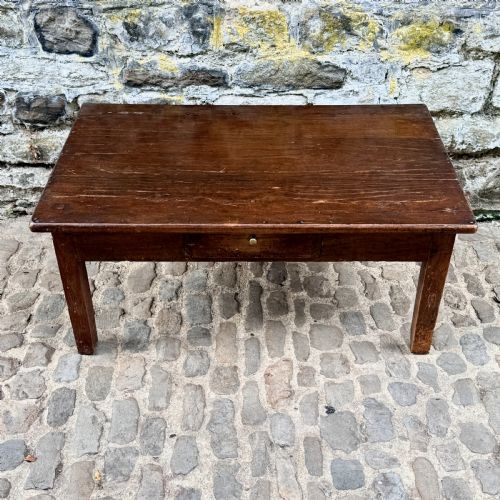
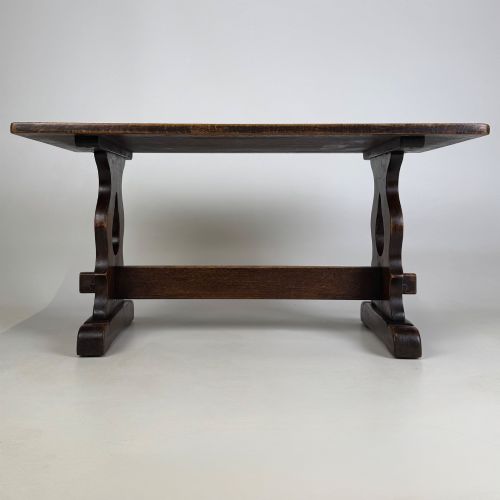
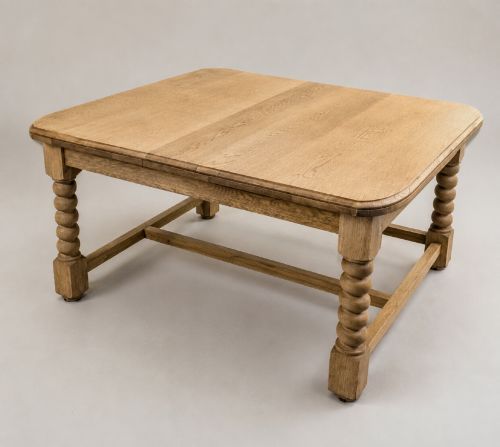
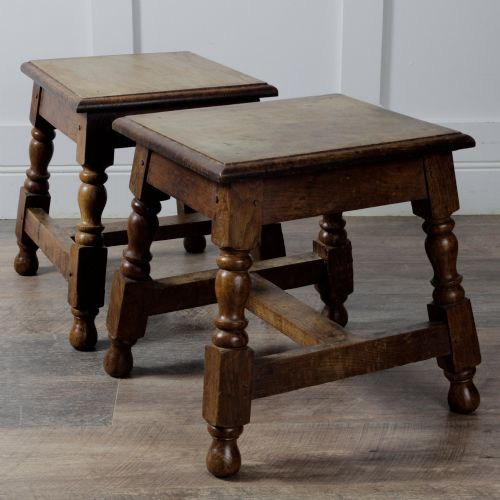
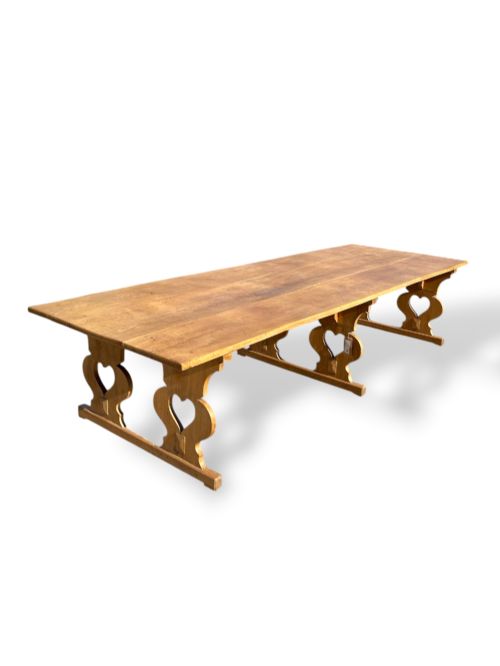
Rustic Oak Low Table
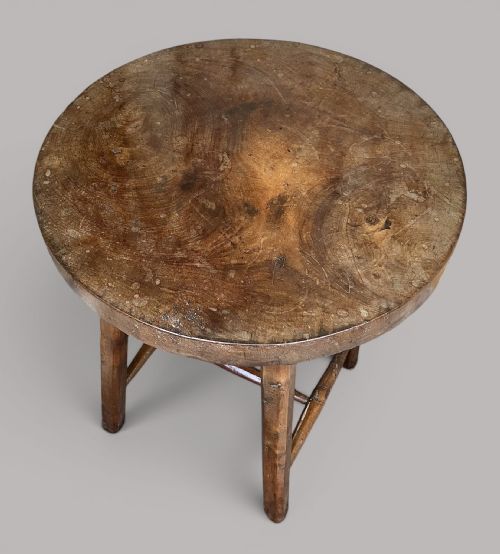
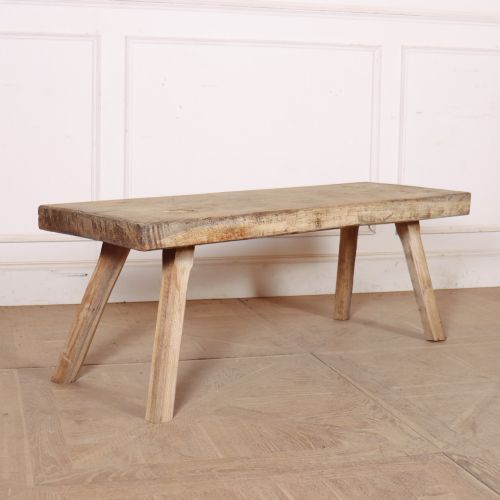
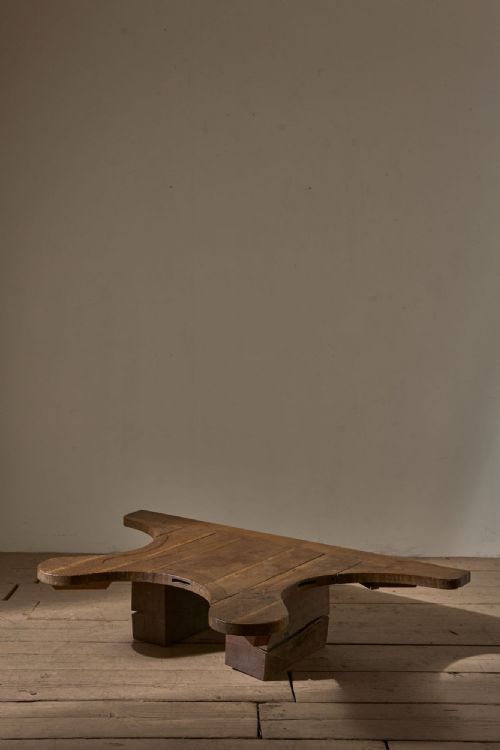
These rustic oak low table examples combine sturdy timber with low proportions, offering grounded utility and character for modern living spaces.
Identifying rustic oak low tables
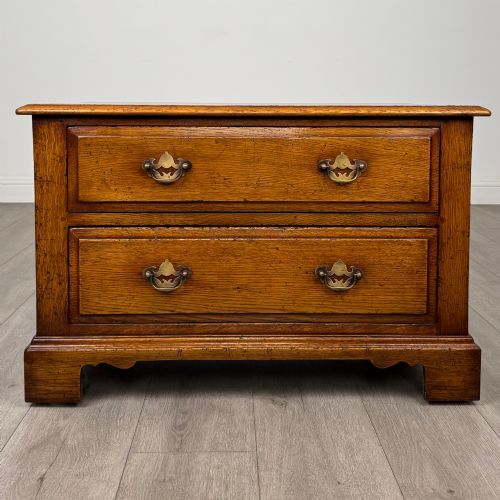
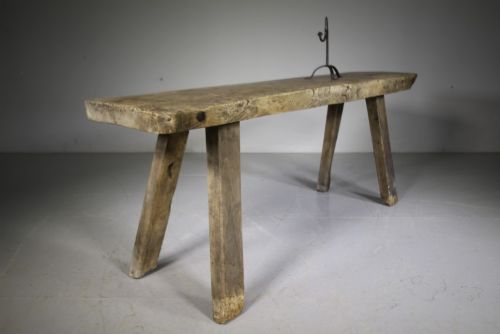
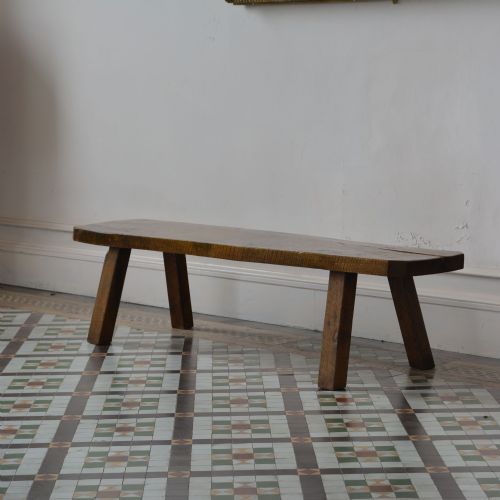
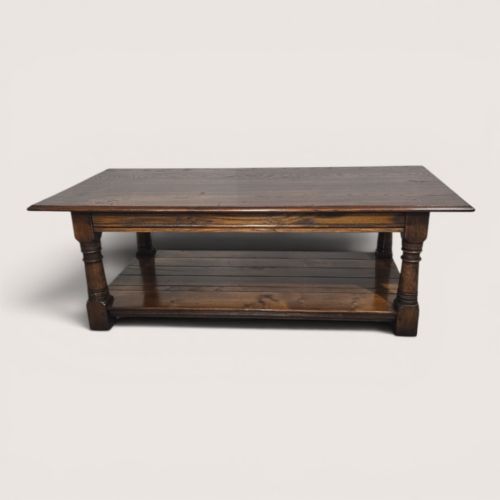
A rustic oak low table brings solid timber construction and low profiles into domestic spaces, serving primarily as coffee tables and low side tables. The pieces found here span the eighteenth century, nineteenth century, and twentieth century, including Edwardian examples alongside French provincial and primitive formats.
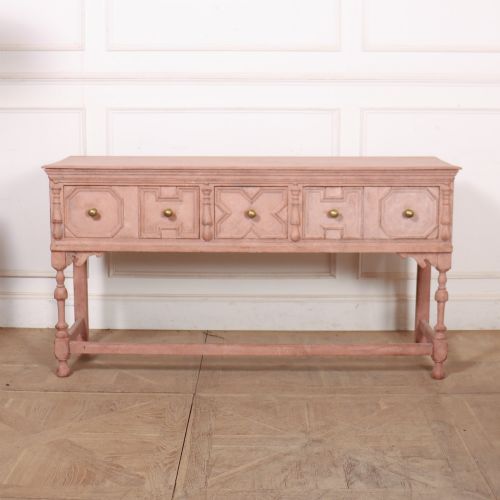
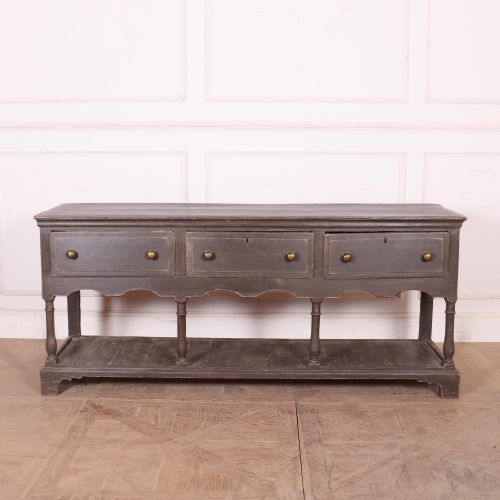
The most frequent encounters on this page are nineteenth-century formats and coffee tables, often utilising oak alongside chestnut, fruitwood, and softwood. These low surfaces frequently incorporate side drawers or substantial planks, reflecting functional country origins.
Materials and construction
Makers utilised solid timbers such as oak, fruitwood, chestnut, and softwood, frequently combining these with iron fixings to build durable low furniture. Surfaces display the natural grain and texture of the wood rather than highly polished veneers.
Construction relies on traditional joinery methods suited to heavy country use, resulting in sturdy frames designed to withstand daily wear. The integration of side drawers in certain tables points to practical workshop techniques of the period.
Retail Price Guide 2026
Typical UK retail prices for rustic oak low table, calculated from the Sellingantiques database of over a million retail prices indexed since 2003. This retail price guide relies exclusively on Sellingantiques data; no external sources or auction records are used, so the figures do not describe the wider market.
Listings feature oak, chestnut, fruitwood, and softwood across eighteenth-century, nineteenth-century, and Edwardian periods.
Assessing quality
The distinction between standard examples and finer pieces lies in the selection of timber and the harmony of proportions. Superior items display well-chosen oak or fruitwood boards with balanced joinery that respects the utilitarian origins of the design.
Subtle differences in surface patination and the integration of functional elements, such as drawers or iron details, separate ordinary utility tables from those with stronger decorative presence.
The Rustic Oak Low Table Glossary
- Oak
- A durable hardwood prized for its strength and prominent grain, frequently utilised in heavy country furniture. This material provides the primary structural integrity for most pieces listed here.
- Fruitwood
- Dense timber gathered from fruit-bearing trees, valued for its warm tone and smooth texture. Makers often turned to this material for smaller or more refined country tables.
- Primitive
- A descriptive term for furniture made without urban sophistication, prioritising direct utility over formal styling. These items often display simple lines and honest construction methods.
- Patina
- The surface sheen and colour acquired by timber through decades of handling, exposure, and wax polishing. This quality develops naturally over time and indicates genuine age.
Frequently Asked Questions
What is a rustic oak low table used for?
These pieces function primarily as coffee tables or low side tables in living spaces, providing a stable surface for everyday items.
Their sturdy construction allows them to handle books, lamps, and daily domestic use while maintaining a grounded profile.
How do I date an antique oak low table?
Dating relies on observing construction marks, timber preparation methods, and stylistic cues associated with periods such as the eighteenth or nineteenth century.
Hardware like iron fixings and the wear patterns on the wood also help place an item within its specific era.
Are these tables solid oak?
The listings show tables constructed from solid oak, alongside alternative timbers like chestnut, fruitwood, and softwood.
Makers selected these durable woods specifically for their strength and ability to withstand heavy daily service.
How do I care for antique fruitwood and oak?
Maintain the timber by keeping it away from direct heat sources and sudden humidity changes that can cause the wood to split.
Applying occasional natural wax helps preserve the surface sheen and protects the grain without creating a synthetic finish.