


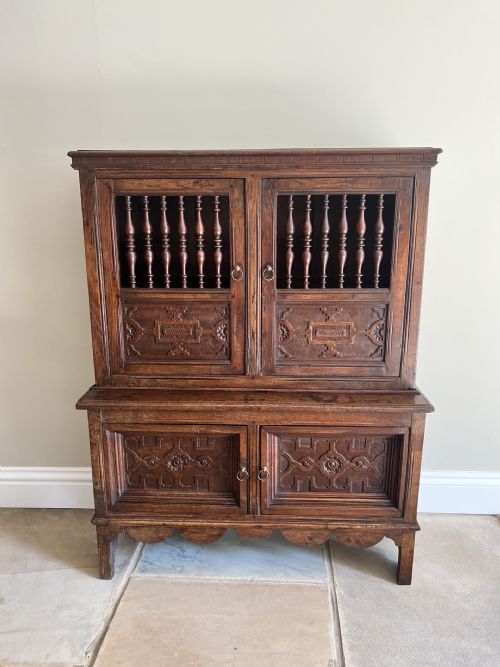


Rustic Oak Kitchen Storage
Rustic oak kitchen storage brings warmth and history to a room through sturdy timbers and time-worn finishes.
Rustic Oak Kitchen Storage
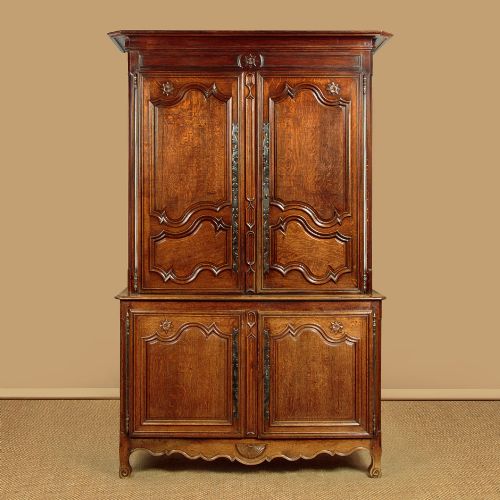
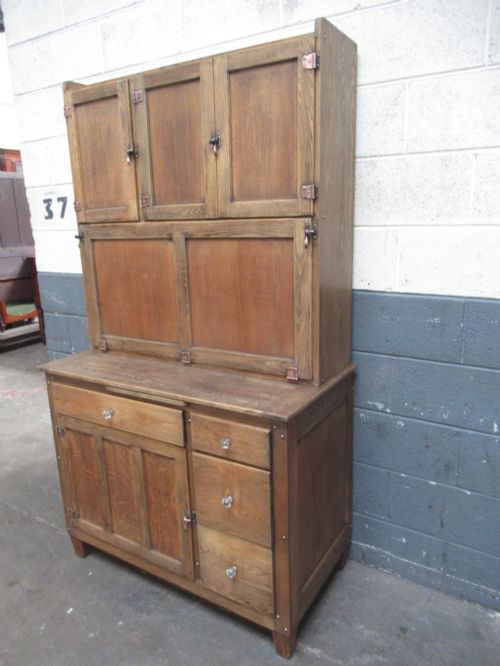
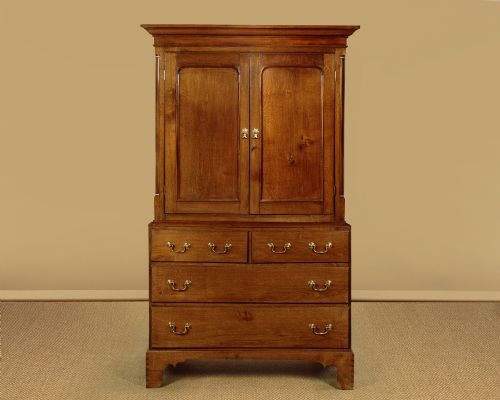
Rustic oak kitchen storage comprises utilitarian furniture designed for food preparation spaces, drawing primarily from 18th century, 19th century, and Victorian periods. Buyers encounter substantial case pieces built for domestic service, including dressers, cupboards, cabinets, and sideboards.
Regional vernacular traditions shape these forms, yielding English country, Welsh, and French provincial expressions. Pieces range from large wall-hanging plate racks and larder cupboards to low buffets and house maid cupboards, reflecting everyday domestic requirements.
The aesthetic relies on honest construction and utilitarian purpose rather than courtly ornament. Surfaces display the marks of daily labour and decades of use within working kitchens and pantries.
Materials and construction methods
Oak forms the primary structural timber, frequently supplemented by secondary woods such as pine, fruitwood, and ash for internal components or secondary panels. Iron and brass fittings, including hinges and handles, secure heavy doors and drawers.
Joinery techniques prioritise durability, employing pegged mortise and tenon joints alongside hand-cut dovetails for drawer construction. Timbers were often locally sourced and cleft or sawn by hand, producing irregular grain patterns and tactile surface textures.
Rustic Oak Kitchen Storage Retail Price Guide 2026
Typical asking prices for rustic oak kitchen storage among the pieces listed under this phrase on Sellingantiques today, from the lower quarter to the upper quarter. They describe what is for sale here now, not the wider market.
House maid cupboards preserve the quiet evidence of early morning chores in drafty Victorian halls and country landings.
Assessing quality and construction
The proportion of original timber dictates a piece's integrity, distinguishing items that retain their initial structural harmony from those rebuilt with disparate elements. Surviving original backboards, brass or iron hardware, and undisturbed surface patination elevate a piece.
Carved detail and structural complexity introduce variation, moving from plain utilitarian boards to breakfront drawer arrangements and integrated plate racks. The integration of original bases, pot boards, and cornice mouldings demonstrates superior regional cabinet-making.
The Rustic Oak Kitchen Storage Glossary
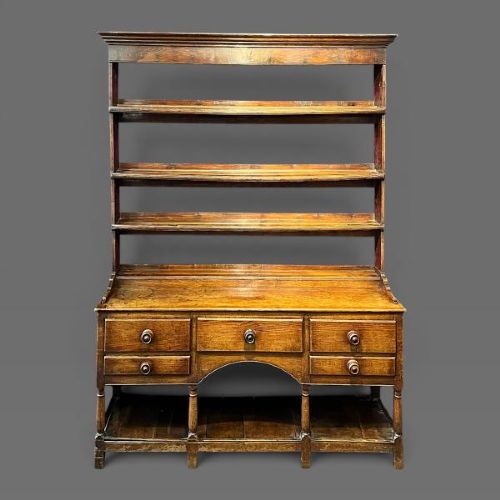
- Welsh dresser
- A kitchen storage unit featuring open plate racks above a base of drawers and cupboards. These pieces combine display shelving with enclosed storage.
- Pot board
- An open lower shelf fitted between the legs of a dresser, historically used for storing heavy pots and pans. This structural feature stabilises the base frame.
- Larder cupboard
- A tall ventilated cabinet designed for food preservation before mechanical refrigeration. Perforated panels or louvres allowed air circulation.
- Fruitwood
- Dense timber harvested from fruit-bearing trees, used alongside oak for contrast or replacement sections. It patinates deeply over time.
- Breakfront
- A piece of furniture where the central section projects forward from the flanking sides. This configuration creates visual depth in large dressers and sideboards.
Rustic Oak Kitchen Storage: Frequently Asked Questions
How do I clean rustic oak?
Dust surfaces regularly with a dry cloth to prevent grit accumulation in the grain. Apply occasional applications of beeswax to nourish the dry timber without sealing the historic surface.
Avoid modern silicone polishes and harsh chemical cleaners that strip the natural patination built over centuries of use.
Are these pieces suitable for modern kitchens?
These cabinets and dressers provide practical storage for dishware, dry goods, and cookware in contemporary homes. Their durable construction handles daily use effectively while adding traditional character.
Measure ceiling heights and floor space carefully before purchase, as regional vernacular pieces often possess substantial proportions.
How do I date an oak dresser?
Examine the construction marks, tool traces on internal boards, and the method of joint assembly. Hand-sawn timber and forged iron nails point towards earlier 18th century or 19th century origins.
Compare the hardware style and secondary woods, such as pine or fruitwood, with known regional construction methods from specific periods.
What is patination on old oak?
Patination represents the surface sheen and colour change developed through handling, light exposure, and polishing over generations. It indicates genuine age and use.
Untouched surfaces display subtle variations in tone that modern reproductions cannot replicate through artificial staining.