



Rustic Oak Food Cabinet
These rustic oak food cabinets are honest country pieces offering sturdy timber storage and period character for any kitchen.
Rustic Oak Food Cabinet
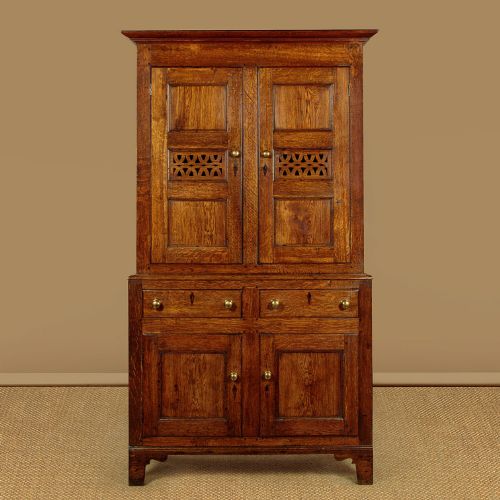
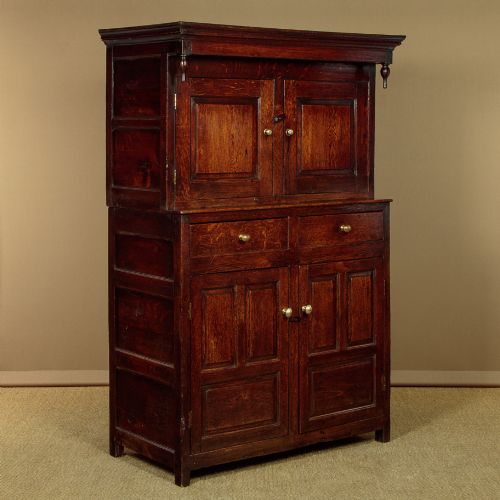
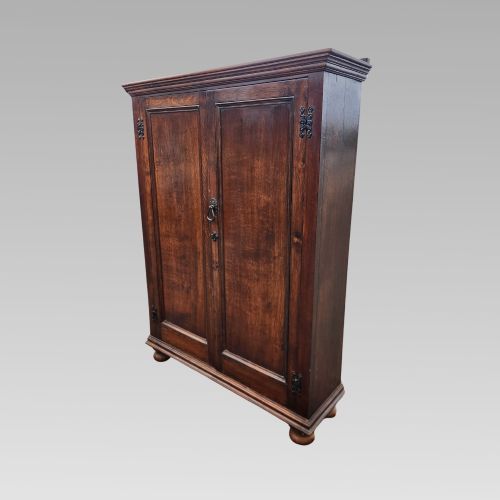
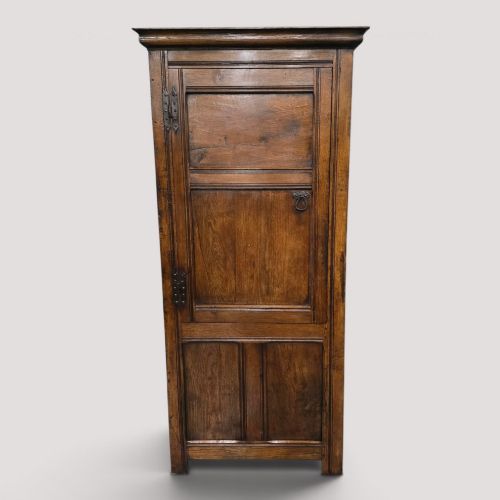
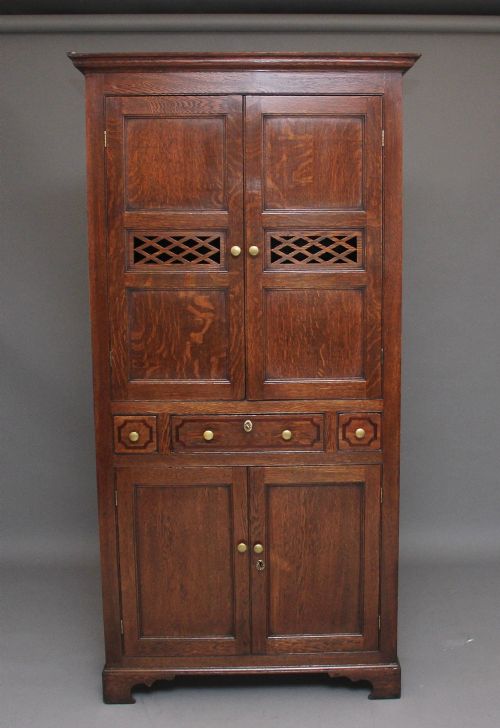
A rustic oak food cabinet is a traditional piece designed for storing provisions, utilising durable oak and chestnut timbers constructed by country joiners. The pieces seen on this page span from the seventeenth century through to the nineteenth century, reflecting long-standing domestic traditions across English and French regions.
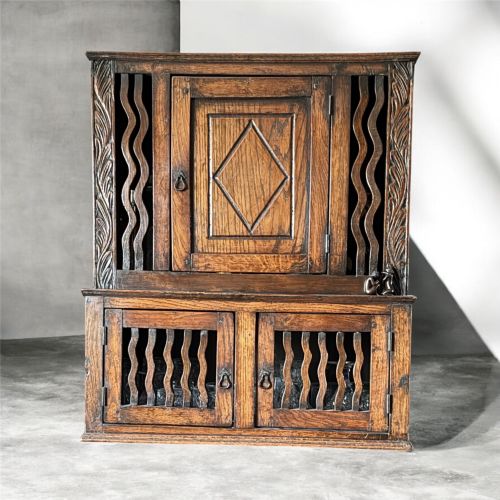
Most examples you encounter here take the form of food cupboards, panetieres, larder cupboards, and alcove cupboards. They range from primitive country designs to more formal Georgian country and French provincial styles, often showing the marks of everyday domestic use in rural households.
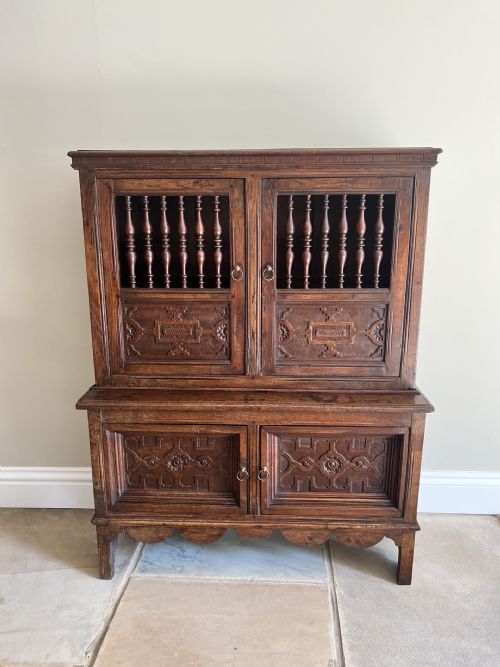
The regional variations are distinct, moving from English country housekeeper cupboards to French mountain cupboards and Normandie larder cupboards. Each form provides a tangible link to historical domestic life, built to house bread, provisions, and household utensils in unpretentious style.
Materials and construction
The primary material across these pieces is solid oak, occasionally accompanied by chestnut, shaped and joined using traditional hand-tool methods. Boards are thick and heavy, designed to withstand the rigours of a working country kitchen or larder.
Metalwork plays a crucial functional role, featuring brass alongside hand-forged iron and wrought iron for hinges, handles, and original blacksmith locks. These hardware elements are integrated directly into the timber frame, securing doors and ventilation panels.
Rustic Oak Food Cabinet Retail Price Guide 2026
Typical asking prices for rustic oak food cabinet among the pieces listed under this phrase on Sellingantiques today, from the lower quarter to the upper quarter. They describe what is for sale here now, not the wider market.
The selection includes regional French forms such as Normandie larder cupboards, mountain cupboards, and panetieres alongside English country pieces.
Judging quality
Quality in a rustic oak food cabinet rests on the integrity of the timber and the survival of original structural elements such as blacksmith locks and hinges. Pieces retaining their early surfaces and uncompromised joinery stand apart from those with extensive modern replacements.
Proportion and regional character also dictate distinction, where vernacular details like carved ventilation panels, panelled doors, and period regional styling display the maker's hand more clearly. The depth of the grain and the rich colour accumulated through centuries of polishing define the upper tier.
The Rustic Oak Food Cabinet Glossary
- Panetiere
- A traditional freestanding wooden cabinet or bread safe designed for storing loaves away from pests. These pieces typically feature spindle-turned galleries for ventilation.
- Larder cupboard
- A tall storage piece built for keeping perishable foodstuffs cool and ventilated. They often incorporate pierced panels or wire grilles.
- Court cupboard
- A traditional short or low-staged cupboard originating in earlier centuries for displaying plate or storing provisions. They exhibit heavy timber construction and carved decoration.
- Wrought iron
- Iron that has been heated and shaped by a blacksmith's hammer, commonly used for durable period hinges and latches. It shows subtle surface irregularities from manual working.
- French provincial
- A regional style originating from the provinces outside Paris, prioritising practical utility and local timber over courtly ornamentation.
Rustic Oak Food Cabinet: Frequently Asked Questions
How were these cabinets originally used?
These cabinets were utilised in kitchens, larders, and dining spaces to store perishable food items securely away from household pests and dust. Ventilated designs like bread safes and larder cupboards allowed air circulation around provisions before refrigeration existed.
Over time, their functional roles expanded within the farmhouse to house linens, crockery, and general household goods.
How do I care for antique oak?
Antique oak benefits from stable indoor environments with minimal fluctuations in temperature and humidity to prevent timber movement. Regular dusting with a dry cloth and occasional application of appropriate natural wax help maintain the finish.
Avoid placing these pieces near direct heat sources or in strong sunlight, which can dry out the historic wood and affect the original surface.
How can I tell the period?
Dating these cabinets involves examining the construction methods, tool marks left by the maker, and the style of the ironwork or brass hardware. Seventeenth and eighteenth-century pieces often display pegged mortise and tenon joints with hand-forged blacksmith hardware. Ninteenth-century examples show more standardised joinery techniques while retaining traditional regional forms like the French provincial panetiere or English housekeeper cupboard.