



French Oak Kitchen Dresser
A french oak kitchen dresser brings solid provincial character and honest storage to a room, built from durable timber made to last generations.
French Oak Kitchen Dresser
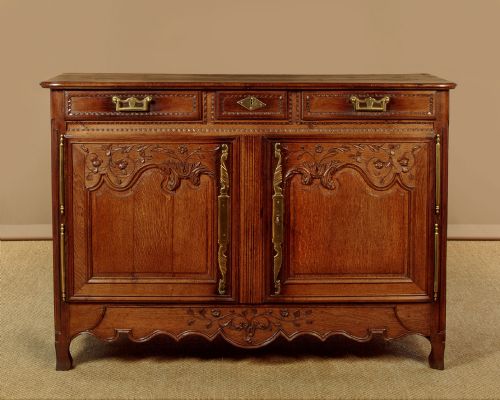
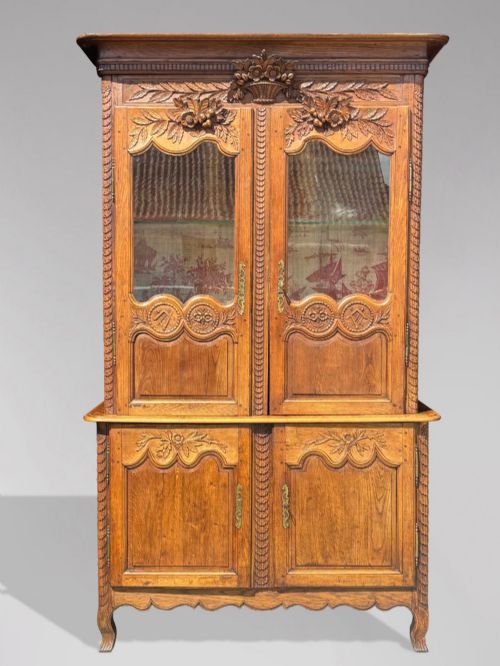
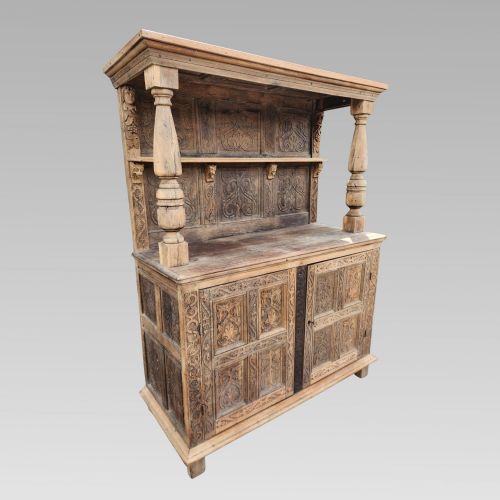
When searching for a french oak kitchen dresser, buyers encounter sturdy storage furniture built across provincial regions during the eighteenth and nineteenth centuries. These items serve as practical places for dishware and provisions, rooted in rural traditions of daily domestic life.
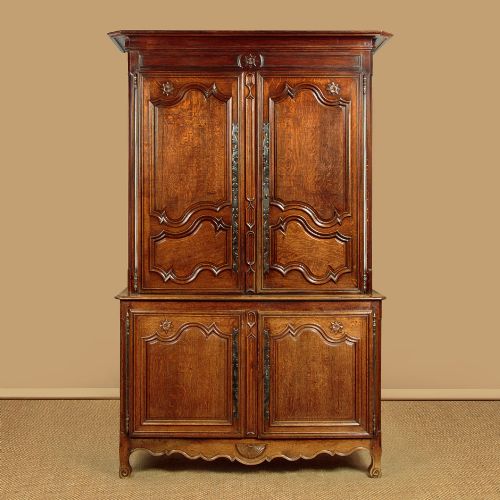
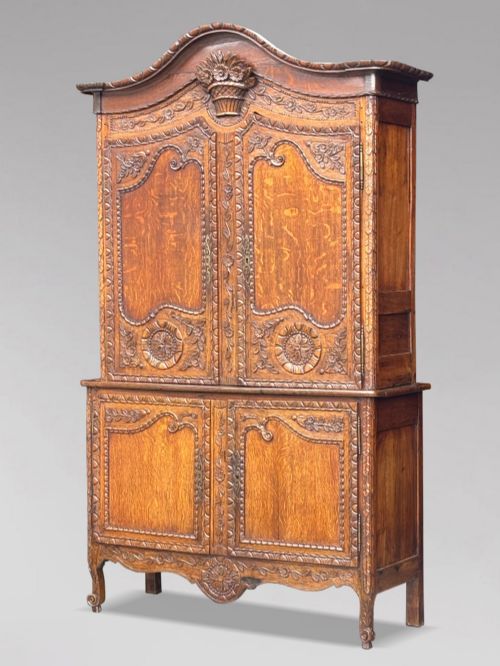
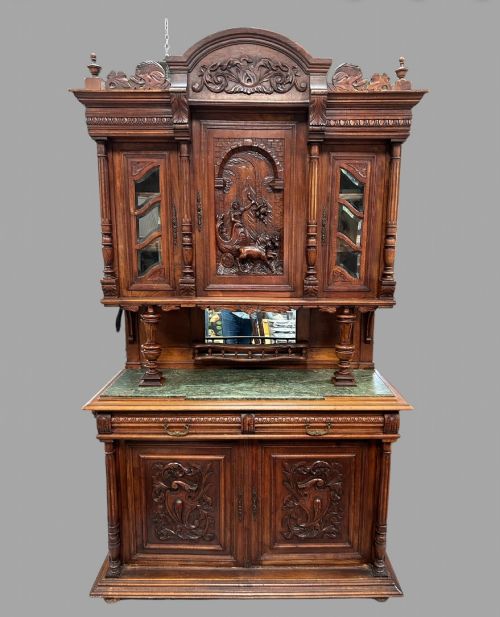
The most common examples on this page date from the eighteenth and nineteenth centuries, taking the form of buffets, cupboards, and multi-tier dressers. These pieces frequently show regional French provincial styling, balancing heavy utility with carved panels and simple iron or brass fittings.
Makers constructed these units to handle the demands of busy rural homes, resulting in substantial timber frames that occupy a commanding presence in modern kitchens. Their enduring appeal lies in this combination of straightforward utility and time-worn surface texture.
What varies in quality
Quality rests heavily on the proportion of original timber and the integrity of the structural joints. Superior pieces retain their matching boards, backplates, and hardware without extensive replacement timber or altered cornices.
Carving execution and timber selection distinguish standard utility pieces from high-status provincial commissions. Finer work displays crisp hand-chiselled details on panels and doors, alongside denser grain patterns in the oak.
French Oak Kitchen Dresser Retail Price Guide 2026
Typical asking prices for french oak kitchen dresser among the pieces listed under this phrase on Sellingantiques today, from the lower quarter to the upper quarter. They describe what is for sale here now, not the wider market.
Listings feature oak, walnut, fruitwood, and marble across eighteenth-century and nineteenth-century forms including cupboards, sideboards, and servers.
The French Oak Kitchen Dresser Glossary
- Buffet deux corps
- A tall two-part cupboard featuring a recessed upper section resting on a wider base cabinet. This form provided substantial storage for food and tableware in provincial dining spaces.
- Fruitwood
- Dense timber harvested from fruit-bearing trees such as cherry or pear, utilised by country cabinetmakers for contrasting inlays and smaller mouldings. It ages to a warm tone that complements oak.
- Provincial
- Denoting items made outside major urban centres, reflecting local tastes and available materials rather than strict court fashions. These objects prioritise rugged utility and regional character.
- Vaisellier
- A traditional French open-shelf rack or dresser designed specifically for displaying plates and bowls. They often sat above a lower sideboard or served as the upper tier of a large buffet.
French Oak Kitchen Dresser: Frequently Asked Questions
How do I clean a French oak kitchen dresser?
Wipe surfaces gently using a slightly damp cloth to remove everyday dust without harming the aged timber. Avoid harsh chemical cleaners that strip the natural wax and dry out the grain.
Apply a traditional beeswax periodically to nourish the wood and maintain a soft protective sheen. Buff the surface gently after application to bring out the natural depth of the oak.
Where were these dressers originally used?
These sturdy pieces stood in the heart of rural French farmhouses and provincial homes, acting as the central storage unit for daily provisions. Families relied on them to house heavy ceramic tableware, linens, and dry goods.
Over time, they transitioned from working kitchens into dining rooms and living spaces as domestic habits shifted. Today, their practical storage capacity makes them equally suited for modern culinary environments.
How do I date an 18th-century oak dresser?
Examine the construction methods visible on the interior and back panels, where hand-riven boards and pegged joints indicate older craftsmanship. Tool marks left by pit saws or adzes provide strong clues regarding the period of manufacture.
Hardware placement and the style of hand-carved panels also help narrow down the age. Finer details often align with regional design shifts associated with specific decades.
Will a large oak dresser fit modern ceilings?
Measure your ceiling height carefully before purchasing, as many traditional two-part cupboards and tall armoires were built for generous rural rooms. Some examples exceed standard modern clearances, requiring careful placement in open-plan spaces.
Consider the division between upper and lower sections on two-body pieces when planning transport and installation. Checking exact dimensions prevents placement issues in rooms with low lintels.