
Rustic Oak Drawers
These rustic oak drawers bring honest country character and practical storage to a room through solid timber construction and simple lines.
Rustic Oak Drawers
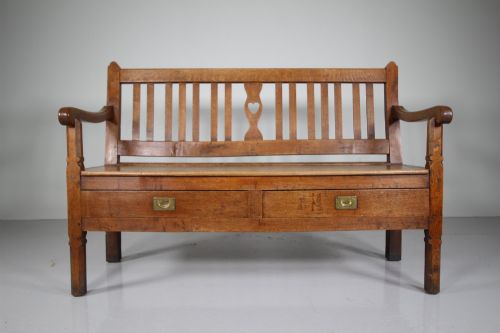
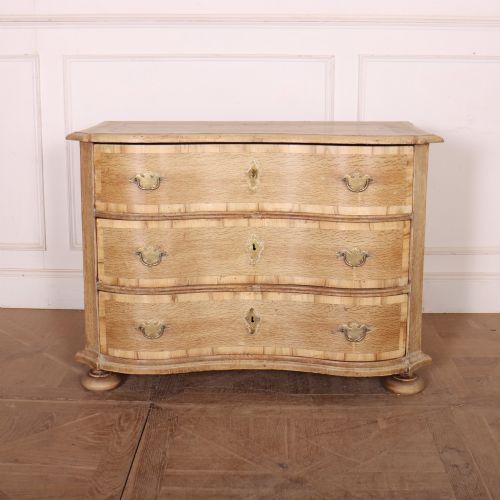
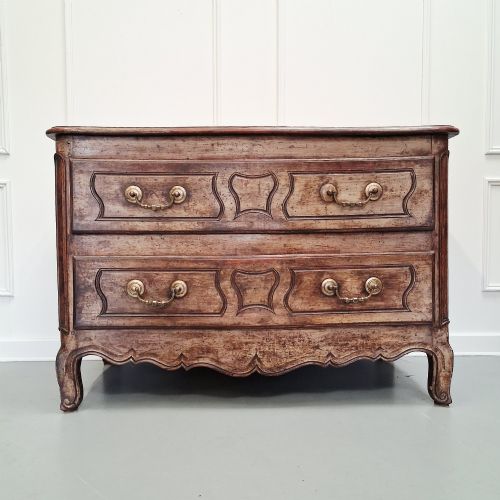
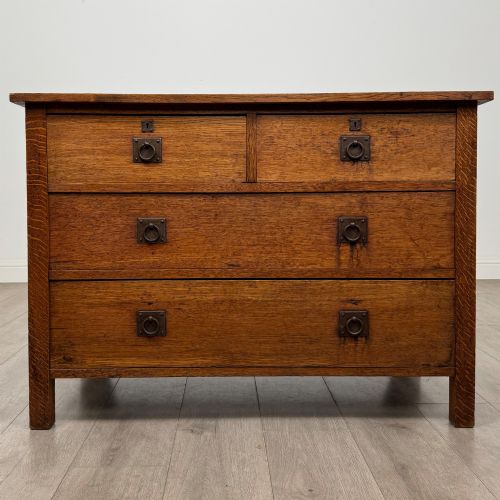
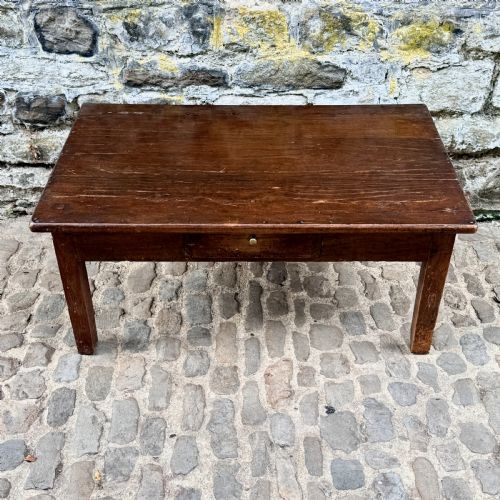
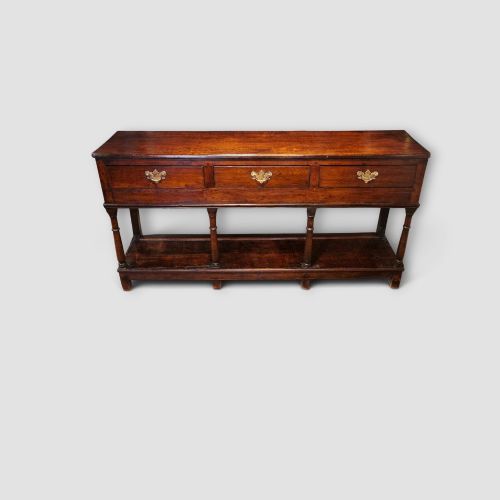
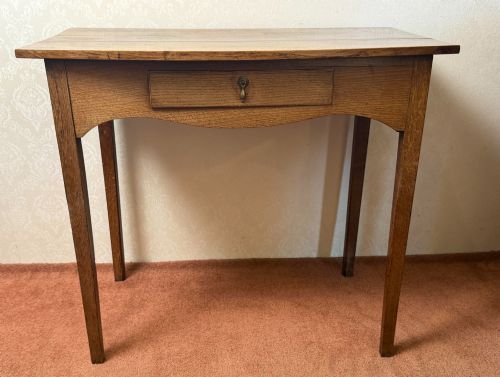
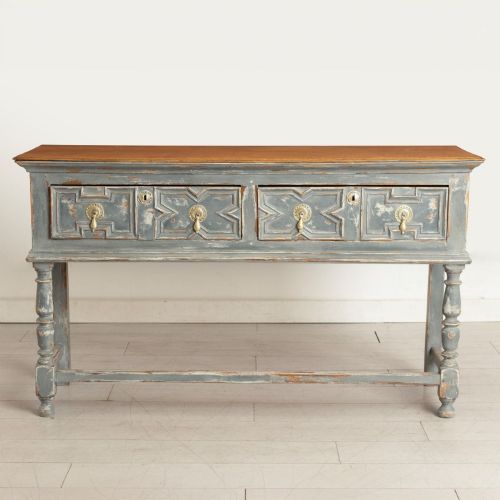
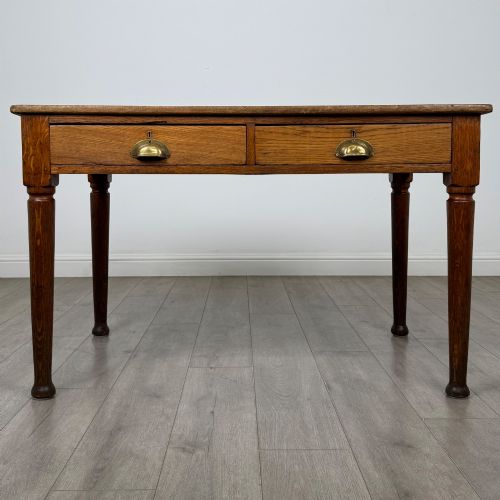
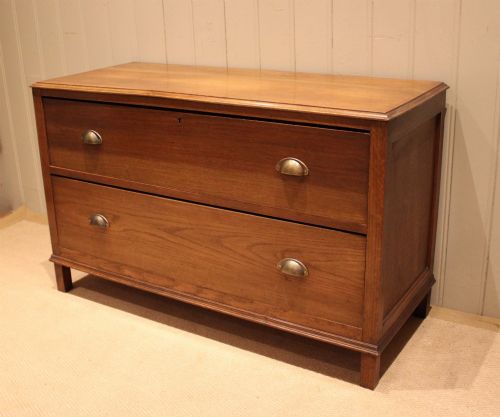
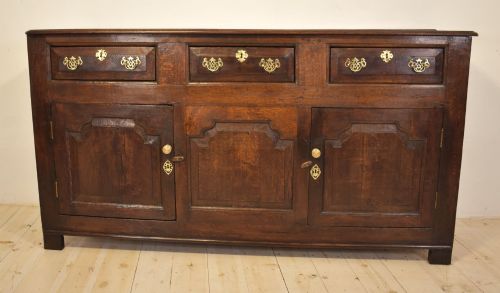
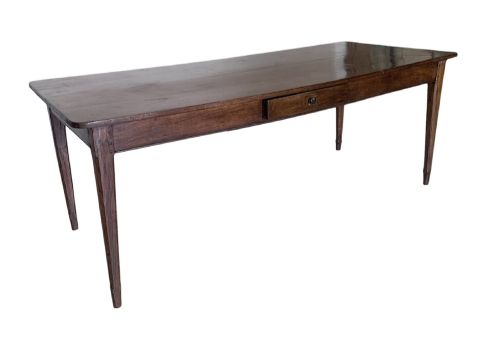
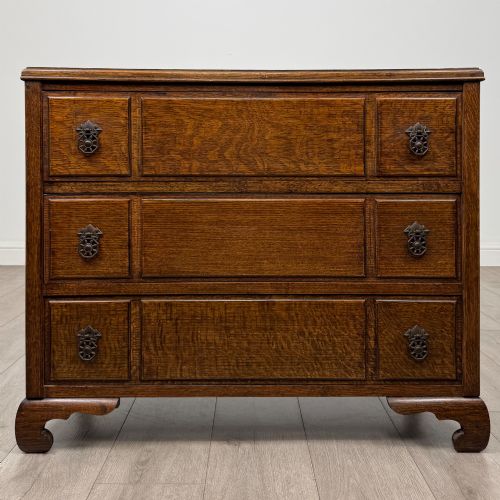
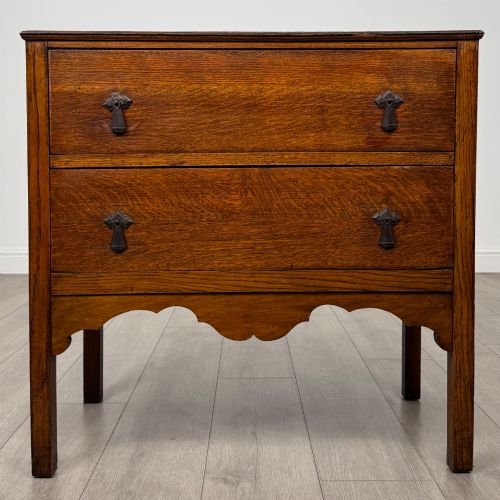
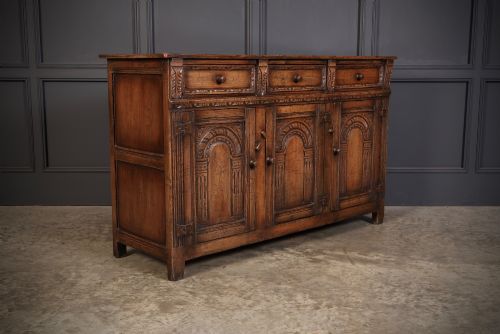
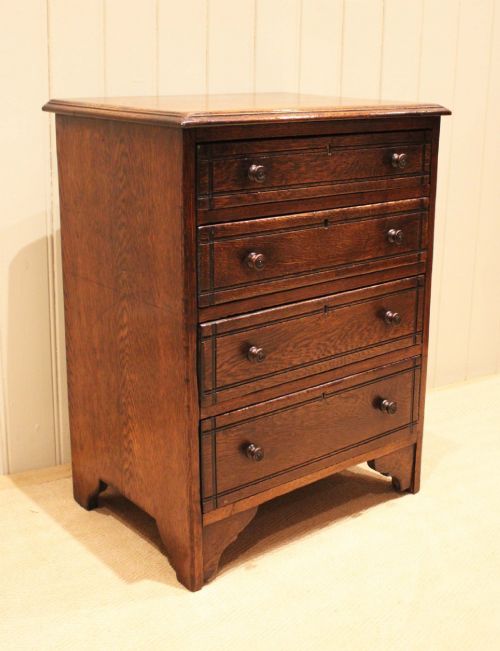
When you search for rustic oak drawers, you are looking at practical storage furniture built from timber, spanning periods from the eighteenth century through to the twentieth century. The selection includes chest of drawers, dresser bases, and side tables fitted with drawers, originating from English, Welsh, and French traditions.
The pieces you are most likely to meet on this page date from the nineteenth century and the Edwardian era, often showing regional country styles such as English Country, Welsh Country, and French Provincial. They combine functional storage with the varied grain and tone of solid oak.
Qualities of distinction
Quality separates along the lines of timber selection, proportion, and the preservation of original surfaces. Pieces with well-figured solid oak and balanced, smaller proportions command greater attention from collectors.
The integrity of the construction, including original brass or iron hardware and unaltered drawer linings, marks the distinction between standard utility items and finer examples of country craftsmanship.
Listings combine eighteenth-century Georgian designs with Edwardian interpretations and Arts & Crafts movement oak furniture.
Heals
The Rustic Oak Drawers Glossary
- Potboard
- An open lower shelf fitted beneath a dresser base, traditionally used for storing pots and domestic utensils.
- Mule chest
- A storage chest featuring one or more drawers built into the base beneath the main compartment.
- Bleached oak
- Oak timber treated to lighten its natural tone, a finish seen on certain continental European pieces.
- Dresser base
- A low sideboard fitted with drawers, often incorporating cupboards or an open potboard below.
Rustic Oak Drawers: Frequently Asked Questions
How do I date an oak chest of drawers?
Dating relies on observing construction details, handle types, and timber characteristics. Eighteenth-century examples often display hand-cut dovetails and pegged joints.
Later Edwardian and twentieth-century pieces show more standardised machine preparation while retaining solid oak construction.
Are these drawers suitable for daily use?
These pieces were built for practical domestic storage and remain robust enough for everyday rooms. Solid oak construction provides structural durability.
Drawer runners and interiors function reliably when maintained with traditional care.
Where were these pieces made?
The pieces originate from regional workshops across England, Wales, and France. Country makers utilised locally sourced timber to build furniture for rural homes.
French provincial and Welsh country styles exhibit distinct local design preferences.
What maintenance do these drawers need?
Maintain the timber with application of natural wax to nourish the grain and protect the surface. Avoid placing furniture near direct heat sources to prevent timber splitting.
Clean surfaces gently with a dry or slightly damp cloth.