


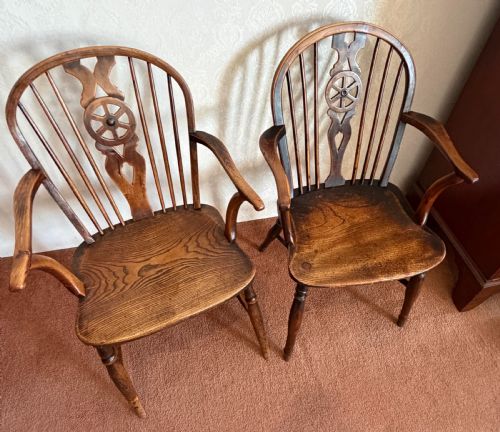

Rustic Oak Carver
A rustic oak carver brings tactile grain and honest joinery to a room, offering a sturdy armchair built for daily country use.
Rustic Oak Carver
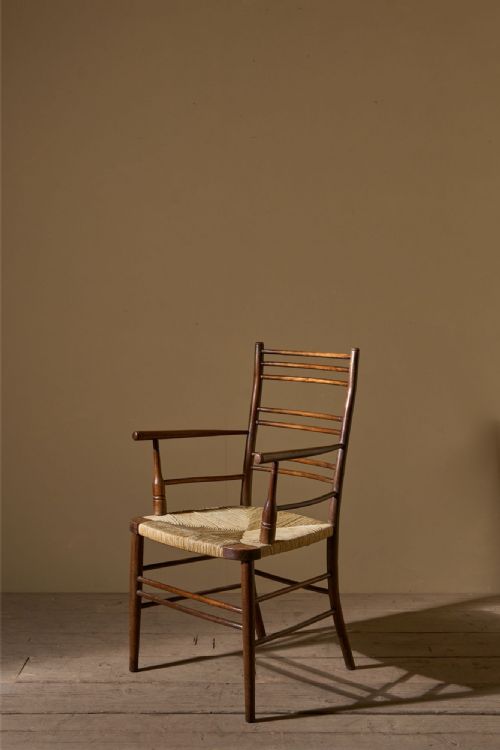
A rustic oak carver represents the tradition of heavy country seating, taking the form of sturdy armchairs and dining elbow chairs designed for functional domestic life. These pieces emerge from periods spanning the eighteenth century through the early twentieth century, drawing on English country, Arts and Crafts, and vernacular design movements.
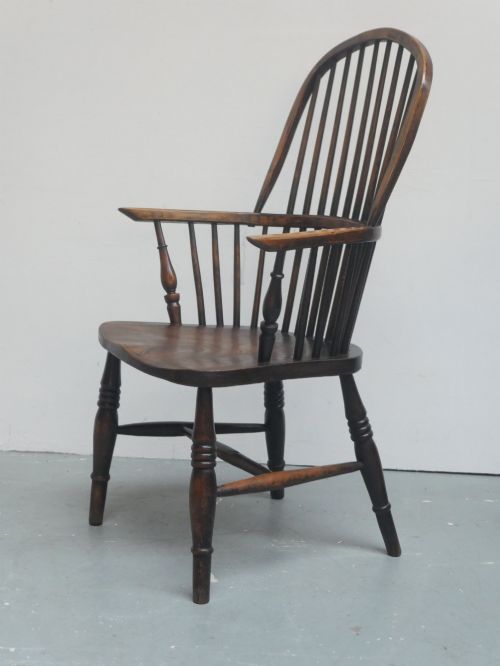
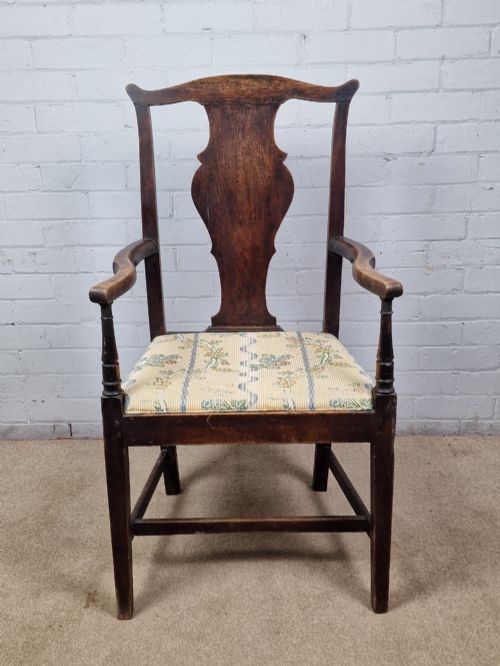
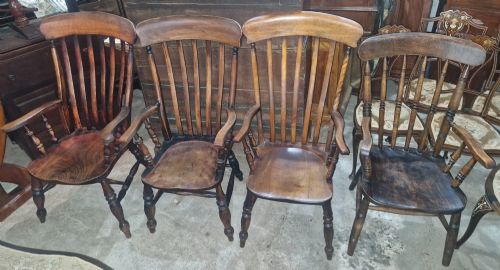
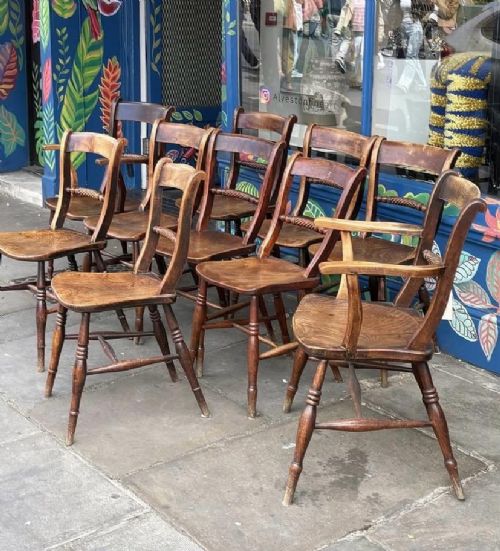
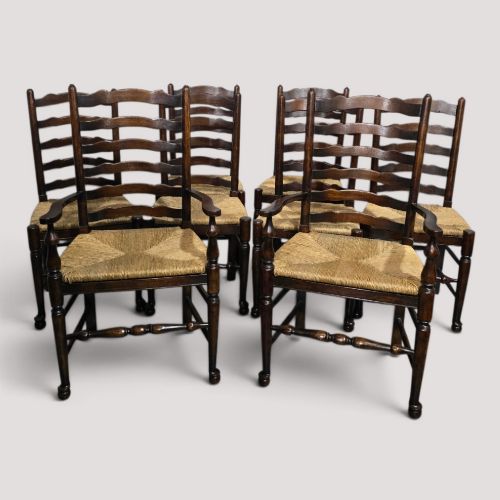
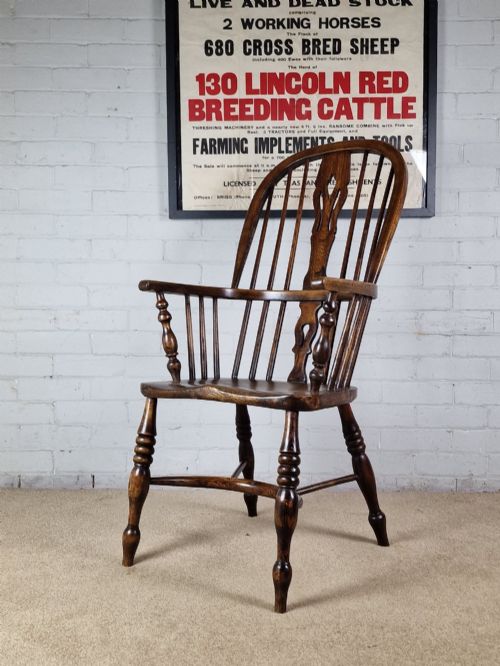
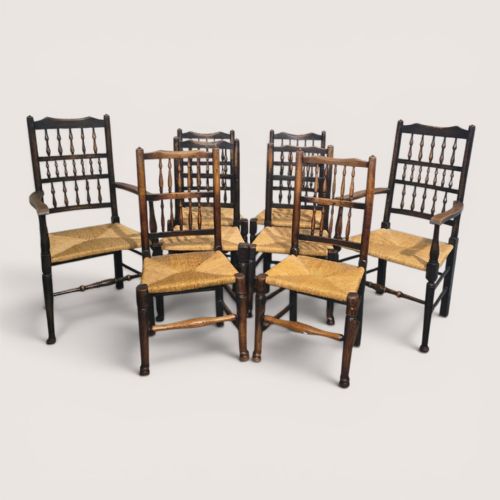
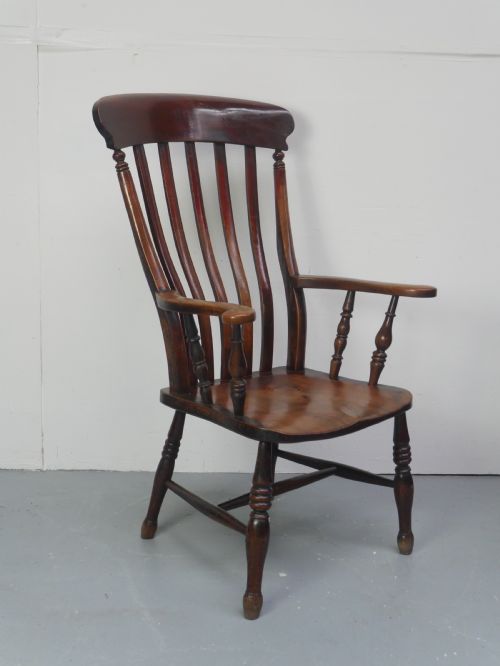
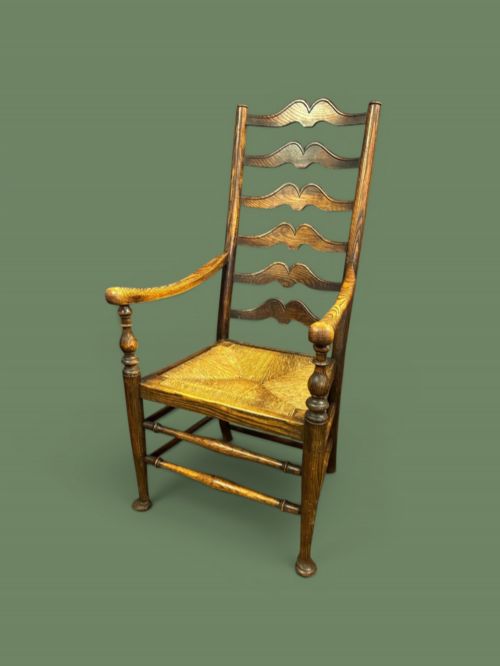
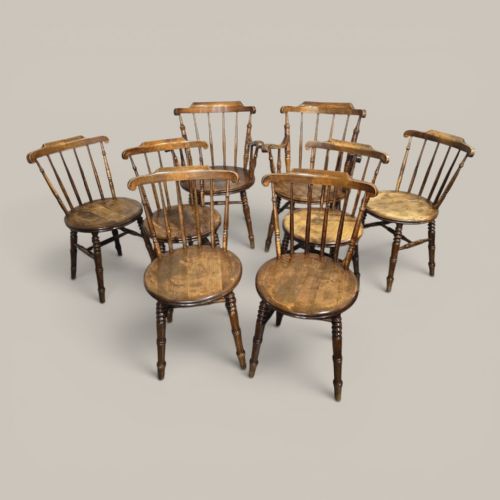
Buyers encountering this page will most frequently meet nineteenth-century farmhouse armchairs and Windsor variations featuring open frames and substantial timber construction. The selection includes regional variants like Lincolnshire, Yorkshire, and Westmoreland pieces alongside ladder-back and spindle-back forms.
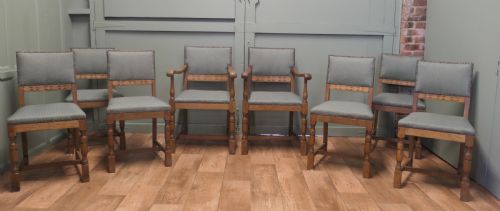
Originating in rural workshops and country houses, these armchairs often display the practical adaptations of provincial cabinetmakers. They serve equally as fireside seating or as the commanding end chairs of a kitchen dining set.
Materials and Construction
Makers built these carvers using domestic hardwoods, pairing sturdy oak frames with shaped elm seats and flexible ash or beech for spindles and bentwood components. Regional craftsmen selected timber for its strength and grain pattern, utilising oak for structural endurance and elm for solid, carved saddle seats that resisted splitting.
Construction relied upon traditional joinery techniques, including mortise and tenon frames, steam bending for curved Windsor backs, and turned components shaped on a pole lathe. Seating surfaces frequently incorporated woven rush or cane inserts, fixed securely into wooden frameworks by hand.
Many rural elm seats retain the subtle depression left by generations of fidgety squires and farmers.
Assessing Quality
The distinction between standard provincial utility seating and finer country craftsmanship lies in the harmony of proportions and the integrity of the timber. Superior pieces exhibit well-balanced turnings, thoughtful grain alignment in the seat boards, and minimal replacement of structural components over time.
Surface patination heavily influences the character of a carver, where untouched waxed finishes and deep, natural wear separate superior survivors from overly stripped or aggressively restored examples. The tightness of the joinery and the original relationship between arms, back supports, and the main seat base determine the structural longevity of the chair.
The Rustic Oak Carver Glossary
- Carver
- An armchair, traditionally taller and wider than the surrounding dining chairs, designed to sit at the head of a table.
- Windsor
- A chair built with a solid wooden seat into which the legs, back spindles, and bow are separately bored and wedged.
- Ladder back
- A chair back constructed from horizontal wooden slats set between two vertical upright posts.
- Rush
- Marshland plant material woven tightly to create durable, textured flat seating surfaces.
- Splat
- The central vertical wooden upright set into the middle of a chair back, often shaped or pierced.
Rustic Oak Carver: Frequently Asked Questions
What is a rustic oak carver?
A rustic oak carver is a sturdy country armchair designed with armrests for the head of a dining table or general domestic use. These pieces embody traditional vernacular woodworking styles from various British and European rural regions.
They combine robust frames with comfortable wooden seats, often showing regional characteristics in their spindle arrangements and turning details.
How do I care for antique oak furniture?
Antique oak benefits from consistent humidity levels and protection from direct heat sources that can dry out the timber. Regular application of a traditional beeswax polish helps maintain the natural sheen and protects the grain.
Avoid using modern silicone-based sprays, which can penetrate porous historic finishes and attract dust to carved details.
Can I use these chairs daily?
Most rustic carvers are built from heavy domestic hardwoods like oak and elm, making them structurally sound for everyday seating. Their solid joinery and robust frames were originally engineered for active farmhouse life.
Checking that the joints remain tight and the seat base is stable ensures the chair handles regular household use safely.
How do I date an old carver?
Dating relies on examining tool marks, timber shrinkage, construction methods, and the specific style of turnings and back splats. Eighteenth-century examples often display hand-sawn components and pegged joints characteristic of early provincial workshops.
Victorian and later revival pieces typically reveal standardised machine-turned spindles and tighter factory-style assembly.