
Rustic Kitchen Seating
Rustic kitchen seating brings hard-wearing vernacular character to everyday dining spaces through time-tested timber forms.
Rustic Kitchen Seating
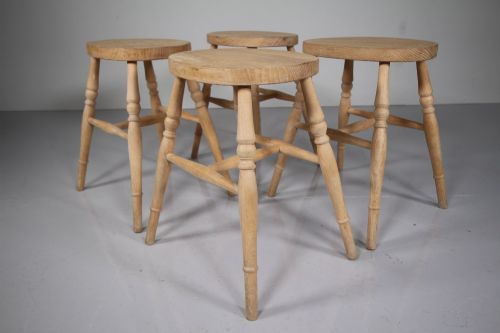
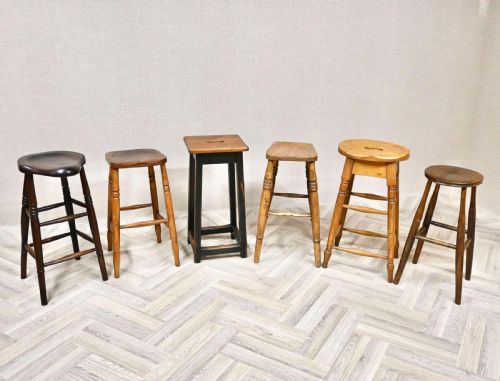
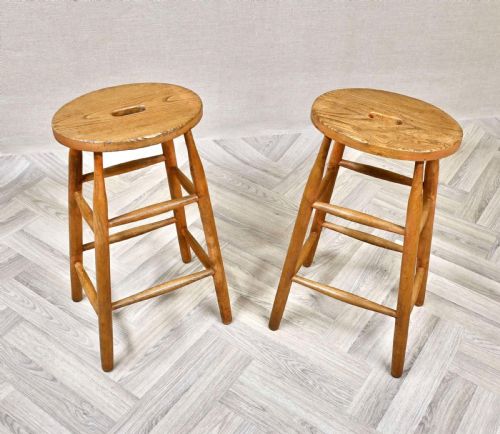
Rustic kitchen seating spans sturdy dining chairs, benches, stools, and tables shaped largely during the nineteenth and early twentieth centuries. Buyers searching for rustic kitchen seating encounter vernacular furniture built for heavy daily domestic service rather than formal entertaining.
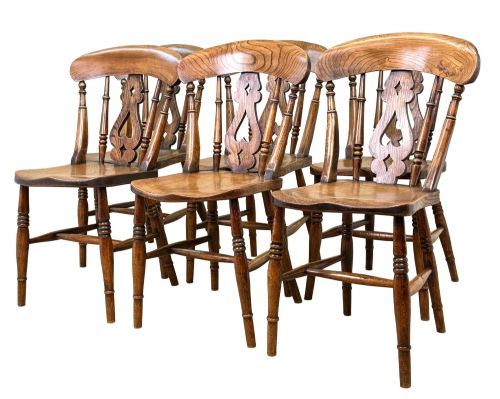
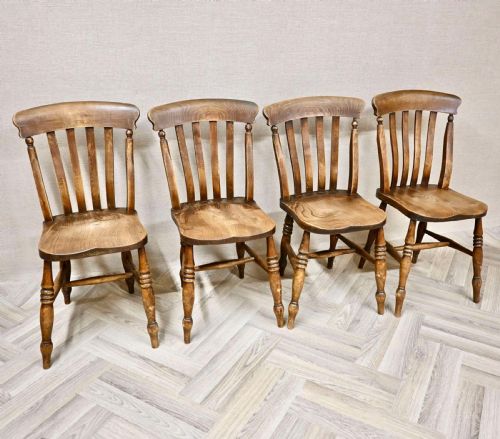
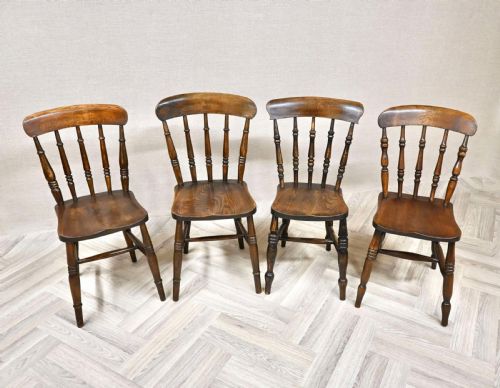
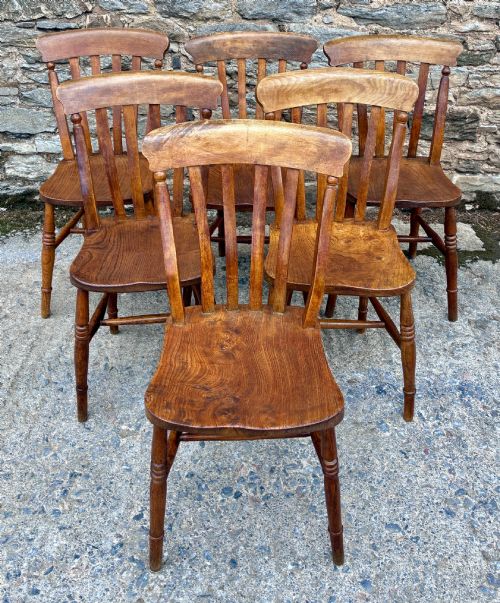
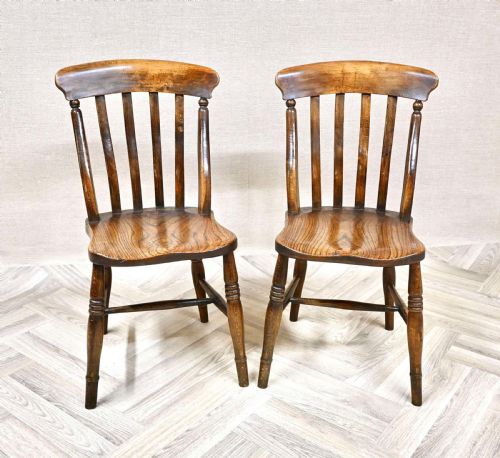
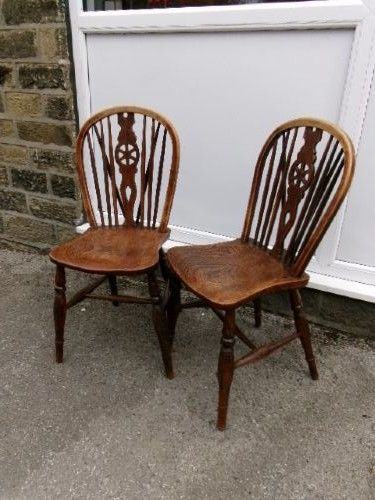
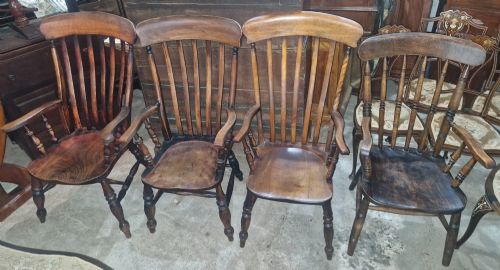
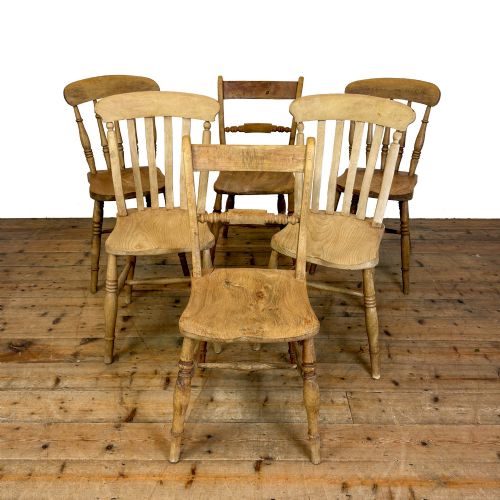
The most common survivors are Windsor chairs, ladderbacks, and solid timber benches originating from English country traditions. Makers constructed these pieces from regional woods to withstand hard use in farmhouses and cottages.
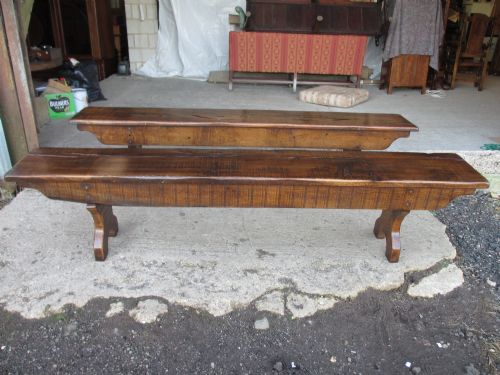
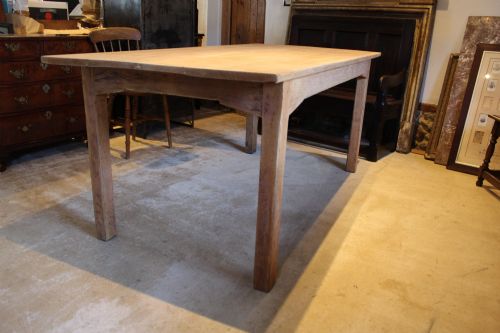
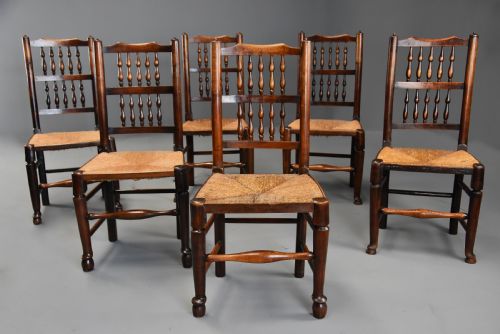
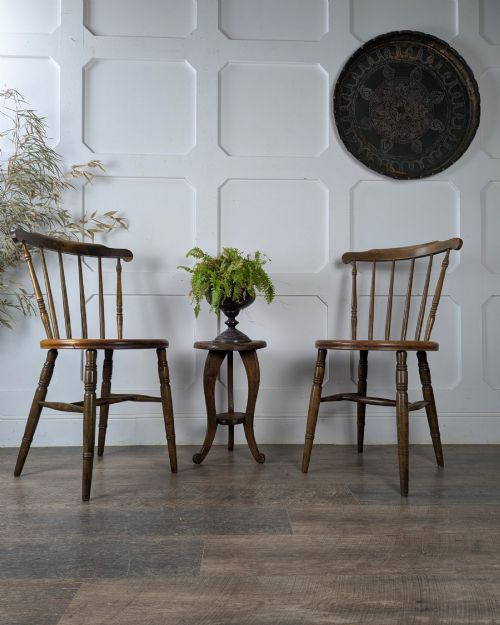
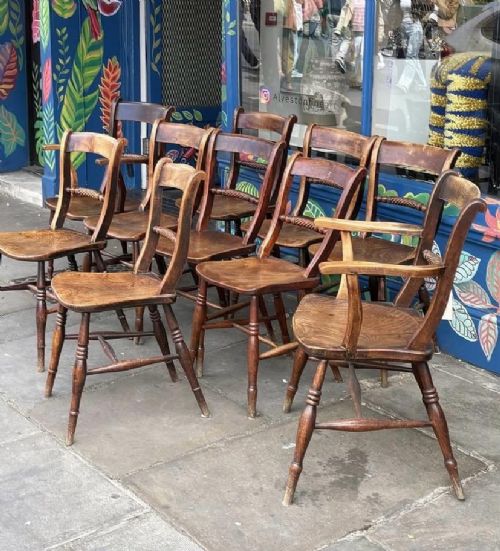
Sets range from pairs of wheelbacks to larger groupings of six or more spindle back and lathe back chairs. Heavy oak refectory tables and pine benches frequently accompany these seating options to complete a traditional kitchen layout.
Materials and construction
Traditional makers relied on native hardwoods such as elm, ash, beech, and oak, selecting each timber for its specific structural strength. Elm provided a tough, split-resistant surface for solid saddle seats, while ash and beech supplied flexible spindles and bentwood hoops.
Joinery methods prioritized durability through wedged tenons, turned components, and stretcher frames that locked the legs rigidly beneath the seat. Rush was also woven tightly over frames to create supportive seating surfaces on specific country armchairs and stools.
Listings feature nineteenth and early twentieth-century pieces built from elm, ash, oak, beech, and pine.
Judging quality
Quality rests in the integrity of the timber selection and the retention of original surface patination accumulated through decades of use. Pieces that retain their unblemished structural joints and deep, honest wear on the wooden seats command greater appreciation.
Proportion and comfort distinguish superior vernacular pieces, particularly in the curve of a Windsor bow or the balance of a spindle back. Well-matched harlequin sets depend on consistent scale and shared regional characteristics rather than factory uniformity.
The Rustic Kitchen Seating Glossary
- Windsor chair
- A wooden chair built with a heavy solid seat into which the legs and back spindles are separately bored and wedged. This design distributes weight efficiently and provides robust support.
- Lathe back
- A chair back featuring flat, horizontal or vertical splats shaped on a woodturning lathe. These components offer sturdy back support while maintaining a simple country aesthetic.
- Rush seat
- A seating surface woven from dried marsh rushes twisted into cords and wrapped around a wooden frame. This technique yields a resilient, slightly yielding texture.
- Refectory table
- A long, narrow dining table traditionally designed for communal dining in large halls or farmhouses. These tables rely on heavy trestle ends or robust legs for stability.
- Harlequin set
- A collection of dining chairs that match in general style, period, or material while exhibiting subtle individual variations. Such sets reflect how rural households accumulated seating over time.
Rustic Kitchen Seating: Frequently Asked Questions
How do I mix mismatched rustic chairs?
Mixing rustic seating works best when pieces share a common material, such as elm or oak, or a unified construction style like Windsor framing.
Keeping the seat heights consistent ensures a balanced look around a shared kitchen dining table.
Are antique pine benches suitable for daily use?
Solid pine and hardwood benches from the nineteenth century are engineered for heavy utility and handle daily sitting easily.
Placing felt pads beneath the feet protects flooring from the substantial weight of these timber items.
What defines a Windsor chair?
A Windsor chair relies on a thick sculpted wooden seat that anchors the legs below and the back spindles above.
This distinct construction method creates a resilient frame without requiring bulky side rungs.
How should I clean antique elm timber?
Cleaning antique elm requires only a soft, dry cloth to remove dust without disturbing the historic surface sheen.
Applying occasional clear beeswax feeds the dry wood and preserves the natural patination built over generations.