





Rustic Elm Console
These rustic elm consoles and related side tables bring tactile grain and honest joinery straight into a room.
Rustic Elm Console
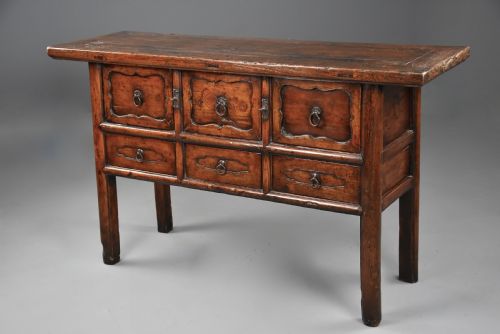
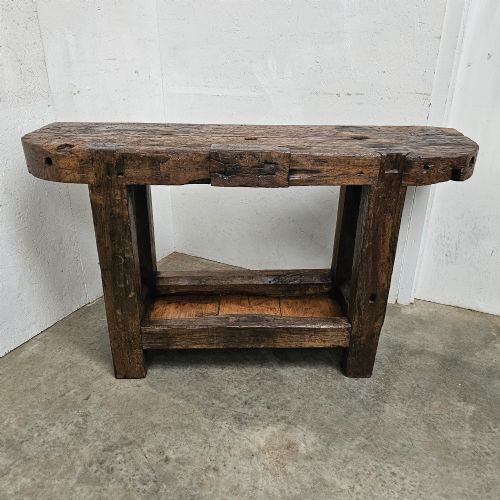
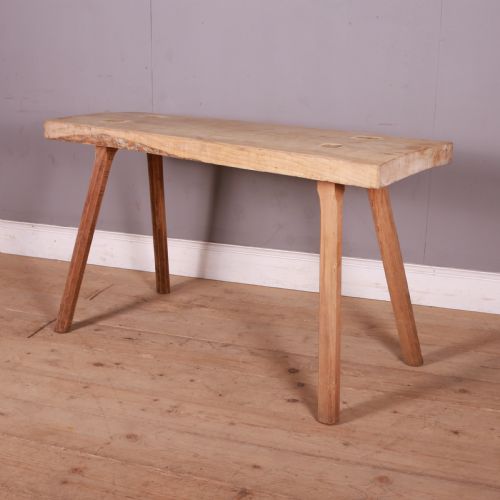
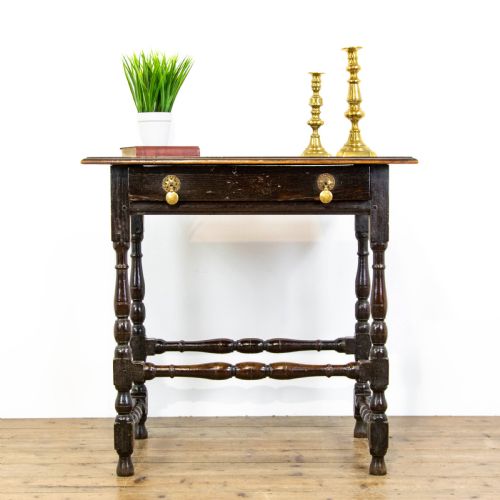
The forms vary across different regional traditions, encompassing English side tables and tavern tables, French provincial trestle tables and workbenches, and Chinese provincial dressers. Elm frequently pairs with oak, fruitwood, sycamore, or hardwood to form plank tops and sturdy frames.
You are most likely to meet side tables and trestle tables bearing the distinct grain and surface marks of utilitarian origins. These items often display simple lines, peg joinery, and patinated timber shaped by decades of handling.
Materials and construction
Elm forms the primary surface for these tables, selected for its tough interlocking grain that resists splitting under heavy use. Cabinetmakers paired this native timber with oak, sycamore, and fruitwood to build enduring frames and trestle bases.
Makers utilised simple hand tools to shape plank tops and mortise-and-tenon joints without relying on modern machinery. Iron and brass fixings appear selectively to reinforce joints or attach simple handles on related dressers and sideboards.
Several French trestle tables arrive bearing the scrubbed surfaces of active workbenches, ready to collect fresh stories in a modern kitchen.
Assessing quality and character
The distinction between ordinary and exceptional tables rests in the depth of the patina and the integrity of the original timber. Surfaces that show decades of wax, wear, and honest oxidation outrank boards that have been stripped back to bare wood.
Structural honesty dictates the merit of each piece, favouring tables retaining their original stretchers, peg joints, and plank tops without intrusive modern repairs. The harmony of proportions between the timber thickness and the leg configuration distinguishes better provincial workshops.
The Rustic Elm Console Glossary
- Patina
- The surface sheen and colour developed by wood over years of handling, polishing, and exposure to light. This quality distinguishes aged timber from recently finished surfaces.
- Plank top
- A table surface constructed from wide boards joined side by side. These boards often display prominent grain patterns and seasonal movement.
- Trestle table
- A table consisting of two or more vertical supports connected by a horizontal beam or stretcher. This design provides maximum legroom beneath the top.
- Provincial
- Denoting styles originating from regional areas outside metropolitan centres. These pieces reflect local tastes and available materials rather than court fashions.
- Softwood and hardwood
- Botanical classifications that do not necessarily describe the physical hardness of the timber. Elm sits within hardwoods noted for toughness.
Rustic Elm Console: Frequently Asked Questions
How do I clean a rustic elm console?
Dust the surface regularly with a dry lint-free cloth to prevent dirt accumulation in the grain.
Apply a traditional beeswax occasionally to nourish the timber and maintain the natural sheen without using modern silicone polishes.
Can I use these tables for daily dining?
Many of these pieces originated as work tables, tavern tables, or sideboards designed for robust everyday utility.
Protect the historic timber surfaces from hot dishes and moisture rings by using appropriate mats and coasters.
How do I distinguish eighteenth-century pieces?
Examine the underside and joints for hand-cut tool marks, pegged construction, and timber shrinkage consistent with age.
Earlier examples often display broader single-board tops and deeper patination acquired through centuries of use.
Why do French and English tables differ?
Regional workshops relied on locally felled trees and distinct carpentry traditions passed down through generations of cabinetmakers.
French pieces frequently utilise sycamore and fruitwood alongside elm, whereas English examples lean towards native oak and elm combinations.