


Rustic Dining Chair
A rustic dining chair brings honest country character to a room, offering sturdy construction and time-worn timber suited for everyday meals.
Rustic Dining Chair
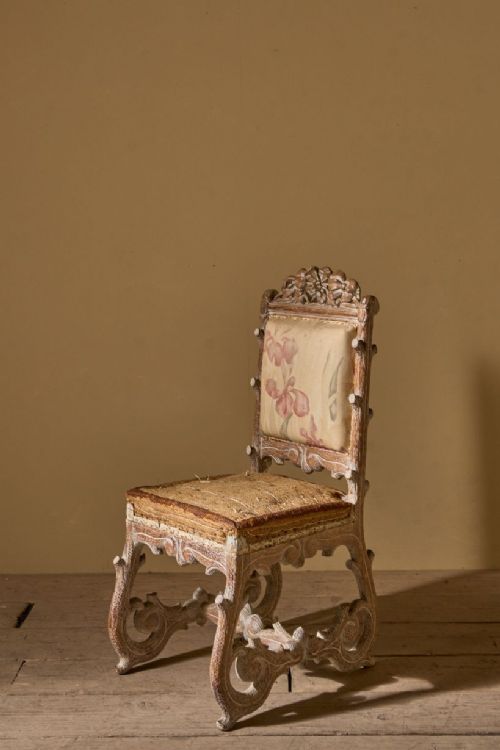
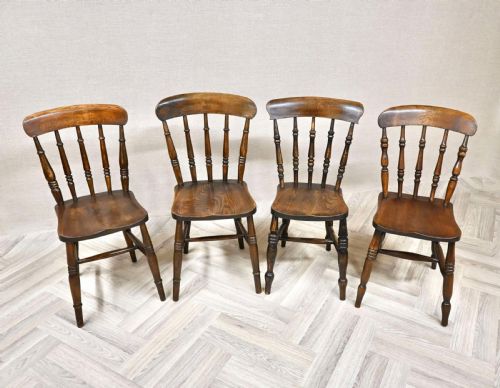
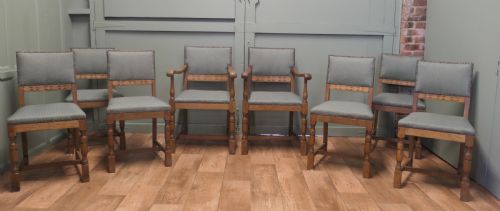
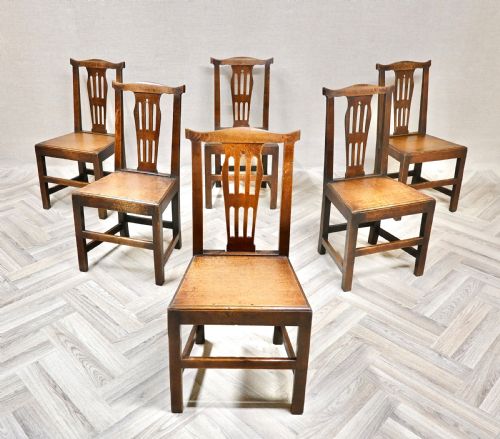
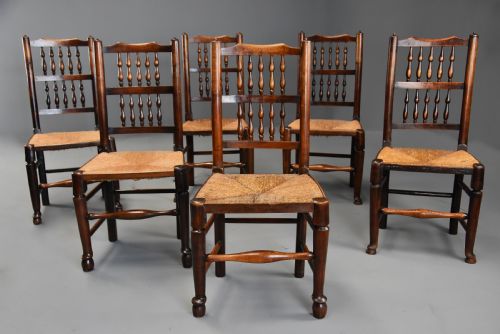
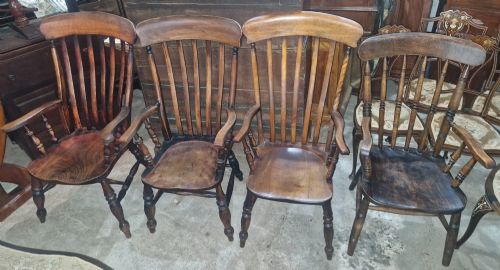
A rustic dining chair is a traditional vernacular seat designed for farmhouse kitchens and country dining rooms, built to endure daily use rather than display courtly fashion. When exploring this selection, buyers encounter practical forms ranging from sturdy side chairs to high-backed armchairs intended to sit at the head of a table.
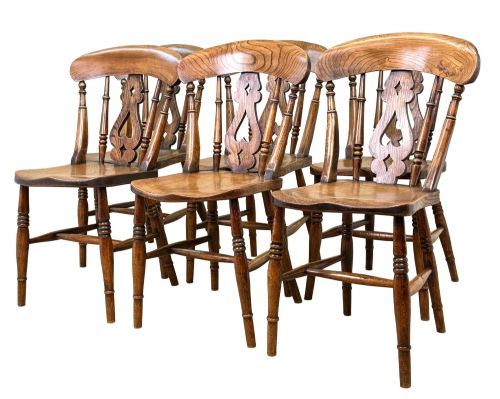
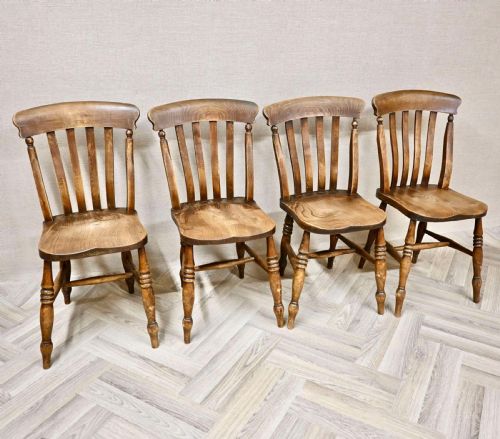
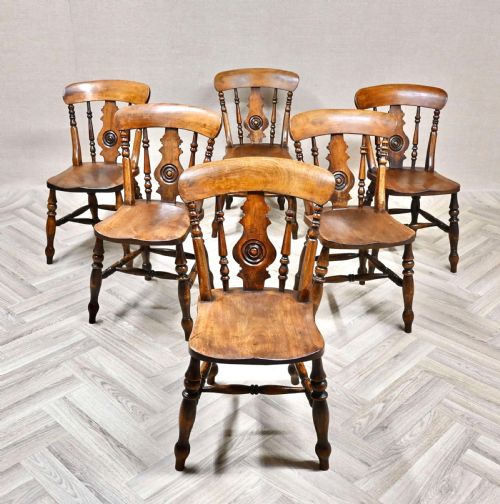
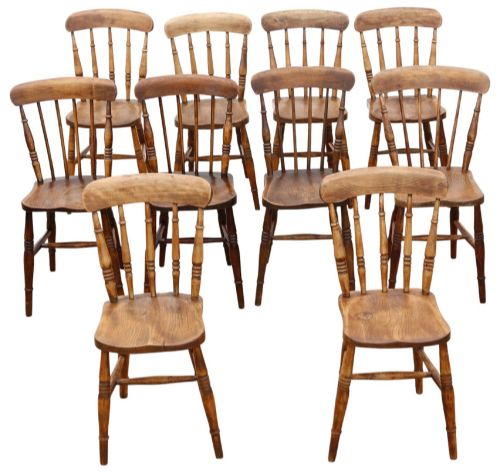
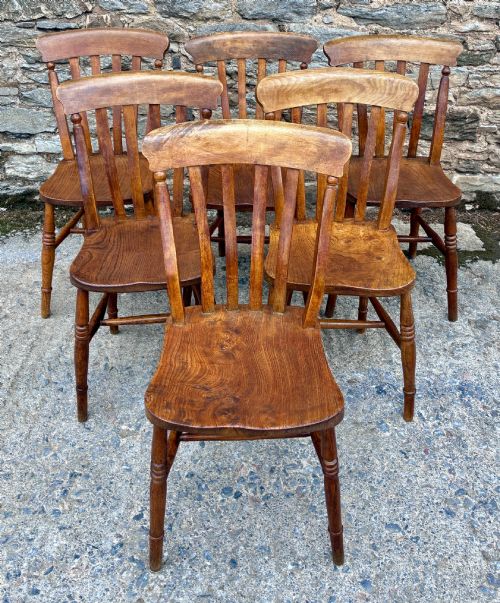
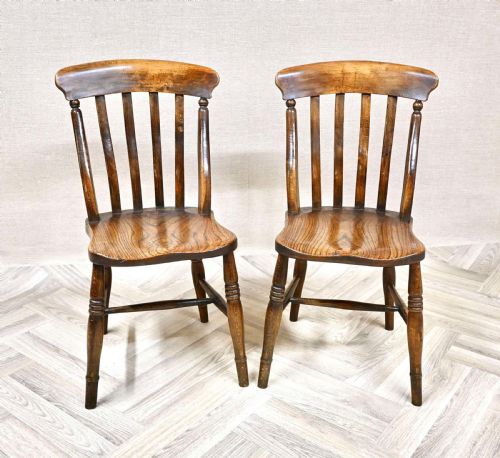
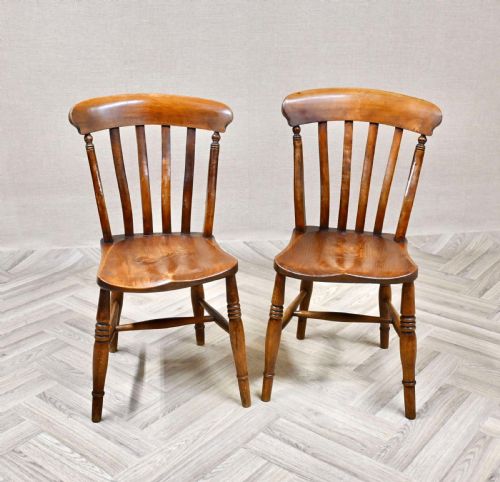
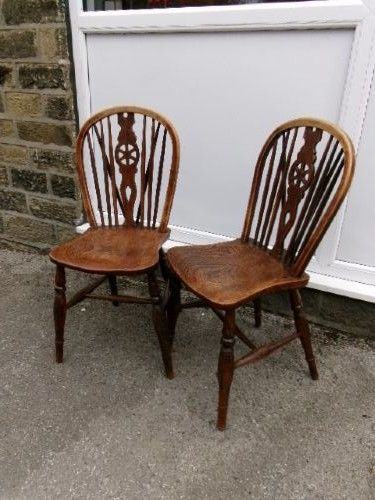
The most common examples on this page are Windsor and ladder-back chairs originating from the eighteenth and nineteenth centuries, often found in matched or harlequin sets. These pieces reflect regional English and Welsh traditions, utilising local timbers shaped by country joiners and chair bodgers.
Makers shaped these utilitarian seats using functional types like the wheelback, stick back, and lathe back, alongside rush-seated models. Such chairs bring an unpretentious architectural presence to contemporary interiors while retaining their original domestic purpose.
How they were made
Makers built these chairs using a combination of durable timbers chosen for specific structural demands, frequently pairing elm for comfortable, resilient seats with ash, beech, or oak for bent parts and spindles. This mixed-wood construction allowed the timber to respond naturally to shifts in humidity while maintaining rigidity.
Traditional construction methods relied on steam-bending for components like hoops and armbows, alongside turned uprights and wedged tenon joints that locked components securely together. Many examples incorporate woven rush for seating surfaces, secured directly to the frame.
Surface finishing remained straightforward, relying on natural oils, wax, and decades of handling to develop a deep patina on the bare wood rather than heavy painted or lacquered coatings.
What varies in quality
Quality in these country pieces lies in the integrity of the original construction and the preservation of the timber's surface rather than elaborate decoration. Chairs that retain their original wedged joints, unthinned seats, and matching turned components command greater regard from collectors.
The degree of wear on footings and stretchers distinguishes fine survivals from heavily restored examples, as does the clarity of the turning on spindles and legs. A balanced harlequin set relies on consistent proportions and shared vernacular details to hold visual harmony around a table.
Dinco Penny
The Rustic Dining Chair Glossary
- Windsor chair
- A wooden chair featuring a thick solid timber seat into which the legs and back spindles are separately joined. These versatile country seats evolved distinct regional styles throughout Britain.
- Harlequin set
- A collection of dining chairs that share a similar period, style, or material while varying slightly in individual detail. Such groups were frequently assembled over time from similar vernacular workshops.
- Spindle back
- A chair back constructed from multiple slender, turned vertical wooden rods secured between a top rail and the seat. This lightweight construction method provides robust support.
- Rush seat
- A seating surface woven from dried marsh rushes twisted into cords and laced around the chair rails. This traditional method offers a flexible and supportive base.
- Bobbin turned
- Furniture legs or stretchers shaped on a lathe to resemble a series of rounded wooden beads or bobbins threaded together. This decorative turning technique appears on seventeenth and eighteenth-century seating.
Rustic Dining Chair: Frequently Asked Questions
How do I mix rustic chairs?
Mixing rustic chairs involves gathering pieces with shared materials, such as elm seats and ash spindles, to create an appealing harlequin arrangement around a central table. Maintaining similar heights and back styles helps unify the composition.
Allowing slight variations in turning and age adds depth to a dining space, provided the overall scale remains consistent across the set.
Are these chairs comfortable for dining?
These country chairs were designed for practical daily use, featuring sculpted wooden saddles or supportive rush bases that accommodate long periods of sitting.
Adding loose seat pads can increase comfort while preserving the exposed timber and traditional lines of the original frame.
How do I date an old chair?
Dating relies on examining tool marks, timber selection, and construction techniques, such as the use of unrefined lathe turnings or early pegged joinery. Examining the wear patterns on the seat base and footings also indicates age.
Comparing the specific back design, such as a wheelback or ladder back, against known regional styles helps narrow the manufacturing period.
How do I care for antique wood?
Caring for antique wood requires maintaining stable indoor humidity and avoiding direct placement near heat sources that could dry out the timber. Applying a neutral beeswax polish occasionally helps nourish the surface.
Cleaning should be done with a soft, dry cloth to protect the accumulated patina developed over centuries of use.