
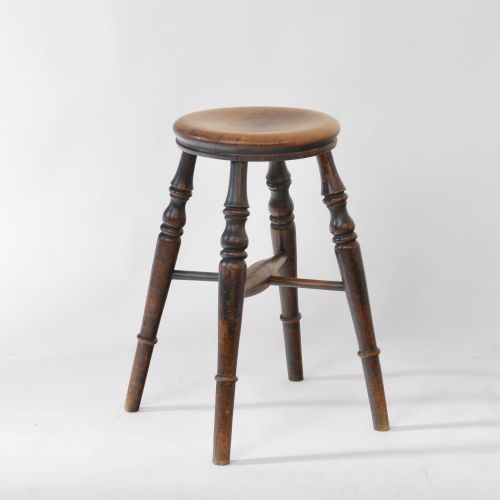
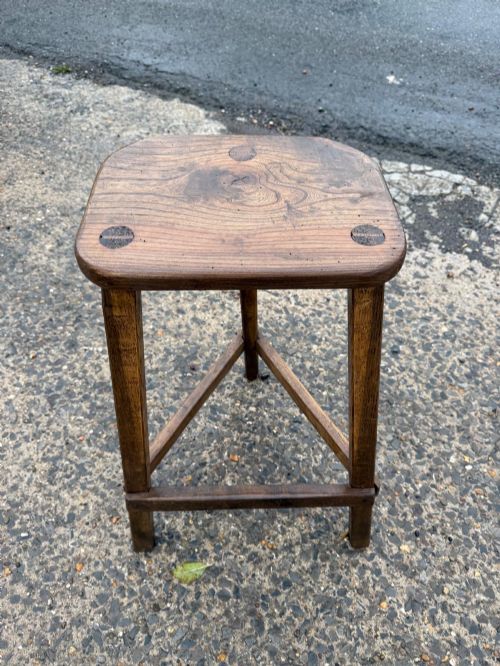
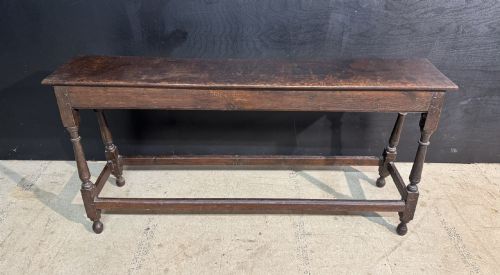
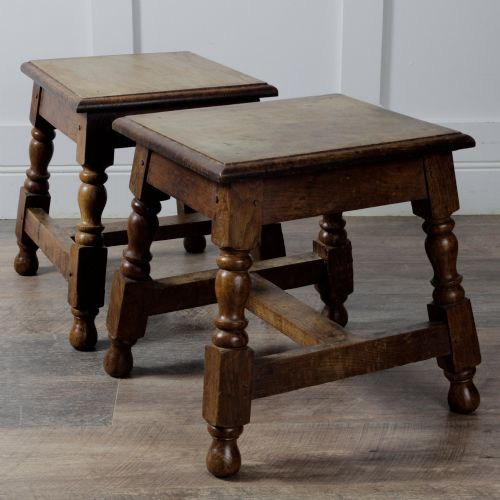
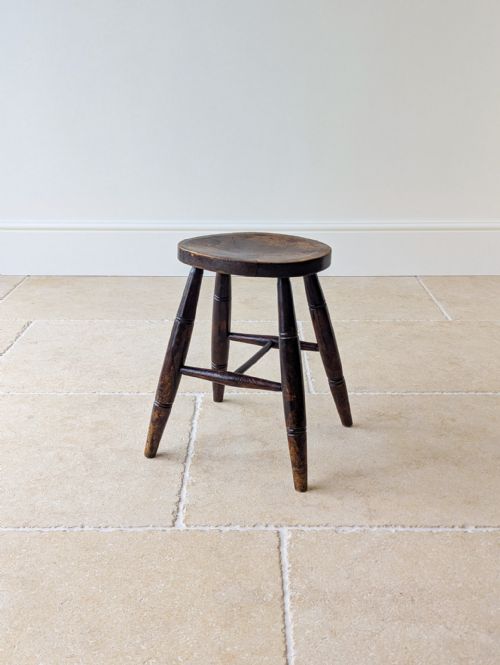
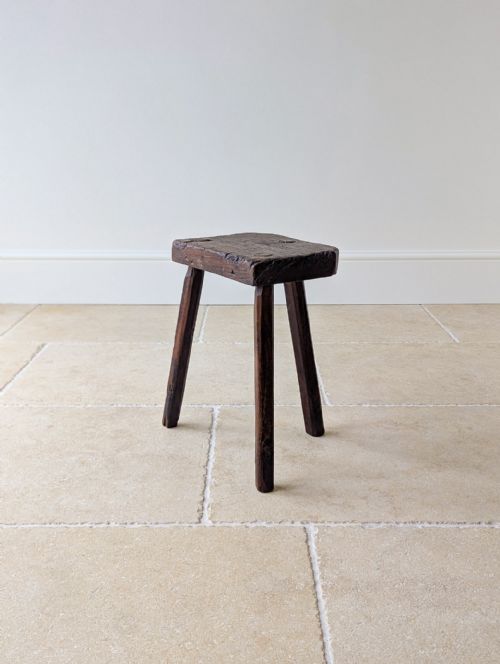

Rustic Dark Oak Stool
These rustic dark oak stools are solid timber seats built for utility, offering enduring character and robust everyday function for the home.
Rustic Dark Oak Stool
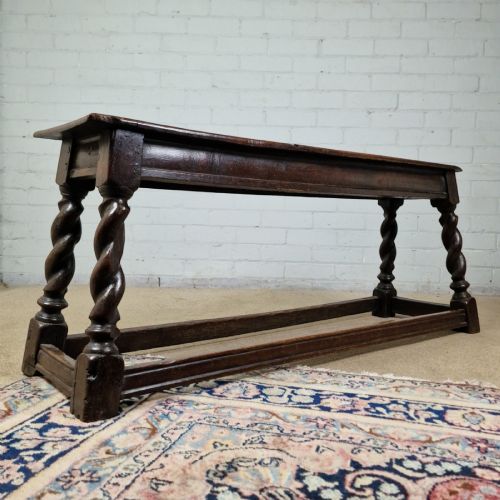
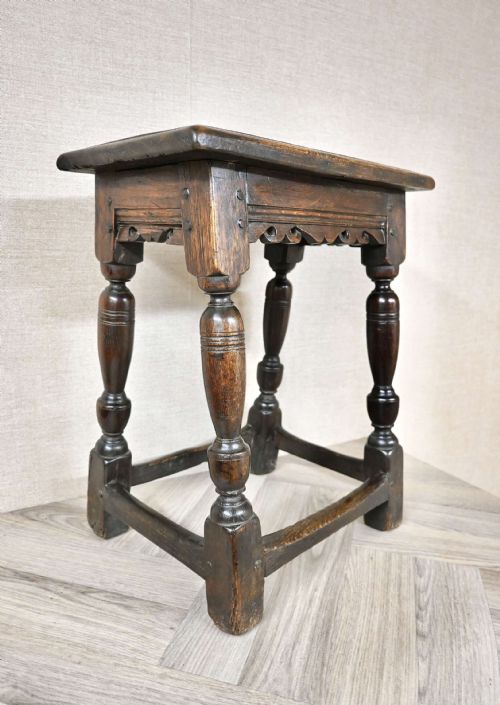
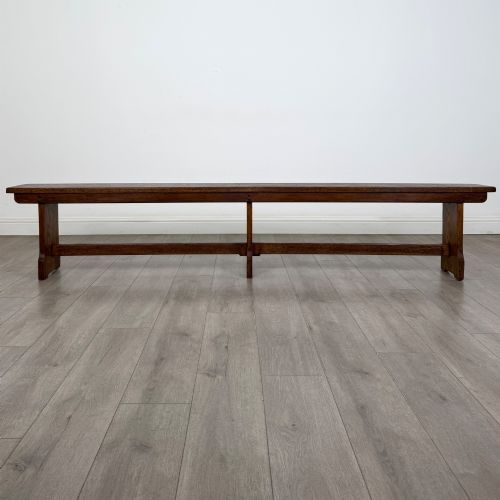
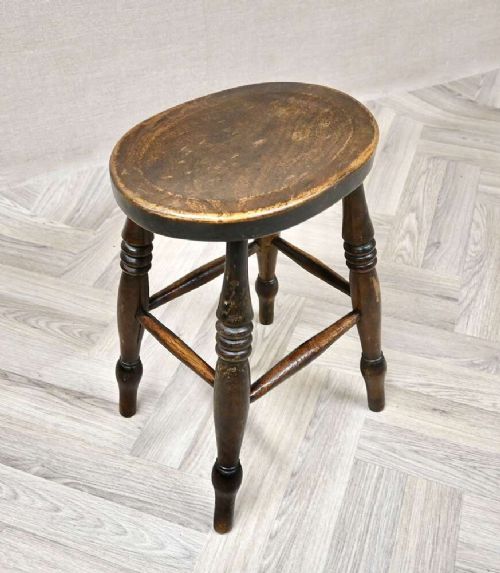
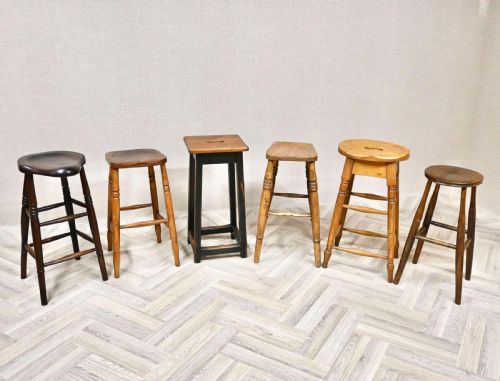
A rustic dark oak stool brings centuries of utilitarian design into contemporary interiors, serving as a versatile seat or display surface. When searching for a rustic dark oak stool, a buyer encounters forms ranging from seventeenth-century joint stools to nineteenth-century vernacular and Arts and Crafts examples.
Makers shaped these items from native timbers to withstand heavy daily wear, resulting in sturdy proportions and unpretentious silhouettes. Each piece demonstrates the functional requirements of its original period, whether built for a tavern, a jeweller's workbench, or a farmhouse hearth.
Materials and construction
Carpenters built these pieces primarily from solid oak, supplemented by elm, ash, beech, and sycamore for seats and turnings. Timber selection depended on the functional demands of the frame, with dense hardwoods chosen for load-bearing legs and stretchers.
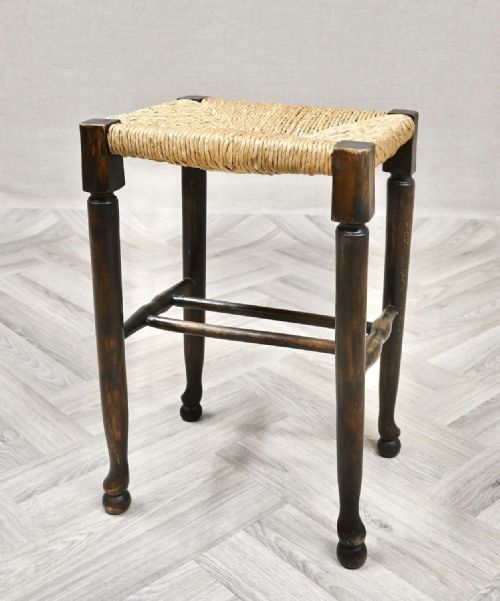
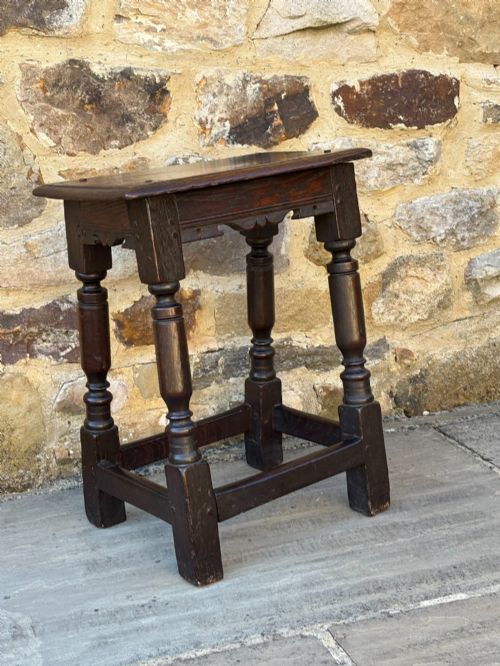
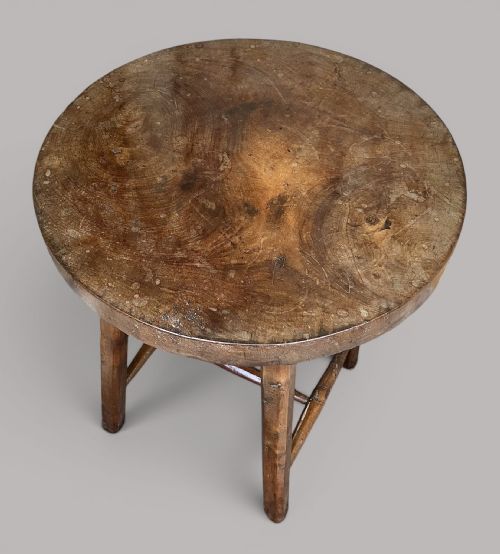
Construction methods rely on traditional joinery, including pegged mortise and tenon joints seen in joint stools. Planks were joined securely, while rush seating and sculpted solid wooden tops provided durable surfaces for daily sitting.
Listings incorporate items spanning the seventeenth century through to the Arts and Crafts period, utilising oak, elm, ash, and rush.
Evaluating quality and character
Quality in these pieces rests upon the integrity of the original construction and the preservation of surface patination. Untouched timber surfaces bearing deep patination and honest wear distinguish superior examples from heavily restored or altered items.
Proportion and structural balance dictate the success of the form, whether dealing with a low joint stool or a tall bar variant. Strong joints, minimal replacement timber, and well-balanced proportions separate the finest vernacular survivals from standard workshop output.
Jack Grimble
The Rustic Dark Oak Stool Glossary
- Joint stool
- A sturdy wooden seat constructed with mortise and tenon joints, commonly pegged together rather than glued. These seventeenth-century and later forms served multiple domestic purposes.
- Pegged construction
- A method of joining wooden elements using wooden pins or trunnels driven through mortise and tenon joints. This technique provides durable rigidity without relying on metal fasteners.
- Vernacular
- Objects designed and built by local craftsmen for practical use rather than following high-style academic architectural rules. Such pieces often display regional characteristics and resourceful material usage.
- Patina
- The surface sheen and colour developed on timber over decades or centuries through handling, light exposure, and waxing. A deep patina indicates age and continuous use.
- Rush seat
- A seating surface woven from dried marsh rushes, wound tightly around a supporting frame. This traditional method creates a resilient, textured pad for country chairs and stools.
Rustic Dark Oak Stool: Frequently Asked Questions
What is a joint stool?
A joint stool is a sturdy wooden seat built with pegged mortise and tenon joinery during the seventeenth century and later periods.
These pieces were originally used for seating at the table or as occasional stands in domestic interiors.
How do I style a rustic stool?
Place a low oak stool beside a chair as a small surface for books or cups, or use a tall variant by a kitchen counter.
The rich timber tones and honest construction add warmth and texture to both traditional and modern rooms.
Are these stools comfortable to sit on?
Many examples feature flat wooden tops or sculpted oval dished seats designed for utilitarian function rather than prolonged lounging.
Adding a small cushion or choosing a rush seat version provides extra comfort for daily use.
How can I tell the age of a stool?
Age is determined by observing construction details, tool marks, timber shrinkage, and the depth of the surface patina.
Earlier pieces often show pegged joinery and hand- cleft wood, while nineteenth-century versions reflect later workshop practices.