

Rustic Country Pine Coffer
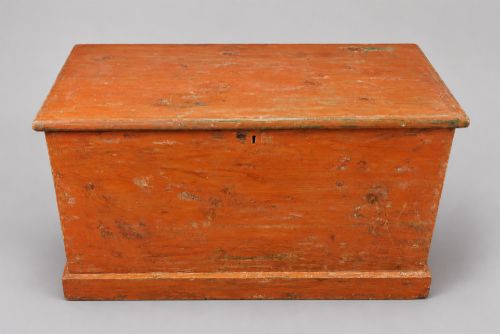
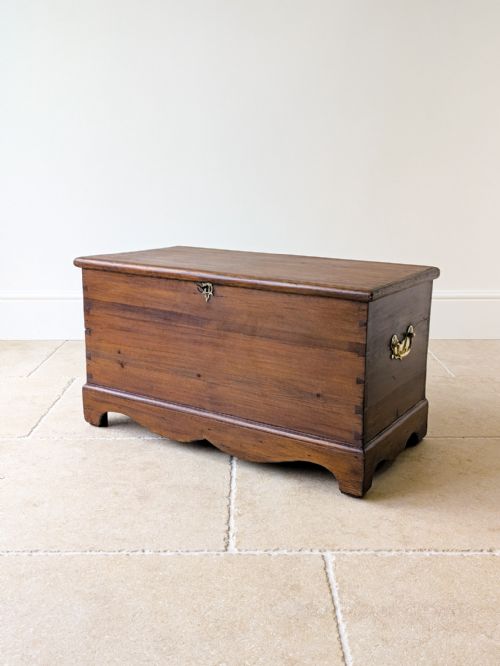
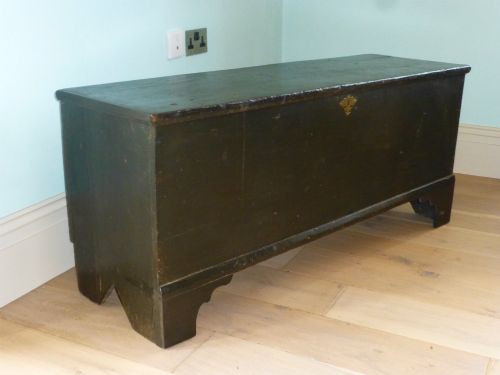
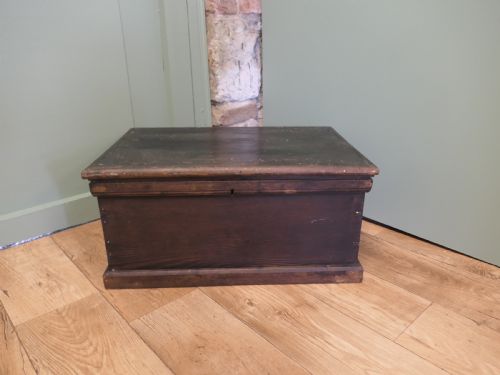
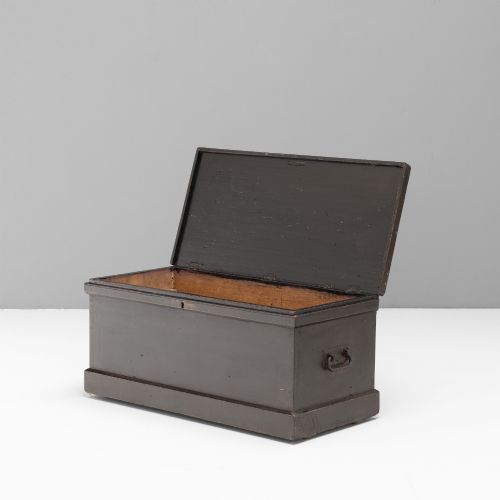
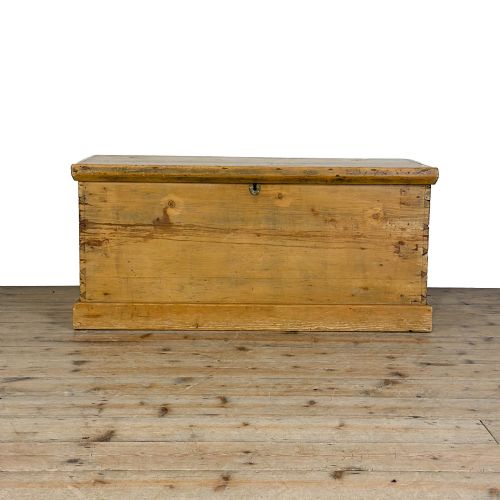
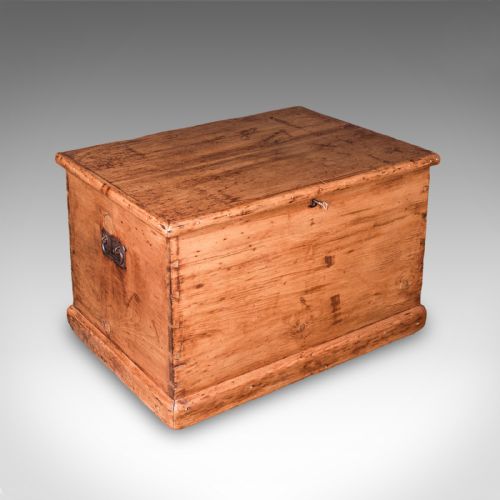
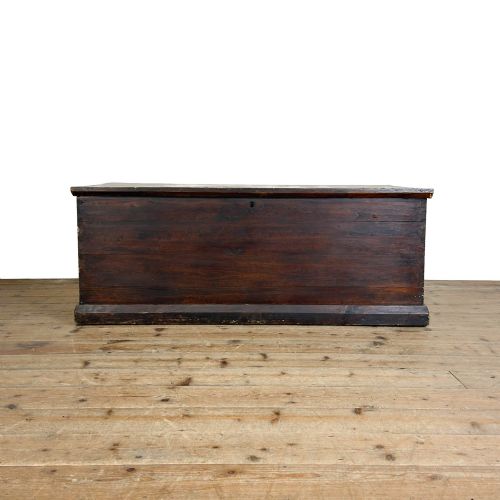
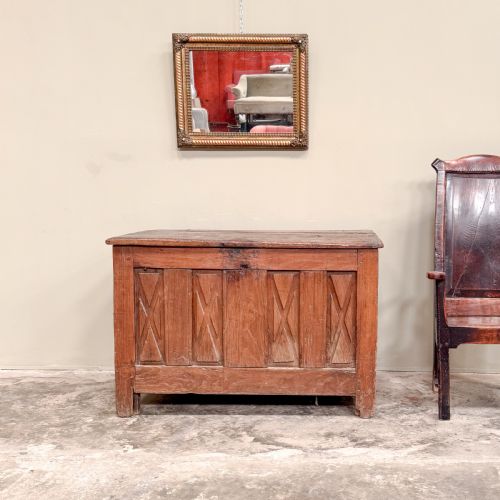
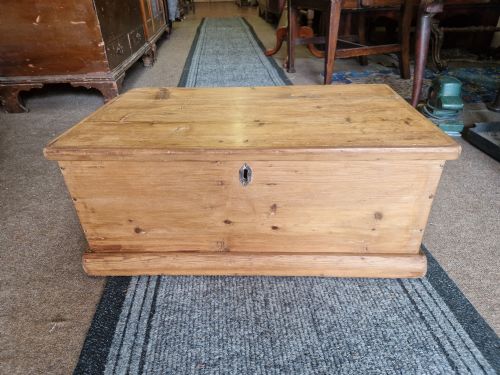
A rustic country pine coffer is a solid domestic storage chest built for utility, offering heavy timber construction and honest vernacular charm.
Rustic Country Pine Coffer
A rustic country pine coffer serves as a traditional storage vessel, appearing across domestic settings in forms such as blanket boxes, mule chests, and trunks. These pieces date primarily from the eighteenth and nineteenth centuries, spanning Georgian and Victorian periods.
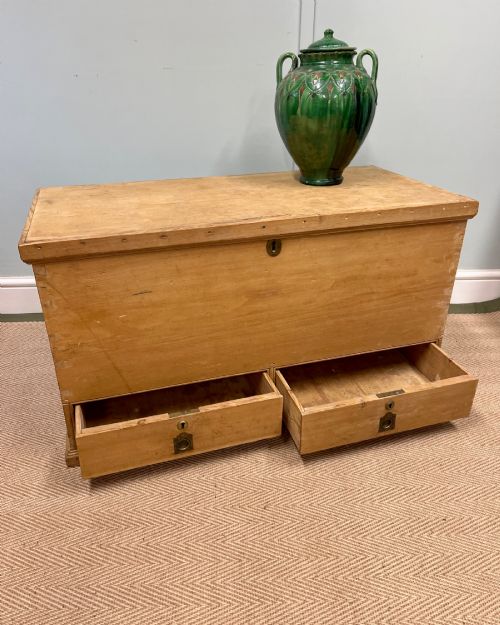
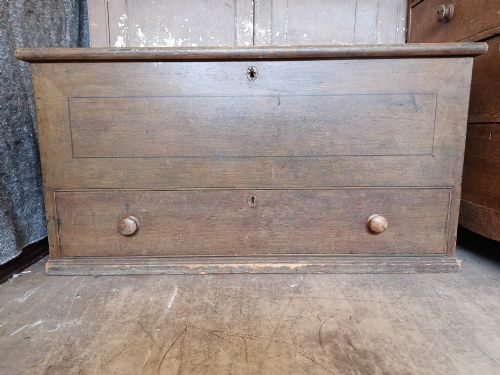
Buyers encounter examples originating from British workshops alongside continental pieces from Sweden, Hungary, France, and Austria. The selection ranges from simple six-plank constructions to larger mule chests fitted with lower drawers.
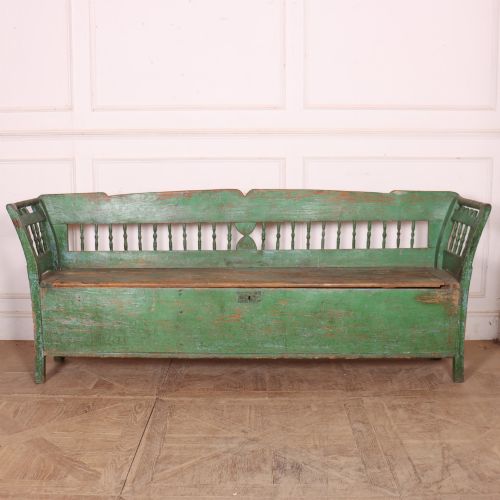
Mule chests and storage trunks provide deep internal capacity while benches and settles integrate seating with lidded box storage. Surfaces display either stripped timber, old wax finishes, or original paint.
How they were made
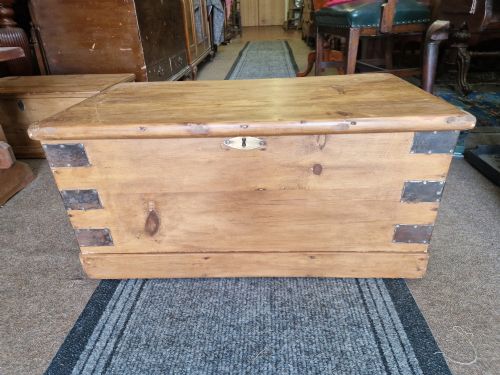
Constructed predominantly from solid pine timber, these pieces rely on straightforward joinery such as dovetails, tongue and groove boards, or simple plank arrangements with V-cut ends. Blacksmiths provided utilitarian hardware including wrought iron strap hinges, bracket feet, and robust carrying handles.
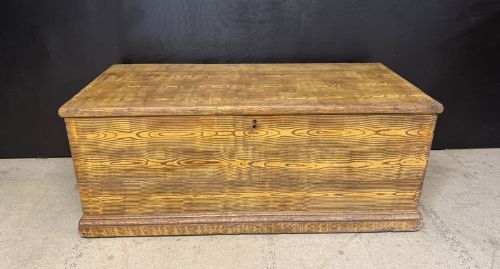
Surface treatments vary from applied pigmented wax to traditional finishes like scumble glaze, grain painting, and original folk art decoration. Iron banding reinforces heavy storage trunks intended for travel or estate use.
Rustic Country Pine Coffer Retail Price Guide 2026
Typical asking prices for rustic country pine coffer among the pieces listed under this phrase on Sellingantiques today, from the lower quarter to the upper quarter. They describe what is for sale here now, not the wider market.
Materials recorded on this page include solid pine, wrought iron, brass, and original painted wood finishes.
What varies in quality
Quality rests in the originality of the surface and the integrity of the timber. Pieces retaining their original paint, scumble finishes, or early wax patination stand apart from those stripped down to bare wood in later decades.
Structural honesty defines the better examples, where original hinges, feet, and internal till boxes remain intact without extensive timber replacement. Finer items exhibit careful proportion and purposeful joinery rather than purely utilitarian assembly.
The Rustic Country Pine Coffer Glossary
- Cofer
- A large wooden chest used traditionally for storing valuables, linens, or dry goods. Early versions often feature six-plank construction.
- Mule chest
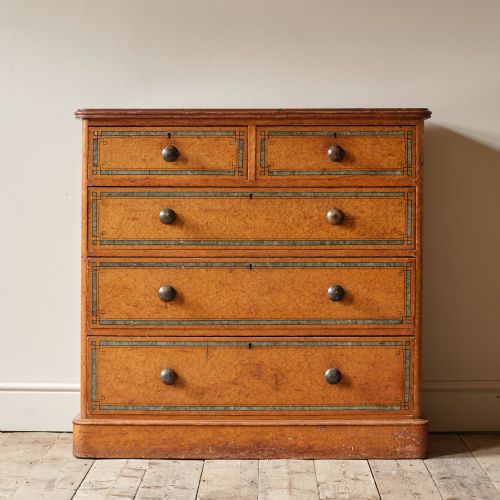
- A storage chest with one or more drawers built into the base beneath the primary lidded compartment. This form bridges the traditional trunk and the chest of drawers.
- Scumble
- A decorative painting technique involving a translucent top coat dragged or brushed over a lighter base colour to simulate richer wood grains. It appears frequently on Victorian storage boxes.
- Six-plank
- A primitive method of chest construction joining six individual boards of timber with pegging or butt joints. V-cut ends often terminate the upright side boards.
- Settle
- A wooden bench featuring high backrests, solid armrests, and a box seat compartment accessible beneath the hinged bench top.
Rustic Country Pine Coffer: Frequently Asked Questions
What is a rustic country pine coffer?
A rustic country pine coffer is a lidded wooden storage box built by regional craftsmen for domestic utility. These chests served to hold blankets, clothing, or household provisions in farmhouses and country homes.
They appear in various forms, including simple six-plank boxes, mule chests with lower drawers, and domed trunks. Their appeal lies in honest vernacular construction and aged timber surfaces.
How were pine coffers used historically?
Historically, these chests functioned as portable storage units for textiles, personal valuables, and dry goods before fitted closets became common. They kept contents protected from dust, dampness, and pests in domestic quarters.
Many examples doubled as seating benches or tables within modest rural homes. Larger trunks also served for transporting personal belongings during travel.
How do I distinguish Georgian from Victorian pine chests?
Georgian pine chests, dating from the eighteenth century, typically display hand-cut dovetails, pegged joints, and older wax patination. Their proportions often reflect restrained vernacular design and heavy timber thickness.
Victorian pieces, produced during the nineteenth century, frequently incorporate machine-sawn components, varied scumble paint finishes, or iron strap work. They also encompass a wider variety of regional European folk art styles.
How do I care for antique pine furniture?
Keep antique pine away from direct heat sources and drastic humidity changes to prevent timber splitting or warping. Dust surfaces gently with a dry cloth and avoid harsh chemical cleaners.
Apply a traditional beeswax sparingly if the timber appears dry, allowing the wax to nourish the aged surface without building up excessive residue.