

Victorian Painted Storage Chest
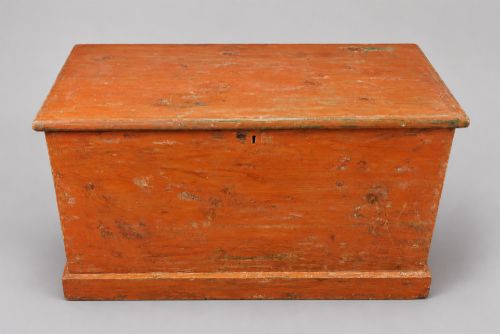
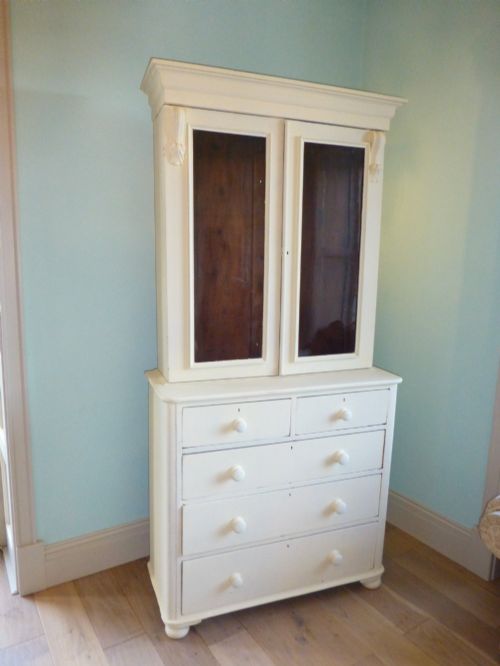
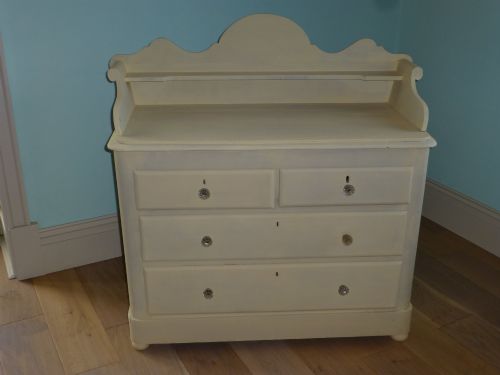
A victorian painted storage chest brings robust utility and decorative charm into a room, offering practical storage disguised in colourful historical finishes.
Victorian Painted Storage Chest
When you search for a victorian painted storage chest, you encounter sturdy timber receptacles designed for holding clothing, blankets, and household goods. These items date primarily from the nineteenth century, encompassing styles from rustic country houses to maritime settings.
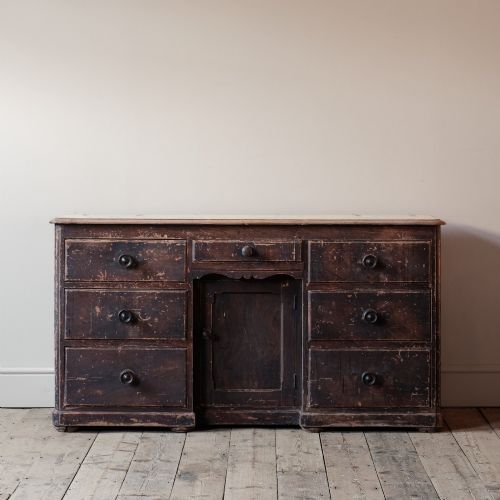
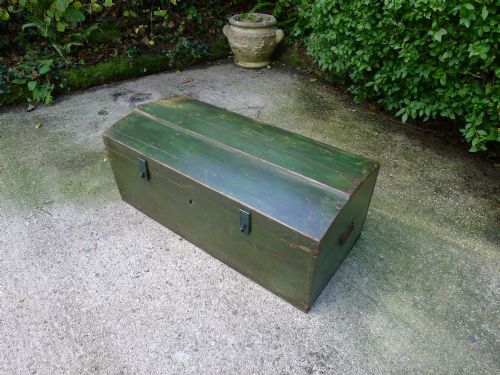
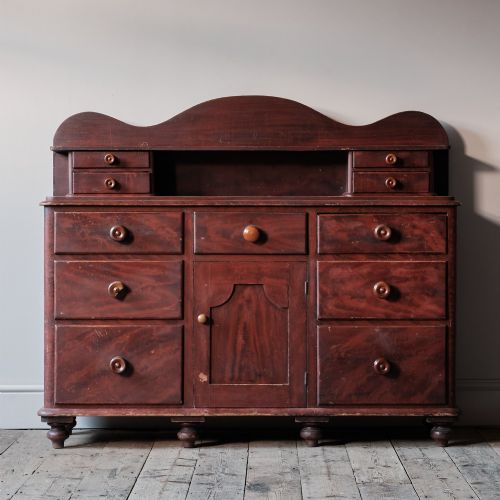
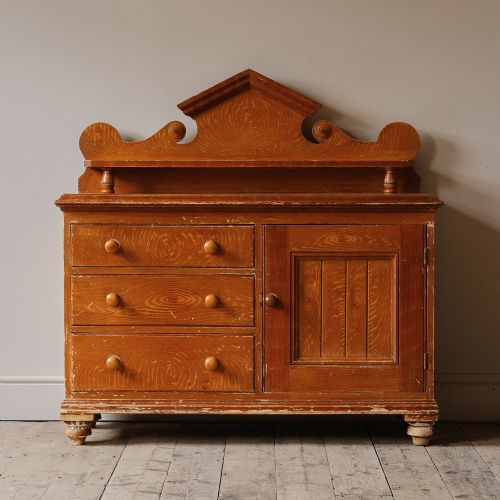
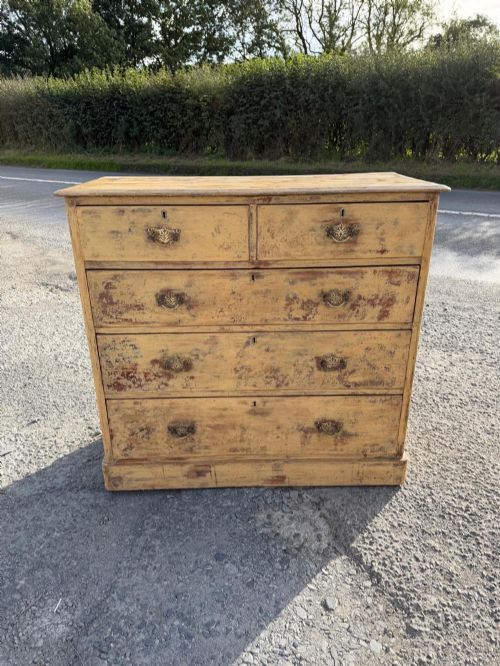
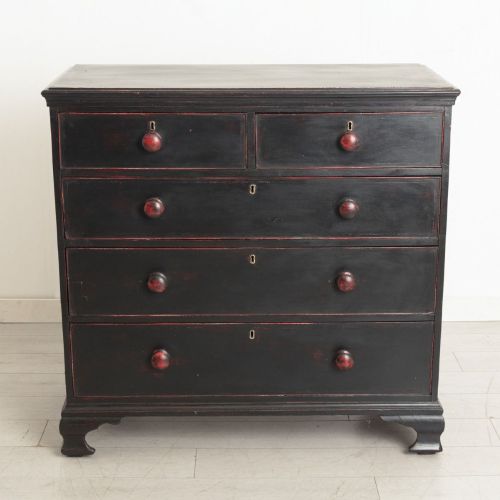
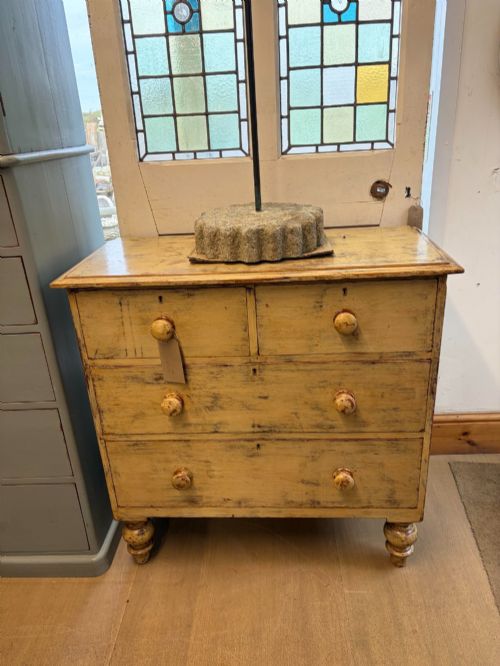
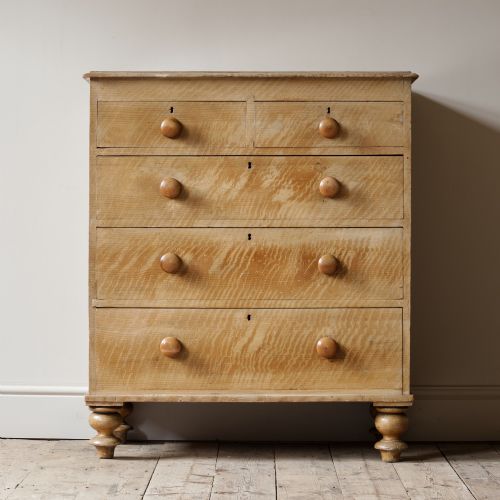
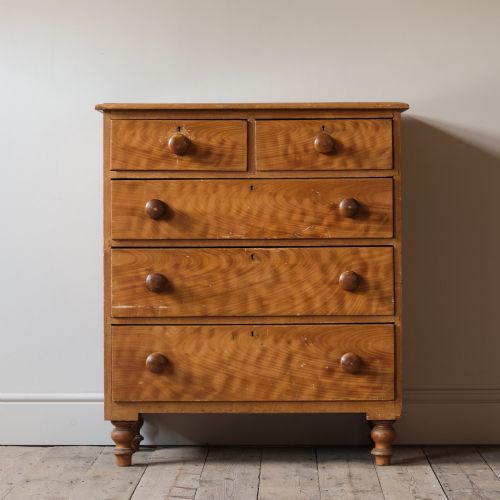
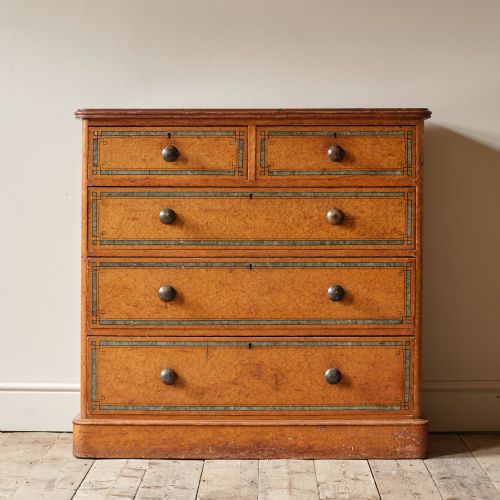
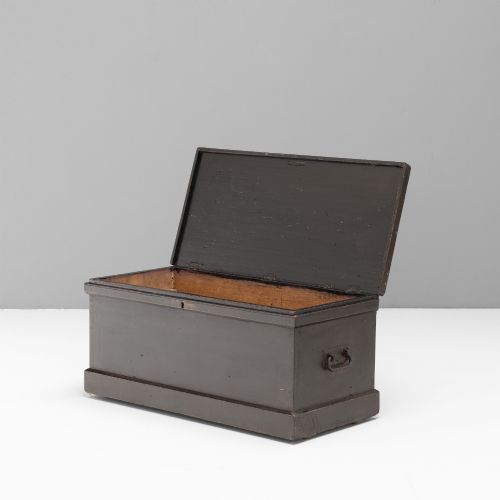
The most common version on this page is the pine chest of drawers or blanket box coated in period paint finishes. Many retain original pigments, ranging from scumble glazes imitating finer timbers to solid coats of blue, grey, or black.
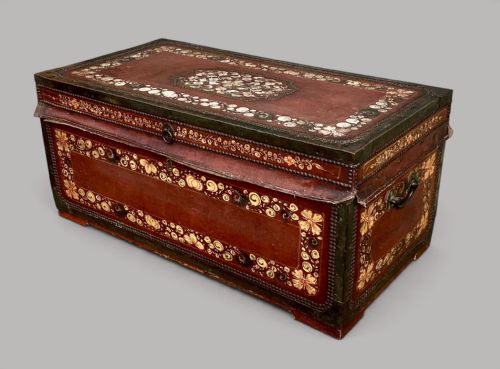
Makers produced these storage pieces for domestic utility, travel, and trade, resulting in formats that include campaign trunks, blanket boxes, and multi-drawer storage cabinets. Each piece reflects the functional demands of nineteenth-century life combined with decorative surface treatments.
How they were made
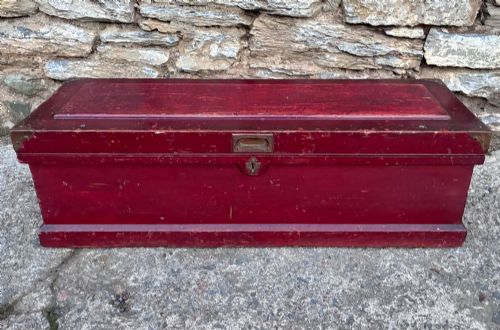
Carpenters constructed the primary structures using solid pine and other available woods, joining boards with traditional methods suited to heavy daily use. Iron and brass hardware, including hinges, carrying handles, and lock plates, reinforced the corners and lids of travel trunks and blanket boxes.
Surfaces received protective and decorative coatings of paint, metal, and glass elements where applicable. Artisans applied scumble paint to simulate the grain of expensive hardwoods like oak or walnut, or used stencils and hand-painting techniques to ornament the exterior.
Victorian Painted Storage Chest Retail Price Guide 2026
Typical asking prices for victorian painted storage chest among the pieces listed under this phrase on Sellingantiques today, from the lower quarter to the upper quarter. They describe what is for sale here now, not the wider market.
A few chests retain travel labels and transit marks from journeys taken long before modern motorways existed.
What varies in quality
The preservation of the original surface finish largely determines the quality of a victorian painted storage chest. Pieces retaining their untouched, historic layers of paint or scumble glaze command greater interest than those stripped or repassed in modern emulsions.
Structural integrity and the retention of original hardware, such as brass campaign handles and iron hinges, separate standard utility boxes from superior examples. Fine craftsmanship shows in the dovetail joinery of the drawers and the balanced proportions of the carcase.
Edwards and Roberts
The Victorian Painted Storage Chest Glossary
- Scumble
- A translucent layer of dark glaze dragged over a lighter painted base to imitate the rich grain of wood. This technique was widely utilised on pine furniture during the nineteenth century.
- Campaign chest
- A modular storage chest built in sections with recessed brass handles and corner brackets, designed for easy transport by military officers. These pieces separate into distinct parts for travel.
- Blanket box
- A large rectangular chest with a hinged lid used originally for storing textiles, woollens, and bedding. They often form the foundation of country house and folk art furniture collections.
- Pine
- A soft timber sourced extensively for nineteenth-century domestic furniture and storage boxes. It served as the primary canvas for painted and scumbled decorative finishes.
Victorian Painted Storage Chest: Frequently Asked Questions
How do I care for original painted furniture?
Protect original painted surfaces by keeping them away from direct sunlight and maintaining stable room humidity. Dust gently with a dry, soft cloth rather than using liquid cleaning products.
Avoid abrasive polishes that can lift historic paint layers and compromise the aged patina of the chest.
What is a campaign chest used for?
Campaign chests provided portable storage for British military officers on active service during the nineteenth century. Their modular design allowed heavy wardrobes and documentation to travel securely across rough terrain.
Recessed brass handles and protective corner brackets prevented damage during transit while maintaining a streamlined profile.
How can I tell if the paint is original?
Original nineteenth-century paint shows uniform wear patterns, integration with the underlying timber, and natural ageing characteristics like craquelure. Inspecting corners and concealed areas often reveals early pigment layers beneath later dust.
Modern repainting usually lacks the depth, micro-cracking, and subtle colour variations found in genuine period finishes.