

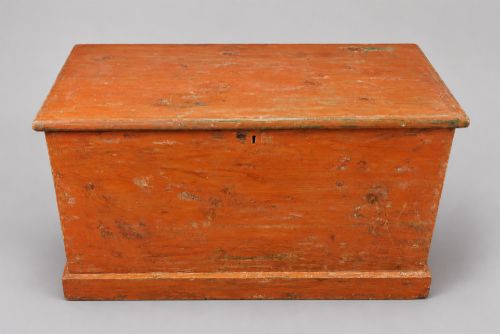
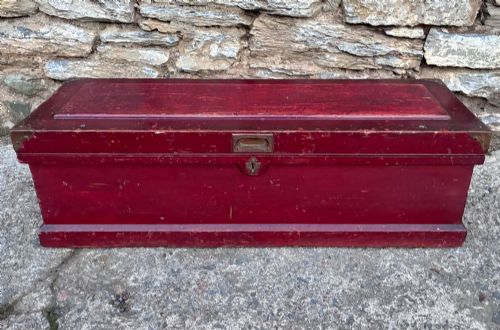


Antique Red Pine Trunk
An antique red pine trunk brings genuine folk art colour and robust domestic storage directly into a room.
Antique Red Pine Trunk
When you search for an antique red pine trunk, you are looking at utilitarian storage pieces built from softwood and often finished with decorative pigments. These items range from small domestic boxes and tool chests to larger blanket boxes, mule chests, and dowry coffers.
The versions you are most likely to meet on this page hail from the nineteenth century, including Georgian and Victorian examples alongside continental pieces. Many of these chests carry folk art traditions from Sweden, Hungary, and wider European regions.
Makers constructed these boxes for practical household utility, yet many survive with original paintwork intact. They function equally well as coffee tables, blanket storage, or standalone decorative accents in contemporary spaces.
How they were made
Carpenters built these trunks using sturdy pine timbers joined to withstand heavy daily use in domestic settings. Iron, wrought iron, and brass provided structural reinforcement through hinges, brackets, and carrying handles.
Makers applied traditional paint and pigment finishes directly to the wood surface, frequently incorporating floral motifs and folk art designs. Some examples were raised on bracket feet or mounted on stands to keep contents away from damp floors.
Antique Red Pine Trunk Retail Price Guide 2026
Typical asking prices for red pine trunk among the pieces listed under this phrase on Sellingantiques today, from the lower quarter to the upper quarter. They describe what is for sale here now, not the wider market.
Listings feature nineteenth-century pieces alongside Georgian and Victorian examples, utilising pine, iron, and original painted pigment.
What varies in quality
The distinction between standard utility boxes and superior examples rests heavily on the survival of original painted surfaces and decorative pigment. Pieces retaining uncompromised early folk art decoration command greater appreciation than plain stripped timber.
Structural integrity also separates the range, with well-preserved bracket feet, original iron hardware, and untouched interior compartments elevating a piece. Regional stylistic flourishes, such as specific Swedish or Hungarian forms, mark out finer workshops.
The Antique Red Pine Trunk Glossary
- Coffer
- A large wooden chest traditionally used for storing valuables, linens, or documents. These sturdy containers often feature hinged lids and iron reinforcement.
- Mule chest
- A storage chest featuring one or more drawers built into the base beneath the main compartment. This form bridges the gap between a traditional blanket box and a chest of drawers.
- Folk art
- Artistic work created within a traditional culture by self-taught or local artisans. In these listings, it refers to hand-painted floral motifs and regional decorative schemes.
- Dowry chest
- A large box prepared for a bride to hold household linens and personal possessions as she married. Families often decorated these pieces with specific dates and celebratory motifs.
- Bracket foot
- A furniture foot shaped like a small bracket, often mitred at the corner. This support elevates the body of the chest slightly off the floor.
Antique Red Pine Trunk: Frequently Asked Questions
What is a red pine trunk used for?
These trunks served historically to store blankets, clothing, tools, and valuable household goods. Today they offer deep storage for living spaces while functioning as coffee tables or statement furniture.
Their robust construction makes them practical for daily use, holding everything from spare bedding to modern household clutter out of sight.
How do I identify a Victorian pine chest?
Victorian pine chests generally date from the nineteenth century and display typical period proportions and construction methods. Look for original painted surfaces, iron hardware, and details like bracket feet.
Comparing the timber grain and the style of any painted folk art decoration helps distinguish these nineteenth-century pieces from later reproductions.
Are painted pine boxes Scandinavian?
Many painted pine boxes on this page originate from Scandinavian workshops, particularly Sweden, alongside examples from Hungary and other European regions. Regional folk art traditions heavily influenced the specific floral motifs and pigments used.
Checking the listed origins and design characteristics reveals whether a piece stems from Swedish folk traditions or Hungarian domestic workshops.
How should I care for original paint?
Keep painted pine trunks away from direct sunlight and excessive moisture to protect the historic pigments and wood. Dust gently with a dry cloth and avoid harsh chemical cleaners that might strip the finish.
Maintaining a stable room temperature prevents the pine timber from expanding and contracting, which preserves both the paint layers and the structural joints.