


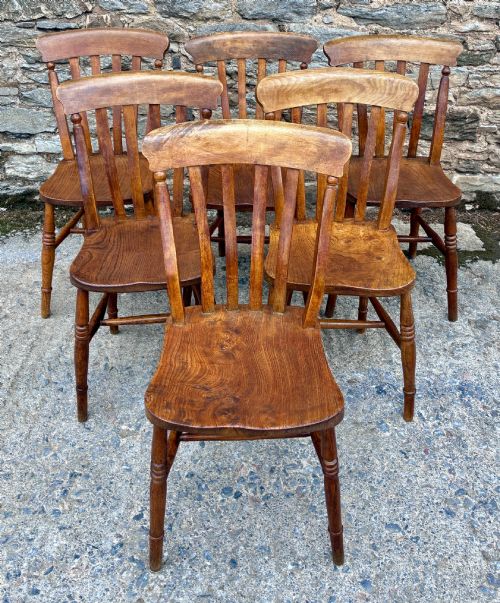
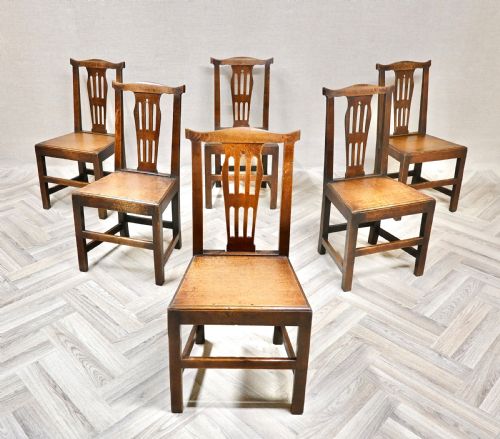
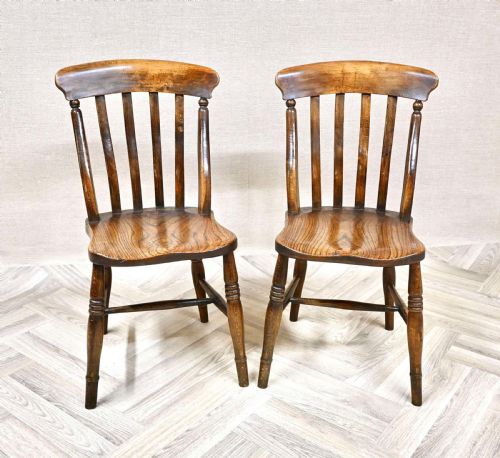
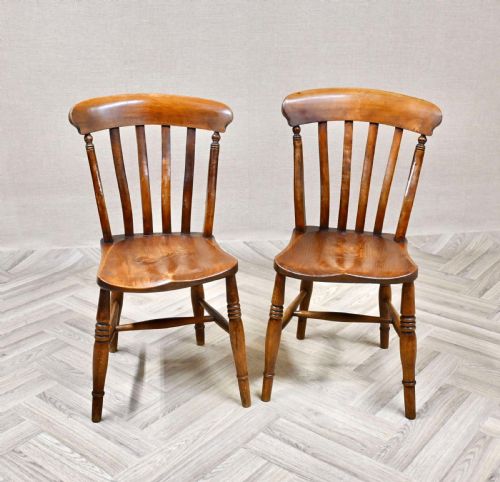
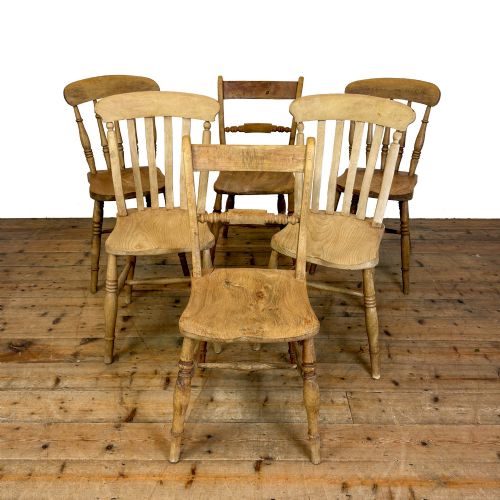
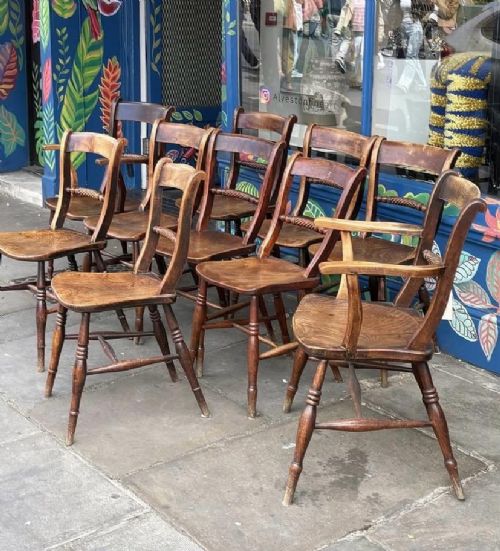
Rustic Country Kitchen Chairs
These rustic country kitchen chairs bring tactile warmth to an interior through honest vernacular design.
Rustic Country Kitchen Chairs
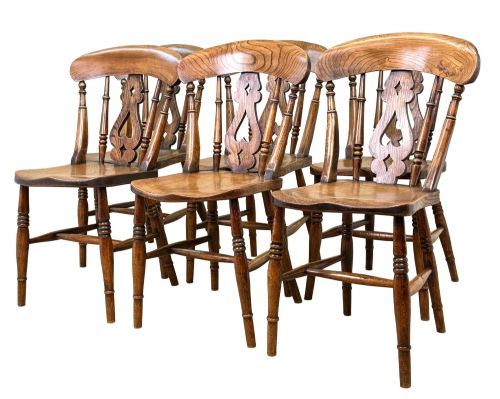
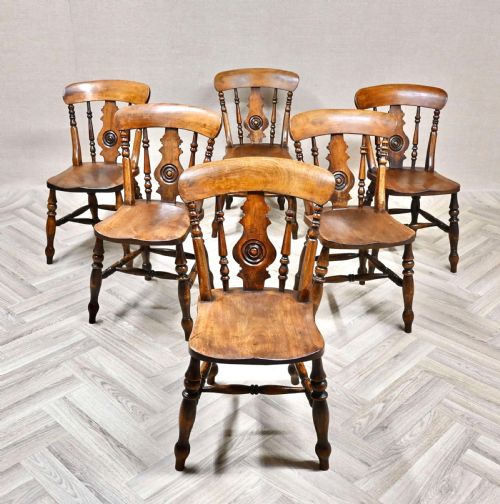
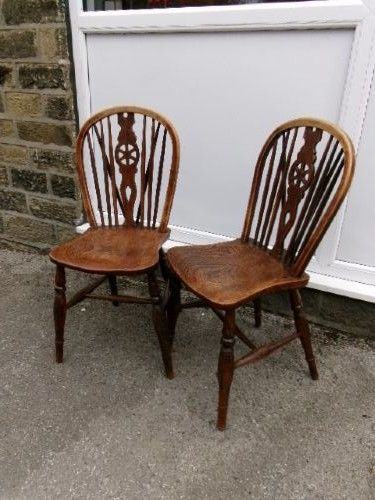
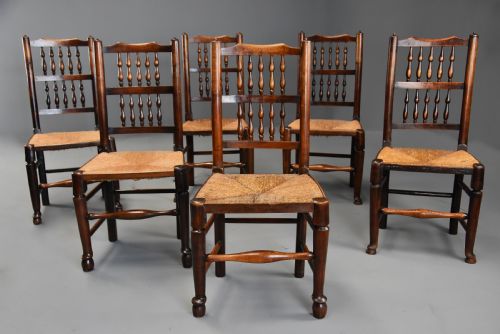
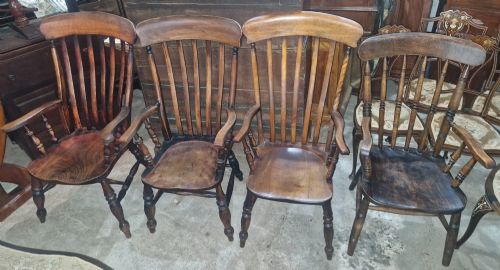
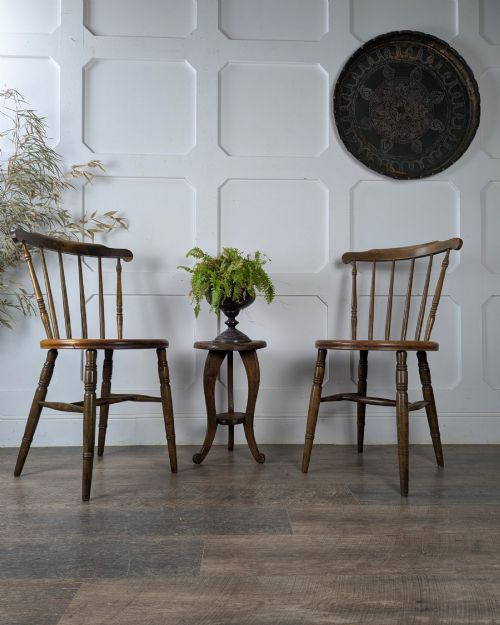
Rustic country kitchen chairs are utilitarian domestic seating forms originating in rural homes, cottages, and farmhouses. When exploring this selection, buyers frequently encounter matched sets and harlequin groups designed around dining tables.
Makers utilised regional traditions to shape these forms, yielding sturdy dining chairs, armchairs, benches, settles, and bar stools. Elm, beech, ash, oak, and pine feature prominently across the various provincial workshops.
Materials and construction
Craftsmen built these pieces using contrasting timbers, frequently pairing solid elm for sculpted seats with ash, beech, or oak for bentwood hoops, spindles, and legs. This combination provided structural resilience where stress was greatest during daily domestic labour.
Traditional joinery methods relied on unadorned pegged mortise and tenon joints alongside wedged through-tenons for Windsor iterations. Rush seating also appears, woven directly onto wooden frames to create flexible support.
Listings span periods from Georgian and Victorian eras through the 1930s, utilising elm, beech, oak, ash, rush, and pine.
Evaluating the pieces
Quality rests upon the integrity of the timber figure, the depth of patination developed through generations of use, and the balance of proportions. Superior examples retain original turned components without extensive replacement timber or compromised structural geometry.
The subtlety of the seat saddle carving and the grace of the spindle or hoop bending distinguish finer provincial work from standard utility seating. Sets displaying consistent wear patterns across all items hold greater cohesion than mismatched assemblages.
The Rustic Country Kitchen Chairs Glossary
- Windsor
- A traditional wooden chair featuring a solid carved wooden seat into which the legs and back sticks are directly tenoned. The back typically incorporates a bentwood hoop or a high splat.
- Harlequin set
- A collection of dining chairs that share a similar style, period, or material but vary slightly in individual detail. These assemblies formed naturally as rural households gathered chairs over time.
- Lathe back
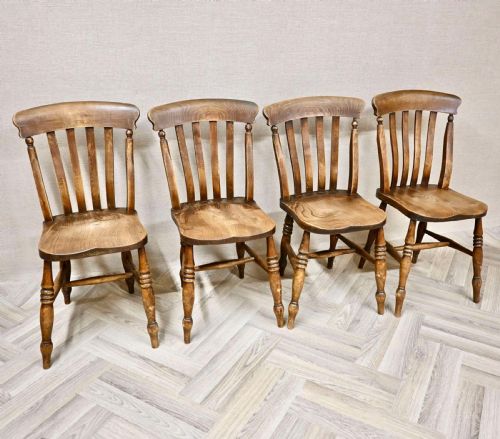
- A chair back constructed with horizontal flat wooden slats secured between vertical uprights. This regional vernacular design offers sturdy lumbar support.
- Saddle seat
- A wooden seat base scooped and shaped by hand to resemble an equestrian saddle. This shaping increases comfort during prolonged sitting.
- Stick back
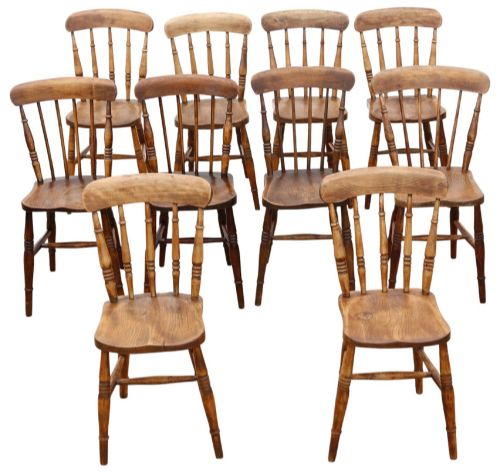
- A minimalist chair construction utilising slender turned spindles rather than a solid central splat. The spindles distribute weight evenly along the curved top rail.
Rustic Country Kitchen Chairs: Frequently Asked Questions
How do I care for antique wooden kitchen chairs?
Maintain the timber by applying natural beeswax sparingly to nourish the dry grain and preserve the surface sheen. Avoid placing the pieces near direct heat sources or rapid temperature shifts that cause timber shrinkage.
Clean surfaces simply with a soft, dry cloth rather than harsh chemical polishes. Gentle care protects the accumulated patina built across decades of domestic service.
Can I mix different chair styles around a table?
Combining diverse vernacular styles creates an authentic harlequin arrangement that reflects historical domestic practice. Country households routinely gathered disparate seating types around the kitchen hearth or dining board.
To maintain visual balance, ensure the seat heights align comfortably with your table surface. Unifying elements such as similar timber tones or shared construction periods help anchor the grouping.
What timber types are most common?
Elm is frequently encountered in the solid carved seats because its interlocking grain resists splitting under pressure. Ash and beech appear extensively in the turned legs, spindles, and steam-bent hoops.
Pine, oak, and occasionally fruitwood also feature depending on regional availability and workshop tradition. Each wood contributes distinct visual grain patterns and structural qualities to the finished object.
How do I identify a true period piece?
Examine the construction marks beneath the seat, where tool impressions and hand-turned surfaces indicate provincial manufacturing methods. Surface wear should align logically with human interaction over the nineteenth or early twentieth centuries.
Genuine examples display authentic patination, timber movement, and historical repairs rather than artificial distress. Comparing joint construction helps determine whether components originate from the same period.