
Rustic Country Dining Chair
A rustic country dining chair brings genuine historic character to a room, offering sturdy seating formed from honest local timbers.
What these rustic country dining chairs are
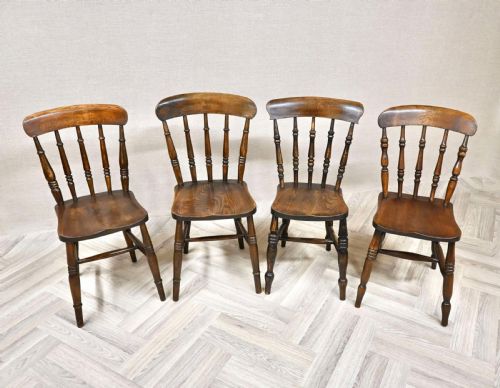
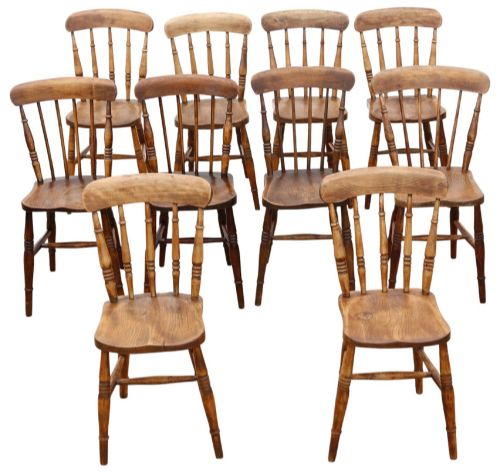
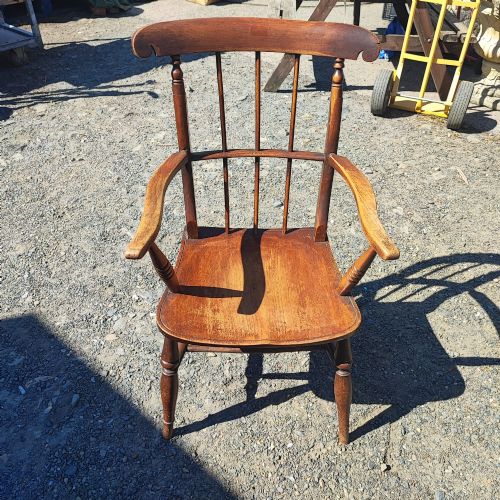
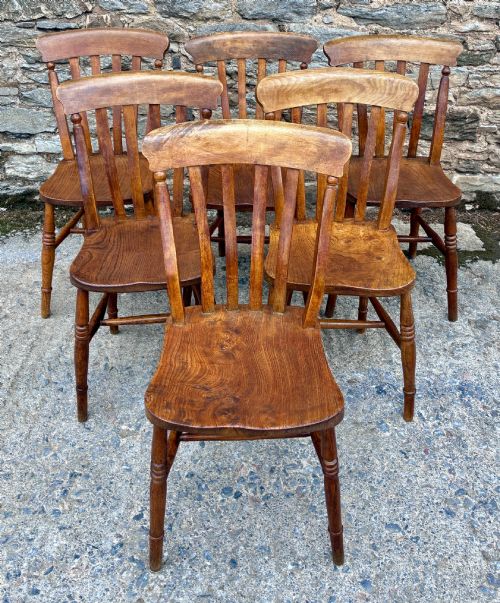
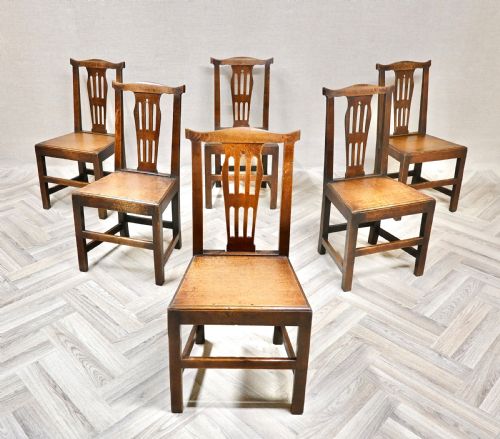
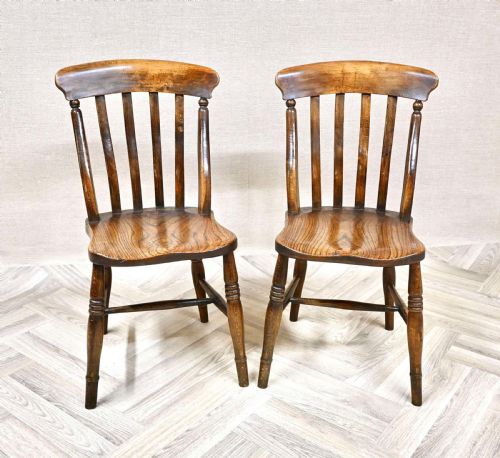
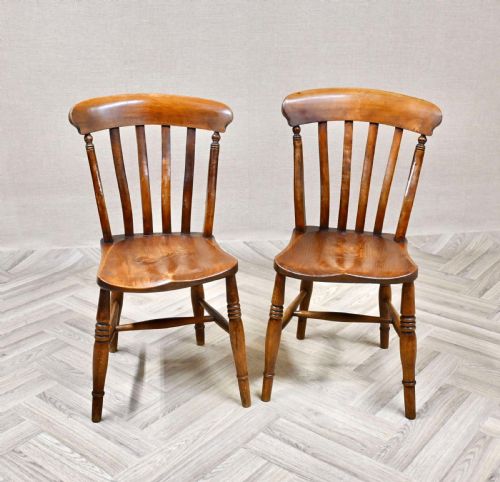
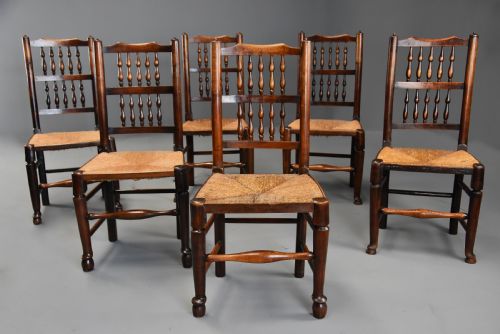
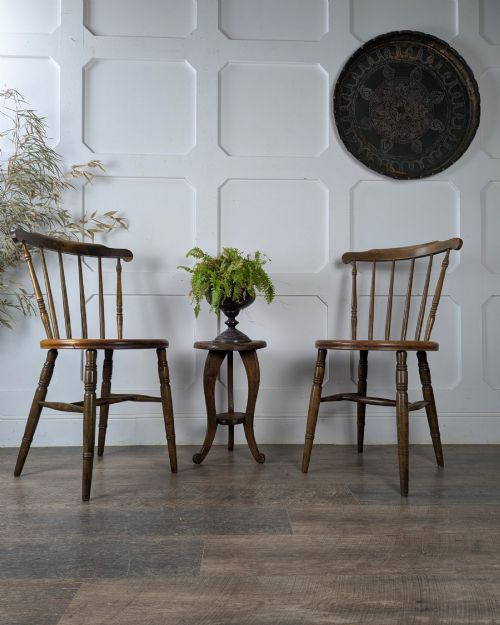
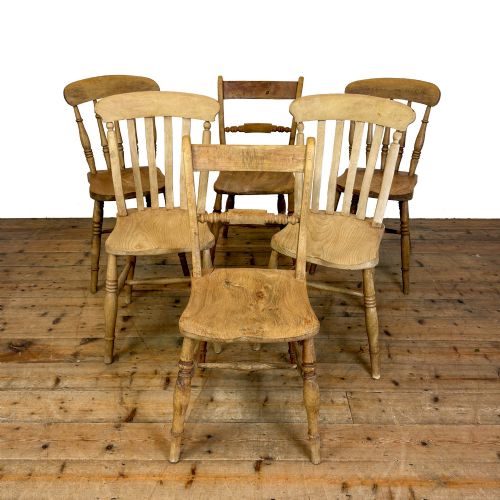
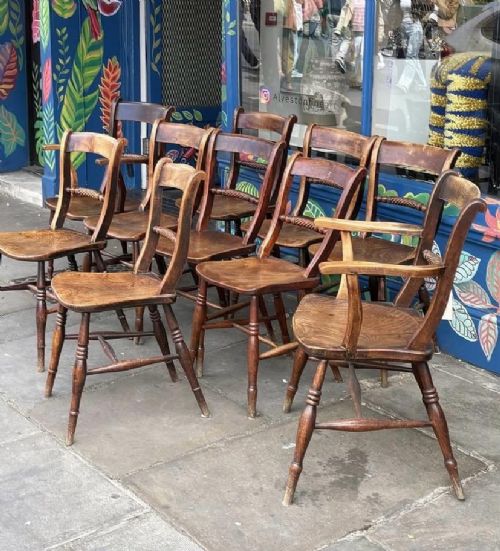
A rustic country dining chair comprises both sturdy armchairs and simpler side chairs rooted in traditional domestic use. The selection spans pieces from the eighteenth century through to the early twentieth century, reflecting enduring regional craftsmanship.
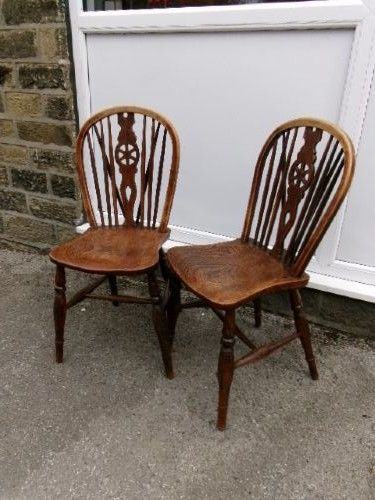
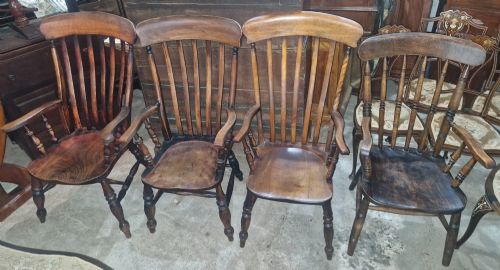
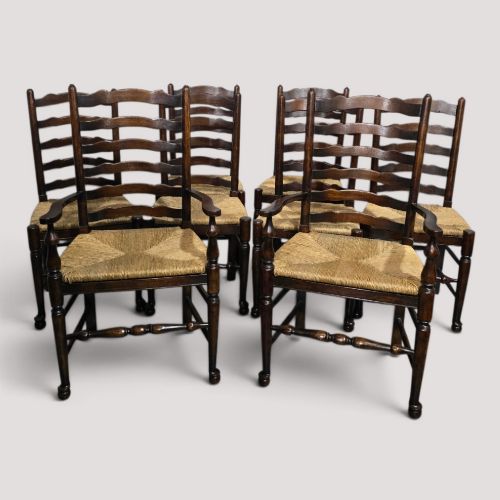
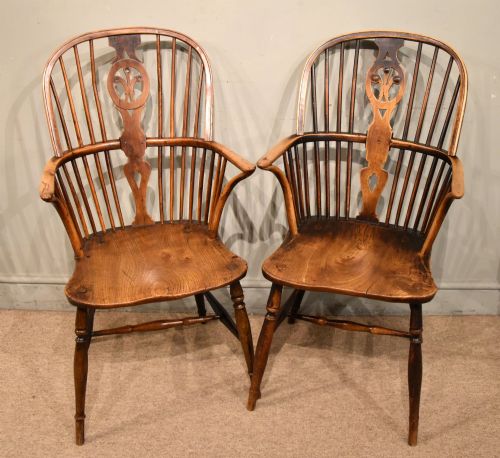
Buyers will encounter distinct forms including high-back Windsor armchairs, comb back Windsor chairs, wheelback carvers, and Cape Colony dining chairs. These practical seats bring authentic historic presence to a dining table.
The origins stretch from English country workshops to South African Cape Colony examples, demonstrating how local makers adapted vernacular styles using readily available timber.
How they were made
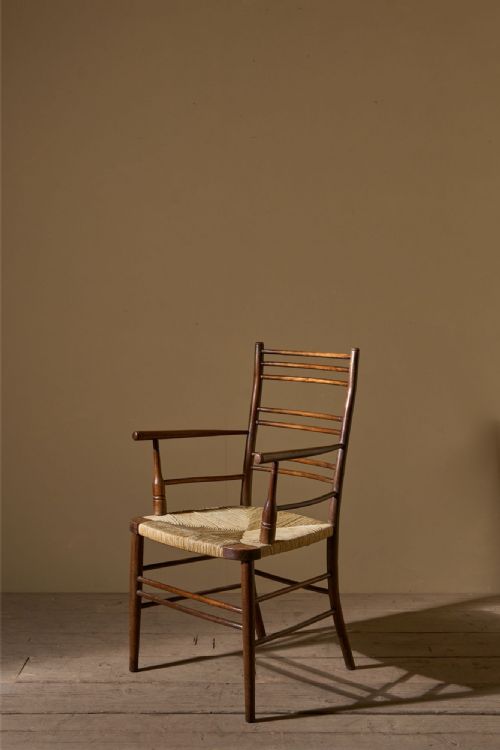
Construction relies heavily on native timbers such as elm, yew wood, ash, oak, beech, and hardwood, often combining multiple woods within a single piece for structural strength. Seats are frequently carved from solid elm or fitted with woven rush and cane surfaces.
Makers shaped spindles, legs, and bentwood components using traditional turning and steam-bending techniques. The resulting framework balances rigid support with the natural resilience of unpretentious country materials.
Retail Price Guide 2026
Typical UK retail prices for rustic country dining chair, calculated from the Sellingantiques database of over a million retail prices indexed since 2003. This retail price guide relies exclusively on Sellingantiques data; no external sources or auction records are used, so the figures do not describe the wider market.
Materials recorded across the listings include elm, yew wood, ash, oak, rush, hardwood, cane, and beech.
What varies in quality
Quality rests upon the harmony of the timber selection and the integrity of the original construction. Pieces combining contrasting woods like yew and elm demonstrate greater ambition from the maker.
Refinement in the turning of spindles and the comfort of the sculpted seat separate standard utilitarian seating from superior examples. The fluidity of the comb back or high-back profile dictates the visual impact of the chair.
The Rustic Country Dining Chair Glossary
- Windsor armchair
- A wooden seating form featuring a solid carved seat into which the legs and back spindles are directly wedged. This design provides robust everyday support.
- Comb back
- A Windsor chair variation where the top rail resembles the teeth of a comb, held by vertical spindles rising from the main arms. It offers a lighter visual profile.
- Wheelback carver
- An armchair featuring a pierced splat shaped like a cartwheel centred in the backrest. This decorative motif gained popularity in the nineteenth century.
- Rush
- A marsh plant woven tightly to form traditional seat pads. It provides a flexible and durable surface for prolonged sitting.
- Carver
- A traditional term for an armchair designed to sit at the head of a dining table. These pieces often feature generous proportions and supportive armrests.
Frequently Asked Questions
Are rustic country dining chairs comfortable?
These seats are designed with sculpted wooden saddles or woven rush pads to provide natural ergonomic support during meals.
Their sturdy construction ensures they remain practical for daily use around a modern dining table.
How do I date a country chair?
Dating relies on examining the timber species, tool marks, and construction methods used in the undercarriage and joints. Earlier pieces from the eighteenth century often display simpler, hand-turned components compared to later Victorian variations.
Comparing the stylistic form, such as comb backs or wheelbacks, helps place the chair within its historical manufacturing period.
Can I mix different country chairs together?
Mixing various regional styles and wood tones creates an authentic, collected aesthetic around a dining table.
Traditional country interiors rarely featured matching sets, making diverse combinations historically appropriate.
How do I care for antique wooden chairs?
Maintain the timber by avoiding direct sunlight and extreme temperature fluctuations that can dry out the wood. Regular dusting and occasional application of appropriate wax will preserve the historic finish.
Check the joints periodically to ensure the historical construction remains stable under normal use.