


Rustic Cottage Painting
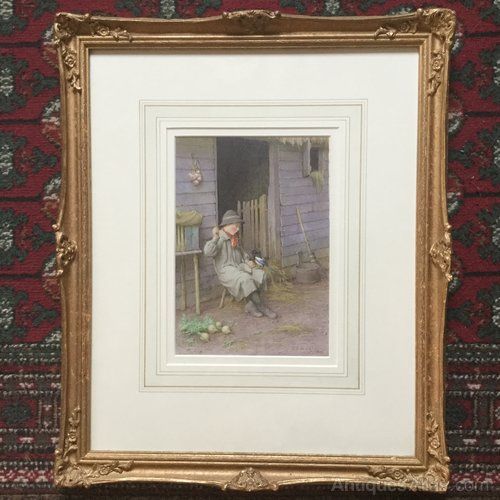
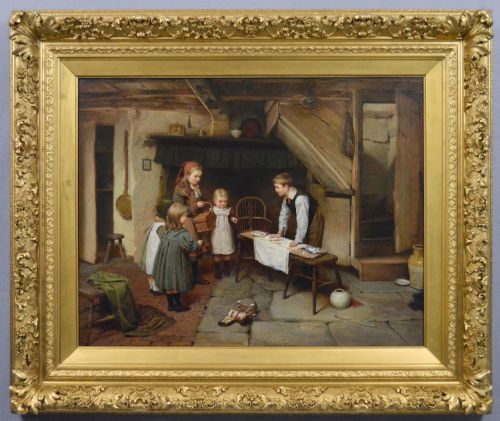
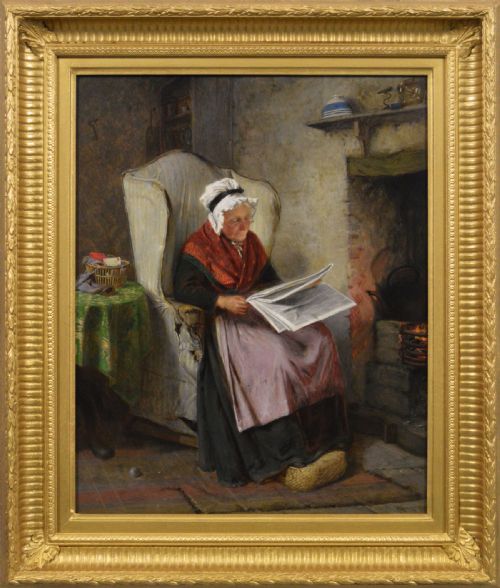
A rustic cottage painting captures rural dwellings and farmyard scenes in oils or watercolours from the nineteenth and early twentieth centuries.
Rustic Cottage Painting
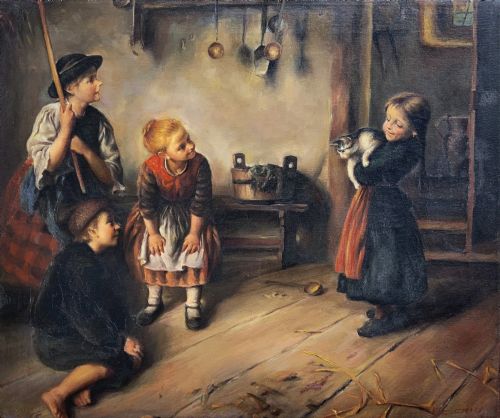
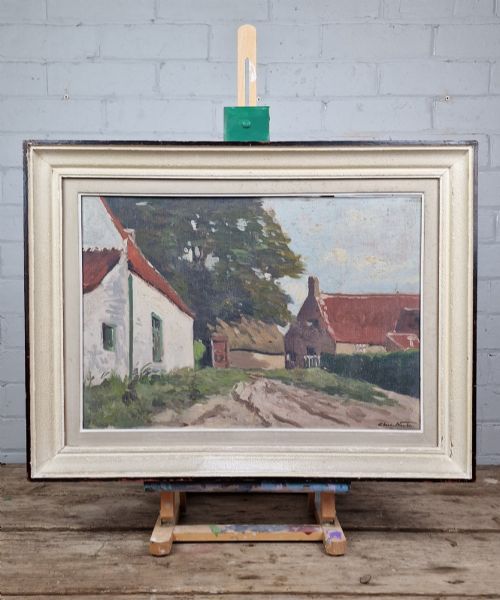
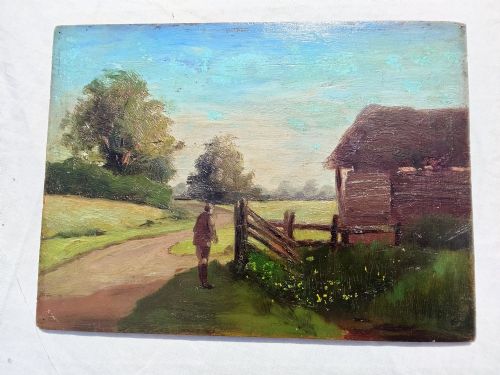
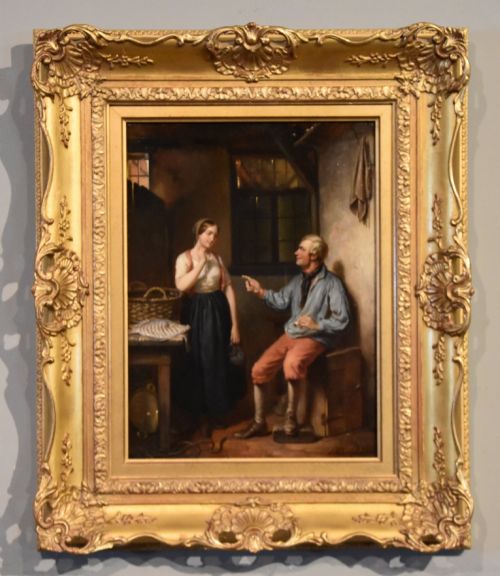
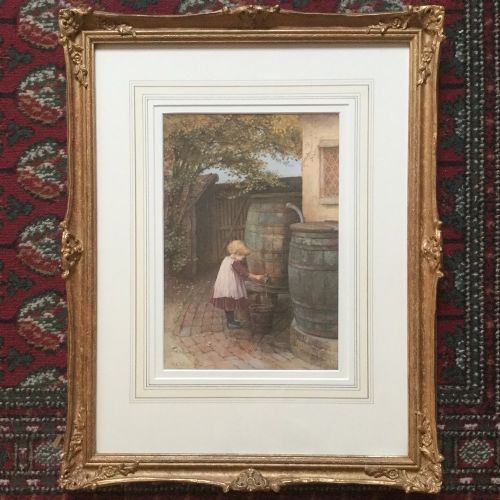
A rustic cottage painting depicts domestic rural scenes, farming landscapes, and traditional dwellings rendered in oil or watercolour. The pieces span the nineteenth century through the mid-twentieth century, capturing countryside life through genres such as British Impressionism, Folk Art, and 19th Century Realism.
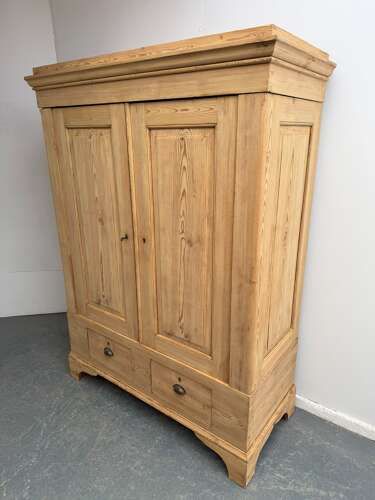
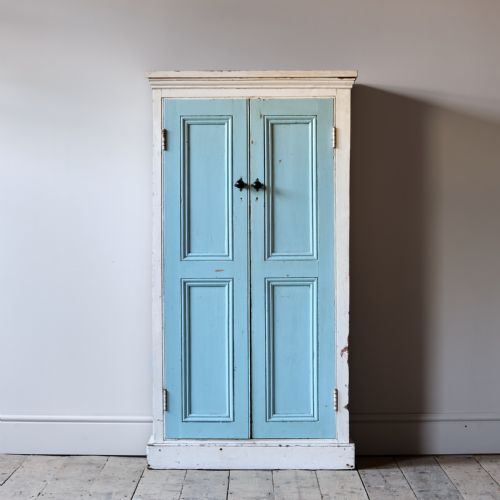
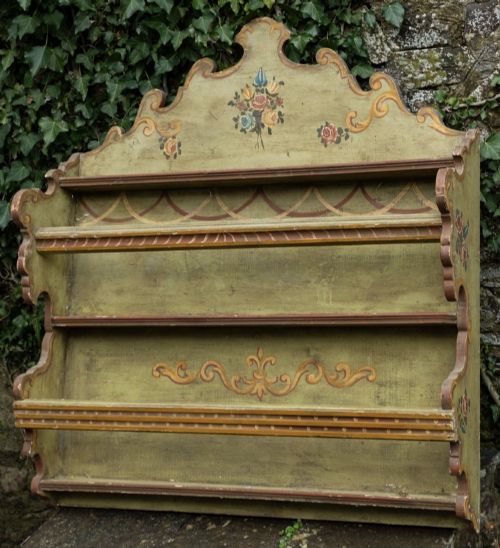
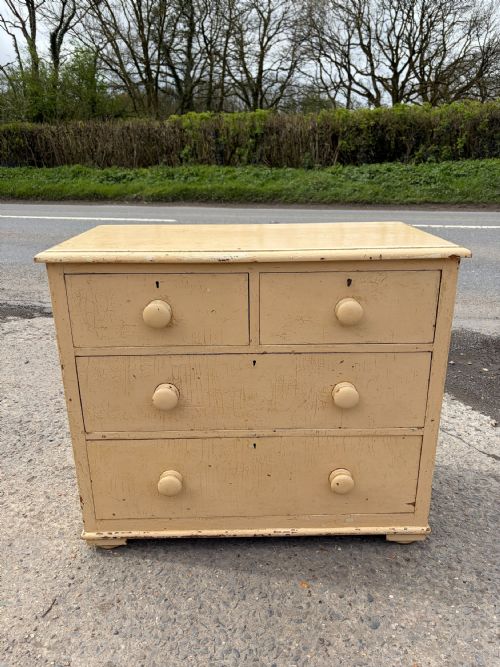
Buyers meet works portraying figures by cottage doors, quiet farmyards, and pastoral landscapes framed in periods from the Victorian era to the 1950s. Alongside paintings, related rural furniture forms appear, including pine wardrobes, cupboards, and ash chairs.
The subjects focus heavily on vernacular architecture, including thatched cottages, Welsh and Highland dwellings, and rural inns. These works offer a direct window into historical rural life recorded by artists of the English School and continental painters.
How They Were Made
Works utilise oil paint applied to canvas, wooden panels, or board, often supported by gesso preparation. Watercolour on paper forms a substantial group, sometimes finished with lithographic reproduction techniques.
Wooden supports employ materials like pine and oak for frames and panels, whilst associated vernacular items incorporate ash and plaited straw for seating.
Listings feature works spanning the eighteenth to mid-twentieth centuries, executed in oil and watercolour on canvas, wood, and paper.
What Varies In Quality
The strength of a composition and the handling of light separate standard topographical records from masterly genre scenes. Finer examples display confident brushwork in oil or delicate washes in watercolour that bring architectural and human subjects to life.
The prestige of the artist and the documentary depth of the rural setting elevate individual pieces. Condition of the original canvas, panel, or paper surface also dictates the standing of the work within its period.
Charles Houben·Jacob Akkersdijk·Charles Edward Wilson·Harry Brooker·Haynes King·James Kyd·Charles Vickers·Thomas James Lloyd·Abraham Hulk Junior·David Woodlock·Henry Spernon Tozer·Henry Sylvester Stannard·Walter Henry Sweet·Thomas Nicholson Tyndale·Ernest Higgins Rigg·T.B.Garvie·William Greaves·Henry John Sylvester Stannard·James Ward·George Morland·Henry Singleton·Alfred Provis·Henry Silkstone Hopwood·Amédée Degreef·Joseph Thors
The Rustic Cottage Painting Glossary
- Genre painting
- Depicts aspects of everyday life by portraying ordinary people occupied in domestic scenes. These works capture social history and domestic interiors rather than formal portraiture.
- Watercolour
- A painting method in which the paints are made of pigments suspended in a water-based solution. Paper serves as the primary support for these translucent applications.
- Gesso
- A paint mixture consisting of a neutral binder mixed with chalk, gypsum, or pigment. It prepares rigid wooden boards or panels to receive oil paint.
- Súgán chair
- A traditional Irish wooden chair featuring a seat made from twisted straw or hay rope. This vernacular seating form utilises local timbers such as ash.
- Impressionism
- A style of painting that emphasises accurate depiction of light and ordinary subject matter. Artists capture the visual impression of the moment using small, thin brush strokes.
Rustic Cottage Painting: Frequently Asked Questions
What is a rustic cottage painting?
A rustic cottage painting is a historical artwork depicting rural dwellings, farmyards, and country life created in oil or watercolour. These pieces typically date from the nineteenth or early twentieth centuries.
Artists document rural architecture like thatched roofs and country inns alongside figures engaged in daily domestic tasks.
How do I date these paintings?
Dating relies on stylistic evidence, artist signatures, framing materials, and the medium used. Victorian and Edwardian works often carry specific stylistic markers of dress and architecture.
Assessing the canvas, wooden panel, or paper support helps confirm the historical period of execution.
Where were these scenes painted?
Scenes are set across rural Britain and parts of Europe, including English counties, Scottish landscapes, Welsh cottages, and Belgian farmyards. Artists travelled to pastoral locations to record vernacular buildings and local inhabitants.
Inscriptions on reverse panels or watercolours frequently name specific villages, inns, and regions.
How should I display a watercolour?
Watercolours require framing behind glass using conservation mounting to protect the paper and pigments from ultraviolet light and moisture. Direct sunlight causes fading in historical paper works.
Keep them away from damp environments to preserve the integrity of the paper support.