
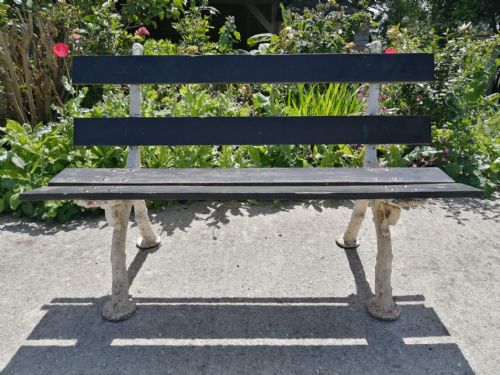
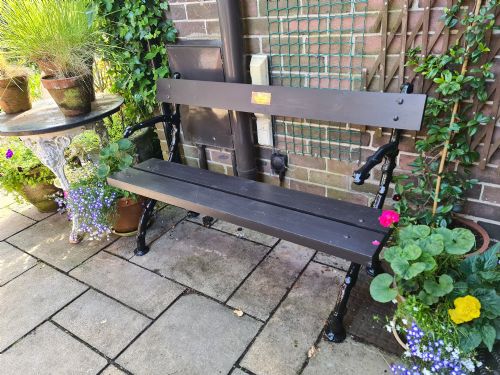
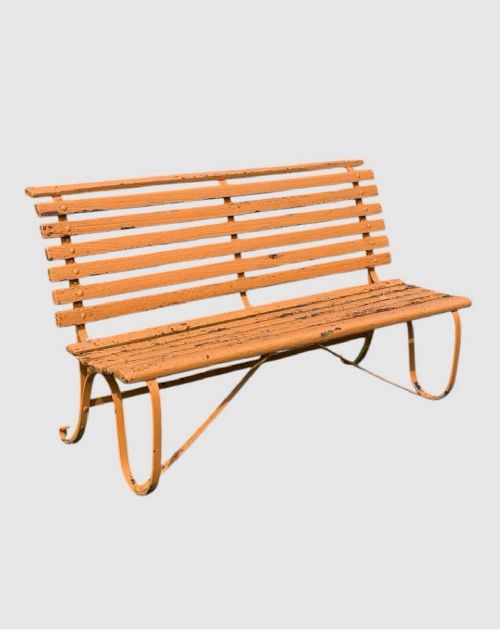


Rustic Cast Iron Bench
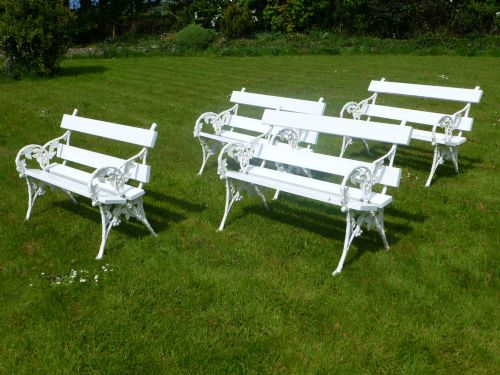
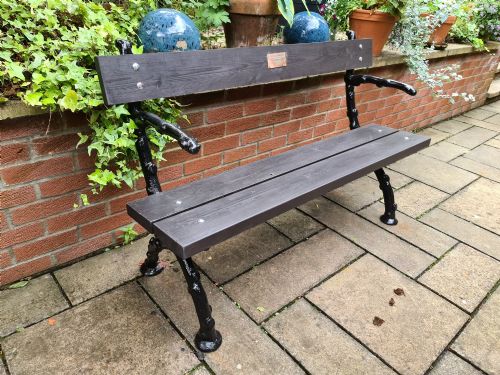
These rustic cast iron bench pieces combine heavy metalwork with timber to anchor a garden or patio.
Rustic Cast Iron Bench
When you search for a rustic cast iron bench, you encounter garden seating defined by durable metal frames and wooden slats. The pieces on this page span the nineteenth century and the early twentieth century, taking the form of garden benches, seat ends, and outdoor park seats.
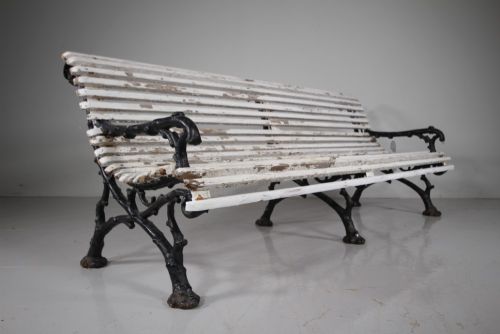
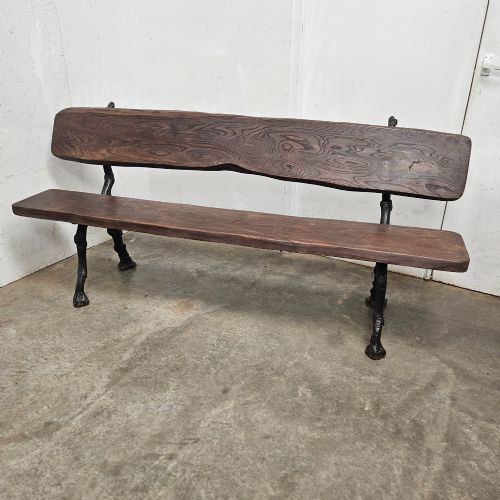
You are most likely to meet nineteenth century Victorian examples featuring rustic patterns, alongside French country pieces that pair iron with elm. Some listings present complete garden seats, while others offer bench ends awaiting new timber slats.
How they were made
Foundries cast iron into intricate patterns like blackberry and leaf motifs, or moulded the metal to imitate natural wood in a faux bois style. These heavy cast metal ends and supports provide the structural backbone for the seat.
Makers combined the cast iron components with wooden elements such as elm, oak, pine, and timber. Carpenters fitted these planks across the iron frames to form the seat and backrest before applying paint.
Listings feature 19th century and Victorian pieces utilising cast iron, paint, elm, oak, and pine.
What varies in quality
The distinction between standard production and exceptional work lies in the crispness of the foundry casting and the depth of the rustic pattern. Pieces originating from named foundries display sharper detail in the leaf and blackberry motifs than unmarked equivalents.
The integrity of the surviving materials shapes the standing of each piece, distinguishing items with original timber from those requiring replacement slats. Cast iron components showing clean, unbroken lines hold greater presence than heavily weathered metal.
Falkirk foundry·Coalbrookdale·Phoenix Foundry
The Rustic Cast Iron Bench Glossary
- Cast iron
- Iron poured into a mould to form solid shapes. This heavy material resists outdoor conditions.
- Faux bois
- Imitation wood. Foundries shaped iron to resemble natural branches and bark.
- Bench ends
- The cast iron supports that form the sides of a seat. These bolt to wooden slats.
- Elm
- A durable hardwood used for furniture and seating planks. It handles moisture well.
Rustic Cast Iron Bench: Frequently Asked Questions
Are these benches suitable for outdoor use?
These pieces use cast iron and timber designed for gardens and patios. They withstand outdoor conditions when properly maintained.
Regular checks on the paint and wood help preserve the iron and timber through changing seasons.
Can I leave my bench outside in winter?
Cast iron and treated timber handle cold weather well. Many owners leave them outdoors year round.
Covering the piece or storing it in a shed during harsh frost extends the life of the wooden slats.
How do I care for the cast iron?
The metal benefits from occasional cleaning to remove dirt and debris. A fresh coat of paint protects against rust.
Checking the bolts that join the iron frame to the wooden slats ensures the seat remains stable.
How do I identify a Victorian bench?
Victorian examples often feature registered design marks, specific foundry names, or heavy rustic patterns like faux bois. The weight and casting quality offer clues to the period.
Comparing the decorative motifs with documented foundry catalogues helps confirm the age and origin.