


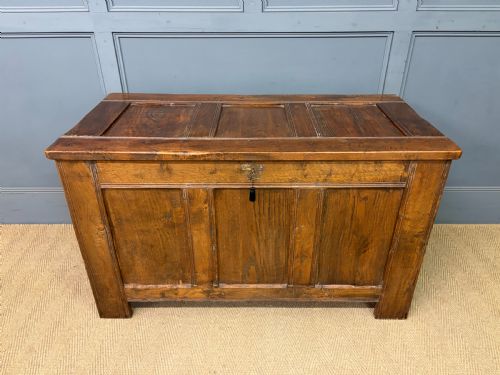
Rustic Blanket Chest
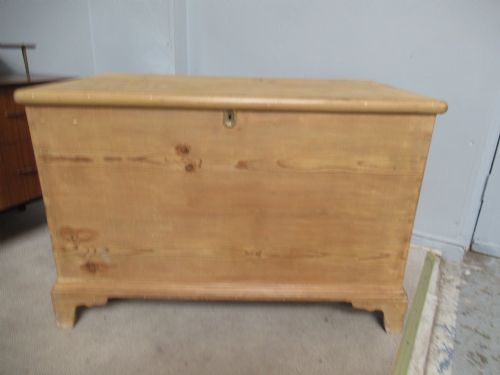
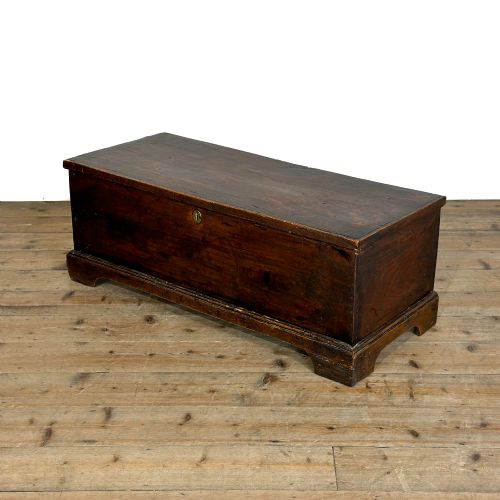
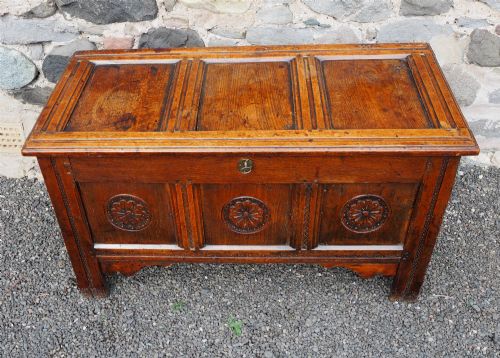
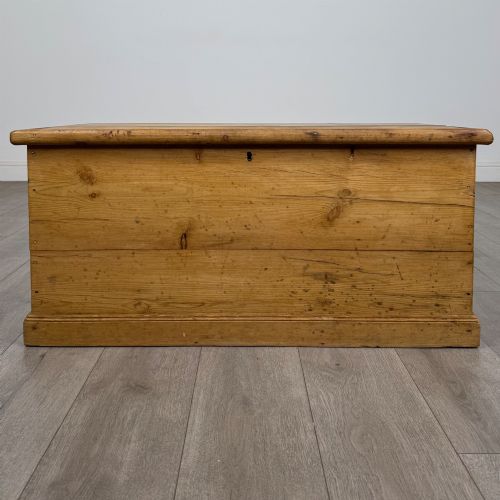
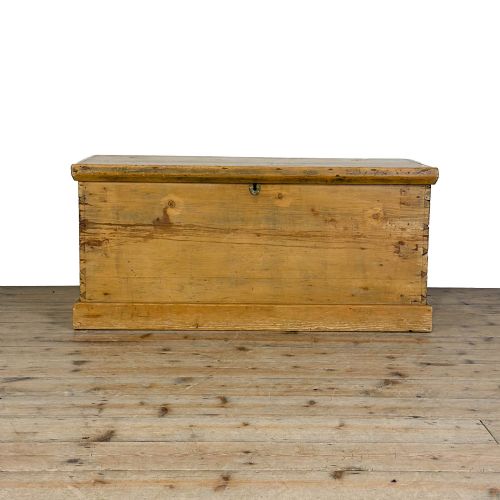
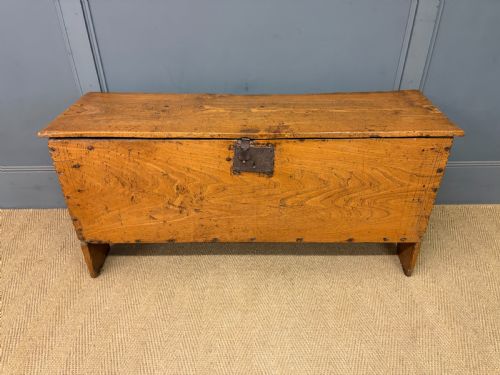
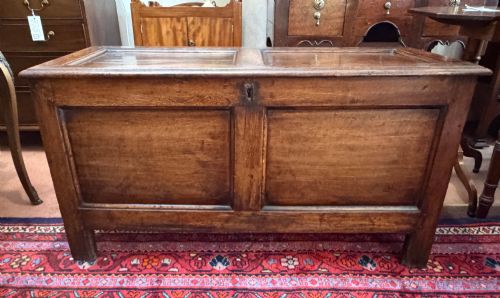
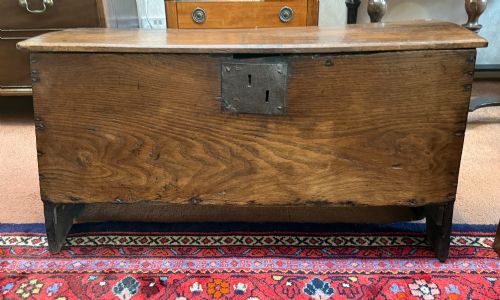
These rustic blanket chest examples offer practical storage built from honest woods like oak and pine.
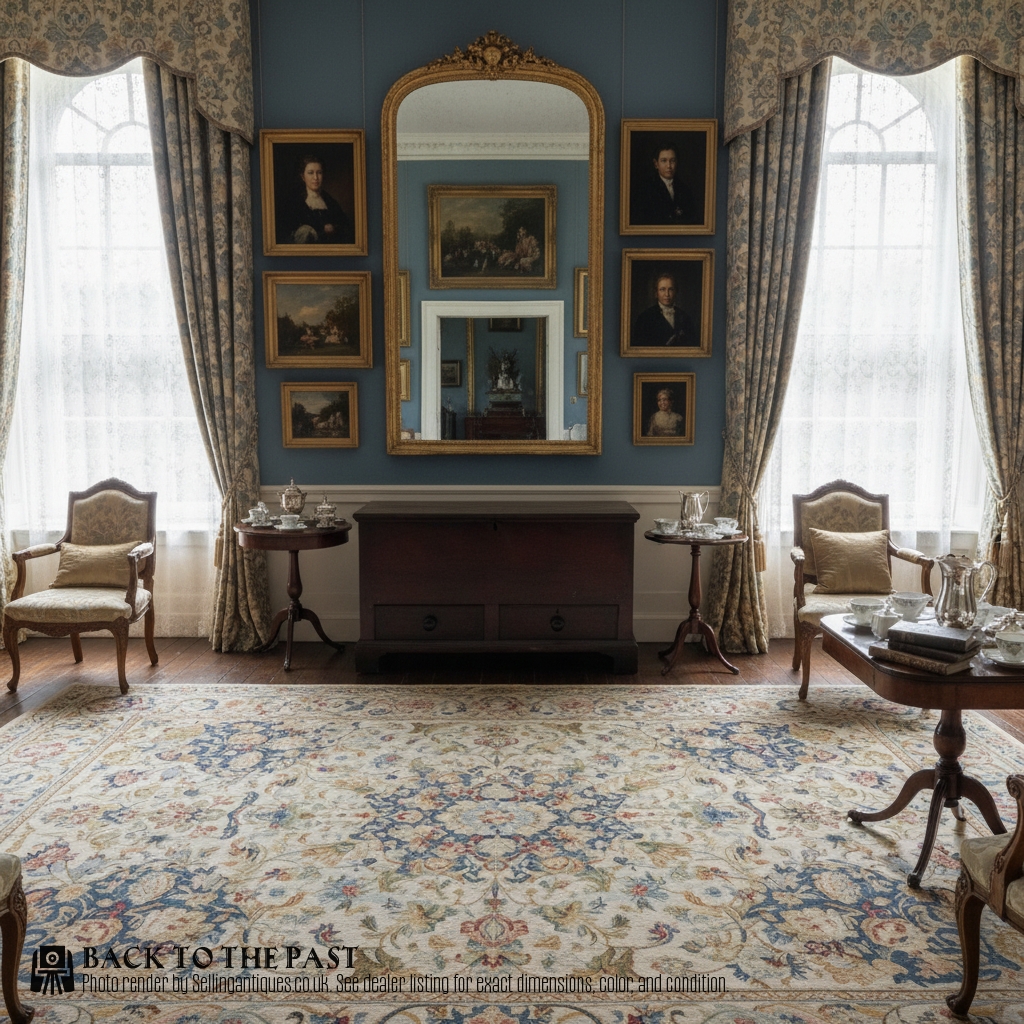
Rustic Blanket Chest
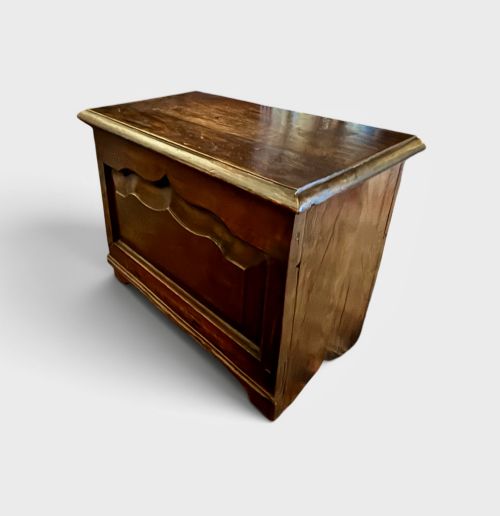
A rustic blanket chest serves as a sturdy storage box for textiles and household goods, appearing in forms such as coffers, trunks, and mule chests. When exploring a rustic blanket chest on this page, buyers frequently encounter pieces originating from the seventeenth, eighteenth, and nineteenth centuries.
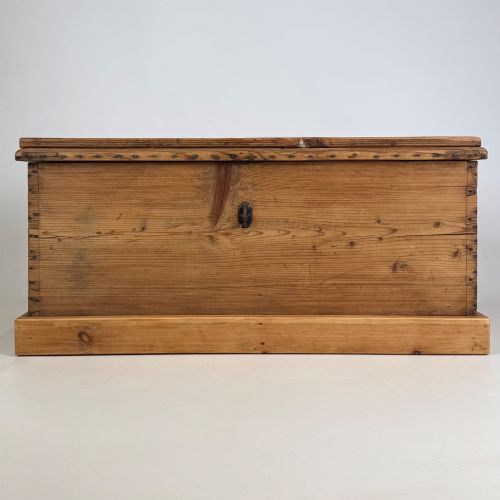
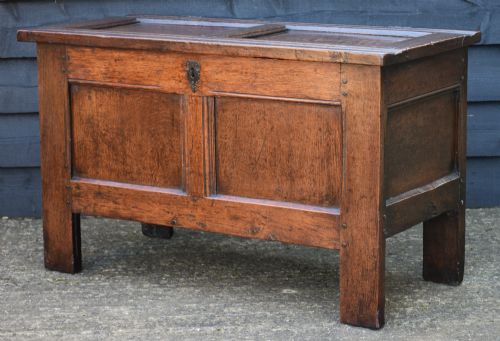
The selection ranges from simple six-plank elm boxes to panelled oak coffers and painted Victorian pine trunks. Regional variations also appear, including Welsh, French, Dutch, and Scandinavian examples.
Makers fashioned these utilitarian objects for everyday domestic life, resulting in practical storage solutions that double as characterful furniture. Many incorporate internal compartments, drawers, or iron strapwork for added utility.
How they were made
Carpenters and joiners constructed these chests primarily from solid regional timbers such as oak, pine, elm, and teak. Panels were often joined using traditional framing techniques, while simpler versions relied on plain boards fastened together.
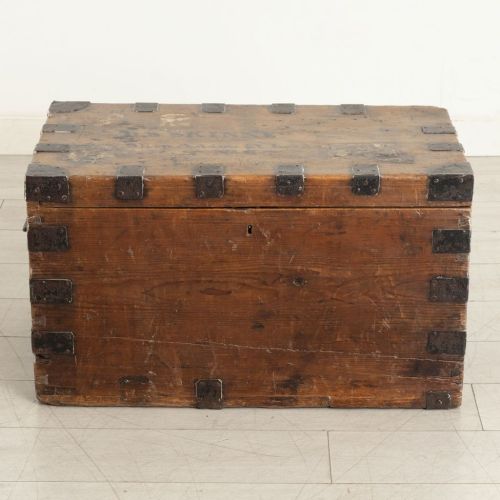
Metalwork played a crucial role in construction and reinforcement, with blacksmiths forging iron strapwork, hinges, and corner brackets. Some surfaces received coats of paint or carved ornamentation to enhance their appearance.
Some seventeenth-century oak coffers survived because families trusted them more than local banks to keep their silver safe.
What varies in quality
Quality in these chests is determined by the selection of timber and the sophistication of the joinery. Finely carved panels and well-executed dovetail joints distinguish finer vernacular pieces from purely utilitarian containers.
The Rustic Blanket Chest Glossary
- Coffer
- A heavy wooden chest traditionally used for storing valuables or household goods. These often feature hinged lids and sturdy boarded construction.
- Mule chest
- A storage chest featuring one or more drawers beneath the main compartment. This form bridges the traditional coffer and the modern chest of drawers.
- Six-plank coffer
- A primitive chest constructed from just six pieces of timber held together with pegs or nails. It represents one of the earliest and simplest forms of box furniture.
- Strapwork
- Ornamental metal bands or straps fixed to the exterior of a chest for reinforcement and decoration. Blacksmiths hand-forged these elements for durability.
- Panelling
- Framework composed of stiles and rails enclosing thin wooden panels. This technique allowed wood to expand and contract naturally without splitting.
Rustic Blanket Chest: Frequently Asked Questions
What were blanket chests used for?
These chests served primarily to store heavy woolen blankets, linens, and garments away from household dust and pests.
Over time, families also used them to secure valuable personal belongings, documents, and dowry items.
How do I date an old chest?
Dating relies on observing construction methods, tool marks, and timber characteristics. Hand-sawn boards, pegged joints, and regional styles help place a piece within centuries like the seventeenth or eighteenth.
Original hardware such as iron strap hinges can also provide clues to the period of manufacture.
Where should I place a chest at home?
These versatile pieces work well at the foot of a bed for storing extra bedding or in a hallway as seating.
Their robust construction also makes them suitable as coffee tables or living room storage units.
How do I care for antique wood?
Keep wooden chests away from direct heat sources and strong sunlight to prevent the timber from drying out and splitting.
Applying a traditional beeswax polish occasionally helps nourish the surface and maintain the natural patina.