




Rust Red Oriental Runner
These rust red oriental runner selections bring warm terracotta tones and narrow tribal geometry into long hallways and corridors.
Rust Red Oriental Runner
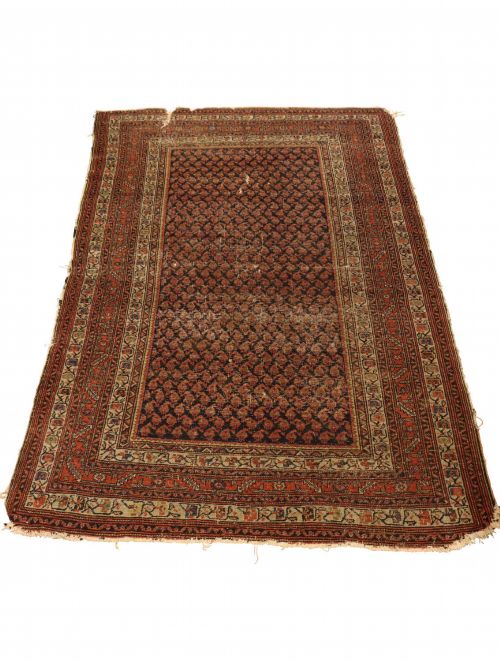
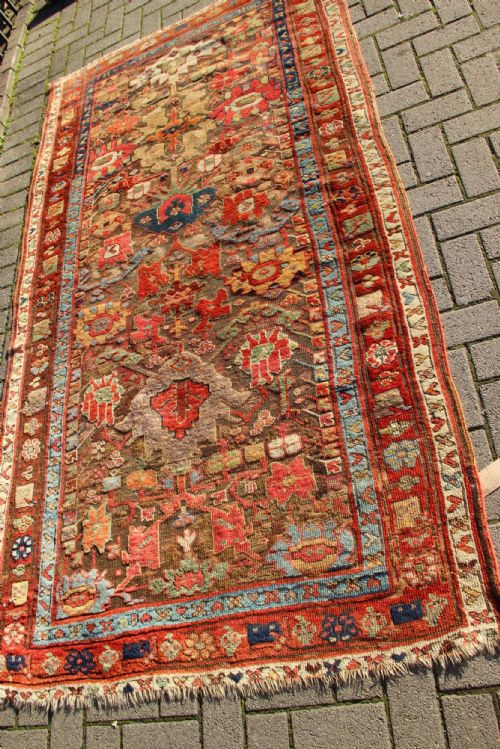
A rust red oriental runner is a long, narrow floor covering rooted in Persian and tribal weaving traditions. These pieces span periods from the early nineteenth century through the early twentieth century, taking the form of specific narrow runners and long rugs suited for corridors and passageways.
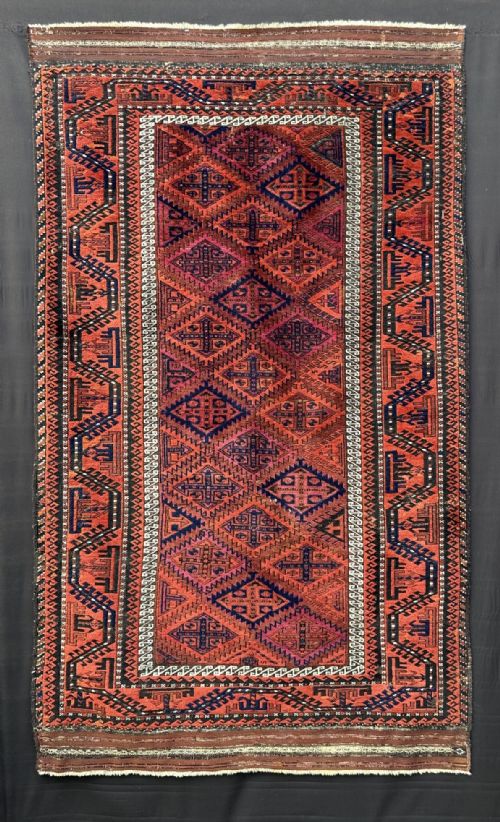
The selections on this page encompass traditional Persian styles alongside nomadic tribal work, including Baluch and Heriz Karaja pieces. Buyers encounter both finely knotted city workshop carpets and heavier tribal village weaves that display distinct regional patterns.
How they were made
Weavers constructed these carpets using wool pile on foundations typically comprising wool or cotton, occasionally incorporating goat hair. Hand-knotting techniques dominate the evidence, producing dense and durable textile surfaces designed for heavy domestic use.
Natural dyeing methods yielded the characteristic rust red backgrounds seen across these pieces, complemented by secondary tones in traditional palettes. Artisans employed manual looms to execute geometric repeat motifs, boteh designs, and large guls across the narrow formats.
A narrow Heriz Karaja runner demands respect for the weaver who kept those straight geometric lines whilst sitting sideways on a humble floor loom.
What varies in quality
Knot density and structural precision separate finer workshop productions from coarser tribal village work. Finer examples display meticulous execution of intricate repeat motifs and balanced proportions along the narrow field.
The integrity of the wool and the depth of the rust red dye saturation determine the visual impact of each piece. Superior condition in the pile and original selvedges elevate a runner within its period.
The Rust Red Oriental Runner Glossary
- Boteh
- A stylised almond or pear-shaped motif representing a floral shoot or cypress tree. This ancient Persian design appears frequently across traditional oriental rugs.
- Gul
- A medallion or floral octagonal stamp repeated across tribal carpets. These motifs often identify specific nomadic groups and regional weaving traditions.
- Selvedge
- The bound or reinforced edge running along the long sides of a rug. It protects the structural warp threads from fraying and unraveling.
- Warp
- The vertical foundation threads stretched tightly on the loom before knotting begins. Weavers tie the pile yarn around these stationary strands.
Rust Red Oriental Runner: Frequently Asked Questions
Where should I place a long runner?
These narrow formats suit hallways, corridors, and galleys where floor space is restricted. Their elongated proportions guide the eye down a passage while protecting high-traffic wooden floors.
Position them away from damp areas to preserve the historical wool fibres. Using a proper underlay keeps the textile stable on hard surfaces.
How do I identify a tribal rug?
Tribal pieces display geometric guls, repeat octagons, and informal village motifs rather than formal court curves. Nomadic weavers relied on memory and local symbolism rather than precise scale drawings.
The materials often feel heavier and more rustic, reflecting the practical needs of village and pastoral life. Irregularities in the straightness of the narrow field indicate hand-weaving on portable looms.
What causes the rust red colour?
Traditional dyers extracted deep terracotta and rust tones from plant roots, madder being the primary source across Persian workshops. These natural dyes interact with wool over decades, developing rich patinas.
Minor variations in shade across the field reflect the natural dyeing batches used by individual weavers. This tonal variation distinguishes organic dyes from modern synthetic compounds.
How do I care for an old wool runner?
Vacuum gently across the grain using suction only, avoiding rotating brush bars that can pull historical pile knots. Professional cleaning removes embedded grit without damaging the natural wool oils.
Rotate the textile periodically to ensure even exposure to foot traffic and light. Promptly attend to spills by blotting rather than rubbing the affected fibres.