



Rust Persian Rug
A rust persian rug brings deep warmth and enduring character to a room through centuries-old weaving traditions.
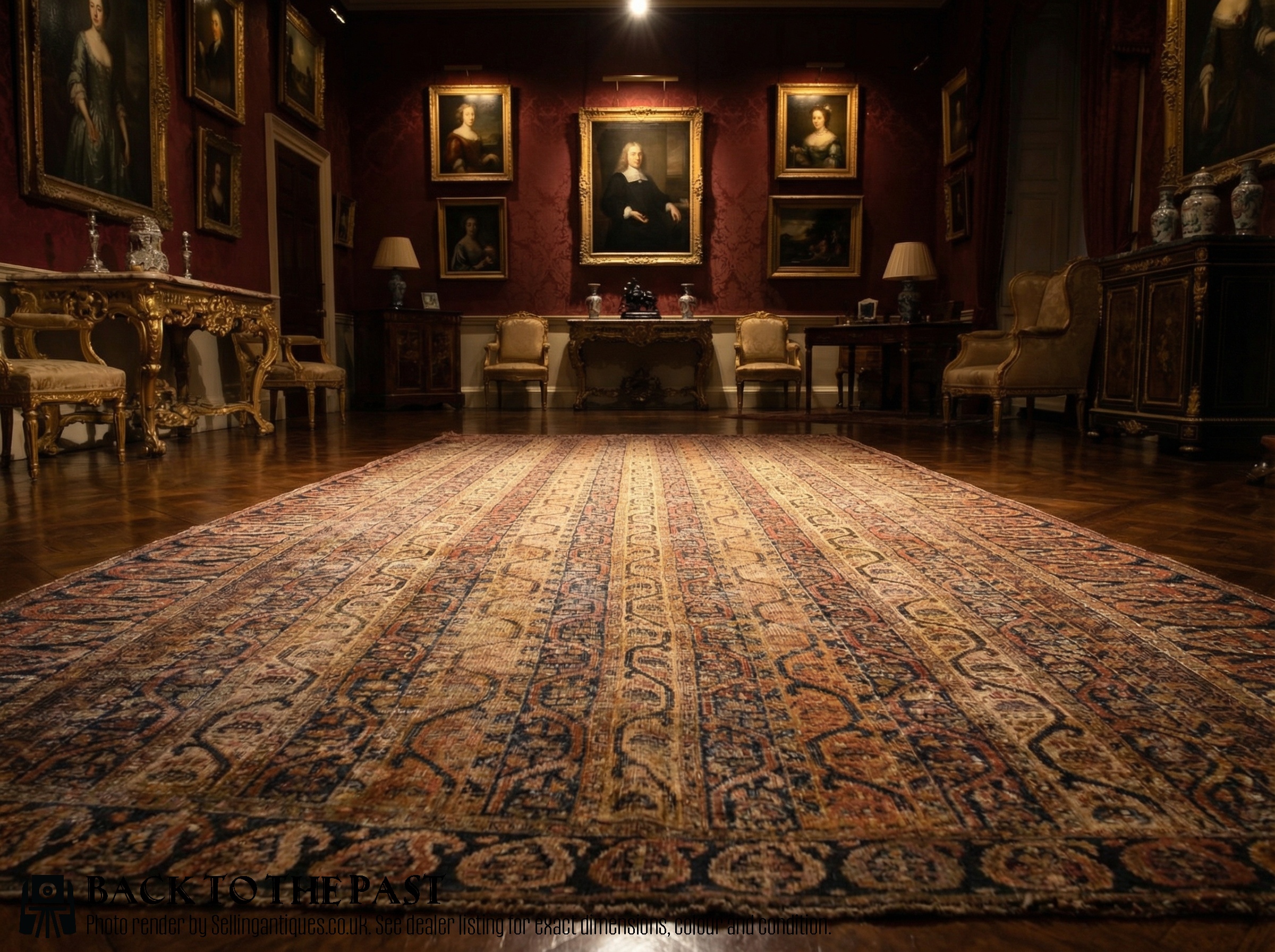
Rust Persian Rug
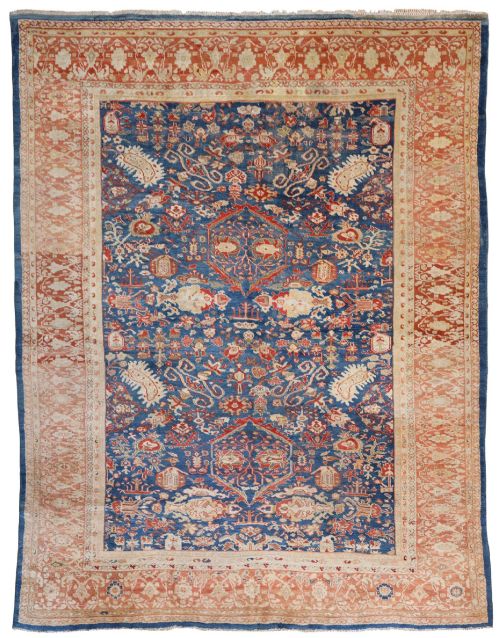
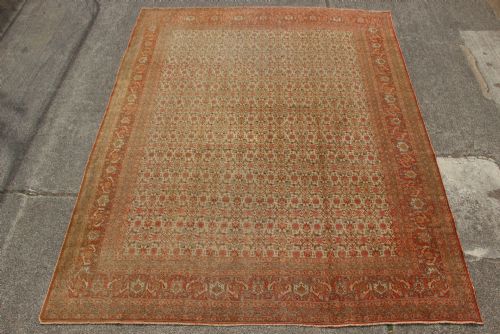
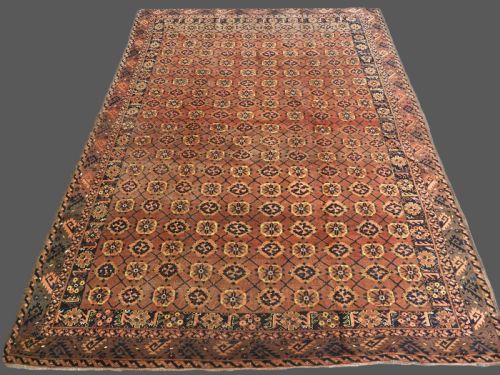
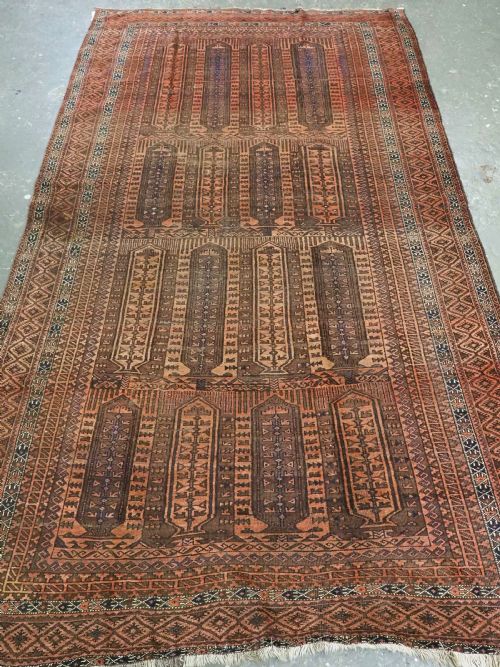
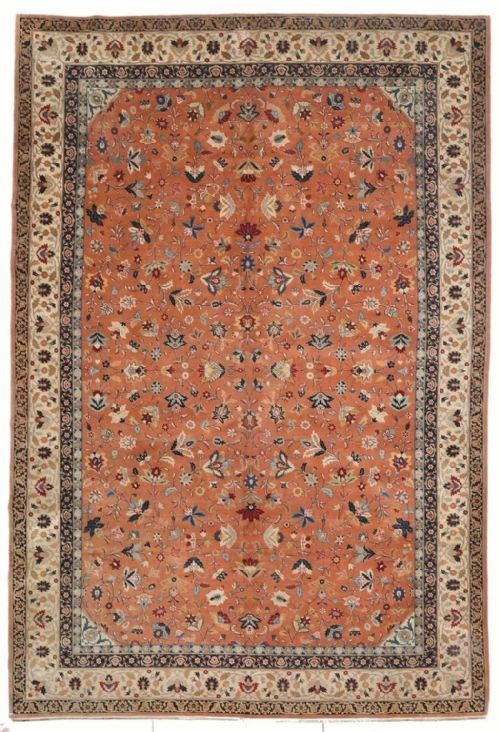
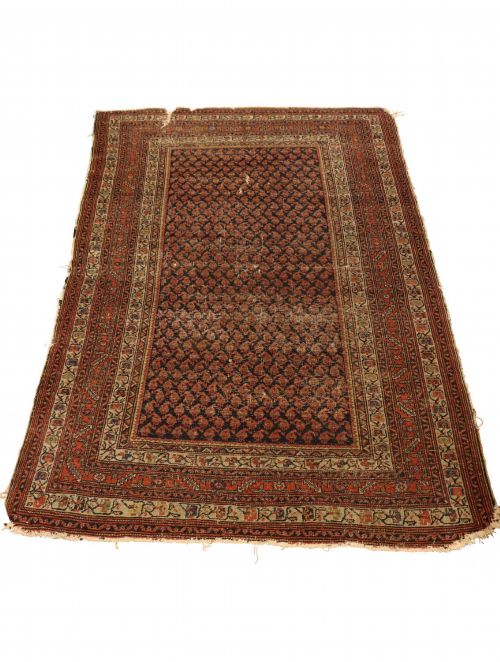
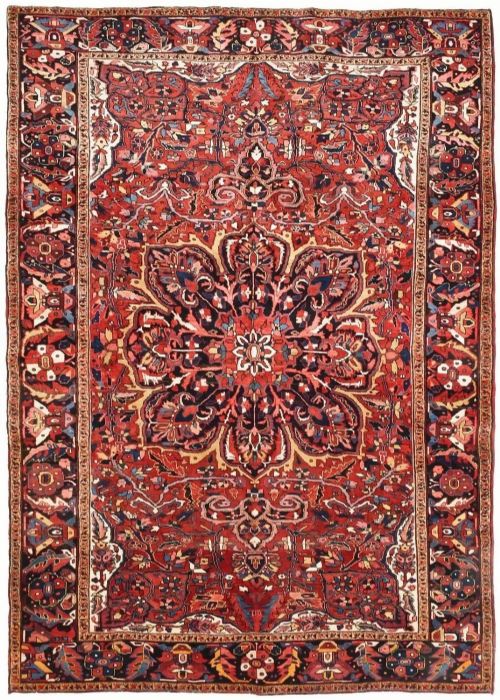
A rust persian rug encompasses traditional hand-knotted floor coverings originating from Persia and surrounding tribal regions, dating from the mid nineteenth century through the early twentieth century. Buyers seeking this phrase typically encounter large carpets and smaller area rugs bearing rich reddish-brown or rust backgrounds.
The selections span distinct regional weaving styles such as Heriz, Tabriz, Bakshiash, and Afshar, alongside various Afghan and Baluch tribal pieces. These textiles function as durable floor coverings that bring earthy tones and intricate geometric or floral motifs into domestic interiors.
Materials and Construction
These carpets and rugs are constructed primarily from wool foundations and piles, often utilising cotton for warps andwefts, alongside occasional use of goat hair in tribal pieces. Artisans employed natural dyes to achieve deep rust and terracotta shades that mature gracefully over decades of light and use.
The pieces are hand-knotted by village and nomadic weavers, employing traditional techniques passed down through generations. This dense manual knotting creates resilient piles designed to withstand heavy foot traffic while retaining flexibility and softness.
Rust Persian Rug Retail Price Guide 2026
Typical asking prices for rust persian rug among the pieces listed under this phrase on Sellingantiques today, from the lower quarter to the upper quarter. They describe what is for sale here now, not the wider market.
Nomadic weavers occasionally wove stray animal hairs directly into the wool pile, leaving a literal trace of the flock.
Factors That Distinguish Quality
Knot density and structural integrity separate standard village work from finer city or workshop productions. A higher knot count allows for sharper botanical or geometric delineation within the rust field.
The subtlety and saturation of the natural dyes used for the rust background determine the visual depth of the textile. Master weavers achieved harmonious colour variations across the field that react distinctively to changing daylight.
The Rust Persian Rug Glossary
- Boteh
- A Paisley or almond-shaped motif of Persian origin that appears frequently in these rugs. It symbolizes life and eternity.
- Gul
- An octagonal medallion or floral motif used widely in tribal carpets. It often denotes specific tribal or regional affiliations.
- Warp
- The vertical threads stretched upon a loom that form the structural foundation of the rug. Weft threads pass horizontally between them.
- Heriz
- A style of carpet hailing from north-west Persia known for bold geometric medallions and durable construction. They frequently feature prominent rust and terracotta fields.
- Natural Dyes
- Colorants derived from plants, insects, and minerals rather than synthetic compounds. They produce the variegated tones characteristic of antique textiles.
Rust Persian Rug: Frequently Asked Questions
How do I clean a rust persian rug?
Regular gentle vacuuming without a rotating beater bar removes loose dirt from the wool pile. Professional specialist cleaning is necessary for deep washing to protect the natural dyes.
Water and harsh chemical detergents damage antique fibres and bleed natural pigments. Spills should be blotted immediately with a clean, dry cloth rather than rubbed.
Where should I place an antique rug?
These rugs suit living rooms, dining spaces, and studies where foot traffic is moderate. Placing a quality underlay beneath the carpet prevents slipping and reduces fibre wear against hard floors.
Direct, continuous sunlight fades natural dyes over time, so rotating the rug periodically ensures even ageing. Entryways also accommodate runner formats effectively.
How do I identify a Heriz rug?
Heriz carpets display bold, stylized geometric medallions rather than flowing curves. They often incorporate a prominent rust centre surrounded by navy and ivory corners.
The heavy wool foundation gives these carpets a substantial, stiff handle compared to finer city weaves. Their robust construction was engineered for heavy domestic use in nineteenth-century homes.
What is a Baluch tribal rug?
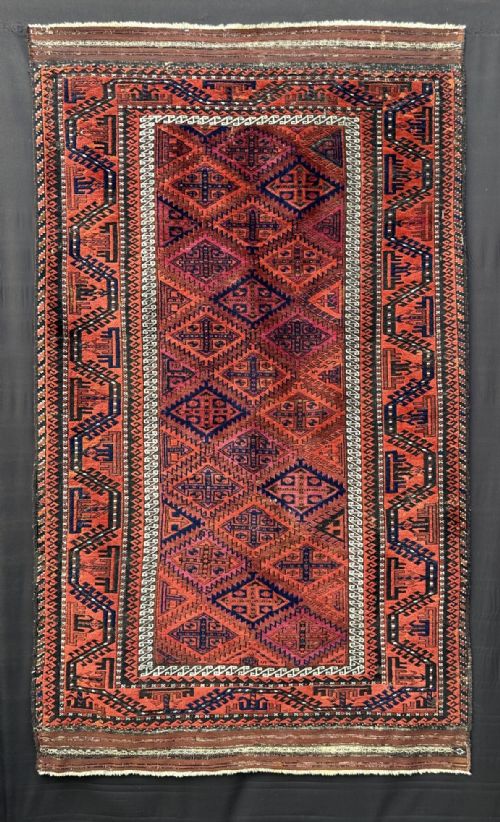
Baluch rugs are smaller nomad-made textiles featuring dark palettes, deep rust tones, and geometric repeat patterns. They originate from nomadic groups inhabiting the borderlands of Persia and Afghanistan.
Weavers utilised goat hair along the outer selvedges and incorporated wool piles enriched with natural dyes. These portable formats served practical nomadic purposes such as prayer mats and sleeping rugs.