

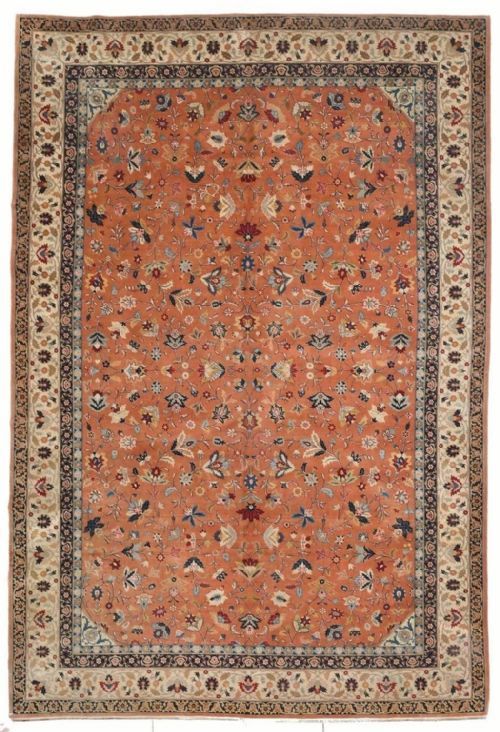
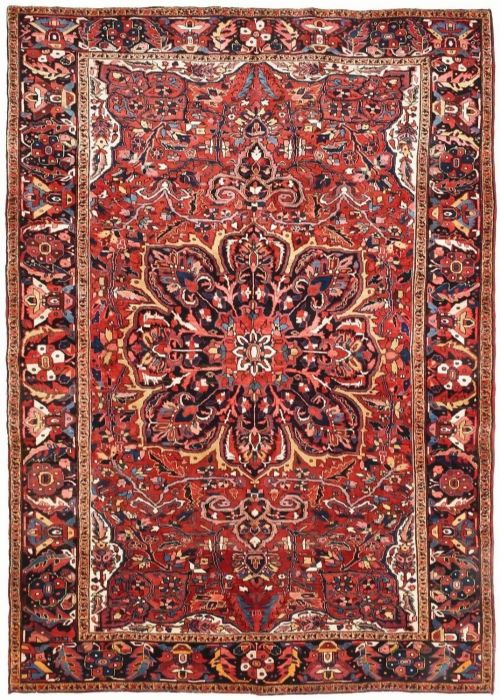


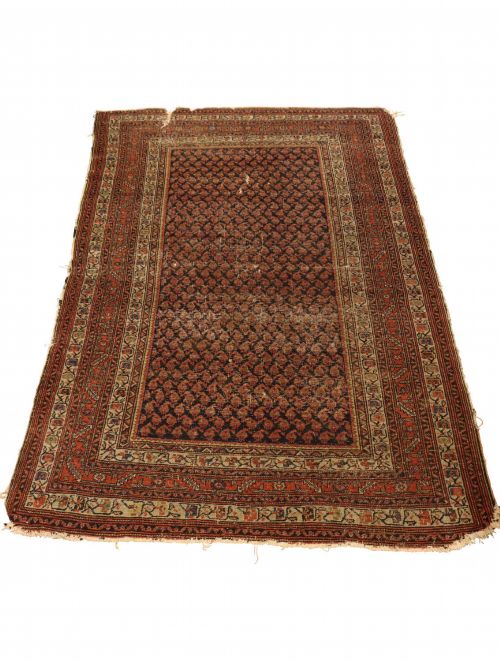


Rust Persian Area Rug
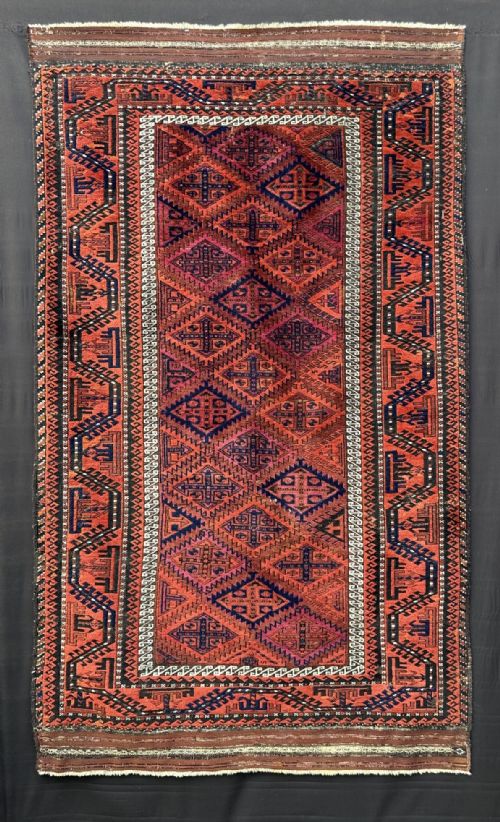
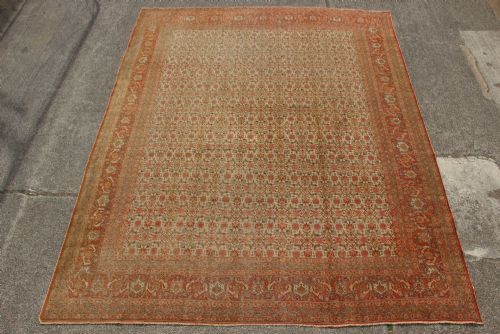
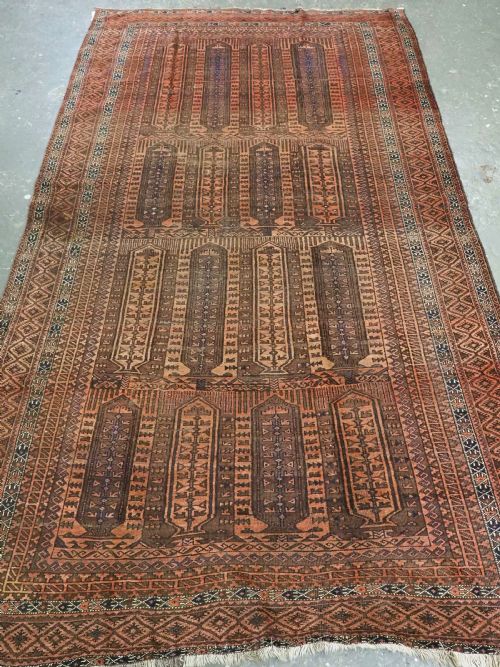
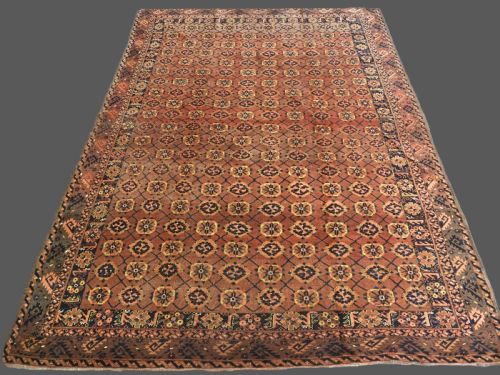
A rust persian area rug anchors a room with deep madder tones and intricate tribal or city motifs woven over a century ago.
Rust Persian Area Rug
When searching for a rust persian area rug, collectors encounter hand-knotted floor coverings hailing from village workshops, tribal camps, and major weaving centres across Persia and neighbouring regions. These pieces span the mid-nineteenth century through to the early decades of the twentieth century, bringing rich terracotta, brick, and rust colourways into domestic spaces.
The selections on this page encompass various traditional formats, from compact Baluch tribal pieces to large Heriz and Tabriz carpets. Village weavers and nomadic groups utilised local vegetable dyes to achieve deep rust backgrounds, often set against contrasting indigo and ivory details.
How They Were Made
Traditional makers built these textiles on sturdy cotton or wool foundations, employing hand-spun wool for the dense pile. Natural dyes derived from plants and insects created the characteristic rust, madder, and indigo shades that mellow gracefully over decades of use.
Weavers tied individual knots by hand, securing the rows with sturdy wool or goat hair selvages and finished flatweave ends. The density of these knots varied according to whether the piece originated from a nomadic tent or an established city workshop.
Rust Persian Area Rug Retail Price Guide 2026
Typical asking prices for rust persian area rug among the pieces listed under this phrase on Sellingantiques today, from the lower quarter to the upper quarter. They describe what is for sale here now, not the wider market.
Listings feature traditional wool and cotton foundations enriched with natural dyes and goat hair bindings across multiple Persian and tribal origins.
What Varies in Quality
The standard of a woven rug rests in the precision of the knotting and the depth of its natural palette. Finer city pieces demonstrate meticulous geometric or floral curves, whereas tribal examples rely on bold, expressive rendering of traditional motifs.
Material selection and structural integrity define the durability of the piece. Skilful spinning of the wool and careful preparation of natural dyes produce a resilient pile that ages with a rich patina.
The Rust Persian Area Rug Glossary
- Boteh
- A stylised almond or paisley motif representing a floral shoot or cypress tree. This ancient symbol appears frequently across tribal and village carpets.
- Heriz
- A style of geometric carpet originating from north-west Persia, known for bold central medallions and robust structural construction.
- Madder
- A natural vegetable dye extracted from the roots of the Rubia plant, utilised to produce deep rust, red, and terracotta hues in antique textiles.
- Gabbeh
- A thick, coarsely knotted tribal rug featuring minimalist designs with large expanses of solid colour. These rustic floor coverings were traditionally woven for domestic use by nomadic groups.
Rust Persian Area Rug: Frequently Asked Questions
How do I care for an antique rug?
Vacuum gently without using a rotating brush roll to protect the aged wool fibres from excessive wear. Lift the rug periodically to clean underneath and prevent moisture accumulation.
Professional specialist cleaning is recommended every few years to remove embedded dust safely. Keep the piece out of harsh direct sunlight to preserve the natural rust and indigo dyes.
Where were these rugs made?
These textiles originate from various regions, including Persian city workshops like Tabriz and Saroq, alongside Heriz and Mahal weaving districts. Other examples stem from nomadic and village groups such as the Baluch, Afshar, and Turkmen.
Each weaving region developed distinct design vocabularies and structural techniques. Geographic origins dictate the specific palette, wool quality, and knotting density found in the piece.
How do I identify a tribal rug?
Tribal rugs typically display geometric memory patterns rather than pre-drawn cartoon designs. You will often notice slight irregularities in symmetry, reflecting the spontaneous work of individual nomadic weavers.
Materials tend to be rustic, incorporating heavy wool piles and occasional goat hair in the binding. The motifs often feature stylised animals, boteh, and octagonal gul patterns.
What period do these rugs date from?
The pieces listed here predominantly date from the mid-nineteenth century through to the 1930s. This era encompasses late Qajar dynasty production and early twentieth-century village weaving.
Dating relies on stylistic analysis, structural materials, and dye types. Earlier nineteenth-century examples generally exhibit softer wool handling and deeper natural dye patination.