



Royal Worcester Porcelain Bowl
A royal worcester porcelain bowl brings hand-painted fruit, floral sprays, and fine gilding to a table, combining centuries of British ceramic heritage.
Royal Worcester Porcelain Bowl
A royal worcester porcelain bowl encompasses a wide range of forms from decorative table centerpieces and fruit-painted dishes to sugar bowls and flower holders. These vessels bridge utilitarian kitchenware and fine art, reflecting the shifting tastes of British households across the Victorian, Edwardian, and later twentieth-century periods.
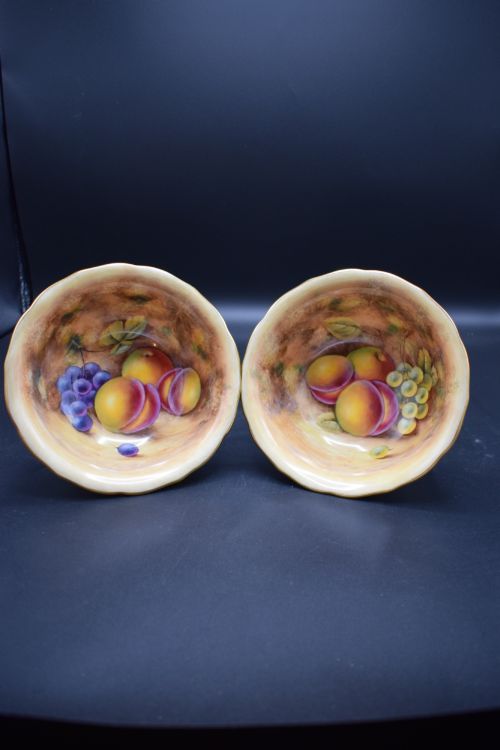
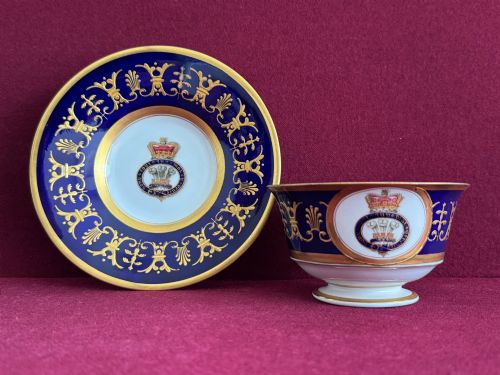
The pieces appearing on this page span from the Regency era through late Victorian designs to the vibrant fruit-painted compositions of the 1920s, 1930s, and 1940s. Buyers frequently encounter blush ivory finishes, boat-shaped bowls, and scalloped edges signed by prominent studio artists.
The forms adapt to various domestic functions, from small cream and sugar sets to large painted fruit bowls intended for central display. Each piece carries the distinct mark of a long-standing British tradition in porcelain manufacture.
How they were made
Makers utilised fine porcelain and bone china as the primary substrate, forming the vessels through throwing or moulding before applying detailed brushwork. Artisans built up surface decoration using hand-painted enamel, cobalt enamel, and intricate gold leaf or gilt edges.
The application of paint involved multiple firings to fix delicate floral sprays, storks, and lush fruit studies beneath a protective glaze. Gilt detailing and rope edge tooling provided a polished finish that highlighted the contours of each dish and bowl.
Royal Worcester Porcelain Bowl Retail Price Guide 2026
Typical asking prices for royal worcester porcelain bowl among the pieces listed under this phrase on Sellingantiques today, from the lower quarter to the upper quarter. They describe what is for sale here now, not the wider market.
The listings span from the Regency period through Victorian and Edwardian eras up to the 1960s, featuring porcelain, bone china, and enamel.
What varies in quality
The standard of a royal worcester porcelain bowl rests heavily on the identity of the painter and the complexity of the surface design. Signed pieces by recognised artists command greater attention than unsigned factory output, as individual brushwork introduces distinct artistic merit.
Depth of colour, the richness of the gilding, and the crispness of moulded details such as rope edges or shell motifs dictate the desirability of the piece. Preservation of the painted enamel without rubbing or loss determines how successfully the item retains its original visual impact.
Albert Shuck·J Southall·Grainger and Co·Flight Barr and Barr·Richard Sebright·Kitty Blake·Mildred Hunt·William Ricketts·Louis Flexman
The Royal Worcester Porcelain Bowl Glossary
- Blush ivory
- A matte cream-coloured porcelain body developed by the factory, often tinted with soft peach and green hues to resemble natural ivory. It forms the foundation for many late Victorian floral designs.
- Gilt
- A thin layer of gold applied to the edges, handles, or surface patterns of the porcelain to provide a metallic highlight. This finish catches the light and frames the painted central motifs.
- Comport
- A raised dish or bowl mounted on a foot or pedestal, traditionally used for serving fruit or sweets at the dining table. They stand taller than standard domestic bowls to create vertical interest in table settings.
- Enamel
- Opaque glass-like pigments fused to the porcelain surface during firing to create permanent, colourful designs. These pigments allow for rich depictions of fruit, birds, and flowers.
Royal Worcester Porcelain Bowl: Frequently Asked Questions
Are these bowls safe for food?
Most antique and vintage vessels function primarily as decorative items, table centerpieces, or dry display dishes rather than active tableware.
Older glazes and hand-painted metallic accents can wear down with acidic foods or heavy daily usage, so reserve them for display or light dry service.
How do I date a piece?
Examine the base for factory impressed marks, date ciphers, or printed backstamps that changed systematically across different decades of production.
Stylistic clues such as Victorian blush ivory finishes, Edwardian floral motifs, or 1930s fruit painting also provide a reliable timeframe for manufacture.
What is fruit painting?
Fruit painting involves naturalistic depictions of apples, grapes, berries, and peaches rendered against mossy backgrounds by specialist studio artists.
This technique became a signature style for high-end factory output during the early and mid-twentieth century, showcasing the skill of individual painters.