
Royal Worcester Painted Porcelain
Royal Worcester painted porcelain brings together botanical, ornithological and fruit subjects hand-painted by celebrated studio artists upon fine ceramic bodies.
Royal Worcester Painted Porcelain
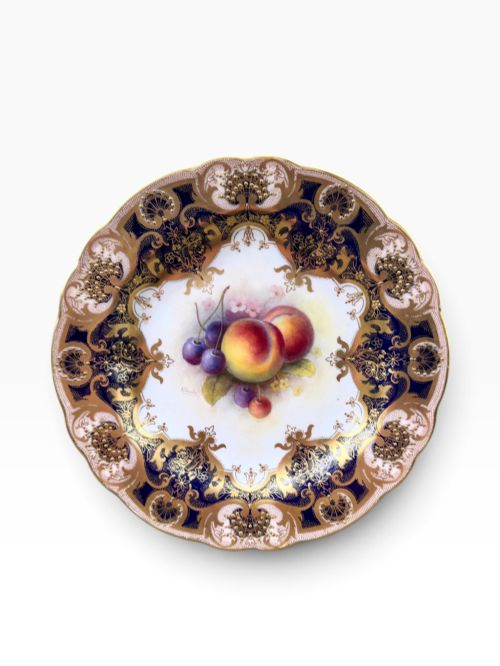
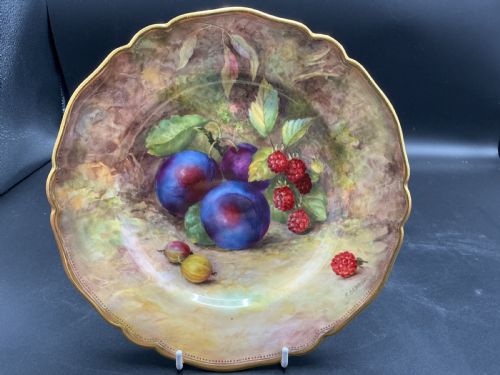
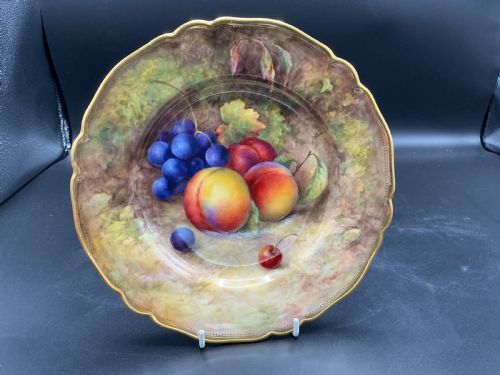
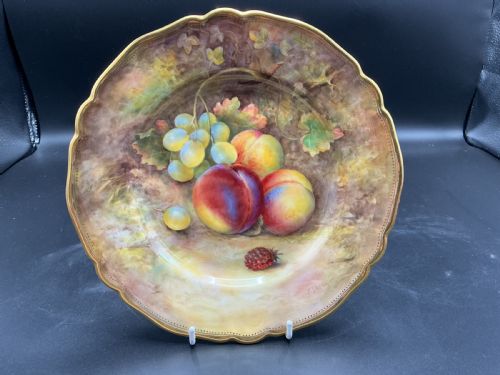
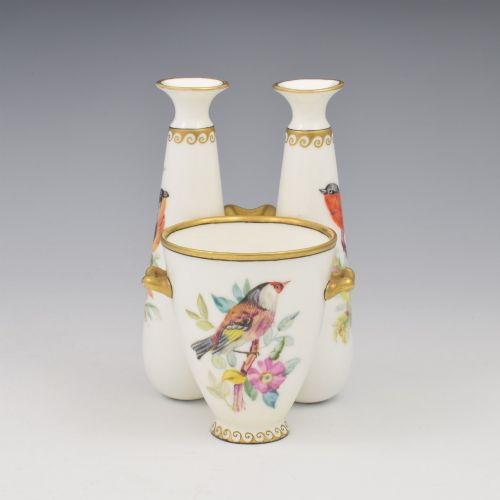
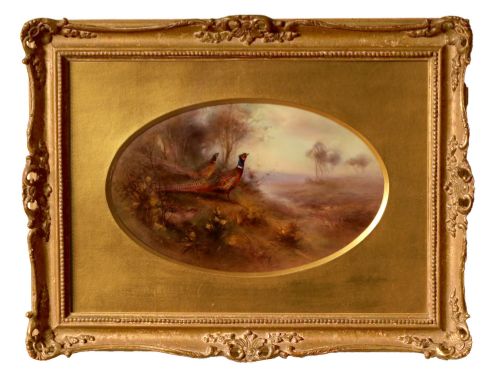
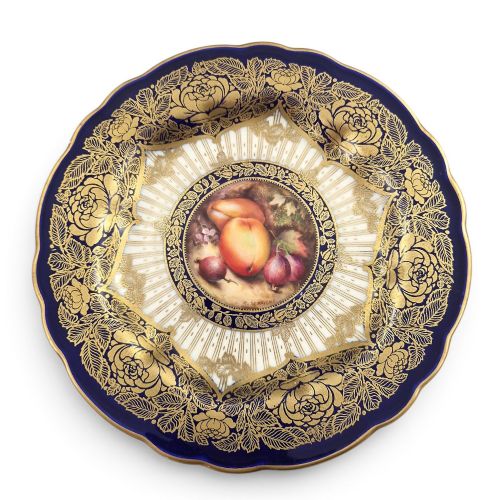
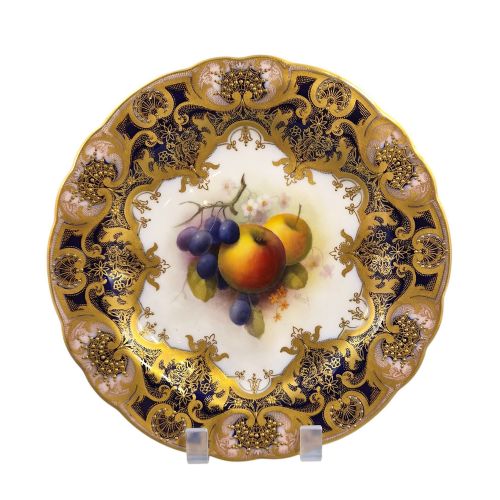
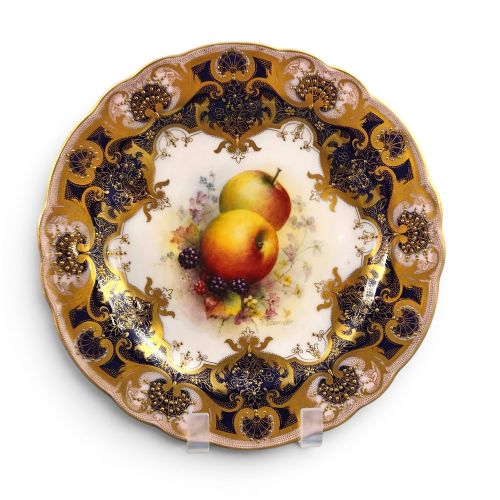
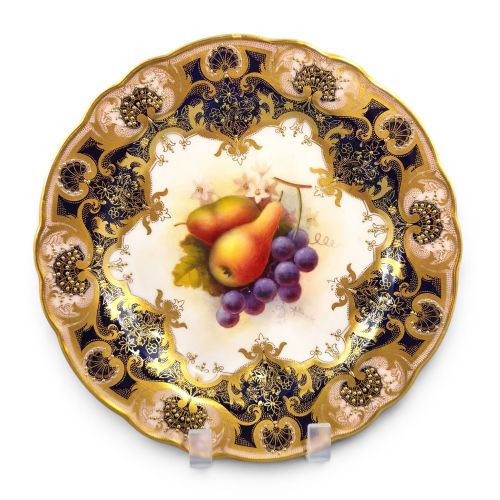
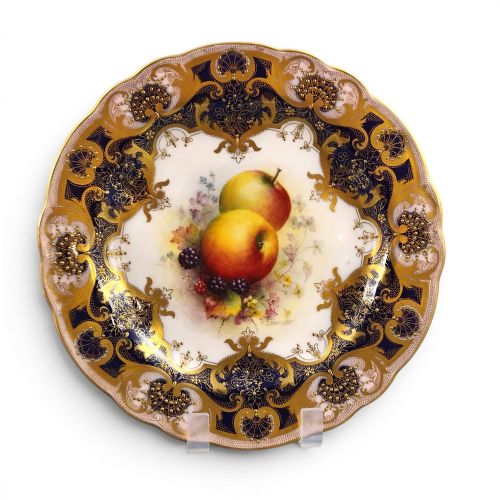
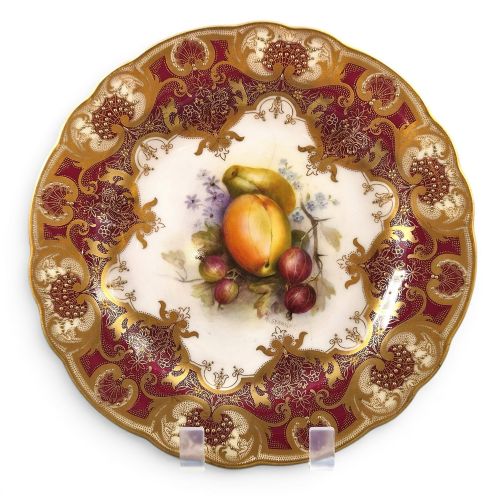
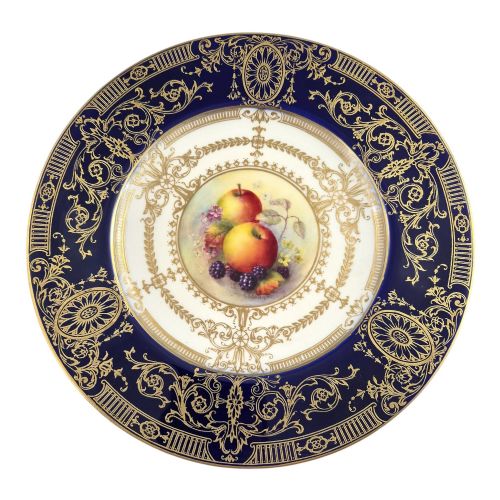
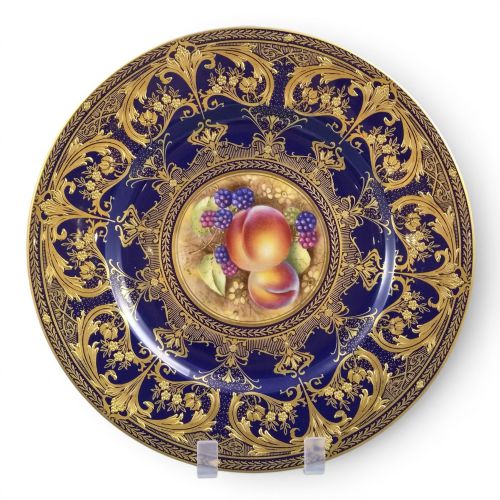
Royal Worcester painted porcelain spans useful cabinet pieces, decorative plaques, vases and figures created from the Victorian era through the mid-twentieth century. The most frequent discoveries on this page are cabinet plates and ornamental vessels adorned with detailed hand-painted studies of fruit, flowers and birds.
Makers and decorators operating within the factory traditions produced items that bear signature marks of notable hands such as Richard Sebright, Albert Shuck and James Stinton. These pieces reflect stylistic shifts from late Victorian ornate gilding and blush ivory grounds to Edwardian naturalism and later twentieth-century fruit studies.
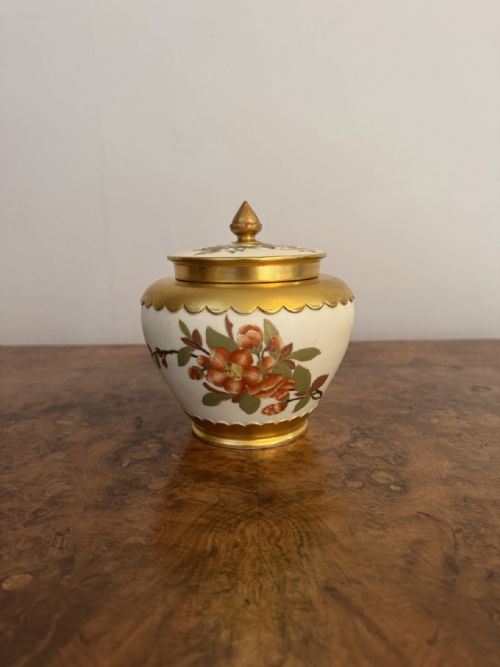
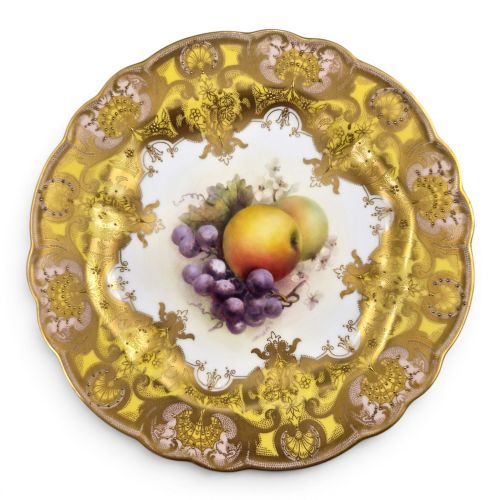
The forms range from lidded potpourri jars and ewers to table lamps and cabinet plates featuring elaborate rope edges or gilt scrollwork. Collectors encounter both utilitarian shapes given decorative treatment and dedicated display items created purely for visual impact.
Materials and Techniques
Items take shape from fine porcelain and bone china bodies that provide a smooth, white ground suited to delicate brushwork. Potters formed vases, jugs and plates by hand-throwing or moulding before applying glazes and initial firings.
Artists then painted naturalistic scenes using enamel colours directly onto the prepared ceramic surface, often returning pieces to the kiln between layers to fix the pigments. Artisans finished the rims and handles with gold leaf, gilding and gold gilt highlights applied by hand.
Listings feature porcelain forms spanning Victorian pedestal cups, Edwardian blush ivory vases, and mid-century painted fruit cabinet plates.
Judging Quality
The distinction between tiers rests upon the complexity of the subject matter and the reputation of the artist whose signature appears on the surface. Hand-painted fruit studies and ornithological scenes by documented masters command greater attention than standard floral transfers or generic factory decoration.
Execution of the gilding and the precision of the enamel work determine the refinement of an individual vessel. Well-preserved gilt edges and crisp, detailed brushwork indicate superior factory output from prime operating periods.
Albert Shuck·James Stinton·Richard Sebright·John Hopewell·Chivers·W Ayrton·Walter Powell·J Southall·E Townsend·William Ricketts·Louis Flexman
The Royal Worcester Painted Porcelain Glossary
- Blush ivory
- A soft, matte cream-coloured ceramic ground often decorated with pastel floral sprays and gilt highlights. This finish became a hallmark of late nineteenth and early twentieth-century production.
- Cabinet plate
- A decorative ceramic plate intended for display in a cabinet or mounted on a wall rather than for dining use. These pieces typically feature elaborate hand-painted central reserves.
- Gilding
- The application of gold leaf or powdered gold to ceramic surfaces, used to accent handles, rims and borders. Skilled artisans burnished the gold to achieve a bright metallic sheen.
- Enamel
- Opaque glass-based pigment applied to porcelain surfaces before secondary firing. This material allowed artists to achieve rich, lasting colours on painted plates and vases.
- Puce mark
- A factory backstamp printed in a brownish-purple or puce colour used by Worcester during specific nineteenth-century periods to date and authenticate output.
Royal Worcester Painted Porcelain: Frequently Asked Questions
How do I date these pieces?
Factory backstamps printed under the glaze provide the primary evidence for dating individual items. Letter codes and variations in the crown and circle marks indicate specific years of manufacture.
Shape numbers and artist signatures also help narrow down the production period. Comparing the style of the hand-painted subject against known working dates of decorators adds further chronological clarity.
Are painted fruit plates safe to use?
Cabinet plates and hand-painted display pieces are intended purely for visual appreciation rather than functional dining use. The delicate enamel paints and raised gilding are vulnerable to scratching and detergent wear.
Displaying these items in enclosed cabinets or mounting them securely on walls preserves the fragile surface artistry. Utilitarian vessels from the factory, such as standard teapots, were made for service, but painted decorative wares require careful handling.
What is blush ivory?
Blush ivory refers to a specialised matte cream glaze developed by the factory in the late nineteenth century. It mimics the creamy tone of natural ivory and served as a background for floral decoration.
This finish is frequently paired with gilt edges and subtle hand-painted botanical sprays. Pieces utilising this technique represent a distinct aesthetic phase in Victorian and Edwardian ceramics.
How should I display my porcelain?
Porcelain benefits from stable indoor environments away from direct sunlight, which can fade delicate enamel colours over time. Enclosed display cabinets protect painted surfaces from dust and accidental impacts.
Plate stands designed for heavy ceramic wares ensure secure positioning on flat surfaces. Wall-mounted plaques require proper hanging hardware rated for the weight of the ceramic body.