


Royal Worcester Fruit Dish
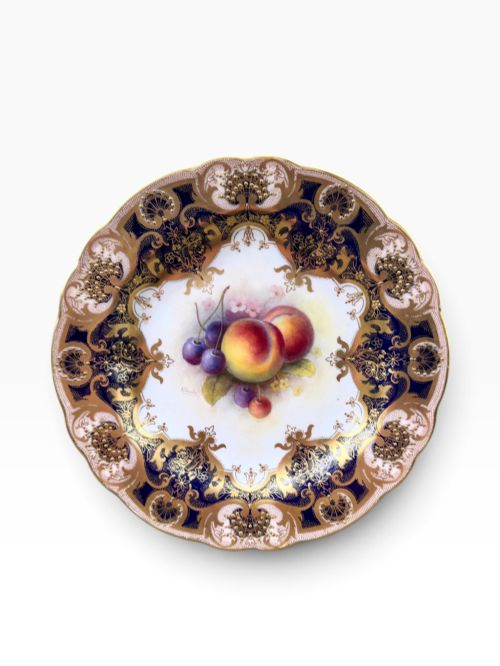
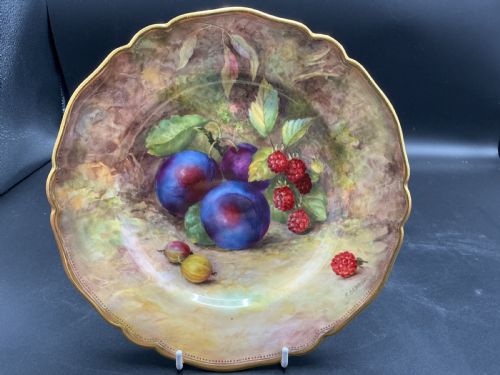
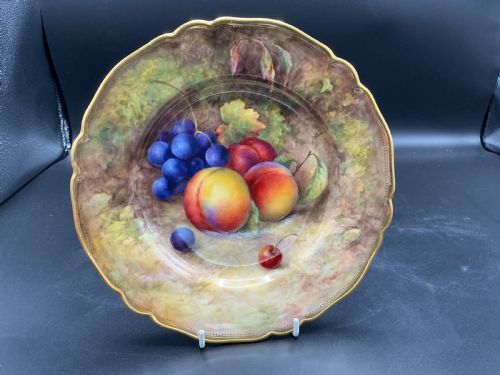
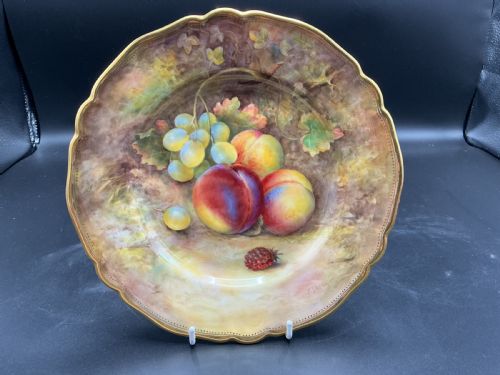
A royal worcester fruit dish brings together fine porcelain and intricate hand-painted studies that reflect a long British ceramic tradition.
Royal Worcester Fruit Dish
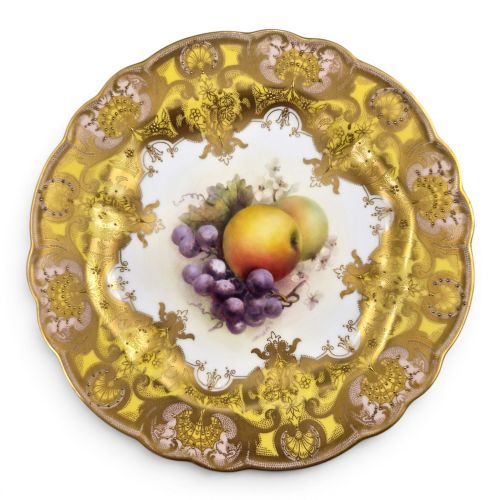
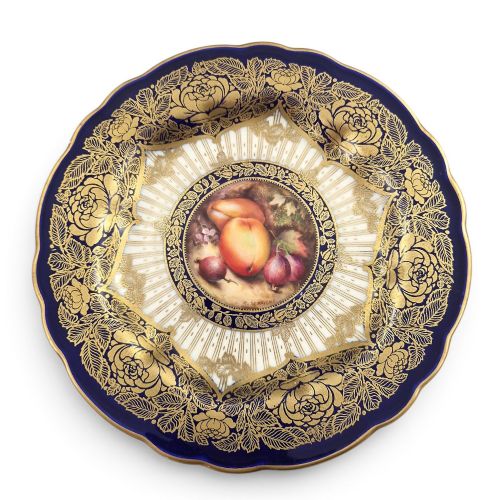
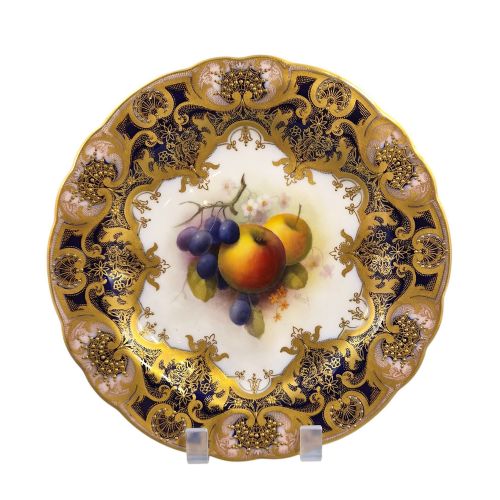
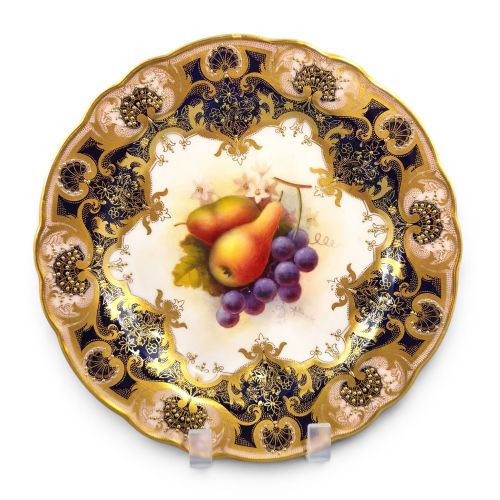
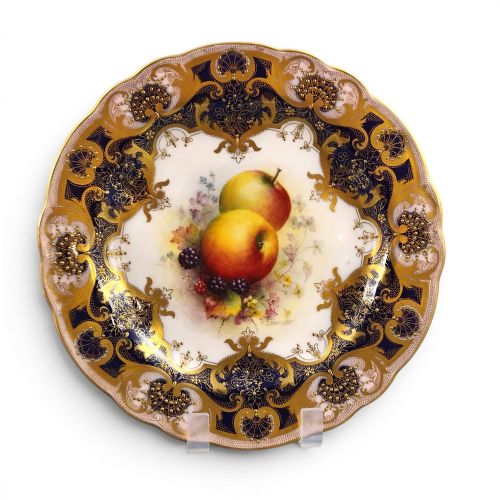
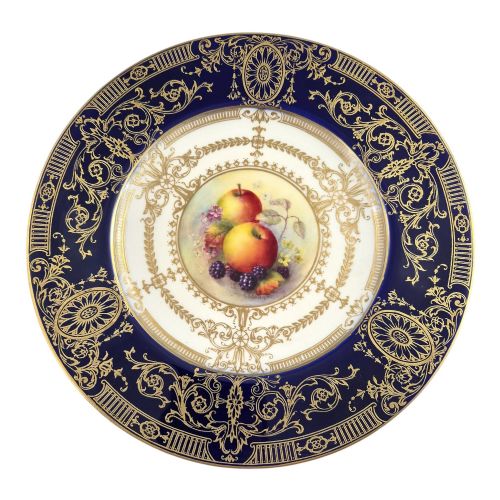
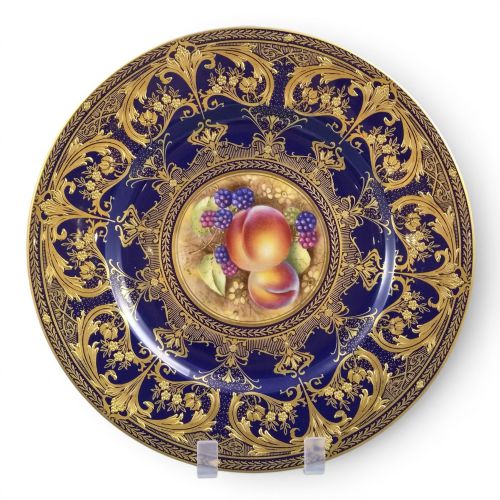
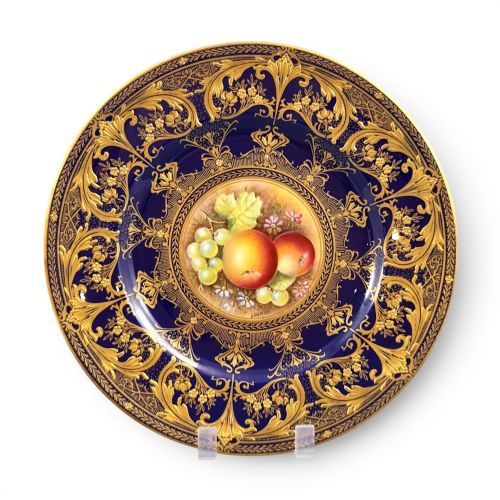
A royal worcester fruit dish takes many shapes across the inventory, appearing as cabinet plates, boat-shaped bowls, trays, comports and dessert dishes. These pieces span the Edwardian era through the mid-twentieth century, including decades such as the nineteen-tens, twenties, thirties, forties, fifties and sixties.
Collector interest centres heavily on hand-painted fruit studies created by notable factory artists. The selection ranges from circular plates with rope or star edges to handled serving dishes and sugar bowls.
Judging Quality
Quality rests principally upon the skill of the artist whose signature appears on the surface. Pieces painted by recognised decorators command greater attention than unsigned factory work.
The crispness of the gilding and the delicacy of the enamel work also determine the standing of an individual piece within the range.
Even a humble sugar bowl received meticulous painted peaches and grapes.
Royal Worcester·Richard Sebright·Albert Shuck·Brian Leaman·J Southall·P Love·J Smith·Ayrton·Kitty Blake·J Lockyer·E Townsend·George Moseley·Thomas Lockyer·F Roberts·Freeman
The Royal Worcester Fruit Dish Glossary
- Cabinet plate
- A decorative ceramic plate intended for display in a cabinet rather than for dining use. These often feature elaborate painted scenes.
- Comport
- A raised dish or bowl on a foot, used historically for serving fruit or sweetmeats. They add height to a table or display.
- Bon bon dish
- A small shallow dish designed to hold sweets or small confectioneries. They frequently incorporate shell handles or shaped edges.
- Gilding
- The application of gold leaf or gold paint to ceramic surfaces. This technique highlights rims, handles and decorative borders.
Royal Worcester Fruit Dish: Frequently Asked Questions
What is a royal worcester fruit dish?
A royal worcester fruit dish is a porcelain plate, bowl or tray decorated with hand-painted fruit studies. These items were produced across the twentieth century by skilled factory decorators.
They serve primarily as decorative objects for display cabinets or side tables rather than everyday tableware.
How do I identify the artist?
Many pieces feature a signature near the edge of the painted fruit scene. Names such as Richard Sebright, Albert Shuck and Kitty Blake appear regularly in the inventory.
Matching the signature against factory records helps establish the specific decorator and the approximate period of creation.
How should I care for these pieces?
These delicate porcelain items require gentle dusting with a soft, dry cloth. Hand washing in lukewarm water with mild soap is suitable only when necessary, avoiding abrasive sponges.
Keep them away from direct sunlight and avoid using a dishwasher to protect the enamel paint and gold gilding.
Are all pieces signed?
Not every piece carries an artist signature, as some standard production items received factory decoration without individual attribution. Signed examples by master painters generally attract more attention from collectors.
Checking the backstamp alongside any visible signature provides a clearer picture of the item's origin.