

Royal Worcester Dishes
Royal Worcester dishes bring refined English ceramic artistry to the table, combining delicate hand-painted motifs with rich gilding.
Royal Worcester Dishes
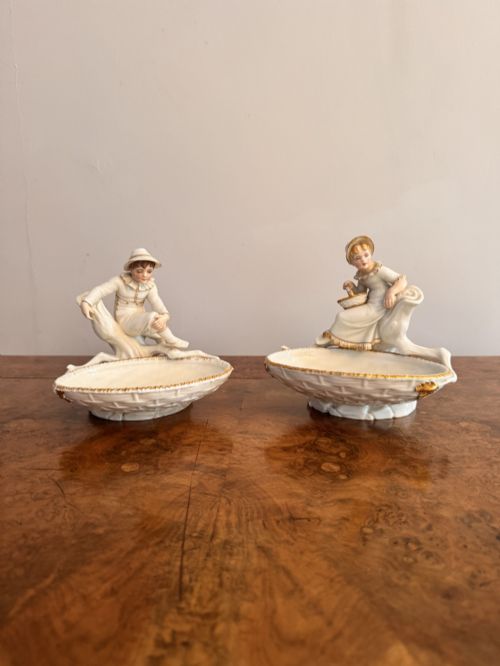
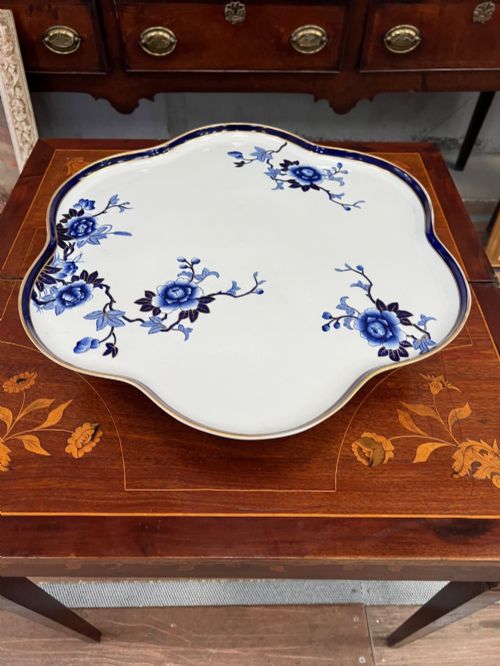
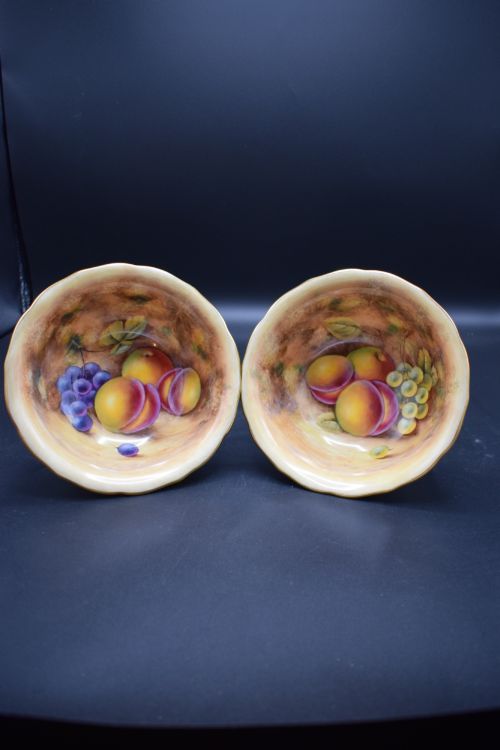
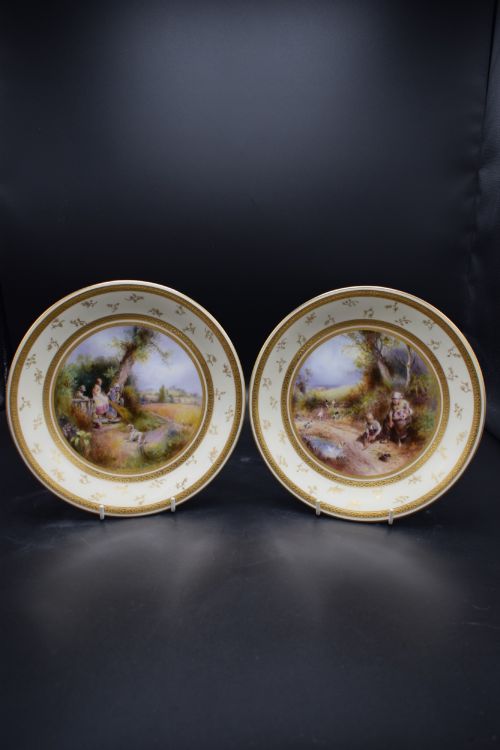
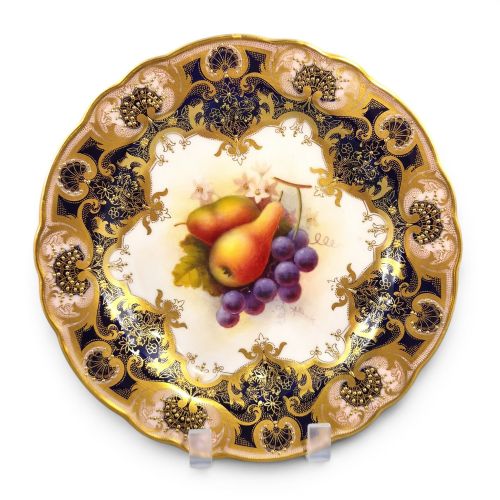
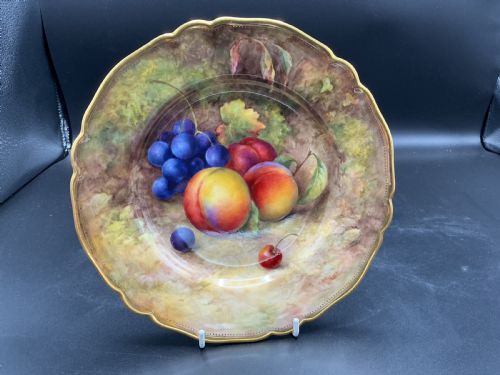
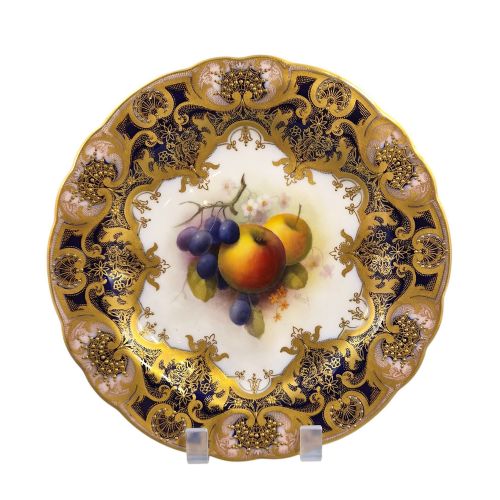
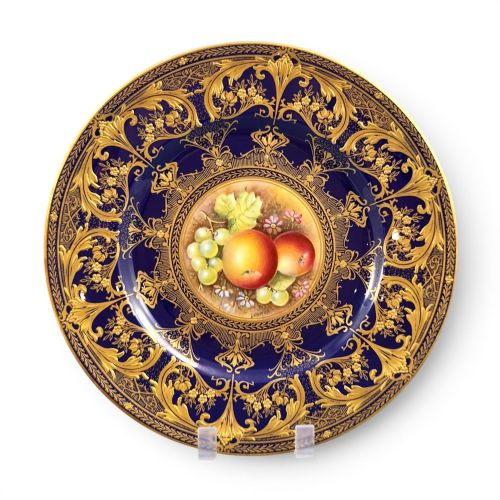
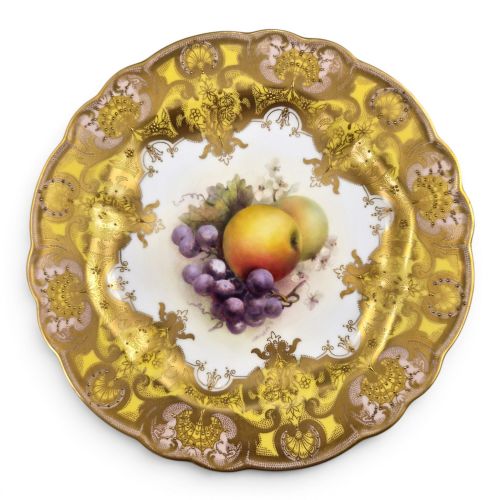
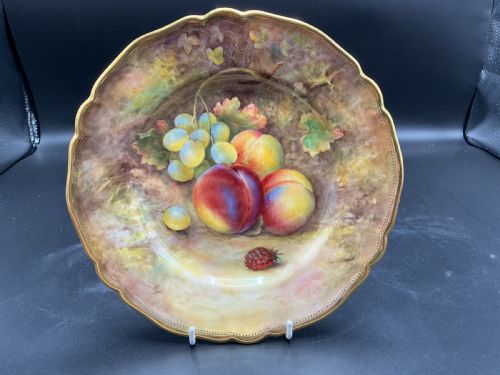
Royal Worcester dishes encompass a diverse range of porcelain forms, from cabinet plates and dessert dishes to decorative bowls and serveware. These pieces span multiple decades of production, though items bearing hand-painted fruit and floral designs from the early to mid-twentieth century appear frequently.
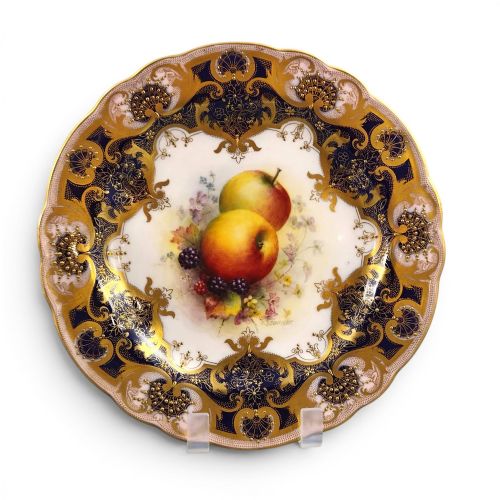
Makers and artists utilised various specialised shapes, including rope-edge plates, boat-shaped bowls, and shell dishes, often finished with intricate gilt borders. Buyers encounter both traditional floral patterns and elaborate pictorial scenes signed by notable studio artists.
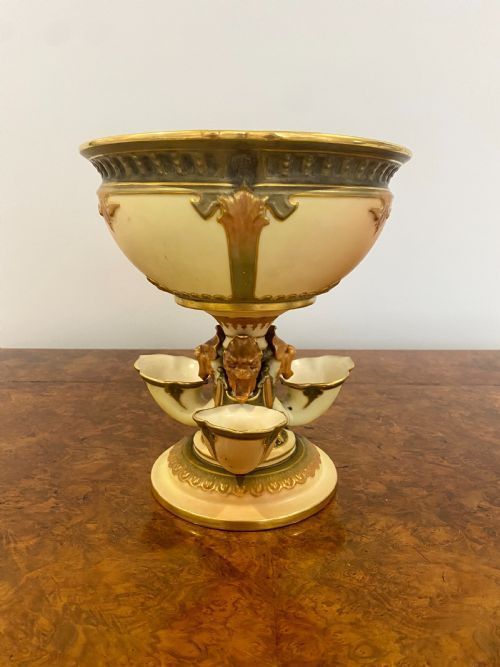
The assortment reflects traditional English ceramic styles alongside Edwardian and Victorian influences, incorporating techniques like blue scale patterning and blush ivory finishes. Each item serves as both functional tableware and a decorative centrepiece.
How they were made
Production relied on fine porcelain and bone china bodies, shaped into intricate forms such as shell dishes, pierced cabinet plates, and moulded bowls. Artisans applied detailed enamel colours and hand-painted motifs directly onto the glazed ceramic surface before firing.
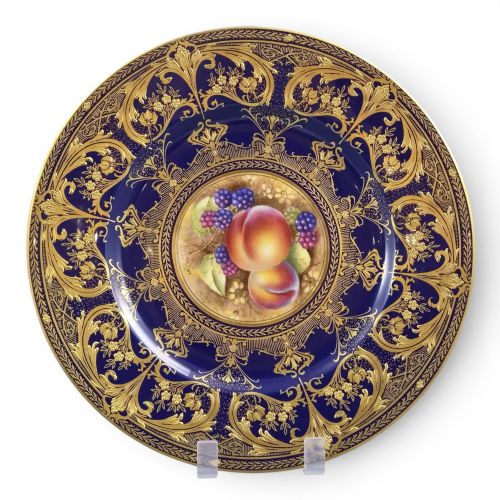
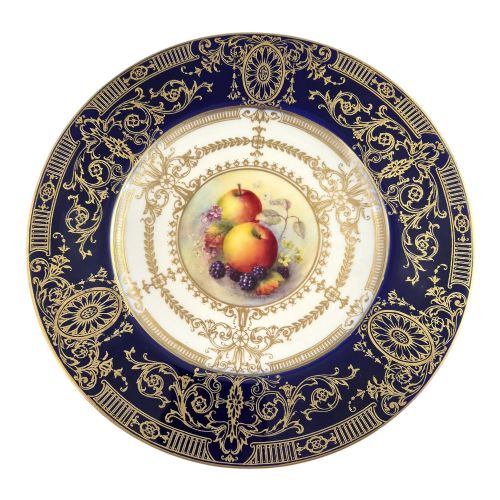
Gilding and gold leaf accents were meticulously added to rims, handles, and borders to provide contrast against painted fruit, landscapes, and floral sprays. Many pieces demonstrate skilled application of tooled gilt and cobalt grounds to frame the central artwork.
Royal Worcester Dishes Retail Price Guide 2026
Typical asking prices for royal worcester dishes among the pieces listed under this phrase on Sellingantiques today, from the lower quarter to the upper quarter. They describe what is for sale here now, not the wider market.
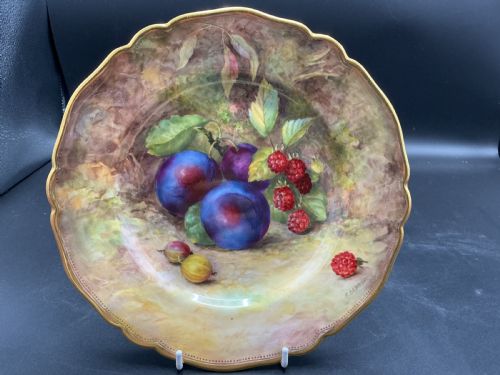
Some dessert dishes arrived at grand Victorian tables disguised as ordinary fruit, only to reveal intricate painted plums upon closer inspection.
What varies in quality
The distinction between standard production items and premier pieces rests primarily on the complexity of the hand-painting and the presence of a recognised artist signature. Works decorated by renowned painters command greater attention due to the fine detail and naturalism of the fruit or floral subjects.
Elaborate finishing details, such as heavy tooled gilding, raised enamel work, and specialised moulded edges like rope borders or pierced rims, elevate a piece above simpler transfer-printed or plain glazed examples.
Royal Worcester·Grainger And Co
The Royal Worcester Dishes Glossary
- Cabinet plate
- A decorative ceramic plate intended for display in a cabinet rather than for daily dining use. These often feature elaborate hand-painted scenes and rich gilding.
- Blush ivory
- A matte cream-coloured ceramic ground developed by the factory, frequently decorated with pastel floral sprays and gilt highlights.
- Blue scale
- An underglaze blue pattern resembling fish scales, often used as a background panel on porcelain wares.
- Comport
- A raised dish or bowl on a foot, used historically for serving fruit or sweets at dessert.
- Gilding
- The application of gold leaf or gold paint to ceramic surfaces for decorative accent. This technique defines many traditional English porcelain borders.
Royal Worcester Dishes: Frequently Asked Questions
How do I identify hand-painted fruit?
Hand-painted fruit pieces usually display detailed studies of apples, grapes, and berries against a shaded background, often signed by the artist. Close examination reveals individual brushstrokes and variations in colour intensity that differentiate them from printed transfers.
These painted items commonly feature rich gilding around the edges and carry factory backstamps corresponding to the period of manufacture.
Were these dishes meant for dining?
While many forms like dessert dishes and soup plates originated for table service, cabinet plates and ornate comports served primarily decorative functions. Pieces with delicate raised gilding or intricate pierced borders were generally preserved for display.
Practical serveware received durable glazes to withstand use, though surviving examples often show minimal wear due to careful preservation by collectors.
How do I date a piece?
Dating relies heavily on factory backstamps printed on the underside, which evolved through distinct symbols and dot configurations over the decades. Stylistic markers such as blush ivory grounds or Edwardian floral arrangements also provide clues to the era of production.
Matching the painted style and artist signatures helps narrow down the decade when the item left the kilns.
Can I use these dishes daily?
Fine antique porcelain requires careful handling and hand washing to protect delicate enamel paints and gold leaf accents from detergent damage. Modern dishwashers and microwaves will degrade the historic gilding and ceramic glazes over time.
Gentle maintenance ensures the painted surfaces and gilt edges remain preserved for future display.