

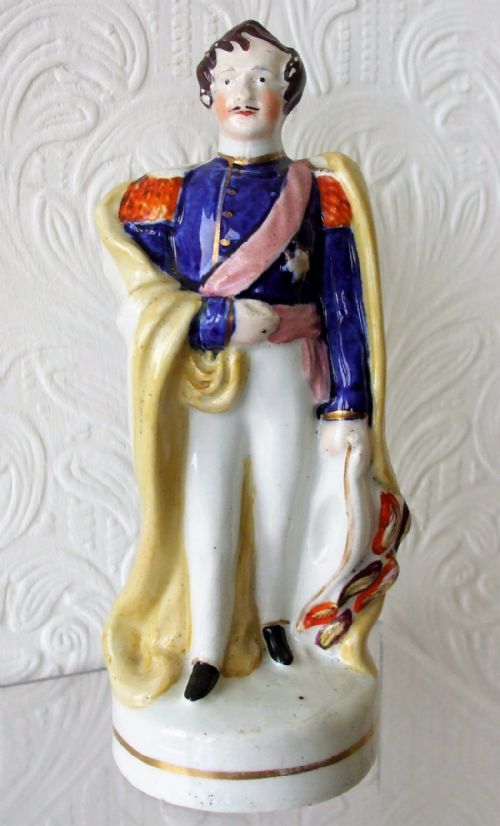


Royal Portrait Figure
A royal portrait figure captures monarchs and leaders in earthenware, bronze or oil, bringing nineteenth-century pageantry directly onto the mantelpiece.
Royal Portrait Figure
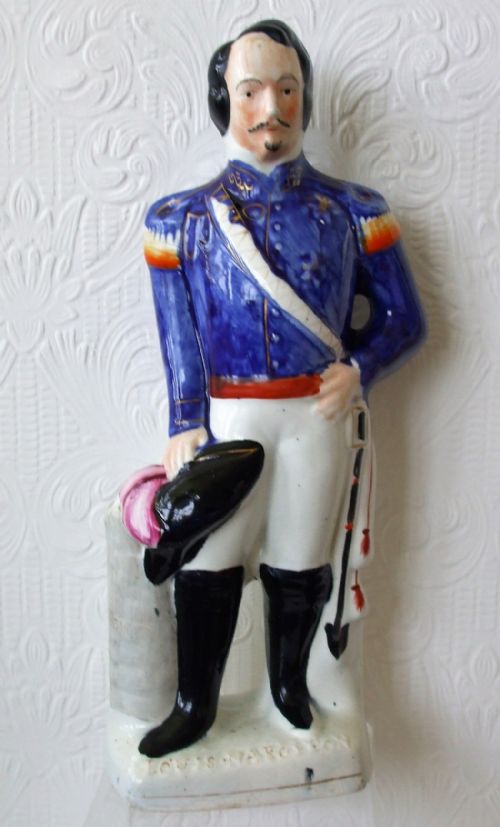
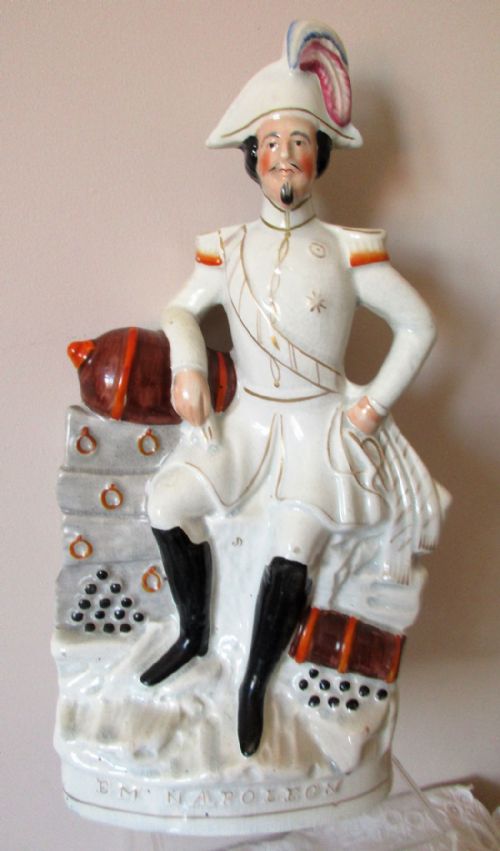
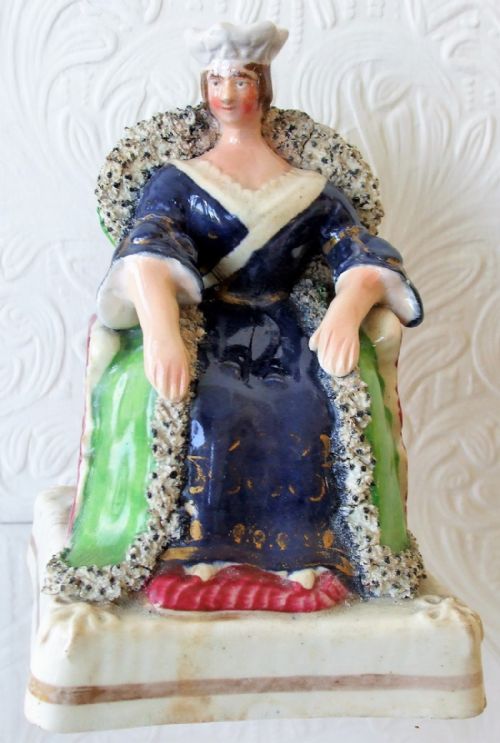
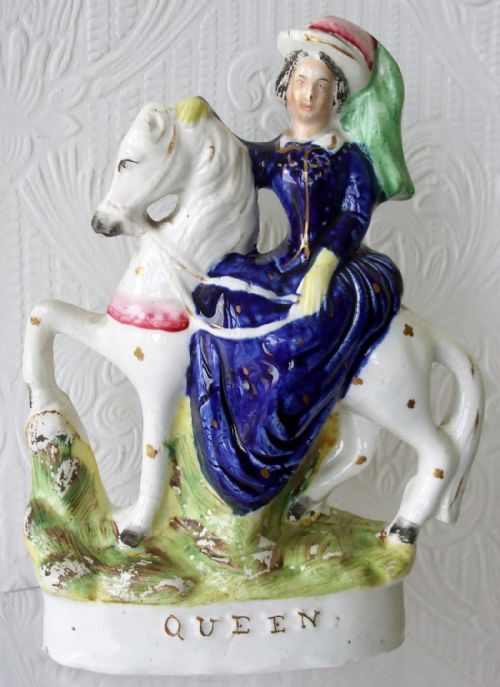
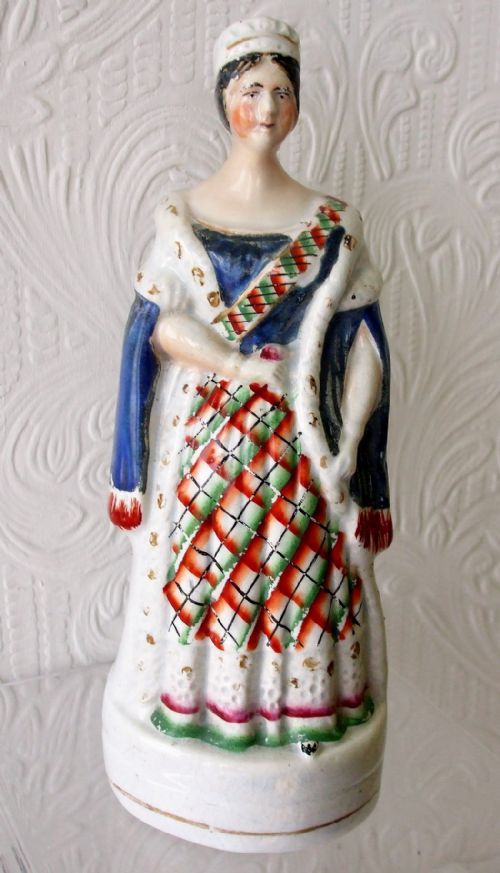
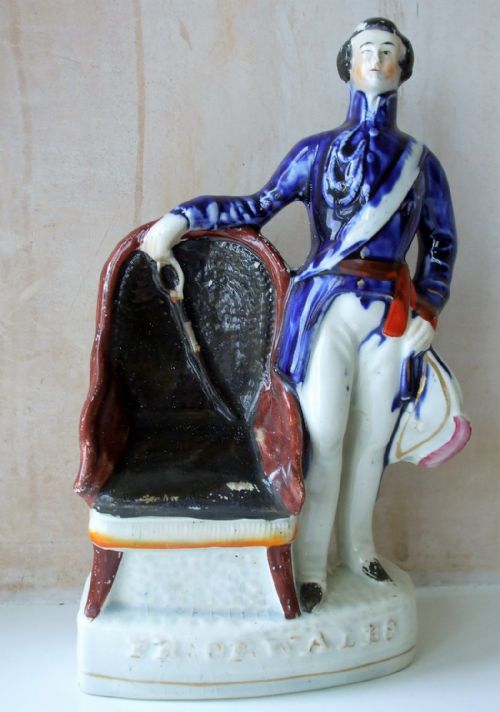
When you search for a royal portrait figure, you encounter commemorative items depicting sovereigns, emperors and royal families from the nineteenth century and earlier. These pieces range from Staffordshire flatback pottery to bronze busts and framed oil paintings.
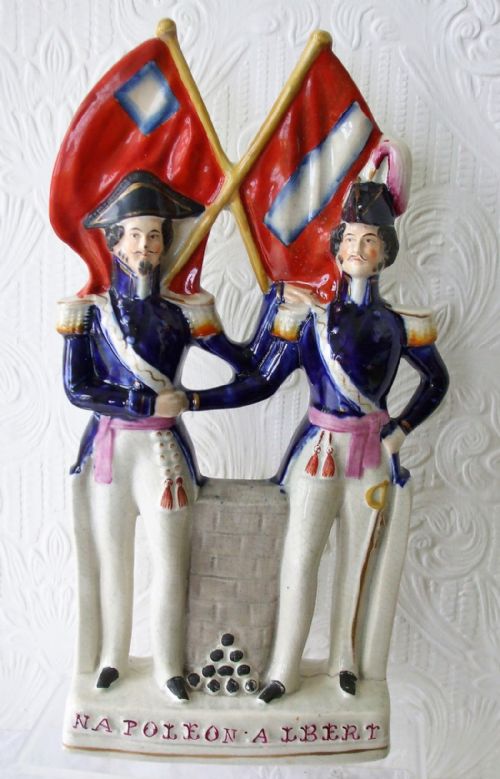
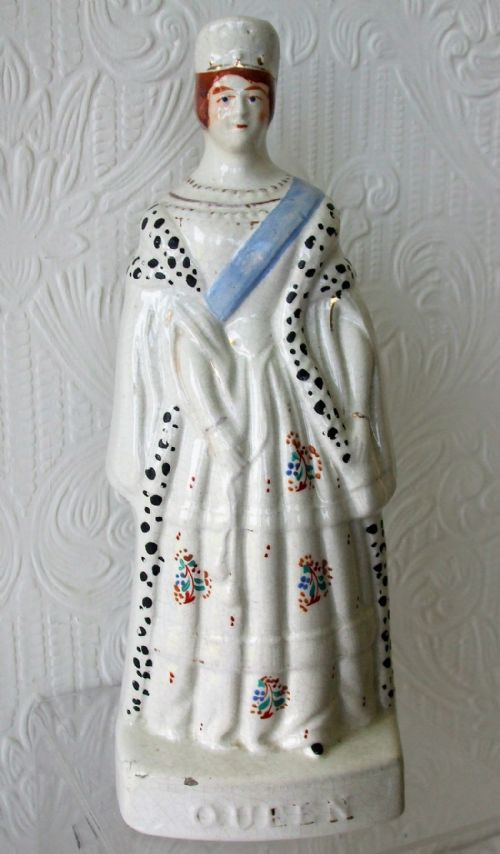
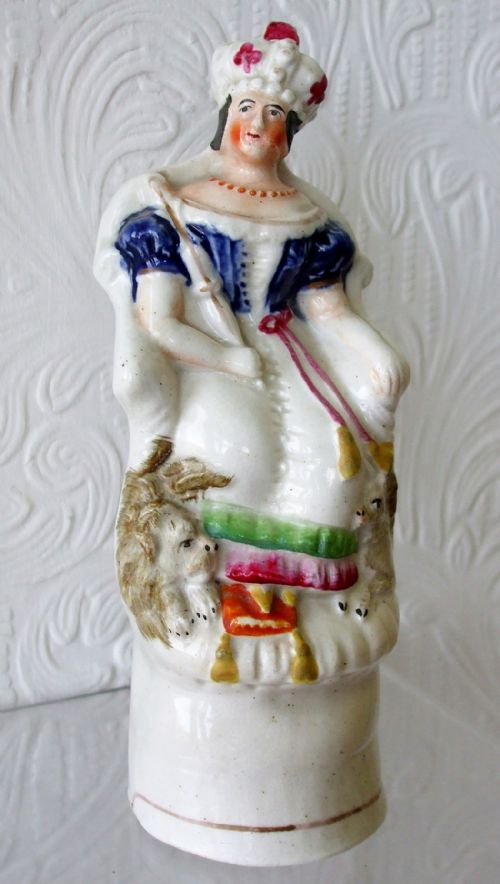
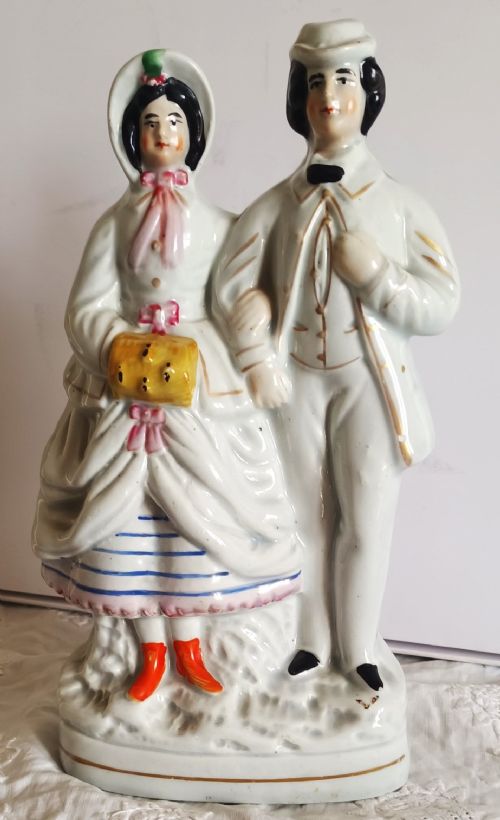
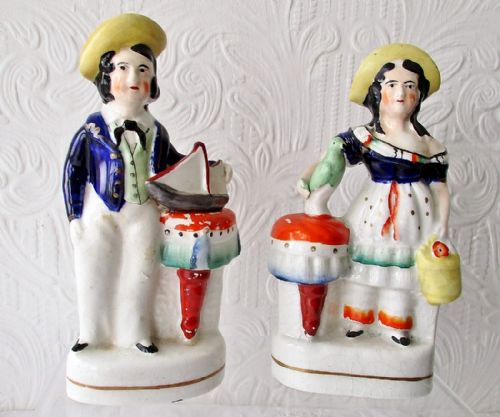
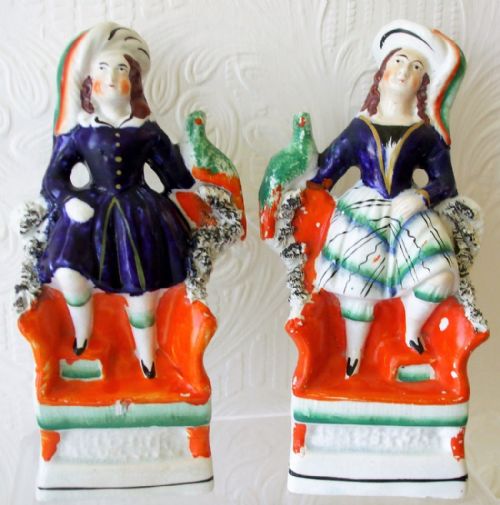
The Staffordshire earthenware tradition dominates the selection, featuring figures like Queen Victoria, Prince Albert and Napoleon III either singly or in matched pairs. Other iterations include Parian ware busts, Sevres porcelain and oil paintings on board.
Subjects stretch beyond British royalty to include continental monarchs, historical leaders and figures from the Crimean War alliance such as Turkey, England and France. Forms vary from simple standing depictions to elaborate group figures recording weddings or alliances.
How they were made
Pottery figures rely on earthenware bodies shaped in press moulds, then hand-painted with lead glazes and enamel colours before kiln firing. Gold leaf highlights occasionally accent the garments and bases of these ceramic pieces.
Metal portrait pieces utilise bronze casting or Parian body compositions to achieve fine facial detail and smooth textures. Paintings on board employ oil or watercolour pigments on prepared surfaces.
Staffordshire flatbacks often feature hollow backs and minimal painted detail to the rear, reflecting their intended placement against cottage mantelpiece walls.
Royal Portrait Figure Retail Price Guide 2026
Typical asking prices for royal portrait figure among the pieces listed under this phrase on Sellingantiques today, from the lower quarter to the upper quarter. They describe what is for sale here now, not the wider market.
The material selection spans earthenware, bronze, wood, enamel and oil paint across the nineteenth century and Edwardian periods.
What varies in quality
The execution of the glaze and the richness of the palette distinguish standard production from superior examples. Pair survivals that preserve matching proportions and uniform colouration demonstrate greater sculptural integrity.
Roland Batchelor·Mohtasham Kashan
The Royal Portrait Figure Glossary
- Staffordshire flatback
- A pottery figure designed with a finished front and an unglazed or hollow flat back meant for display against a wall.
- Parian ware
- A fine white bisque porcelain resembling marble, often utilised for nineteenth-century portrait busts.
- Flatback figure
- A ceramic sculpture modelled primarily for frontal viewing on shelves or mantelpieces rather than a freestanding tabletop display.
- Lead glaze
- A glossy vitreous coating applied to earthenware pottery before firing to seal the porous clay body and brighten pigments.
Royal Portrait Figure: Frequently Asked Questions
What is a royal portrait figure?
A royal portrait figure is a decorative ceramic, bronze or painted representation of a sovereign, military leader or royal family member created for domestic display.
These pieces served as popular commemorative objects throughout the nineteenth century, allowing households to display their loyalty or engagement with current events.
How were Staffordshire figures displayed?
Pottery figures were typically placed on mantelpieces, sideboards or shelves within nineteenth-century homes, often arranged in pairs or groups.
Because Staffordshire flatbacks have unglazed rear sides, owners placed them directly against cottage or parlour walls where they remained safe from handling.
Who do these figures depict?
The subjects include British monarchs such as Queen Victoria and Prince Albert alongside European rulers like Napoleon III and Louis XIV.
Other notable depictions cover military alliances, colonial leaders like Maharaja Sir Duleep Singh, and royal children including the Prince of Wales.
Are these pieces dated?
Most nineteenth-century ceramic figures do not bear exact production dates, instead reflecting the reign or historical event they commemorate.
Specific subjects like wedding groups or alliance figures provide a clear chronological window tied to the historical events of the era.