

Antique Staffordshire Flatback Figurine
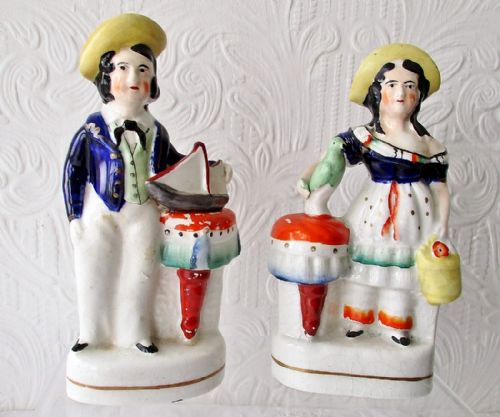
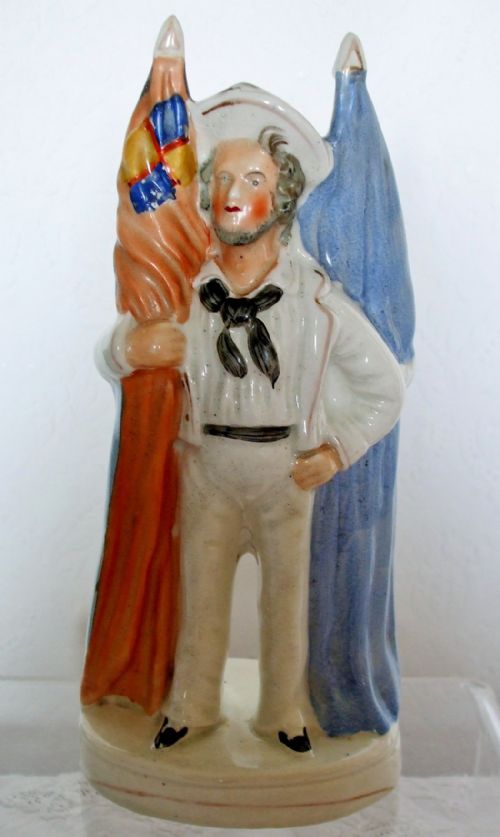
An antique staffordshire flatback figurine brings the colourful pageantry of the Victorian era directly onto a mantelpiece.
Antique Staffordshire Flatback Figurine
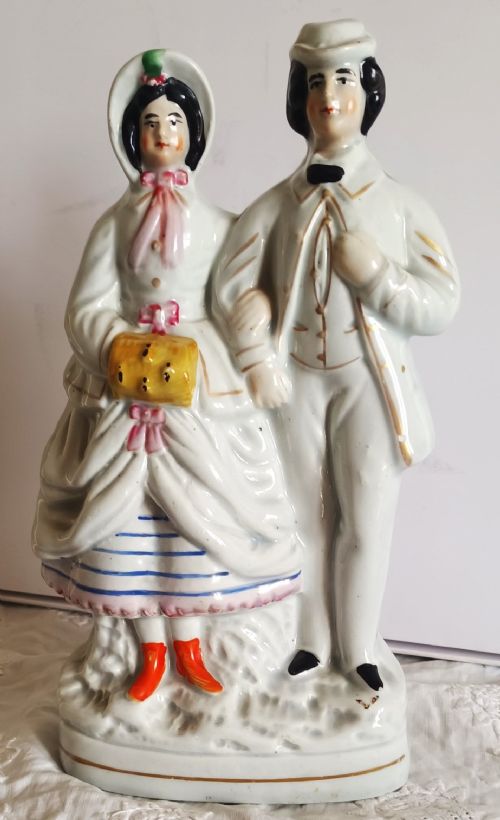
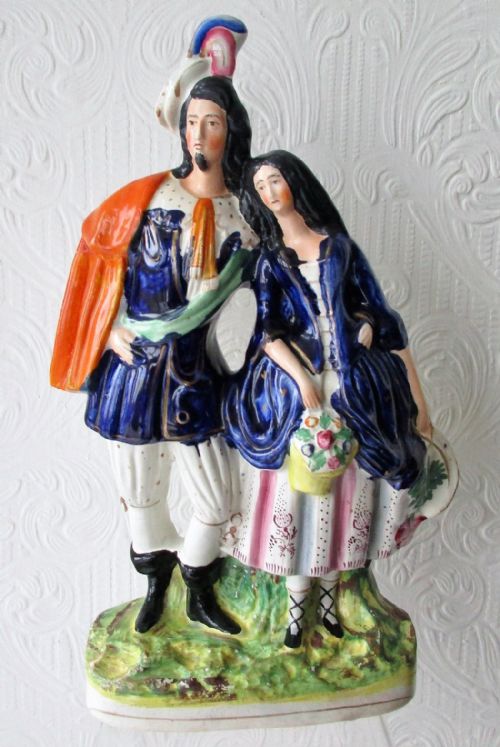
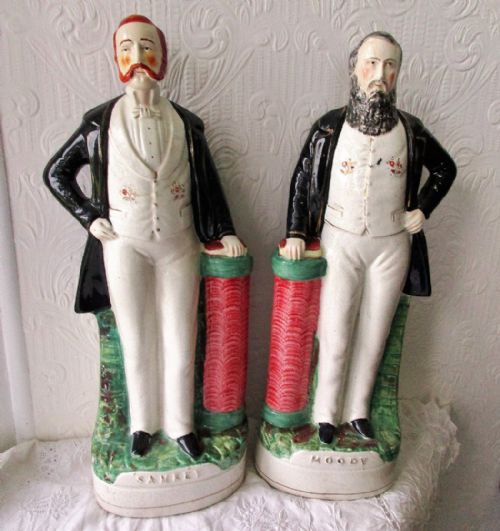
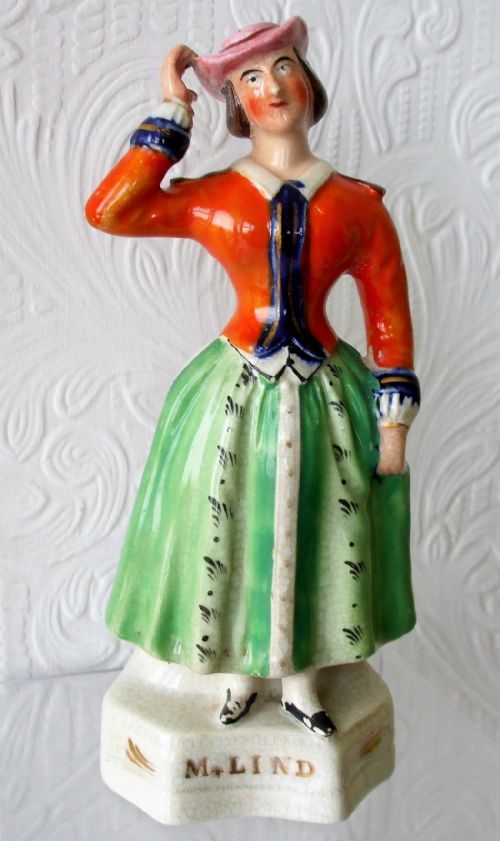
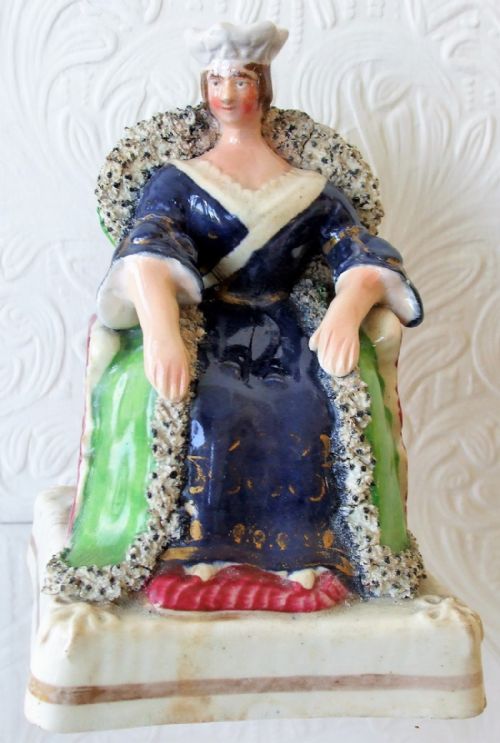
An antique staffordshire flatback figurine represents a distinct category of ceramic ornament produced in the potteries during the nineteenth century. These chimney ornaments were designed to be viewed only from the front, leaving the reverse largely unglazed and flat to sit flush against a wall.
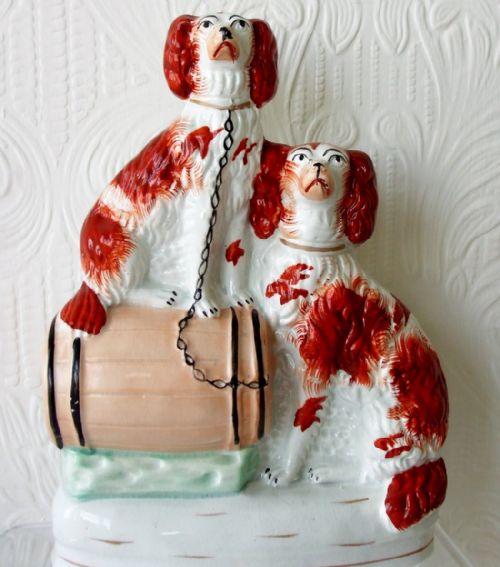
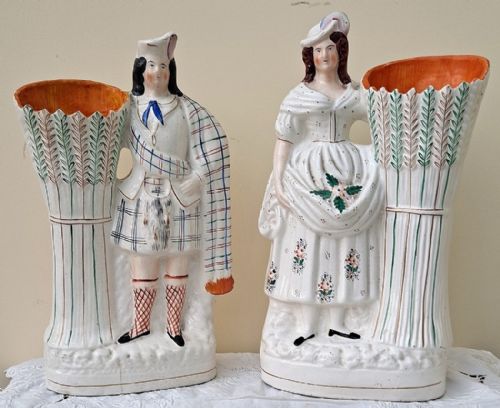
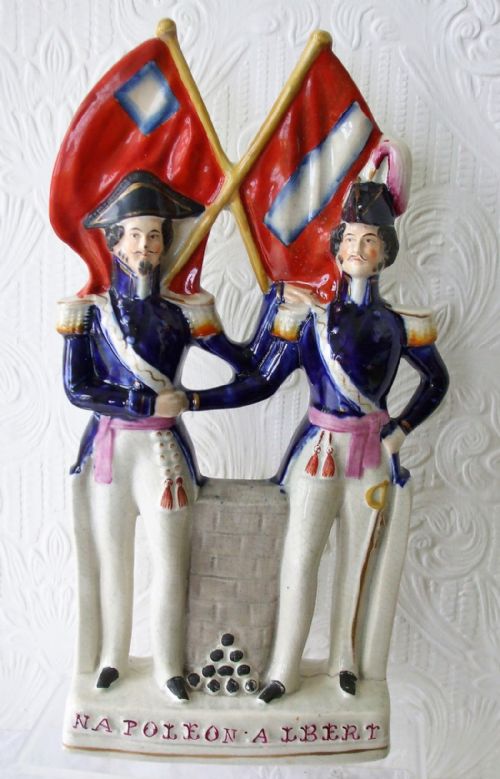
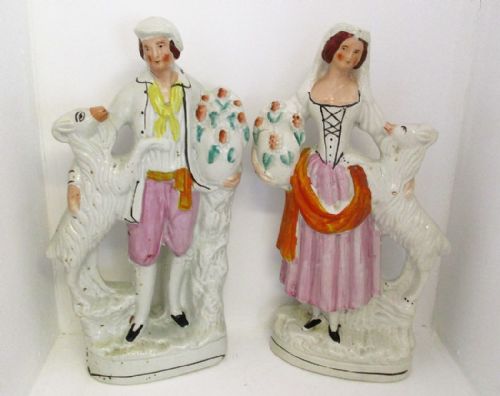
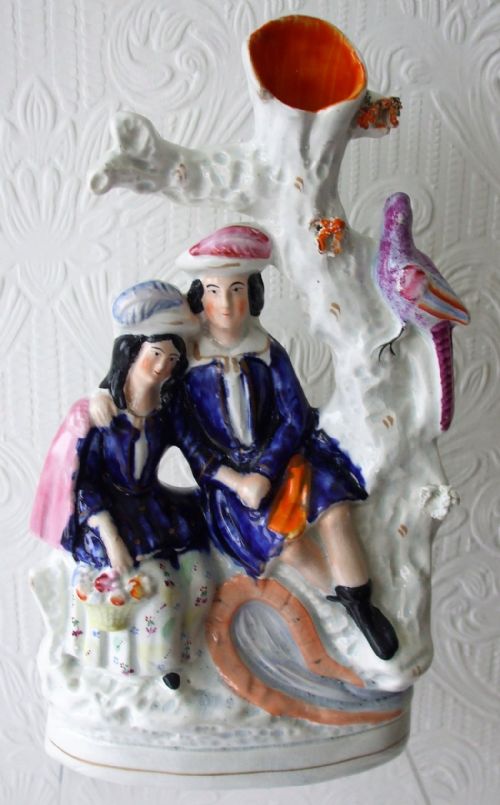
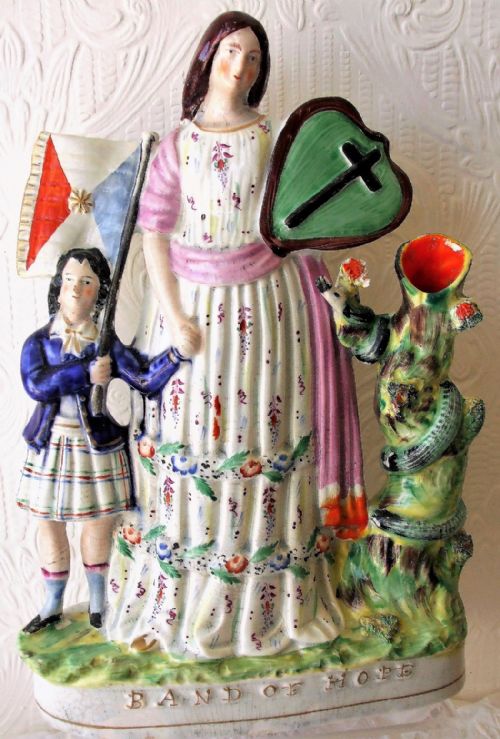
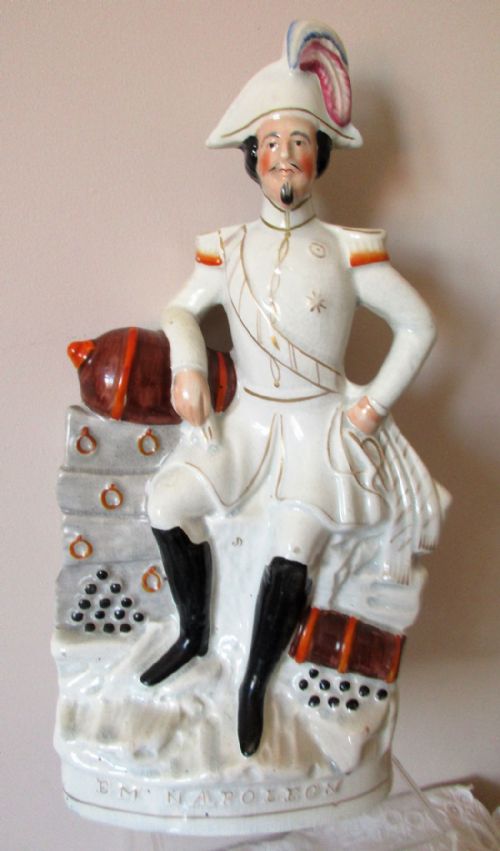
The subjects span royal portrait figures, theatrical characters, military leaders, and pastoral groups such as spaniels and barrel groupings or pairs of gardeners. Most examples date from the Victorian period, taking the form of standalone figures, spill vases, or narrative figure groups.
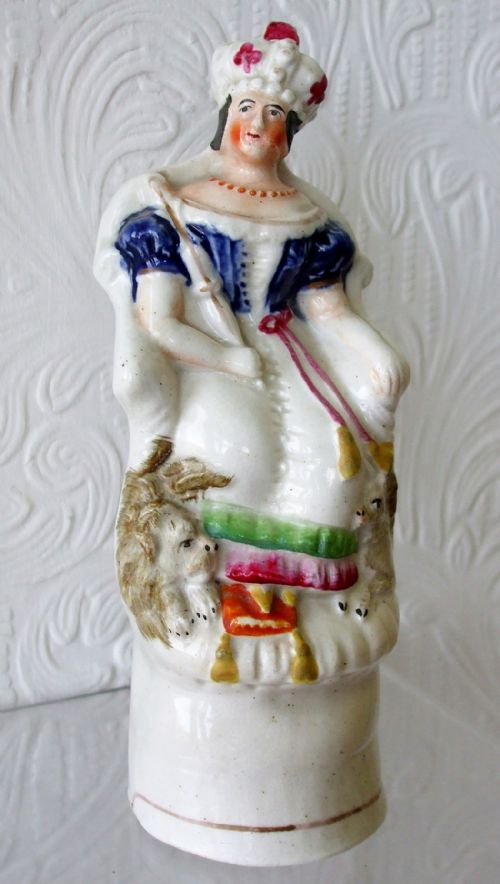
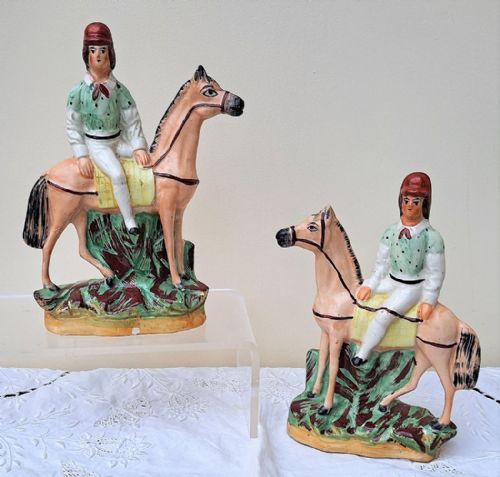
The selection ranges from solo depictions of Queen Victoria and the Prince of Wales to literary figures and theatrical subjects. They capture the popular heroes, current events, and domestic sentiments of nineteenth-century society in cheerful earthenware.
How they were made
Potters shaped these earthenware pieces using clay press moulds, joining the front and back halves together before firing the raw ceramic body in a kiln. The flat backs allowed the figures to stand securely while saving precious materials during production.
Antique Staffordshire Flatback Figurine Retail Price Guide 2026
Typical asking prices for staffordshire flatback figurine among the pieces listed under this phrase on Sellingantiques today, from the lower quarter to the upper quarter. They describe what is for sale here now, not the wider market.
The inventory records spill vases, castles, theatrical scenes, and portrait figures of royalty and military commanders.
What varies in quality
The artistic merit of an antique staffordshire flatback figurine depends largely on the crispness of the moulding and the care taken with the hand-painting. Finer examples display cleanly rendered facial expressions, neatly brushed enamel details, and legible lettering on the bases.
The distribution of the glaze and the precision of the gold leaf application also separate standard production pieces from more ambitious commissions. Pieces with well-balanced proportions and vibrant, unfaded enamel colours demonstrate superior craftsmanship from the pottery workshops.
Sampson Smith
The Antique Staffordshire Flatback Figurine Glossary
- Flatback
- A ceramic figure modelled fully in relief on the front while the reverse is flat and typically unglazed. This construction method allowed the piece to sit safely on narrow mantelpieces.
- Spill vase
- A hollow cylindrical holder incorporated into a ceramic figure group, designed to hold taper spills for lighting fires. These functional elements sit alongside standard decorative figurines.
- Earthenware
- A porous pottery body fired at lower temperatures than stoneware or porcelain, requiring a glaze to achieve impermeability. It served as the primary material for Staffordshire figure production.
- Enamel paint
- Vitreous coloured pigments applied over a fired glaze to add bright surface details to ceramic figures. These paints required an additional low-temperature firing to bond permanently.
- Lead glaze
- A glossy coating containing lead oxide applied to ceramic bodies before firing to create a smooth, shiny finish. This treatment protected the underlying earthenware and enhanced the bright enamel colours.
Antique Staffordshire Flatback Figurine: Frequently Asked Questions
Where were these figures displayed?
Victorian households placed these colourful ceramics on mantelpieces, chiffoniers, and parlor shelves where they could catch the light and entertain guests. Their flat backs allowed them to rest safely against cottage or townhouse walls.
Because they were inexpensive domestic ornaments, they filled everyday living spaces with cheerful representations of royalty, literary heroes, and beloved animals.
How do I identify royal figures?
Potters often inscribed the names of monarchs, generals, and statesmen directly onto the base or front of the ceramic body. Queen Victoria, Prince Albert, and various military leaders appear frequently with identifying titles.
Clothing styles, regalia, and companion figures such as the Prince of Wales and Princess Royal also help collectors distinguish specific historical portrait pieces.
What is a spill vase figure?
A spill vase figure incorporates a functional cylindrical tube alongside the main ceramic sculpture to hold thin wooden spills used for lighting candles and fires. These combined pieces served a practical daily purpose in nineteenth-century homes.
Makers often integrated these holders into pastoral or theatrical scenes, blending utility with decorative Victorian domestic art.
How should I clean them?
Gentle dusting with a soft, dry brush preserves the delicate enamel paints and gold leaf highlights found on nineteenth-century earthenware surfaces. Moisture can damage old ceramic bodies and unglazed areas.
Harsh cleaning products and water immersion should be avoided entirely to protect the historic glaze and original pigments.