

Painted Pottery Figurine
These painted pottery figurine selections bring character into a room through hand-decorated earthenware, porcelain, and terracotta modelled across centuries.
Painted Pottery Figurine
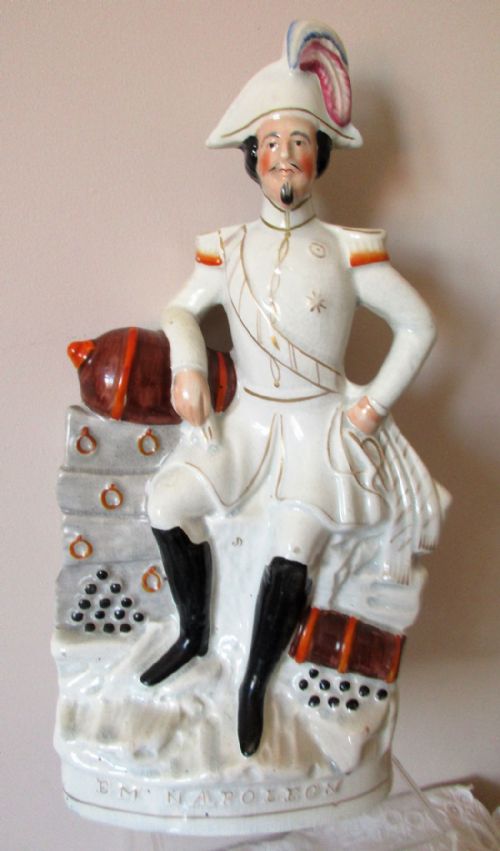
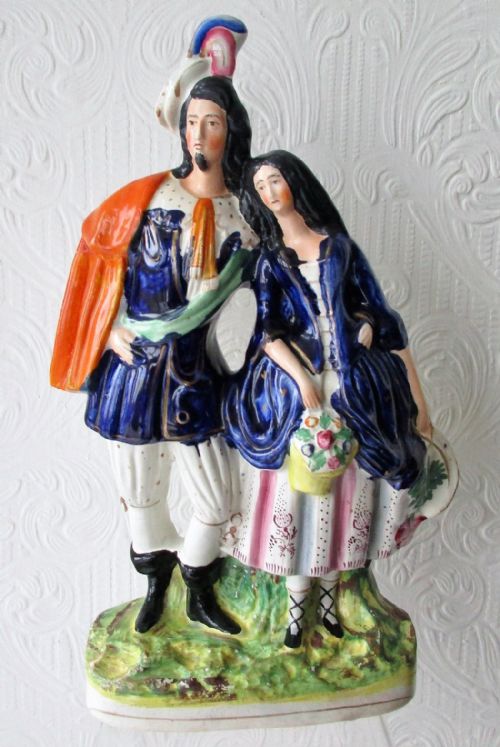
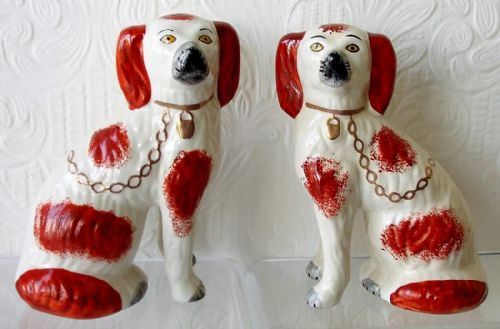
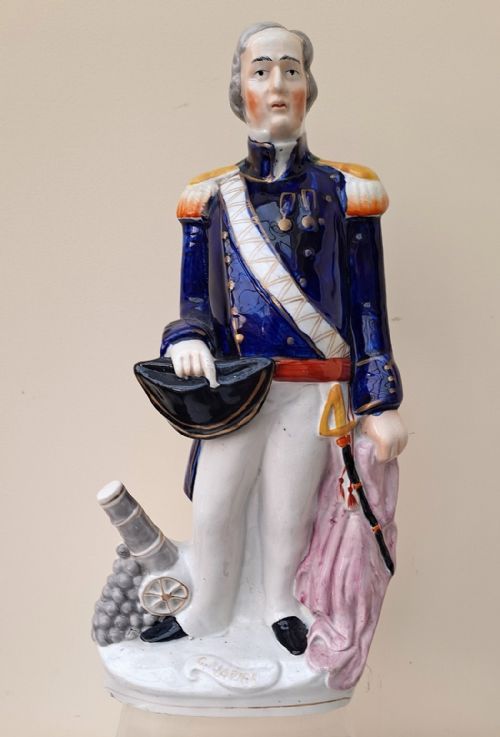
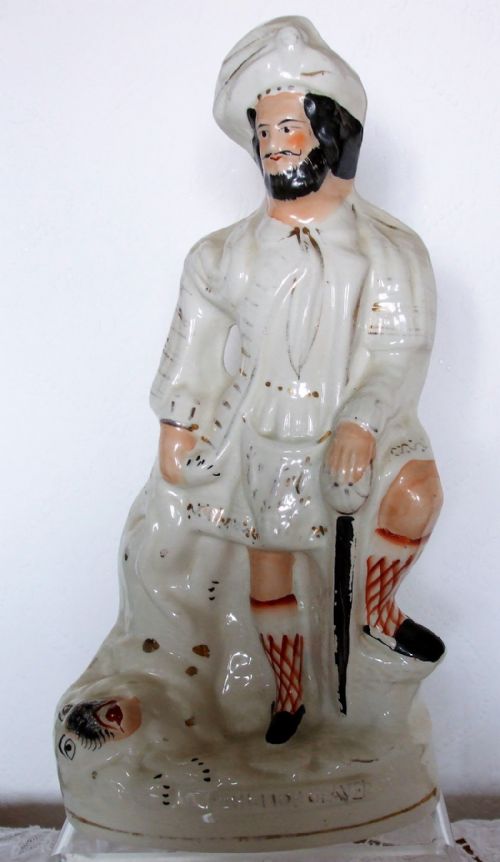
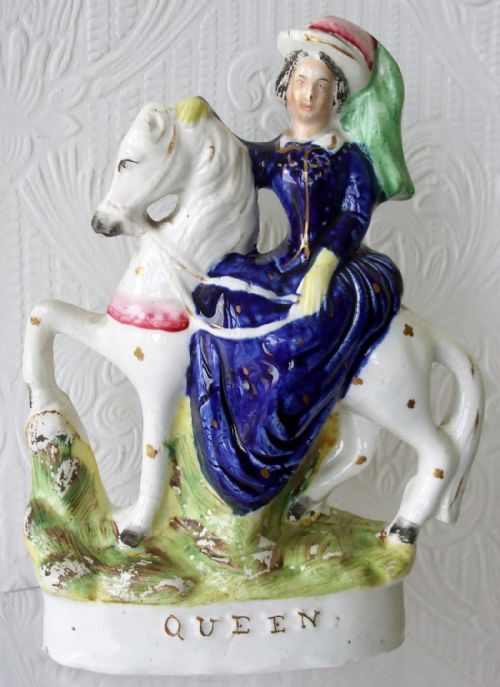
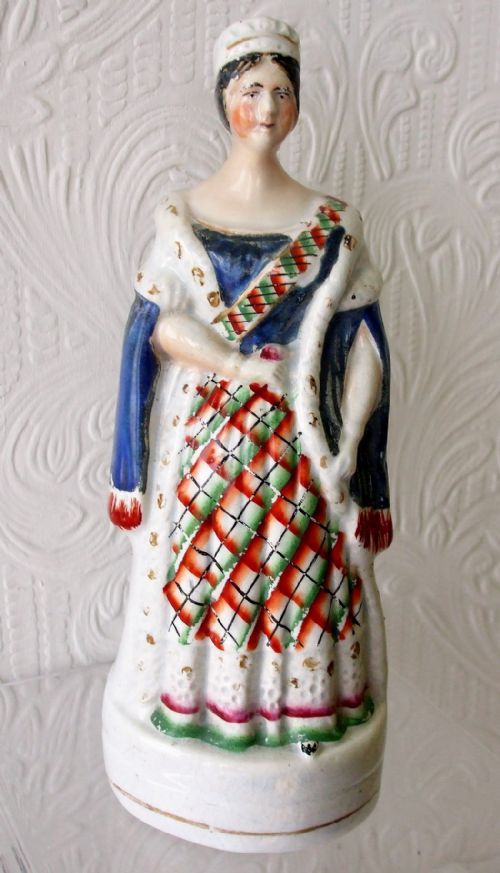
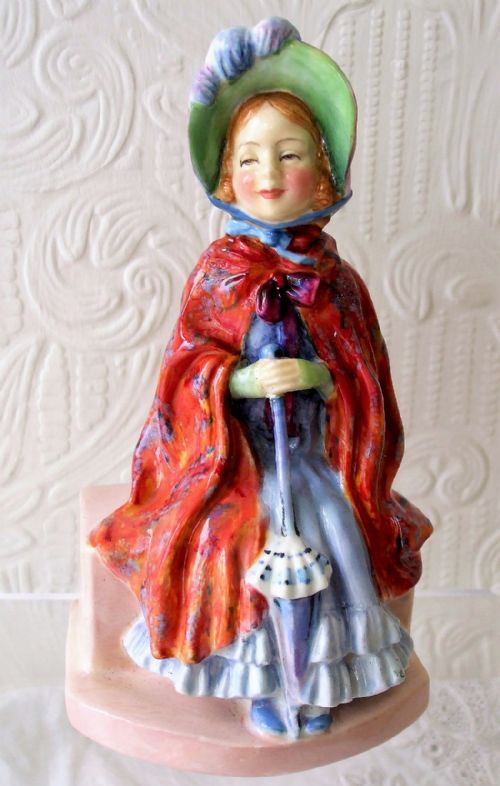
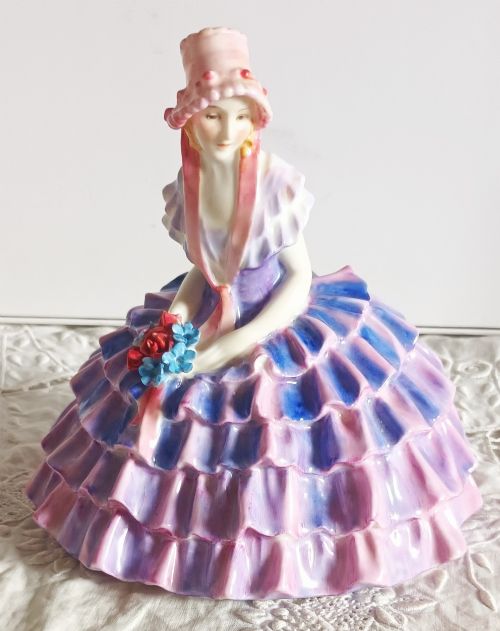
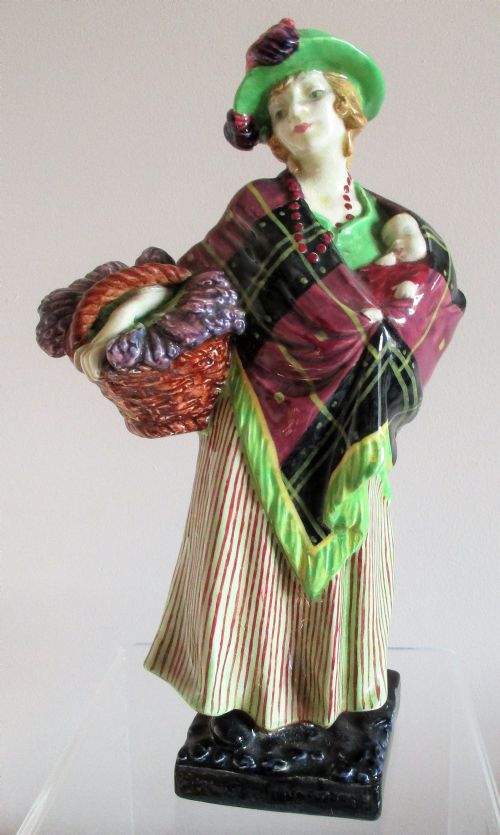
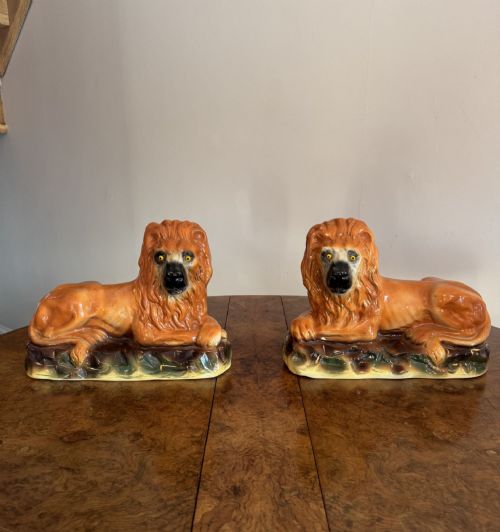
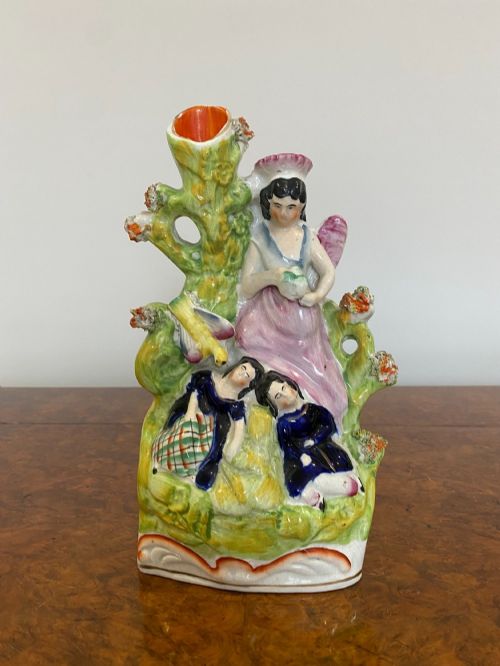
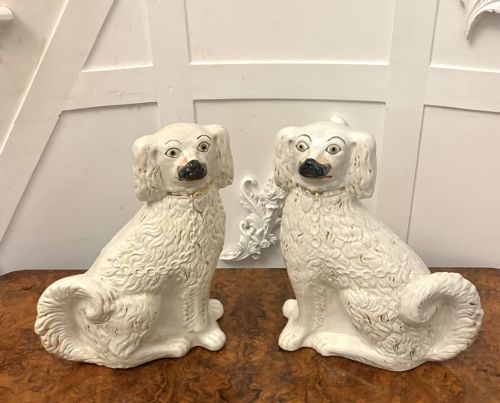
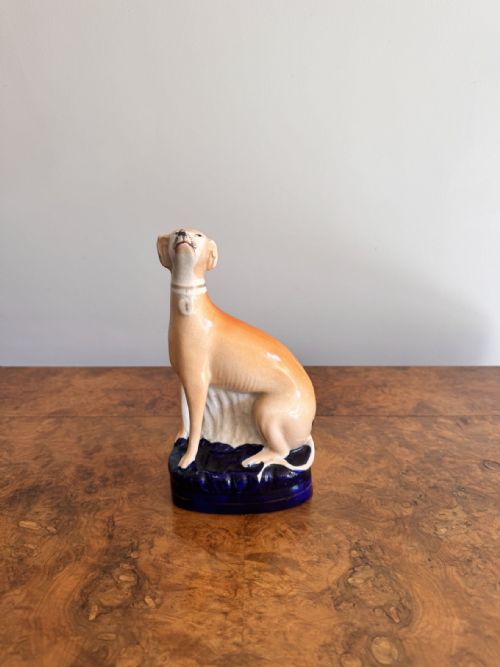
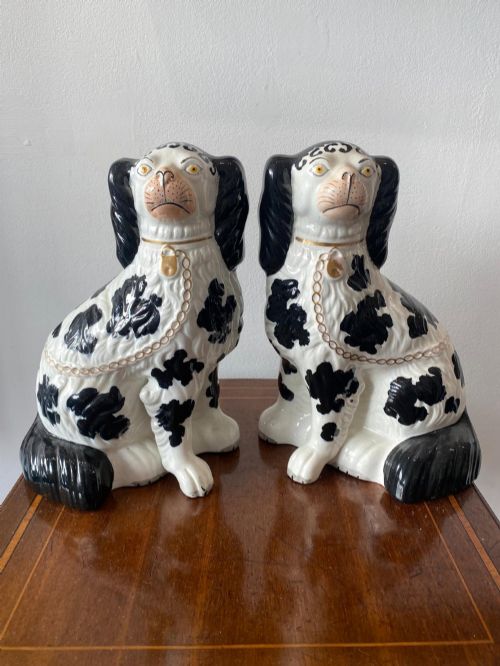
A painted pottery figurine represents human, animal, and historical subjects shaped from clay and finished with decorative colour. When exploring this selection, buyers encounter everything from nineteenth-century Staffordshire dogs and portrait groups to twentieth-century studio pottery and continental earthenware.
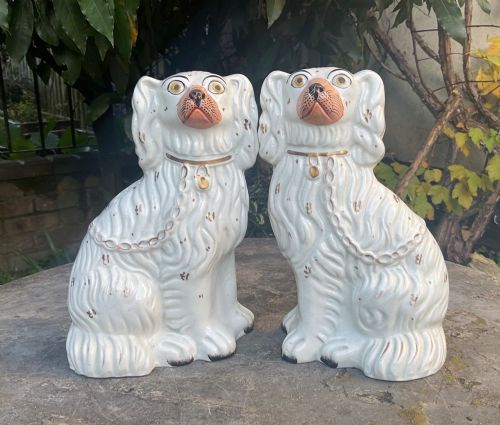
The objects span diverse cultural traditions and stylistic revivals, including Victorian figures, Ming style models, and Art Deco works. Staffordshire spaniels, flatbacks, and Toby jugs appear frequently alongside studio creations and Chinese ceramic pieces.
Materials and construction
Makers shaped these pieces using earthenware, terracotta, porcelain, and ceramic bodies. Potters frequently applied glazes, enamels, lead glaze, and occasional gold leaf to the surfaces before firing.
Painted Pottery Figurine Retail Price Guide 2026
Typical asking prices for painted pottery figurine among the pieces listed under this phrase on Sellingantiques today, from the lower quarter to the upper quarter. They describe what is for sale here now, not the wider market.
Glazes and surface treatments include lead glaze, hand-applied enamel, and gold leaf highlights.
Factors distinguishing quality
Quality rests upon the crispness of the modelling and the precision of the hand-painted decoration. Finer pieces display carefully rendered facial expressions, cleanly applied enamels, and well-balanced proportions across the form.
The depth and vibrancy of the glaze or enamel work separate standard production pieces from superior examples. Artisans who achieved subtle shading and disciplined brushwork produced figures with lasting visual presence.
Goldscheider·Charles Vyse·John Bevington·Royal Doulton·Clarice Cliff·Wedgwood and Co. Ltd
The Painted Pottery Figurine Glossary
- Flatback
- A Staffordshire figure designed with an unpainted, flat reverse so it could sit flush against a wall on a mantelpiece. These pieces often depicted popular figures, literary characters, or domestic animals.
- Toby jug
- A pottery jug shaped as a jovial, full-bodied figure typically wearing a tricorn hat. They were widely produced in nineteenth-century Staffordshire potteries.
- Pearlware
- A fine earthenware developed in the late eighteenth century featuring a thin glaze with a faint bluish tint that pooled in crevices. It provided a paler surface than standard creamware to imitate Chinese porcelain.
- Sancai
- A traditional three-colour lead glaze technique originating in ancient China. It commonly combined amber, green, and creamy white tones across ceramic bodies.
- Okimono
- A small Japanese decorative carving or figurine intended for display in a household alcove. These objects often depicted historical characters, deities, or daily scenes.
Painted Pottery Figurine: Frequently Asked Questions
How do I display antique figures safely?
Place figures on stable shelves away from direct sunlight and heavy foot traffic to prevent accidental knocks. Ensure the supporting surface sits level and free from excessive vibration.
Keep pieces away from sudden temperature shifts and damp environments that might affect older ceramic bodies and painted surfaces over time.
Are Staffordshire dogs meant to be matching pairs?
Many nineteenth-century Staffordshire spaniels were produced as pairs intended to sit at opposite ends of a mantelpiece or fireplace. Each dog faced inward toward the centre of the display.
While some survived together as matched sets, others appear individually due to separation over generations of ownership.
What is the difference between earthenware and porcelain figures?
Earthenware uses porous clay fired at lower temperatures, resulting in a heavier, opaque body that requires glaze or enamel for waterproofing. Pearlware and standard Staffordshire pottery fall into this category.
Porcelain utilises finer white clay fired at much higher temperatures until vitrified, producing a dense, hard material that often transmits light through thin sections.
How can I tell a flatback figure's period?
Examine the base, modelling style, and painting technique to gauge the likely era of production. Nineteenth-century flatbacks often feature simpler hand-brushwork and specific glaze pooling beneath the base.
Subject matter also offers clues, as portrait groups and historical events commemorated on the front align with specific mid-Victorian dates.