





Royal Portrait Engraving
These royal portrait engraving examples capture monarchs and dignitaries across centuries, offering collectors a direct link to historical pageantry.
Royal Portrait Engraving
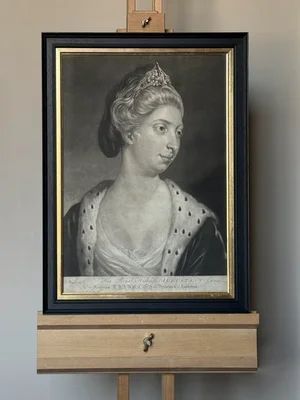
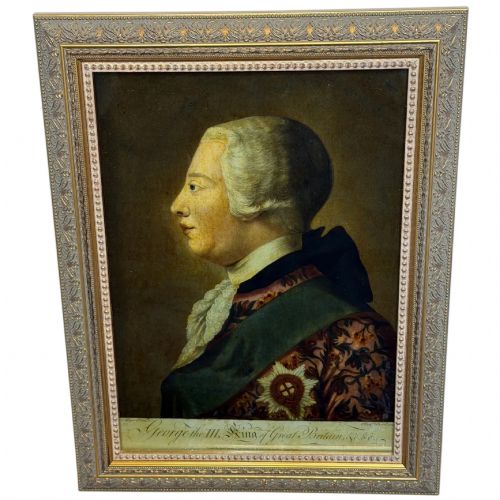
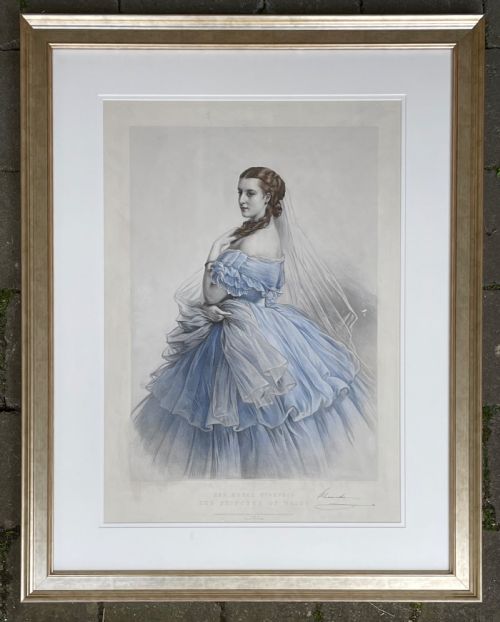
A royal portrait engraving represents monarchs, princes, and historical figures from periods spanning the seventeenth century through to the Victorian era. These works often take the form of framed wall art, featuring early printing techniques upon paper or silk.
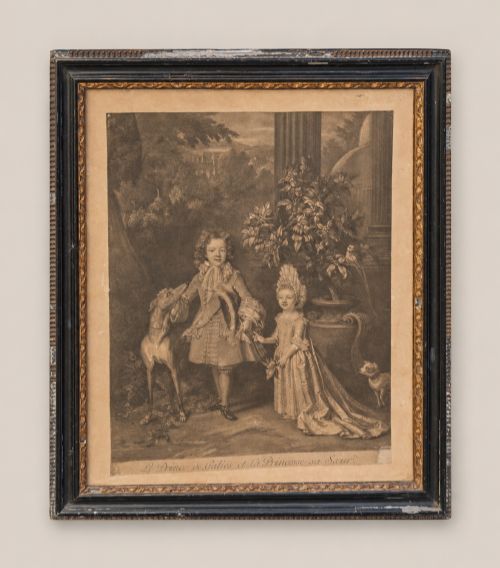
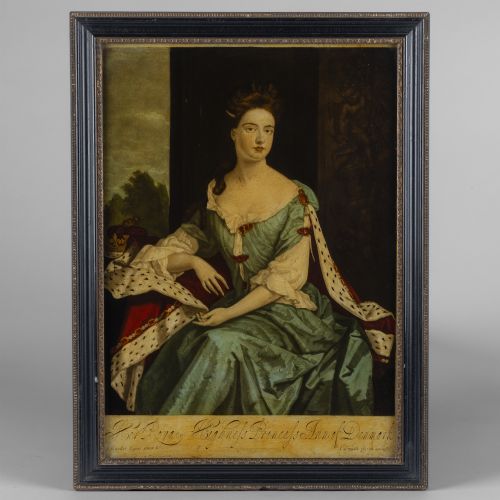
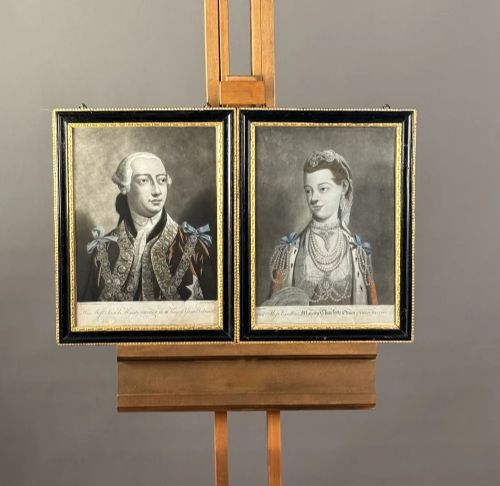
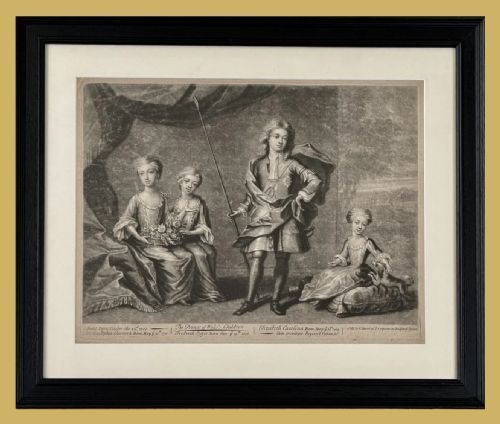
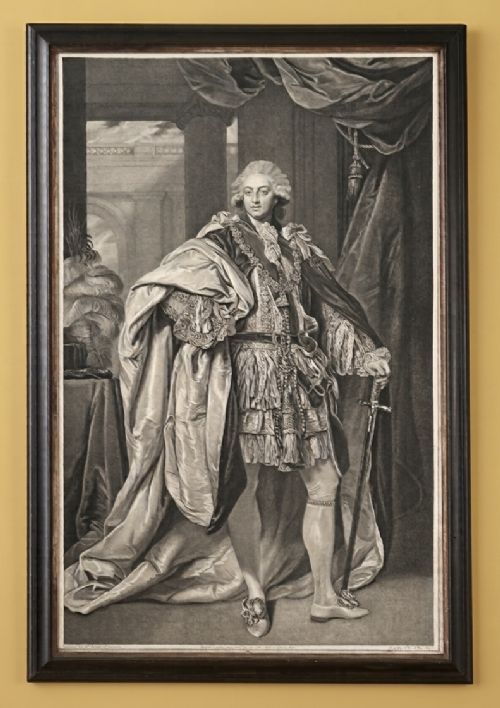
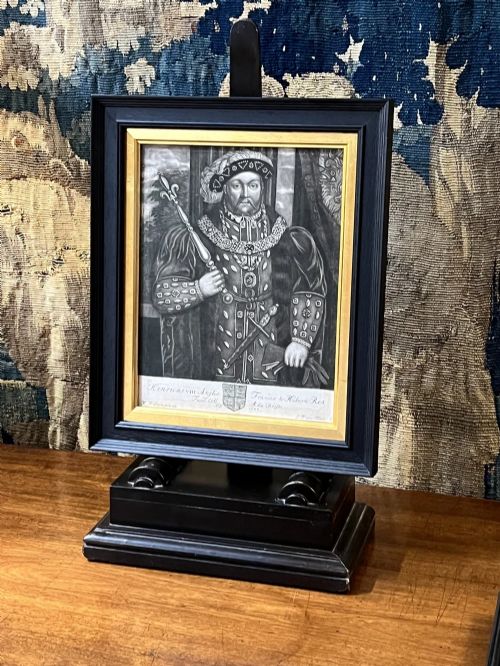
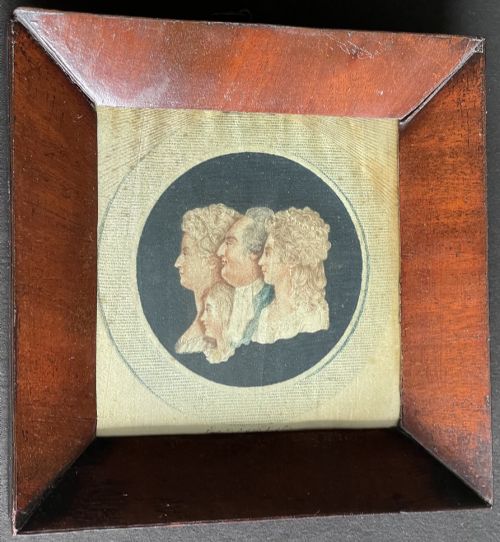
Buyers will most frequently encounter eighteenth-century examples on this page, particularly mezzotint portraits executed by notable printmakers after royal court painters. These pieces range from individual depictions of kings and queens to allegorical prints and group portraits of royal children.
How They Were Made
The primary technique recorded in these listings is mezzotint printing, an intaglio printmaking process that allows for rich tonal gradations and deep shadows. Master printmakers worked copper plates to translate painted royal likenesses onto paper sheets using dark-ink applications.
Framing materials accompanying these works include ebonised wood, gilt wood, and glass panels, occasionally incorporating gold leaf accents. Surviving examples also utilise alternative base materials such as silk to receive the printed royal imagery.
Royal Portrait Engraving Retail Price Guide 2026
Typical asking prices for royal portrait engraving among the pieces listed under this phrase on Sellingantiques today, from the lower quarter to the upper quarter. They describe what is for sale here now, not the wider market.
The listings span the seventeenth, eighteenth, and nineteenth centuries, featuring paper, glass, silk, and ebonised wood.
What Varies in Quality
The sophistication of the surrounding period frame, whether ebonised wood or gilt mouldings with gold leaf, contributes significantly to the integrity of the object. Surviving examples printed upon silk or preserved behind original glass retain greater contextual value for advanced collections.
John Smith·Thomas Frye·Richard Purcell·James McArdell·John Faber Snr
The Royal Portrait Engraving Glossary
- Mezzotint
- A printmaking process where the copper plate is roughened uniformly to hold ink, then scraped and smoothed to create tonal variations and light effects. This method was widely used for portraits due to its ability to render subtle facial modelling.
- Intaglio
- A category of printmaking where the image is incised or sunk into a metal plate surface, which is then inked and wiped before printing. Engravings and mezzotints both fall under this broad technical heading.
- Ebonised wood
- Timber treated with a chemical stain or finish to imitate the dense, dark appearance of genuine ebony. It is frequently found on seventeenth- and eighteenth-century picture frames.
- Allegorical print
- An artwork depicting a symbolic narrative or political theme through human figures and classical motifs. These prints comment on historical events or royal reigns of the period.
- Reverse painted
- A technique where an image is painted directly onto the underside of a glass sheet so that the finished picture is viewed through the transparent front. This method protects the pigment from atmospheric degradation.
Royal Portrait Engraving: Frequently Asked Questions
How should I clean the glass on these frames?
Apply a mild glass cleaner to a soft cloth rather than spraying directly onto the surface, ensuring liquid does not seep beneath the rebate to damage the paper.
Keep moisture away from historical wooden frames and vulnerable margins of early paper sheets during any maintenance.
Can I hang these prints in direct sunlight?
Ultraviolet light degrades printing ink and discolours historical paper or silk supports over time, making shaded wall placements essential.
Positioning works away from direct windows preserves the tonal contrast characteristic of early mezzotint portraiture.
What framing styles belong to the eighteenth century?
Period mountings frequently incorporate ebonised wood or gilt mouldings that match the darker aesthetic preferred during Georgian interiors.
Original frames provide context, though many historic prints have undergone reframing across subsequent generations.
How do I identify a mezzotint from a lithograph?
A mezzotint displays rich velvety darks and smooth tonal transitions achieved through copper plate scraping, visible under magnification.
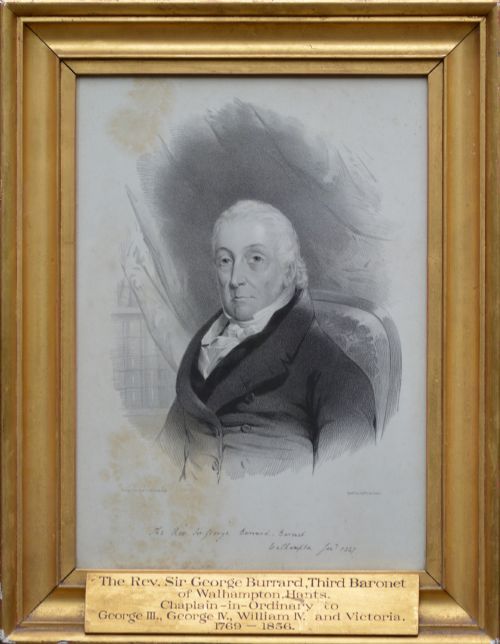
Lithographs, common in later nineteenth-century pieces, rely on chemical planar printing methods that produce different surface textures.