

Royal Portrait Artwork
Royal portrait artwork captures monarchs and figures of state across centuries of oil painting, printmaking, and pastel sketch.
Royal Portrait Artwork
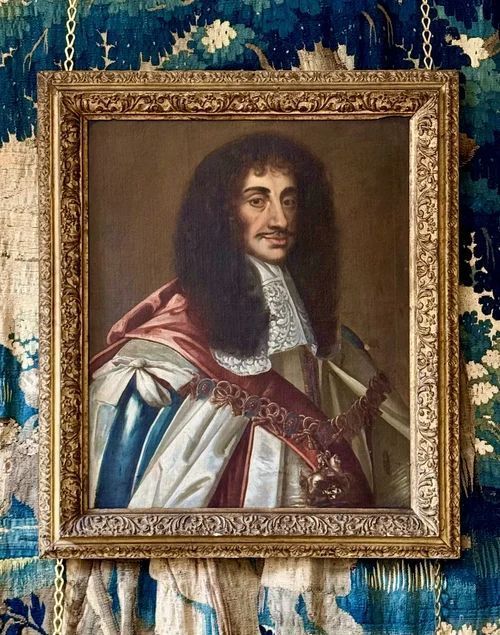
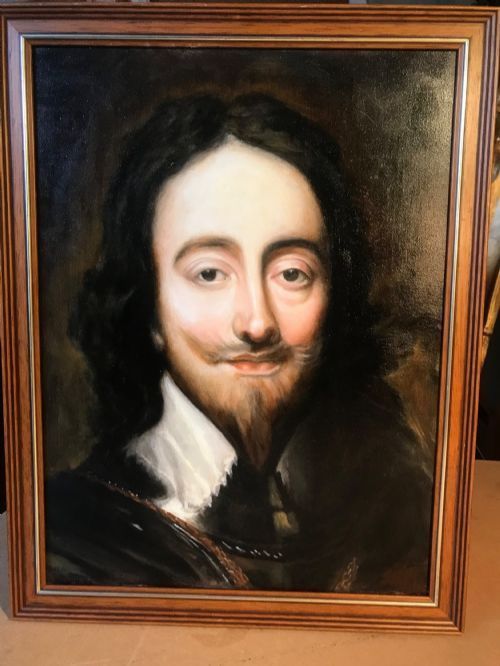
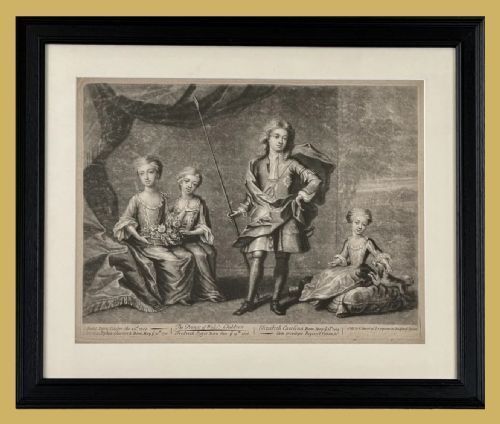
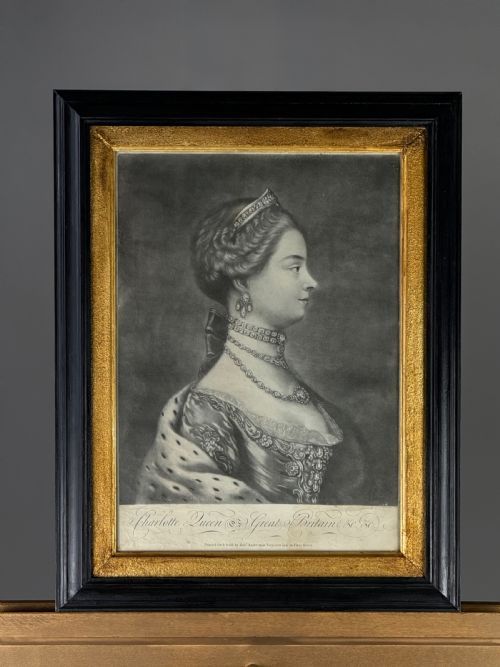
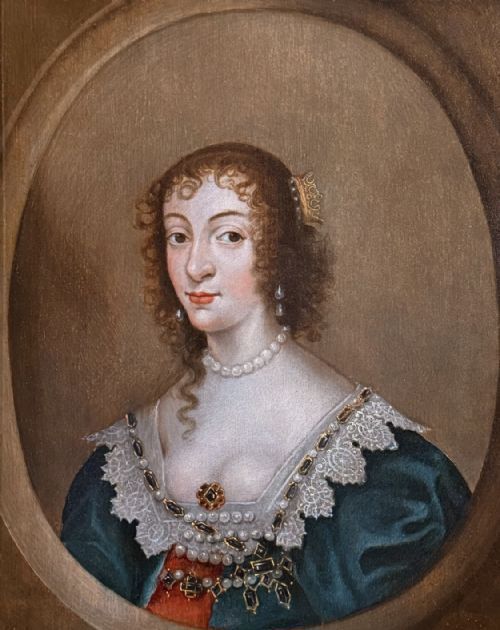
Royal portrait artwork encompasses historical depictions of kings, queens, and members of court, spanning from the seventeenth century through to the mid twentieth century. These pieces appear as oil paintings on canvas or panel, delicate watercolours, pastels, and framed prints including mezzotints and reverse glass engravings. Buyers encounter subjects ranging from seventeenth century monarchs such as King Charles I and Queen Henrietta Maria to later figures like King George V and Edward VIII.
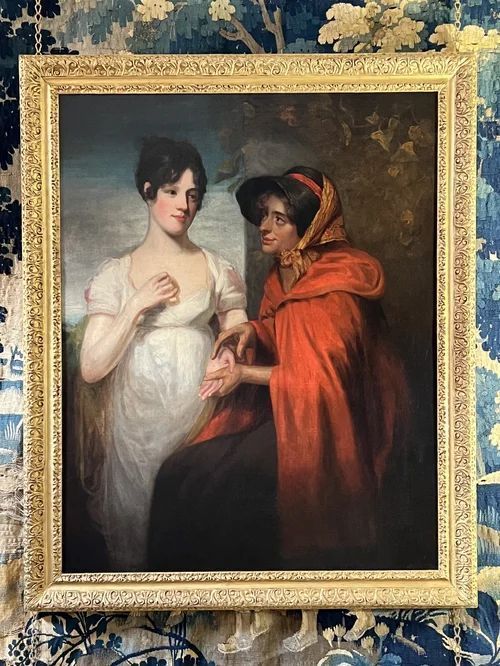
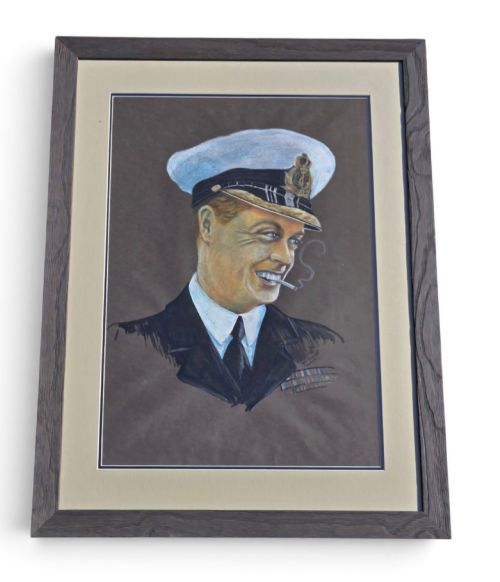
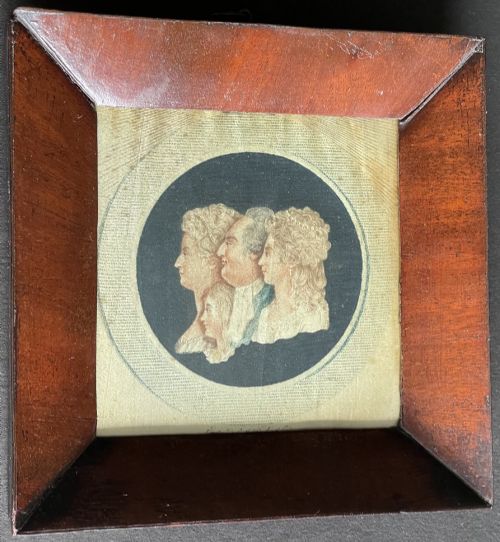
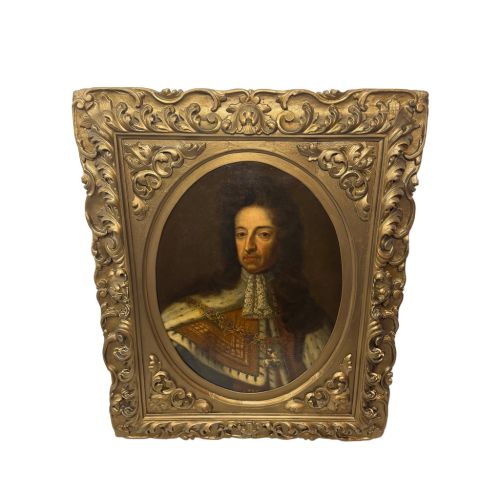
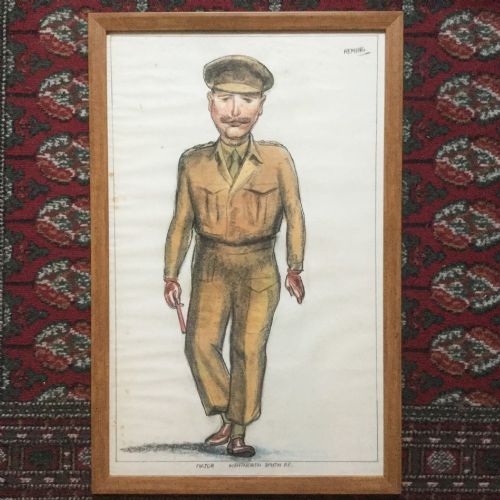
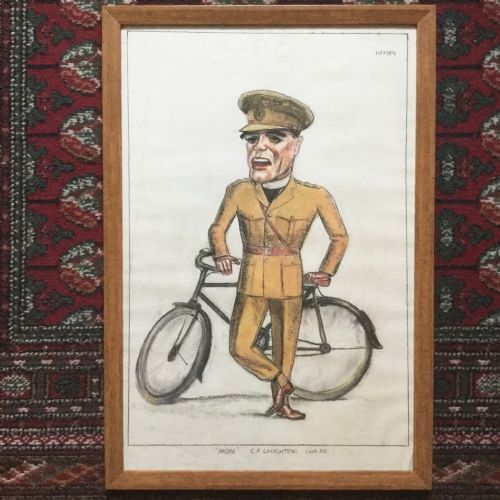
The selection ranges from grand oil paintings in heavy giltwood frames to intimate portrait miniatures and wartime pastel sketches of military personnel. Works often follow classical compositions derived from court painters like Sir Peter Lely or Anthony Van Dyck, executed either in the period or as later interpretations. This variety allows collectors to find both imposing statement pieces and subtle works on paper representing monarchy and military service.
Materials and methods
Traditional royal portrait artwork relies primarily on oil paint applied to stretched canvas or wooden panel, creating rich depth and enduring colour. Artists built these images through layered glazes, capturing the textures of velvet robes, lace collars, and gilded insignia with meticulous brushwork.
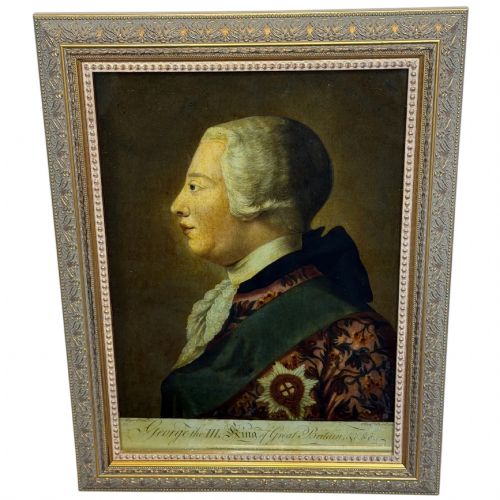
Works on paper utilise watercolour, pastel, and gouache, often mounted behind protective glass within timber or gilt frames. Printmakers employed mezzotint and lithography techniques to reproduce royal likenesses for broader circulation, transferring inked designs onto paper or treated glass surfaces.
Listings feature works spanning the seventeenth century to the twentieth century, utilising oil paint, pastel, canvas, paper, and giltwood.
Markers of quality
Quality in these portraits rests upon the skill of the draughtsmanship and the authority of the likeness. Superior examples demonstrate a confident handling of facial expression, fabric drape, and light, whereas lesser pieces display stiff proportions and flat, unmodelled surfaces.
The integrity of the medium also dictates value, with untouched original oil surfaces and period frames showing superior craftsmanship compared to later alterations or degraded supports.
John Smith·Sir Peter Lely·Anthony Van Dyck·James McArdell·Bertram Priestman·Ronald Ossory Dunlop
The Royal Portrait Artwork Glossary
- Mezzotint
- A printmaking process of the intaglio family where the plate is roughened to produce dark tones and scraped to create light areas. This technique allowed tonal gradation ideal for reproducing oil paintings.
- Giltwood
- Timber carved and coated with gold leaf or gold paint, frequently used for traditional picture frames. It provides a reflective, ornate border that enhances the formality of large oil paintings.
- Portrait miniature
- A small, highly detailed painting executed on vellum, card, or ivory, often housed in a protective case. These intimate items required extreme precision and magnifying lenses to create.
- Reverse glass painting
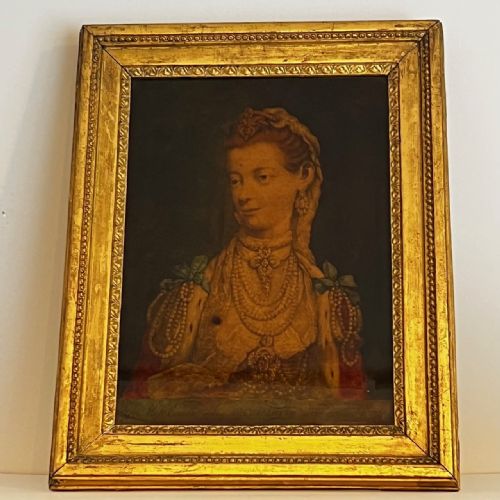
- An artwork created by applying pigment directly to the back of a glass sheet and viewing the finished image through the front. This method produced a glossy, preserved surface finish.
- Provenance
- The chronological documentation showing the custody, control, and ownership of a historical piece. Clear provenance establishes authenticity and historical connection to notable collections.
Royal Portrait Artwork: Frequently Asked Questions
How do I date a royal portrait?
Dating relies on costume details, hair styling, and the framing materials used alongside any inscribed signatures or biographical dates. Examination of the canvas weave and backing boards also offers clues to the era of production.
Historical subjects do not automatically date the artwork, as many pieces are later copies or commemorative tributes produced decades after the monarch's reign.
What is the difference between an oil painting and a mezzotint?
An oil painting is a unique, hand-painted work utilising pigment suspended in drying oil on canvas or panel. Brushstrokes and texture remain distinct upon close inspection.
Mezzotints are printed multiples created from a prepared metal plate, offering smooth tonal variations rather than physical paint texture.
Where should I hang a large gilt-framed portrait?
Large framed portraits require substantial wall space with stable ambient conditions, away from direct sunlight and excessive moisture. Their weight demands secure fixings into structural wall studs or masonry.
Placing them in reception rooms or hallways echoes their historical placement in country houses and institutional settings.
Are wartime sketches considered royal art?
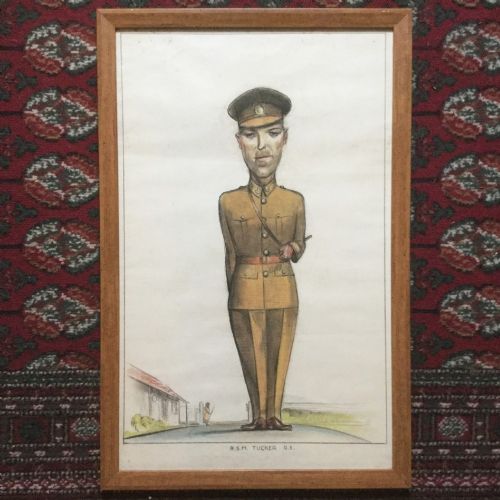
Wartime sketches depicting military personnel, such as Royal Engineers officers, form part of the broader portraiture tradition recording individuals connected to state service. While not depicting monarchs directly, they share execution techniques with royal works of the same decades.
These drawings capture immediate service life using pastel and gouache on paper.