

Georgian Giltwood Framed Art
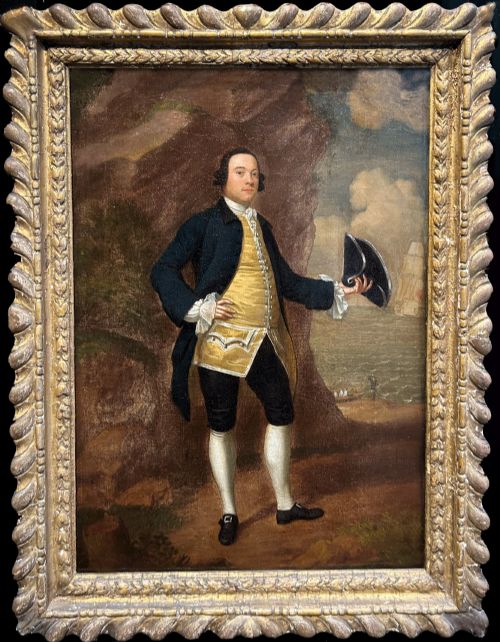
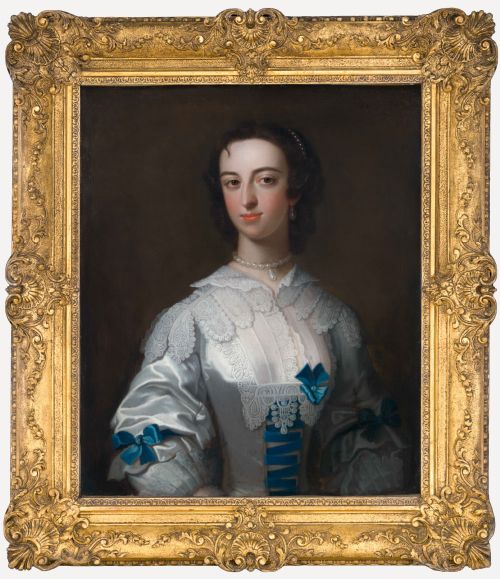
Georgian giltwood framed art brings together period paintings and prints enclosed in hand-carved, gilded wooden surrounds.
Georgian Giltwood Framed Art
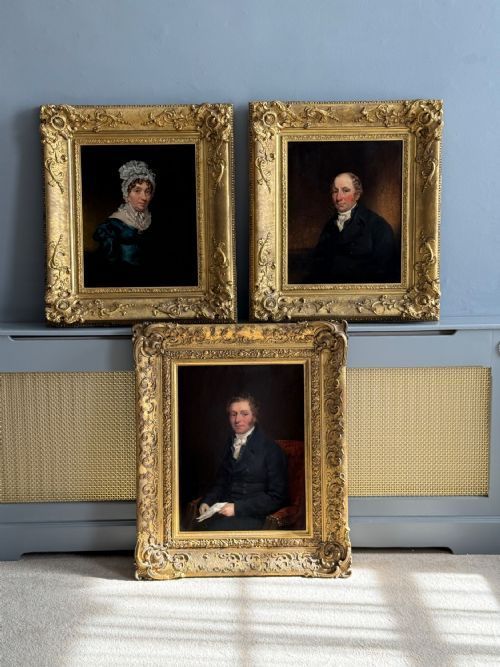
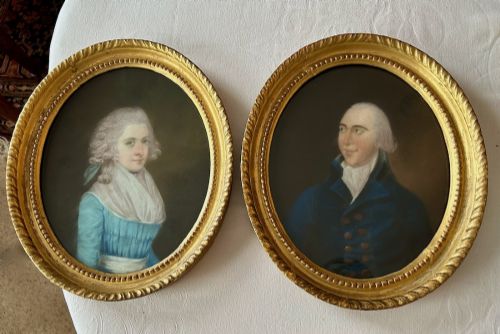
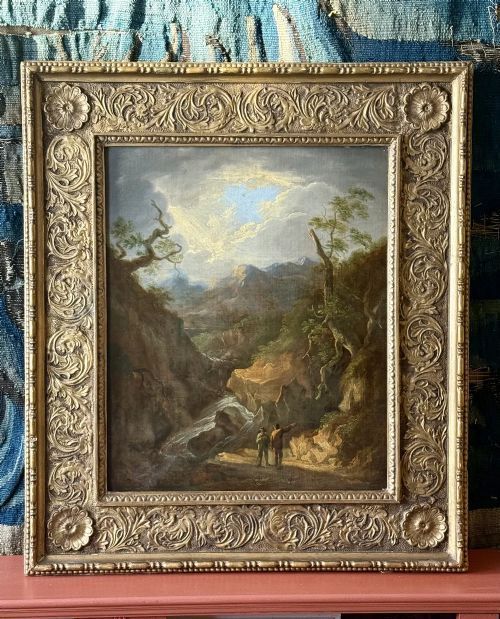
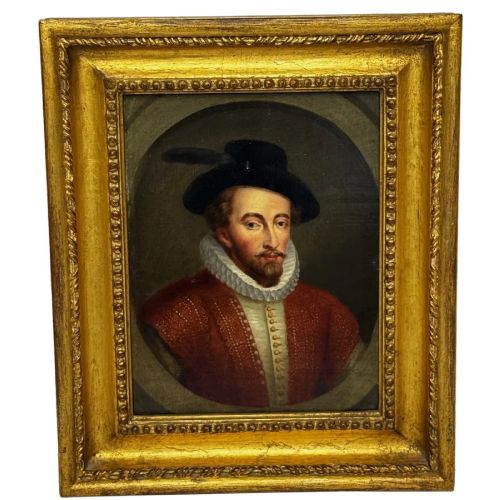
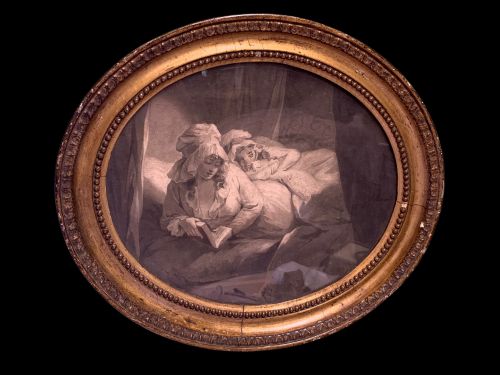
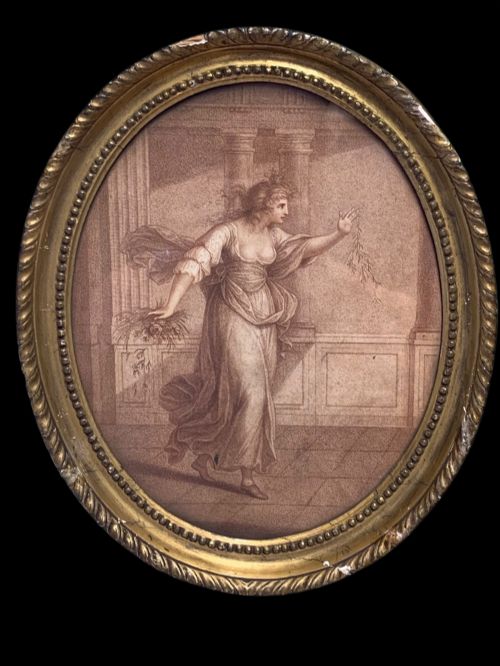
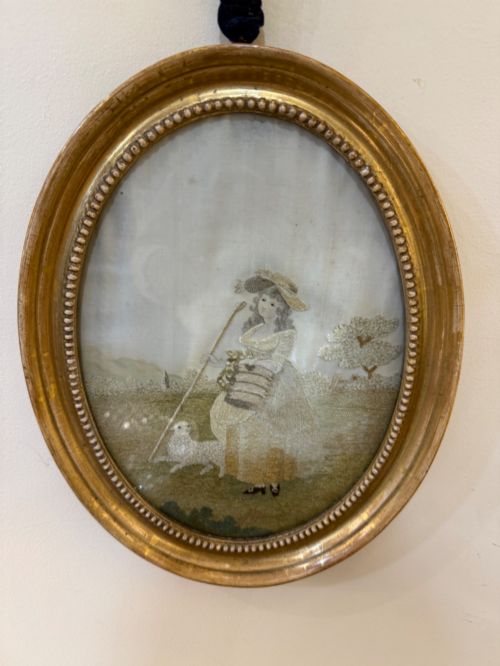
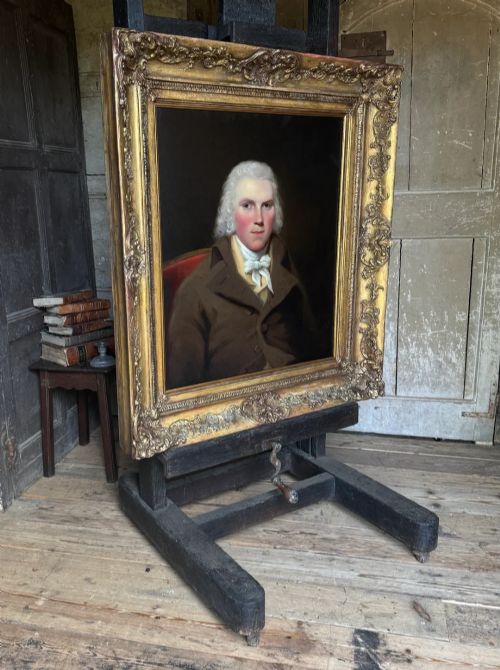
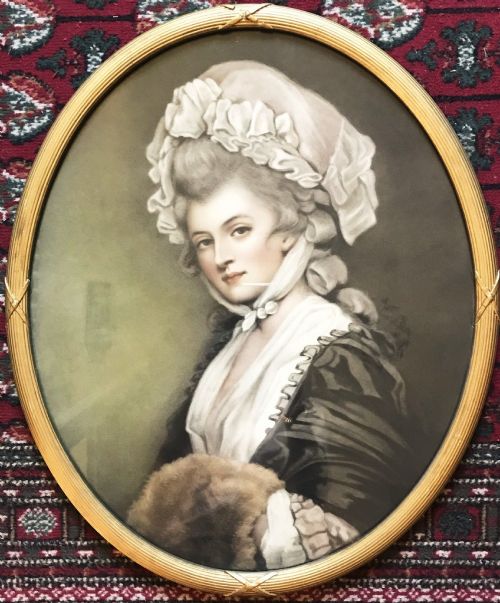
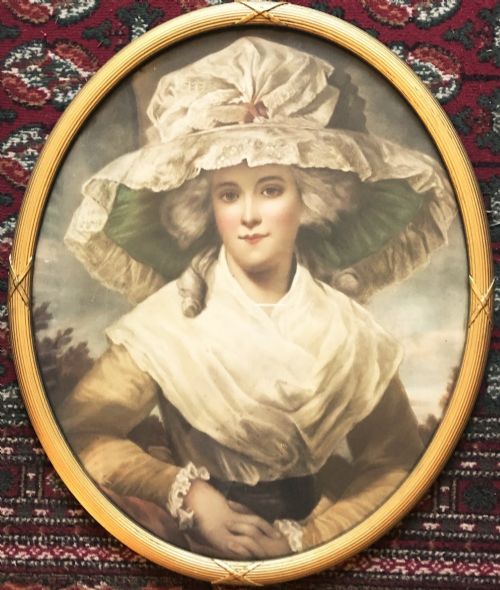
Georgian giltwood framed art encompasses oil paintings, pastels, engravings, and silk works enclosed in ornate wooden surrounds. Buyers seeking this category look for genuine period cohesion between the artwork and the gilded frame.
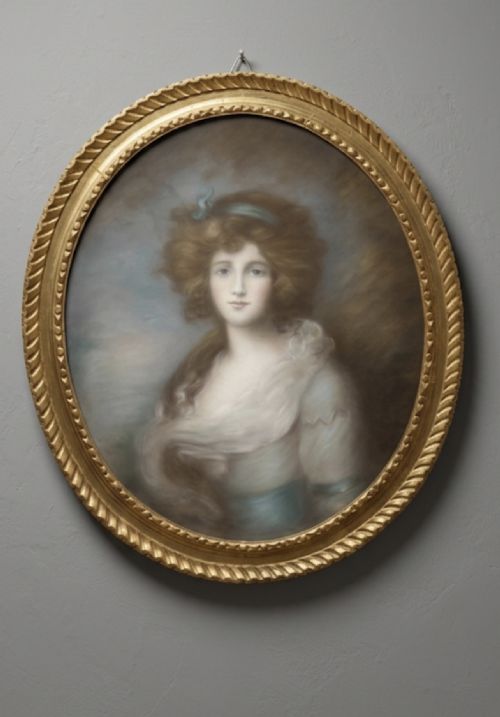
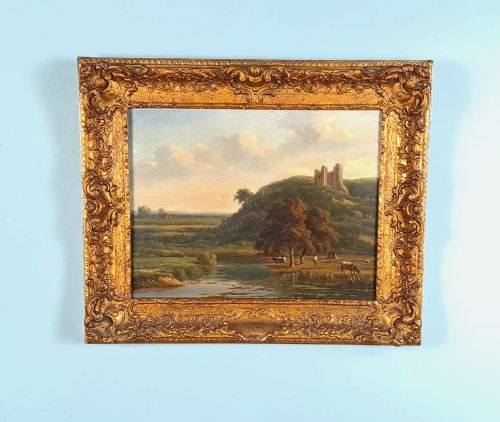
The pieces appearing on this page span the eighteenth and nineteenth centuries, including Regency and Victorian examples. Oil on canvas portraits and landscape paintings form the primary visual focus of the selection.
Survivals range from grand aristocratic portraits to intimate pastel sketches. Each item demonstrates the decorative integration of carved timber, gesso, and gold leaf common to the era.
Materials and construction
Makers constructed the frames from timber bases covered in layers of gesso to provide a smooth surface for gilding. Artisans then applied thin sheets of gold leaf to the prepared mouldings by hand.
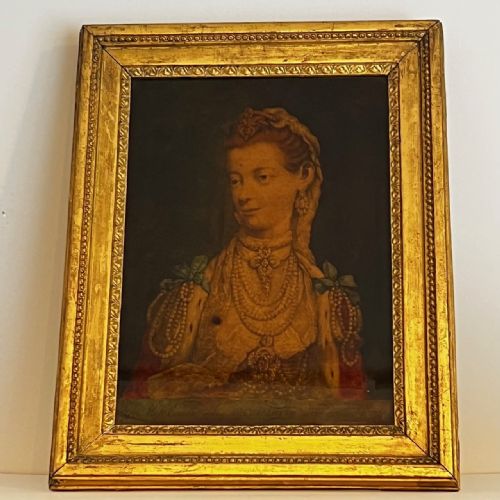
Artworks utilise oil on canvas, board, and panel, alongside pastel, gouache, and paper prints. Glazed elements often protect delicate works on paper or reverse glass prints from environmental damage.
Listings feature eighteenth-century oil paintings alongside nineteenth-century pastel portraits and reverse glass prints.
Evaluating quality and execution
Quality separates through the crispness of the hand-carved detail on the frame and the depth of the gilding layers. Superior frames retain their original gold leaf without heavy restoration or modern over-gilding.
The artistic competence of the painting or print dictates the overall value of the piece. Masterful brushwork in oil portraits or fine detail in stipple engravings elevates the significance of the entire object.
Joseph Clover RA·Jean Baptiste Van Loo·Benjamin Barker of Bath·Francis Hayman·Henry Pickering·Thomas Gainsborough·T C Hofland·George Morland·Sir Joshua Reynolds RA·Samuel Raven·John Hamilton Mortimer·Nicolas De Largilliere·William Egley
The Georgian Giltwood Framed Art Glossary
- Giltwood
- Timber carved and surfaced with gold leaf. This material defines the luxurious aesthetic of period picture frames.
- Gesso
- A plaster mixture applied to wood frames before gilding. It creates a smooth base for intricate carved details.
- Stipple engraving
- A printmaking technique using dots to render tonal gradations. It creates soft shadows in eighteenth-century portraiture.
- Reverse glass painting
- An artwork applied directly to the back of a glass pane. The image is viewed through the front, producing a glossy finish.
Georgian Giltwood Framed Art: Frequently Asked Questions
How do I clean a giltwood frame?
Dust the surface gently with a soft, dry brush to remove accumulated particles.
Avoid using water, liquid cleaners, or chemical solvents, as these substances damage delicate gold leaf.
Where should I hang these artworks?
Display the pieces away from direct sunlight and moisture to protect fragile pigments and gold leaf.
Interior walls with stable room temperatures provide the best environment for canvas and wood preservation.
What is the difference between oil and pastel?
Oil paintings utilise pigment suspended in drying oils applied to canvas or wood panels.
Pastels consist of powdered pigment sticks bound together and require protective glass glazing.