

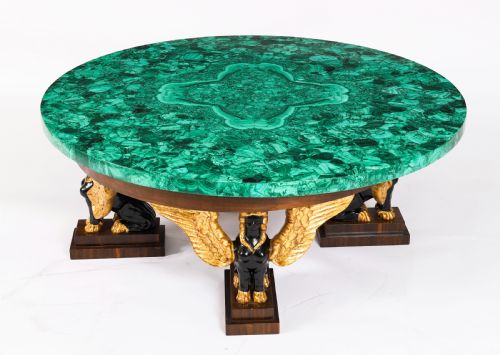
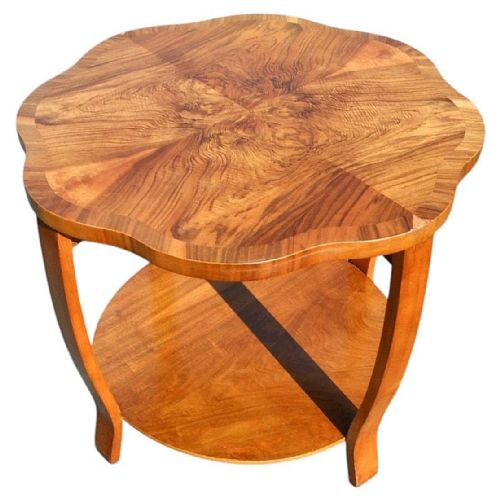
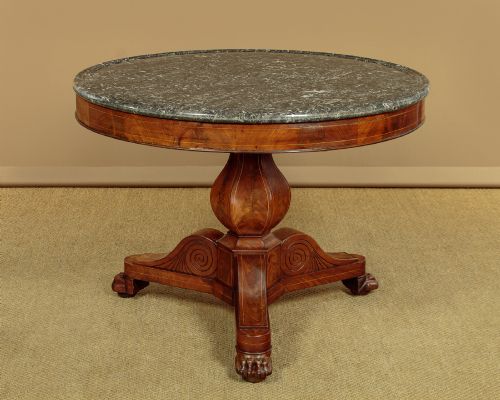
Round Walnut Table
A round walnut table brings warmth and rich grain to a room, functioning as a centre, coffee or wine table.
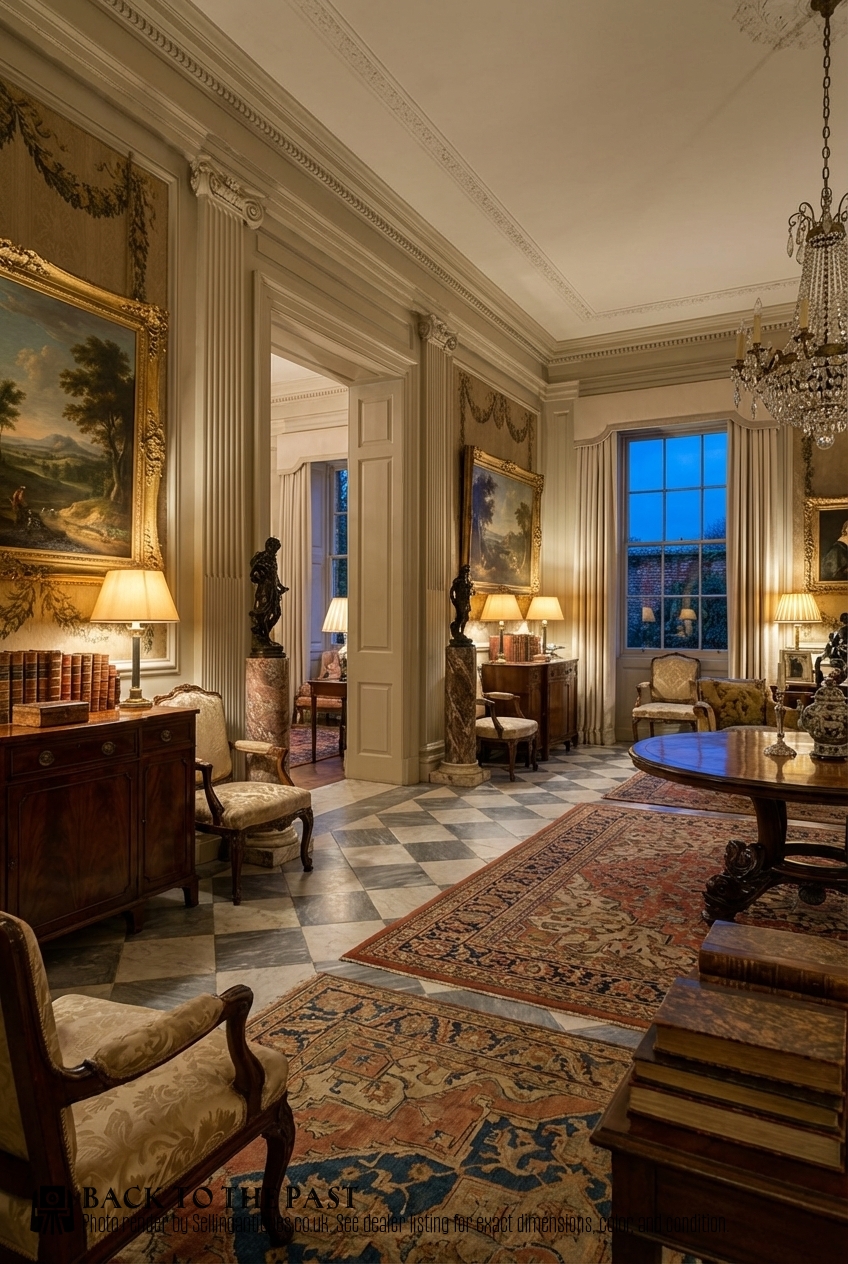
Round Walnut Table
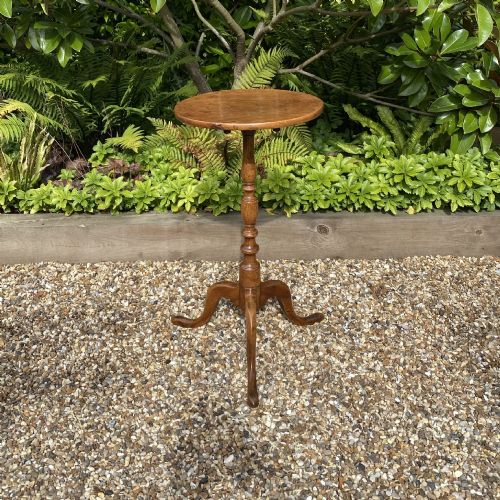
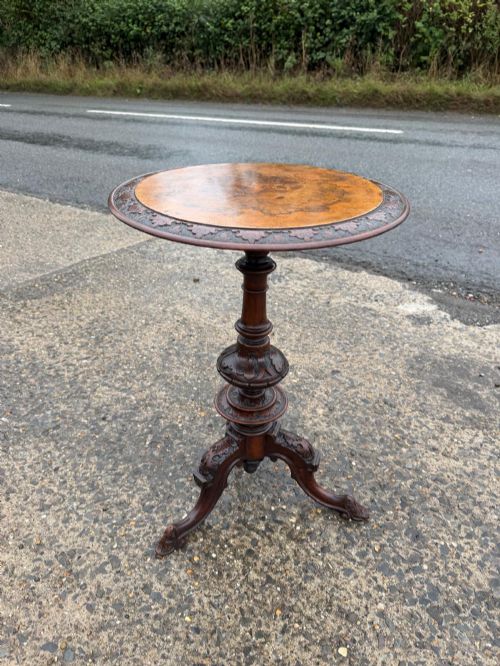
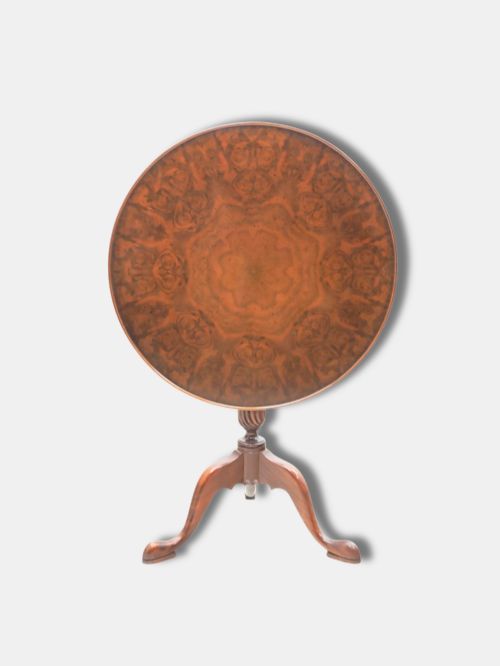
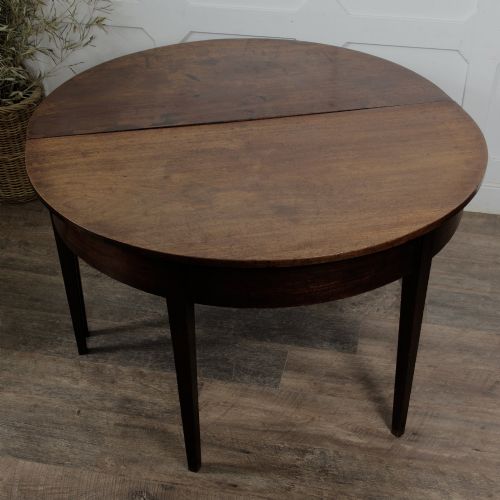
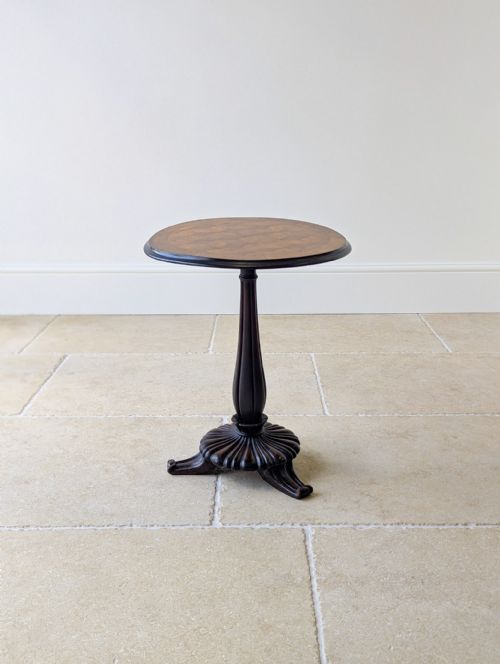
A round walnut table encompasses everything from compact Georgian wine tables to large Victorian centre tables and low Art Deco coffee tables. When exploring this selection, buyers frequently encounter Victorian examples featuring burr wood veneers and pedestal bases.
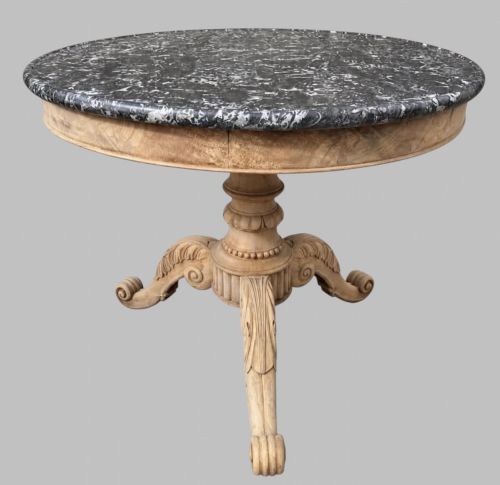
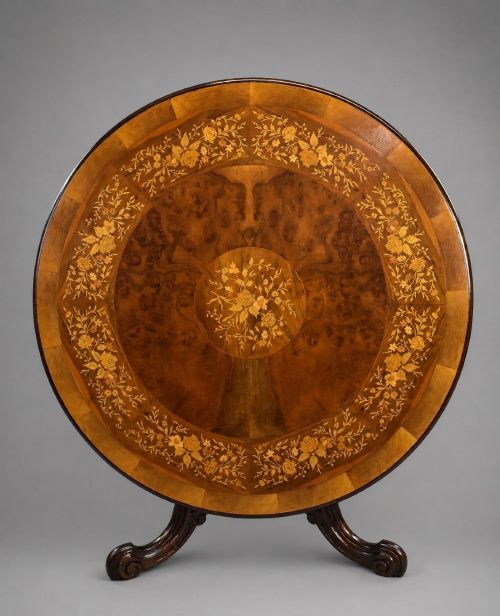
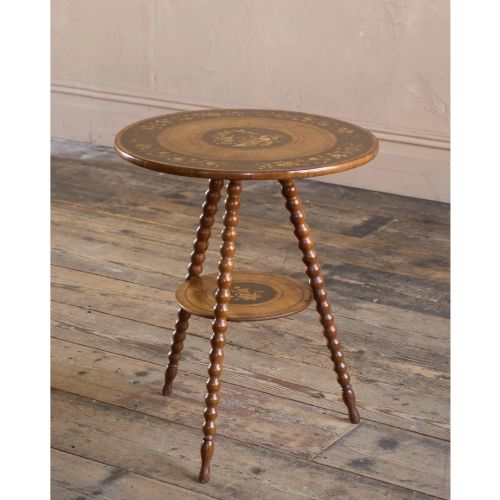
The assortment spans formal dining pieces, occasional tables with marquetry inlay, and French gueridon tables topped with marble. Origins stretch from English workshops to French provincial makers and Italian studios across several centuries.
How they were made
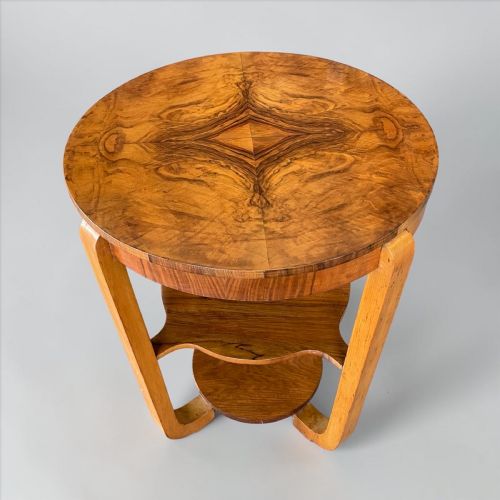
Cabinet makers utilised solid walnut for structural integrity on early pieces while reserving highly figured burr walnut and burr wood veneers for prominent table tops. Marquetry inlay, brass accents and occasional marble inserts further enhanced the decorative surface.
Pedestal supports, tripod bases, barley twist columns and bobbin legs provided structural foundations for circular tops. Traditional joinery methods and hand-finished polishes ensured stability across both dining and occasional variants.
Round Walnut Table Retail Price Guide 2026
Typical asking prices for round walnut table among the pieces listed under this phrase on Sellingantiques today, from the lower quarter to the upper quarter. They describe what is for sale here now, not the wider market.
Listings feature periods ranging from the 1800s through Victorian and Edwardian eras up to Art Deco designs of the 1930s.
What varies in quality
Quality rests upon the selection of the timber, where richly figured burr walnut and intricate marquetry distinguish finer examples from plain solid surfaces. The harmony of the proportions between the circular top and its supporting pedestal or legs dictates visual success.
Subtle details such as secret drawers, finely carved mouldings and well-executed French polishing separate standard utility pieces from exceptional studio work.
T Wilson
The Round Walnut Table Glossary
- Burr walnut
- A prized timber harvested from the wart-like growths on walnut trees, yielding swirling, highly decorative grain patterns used for veneering table tops.
- Gueridon
- A small French round table supported by a central column or legs, frequently topped with marble or fitted with marquetry.
- Tripod table
- A small occasional or wine table featuring a circular top mounted on a pillar with three spreading feet.
- Marquetry inlay
- Decorative patterns created by fitting small pieces of contrasting veneer into the primary wood surface of the table top.
- Pie crust edge
- A carved, raised, undulating rim fashioned around the perimeter of a circular table top.
Round Walnut Table: Frequently Asked Questions
How do I style a round walnut table?
A circular table softens the geometry of a room, making it ideal for placement in the centre of a space or beside seating.
Pair a small wine or occasional table with a lamp, or use a larger coffee table to anchor a seating arrangement while showcasing the grain.
What is the difference between a centre table and a wine table?
Centre tables are typically larger pieces designed to stand prominently in the middle of a room, often featuring heavy pedestals or elaborately inlaid tops.
Wine tables are much smaller tripod pieces originally intended for holding glasses or bottles near seating.
How do I identify Victorian walnut tables?
Victorian examples frequently display rich burr walnut veneers, elaborate pedestal bases, and sometimes marquetry inlay or tilt-top mechanisms.
Construction details and the presence of secondary timbers like mahogany often help confirm nineteenth-century origins.
Are Art Deco walnut tables different from earlier styles?
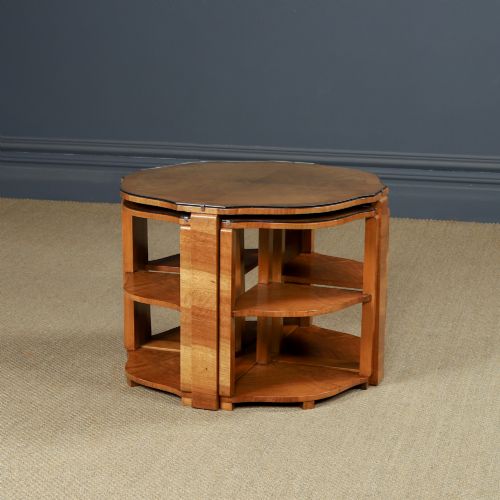
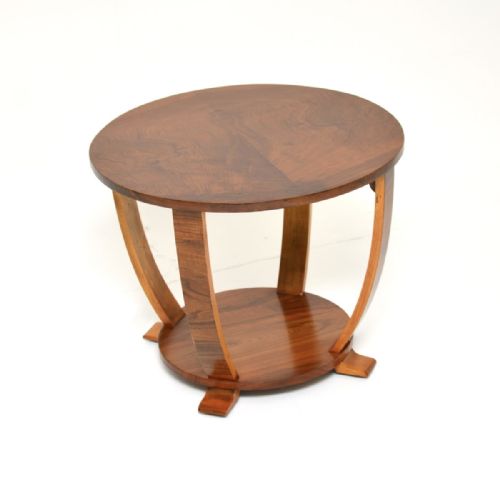
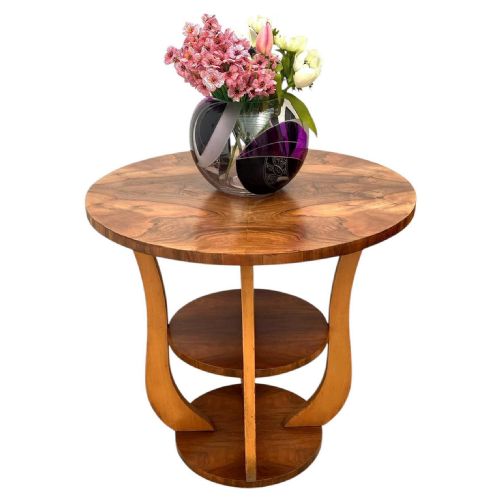
Art Deco pieces from the twentieth century favour clean, geometric lines, figured walnut veneers, and stepped pedestals rather than ornate carving.
They often appear as low coffee tables or tiered occasional tables suited to modern interiors.