


Round Oak Occasional Table
A round oak occasional table delivers sturdy utility and honest grain to a corner or fireside with centuries of vernacular craftsmanship behind it.
Round Oak Occasional Table
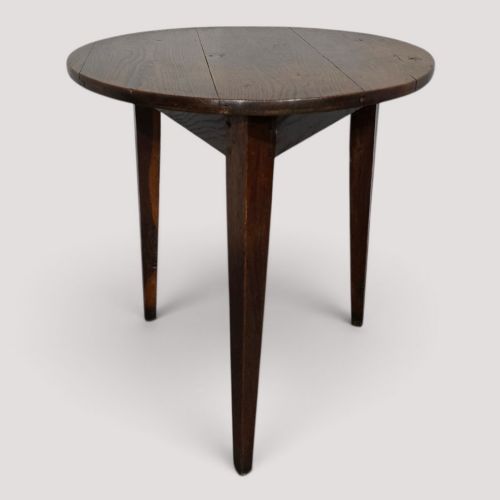
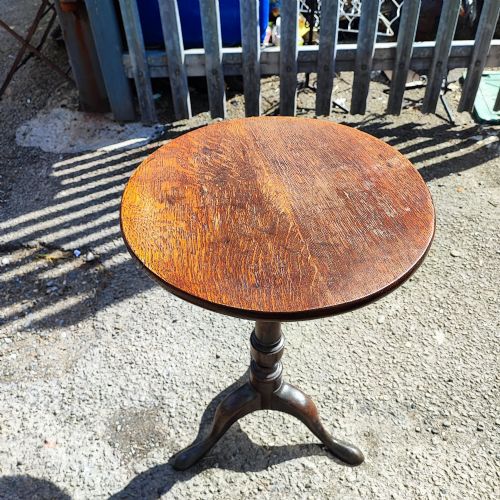
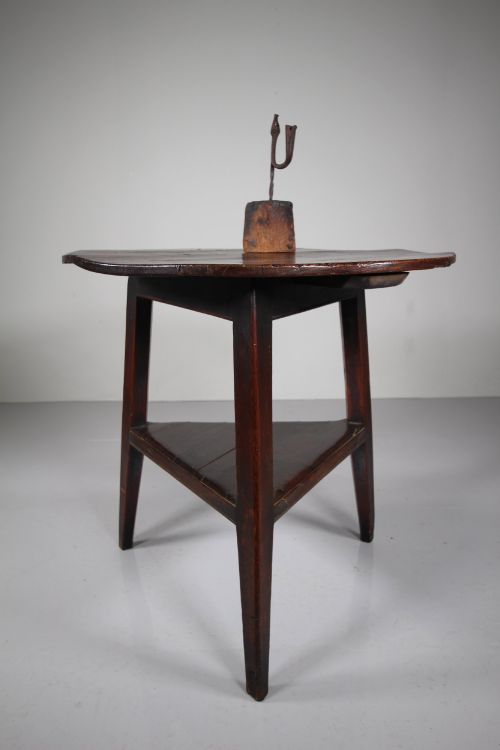
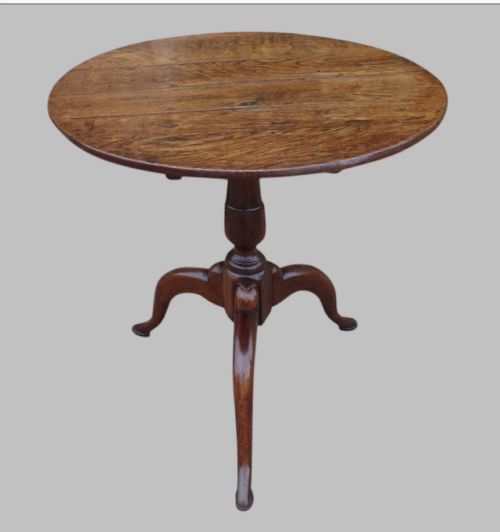
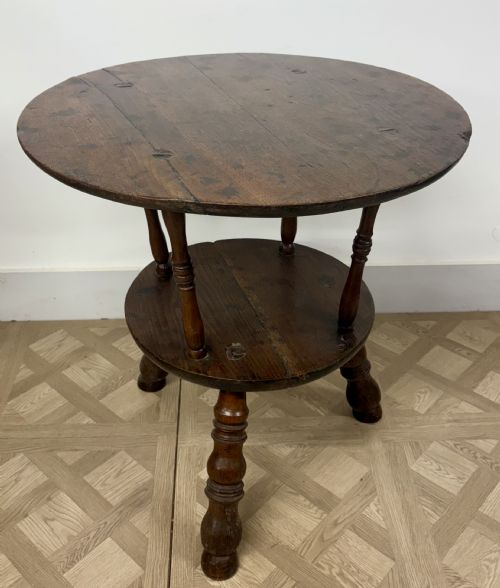
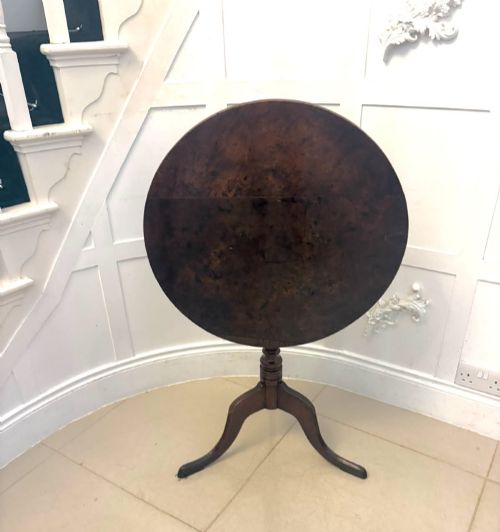
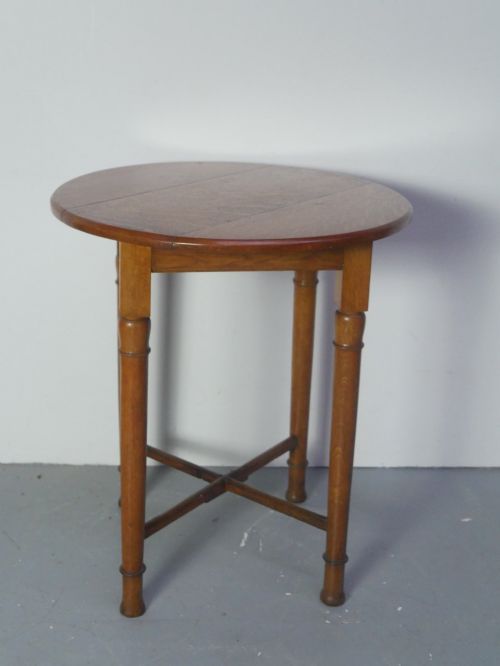
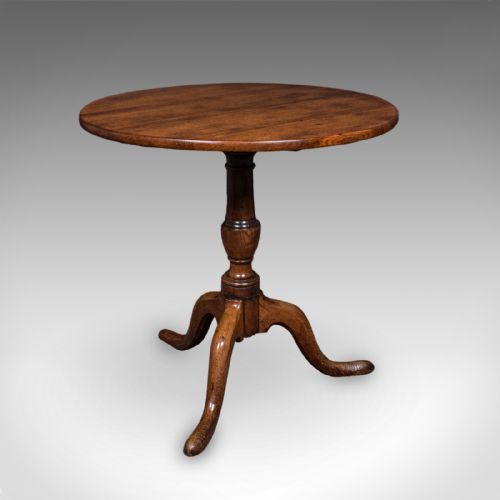
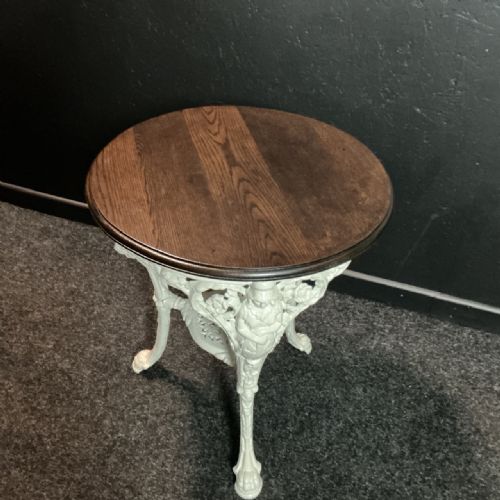
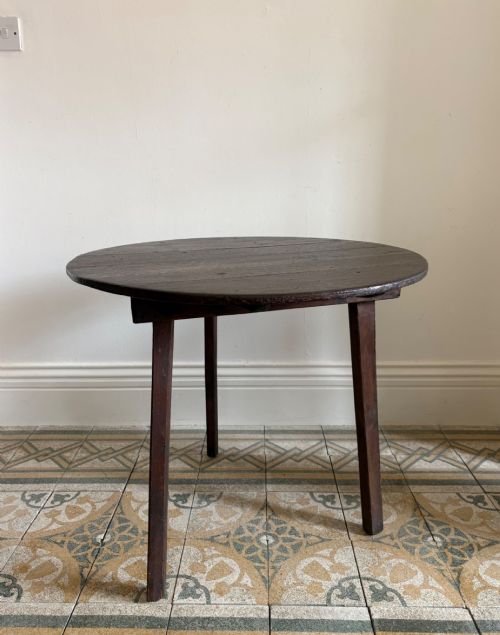
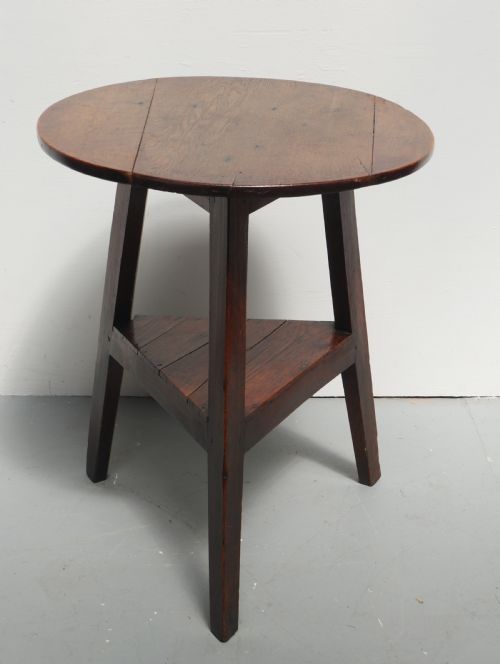
A round oak occasional table spans robust country tripod designs, tripod wine tables and three-legged cricket tables originating from Georgian, 18th century and Victorian workshops. Buyers seeking this search phrase encounter compact surfaces built for practical daily use beside a chair or in a hallway.
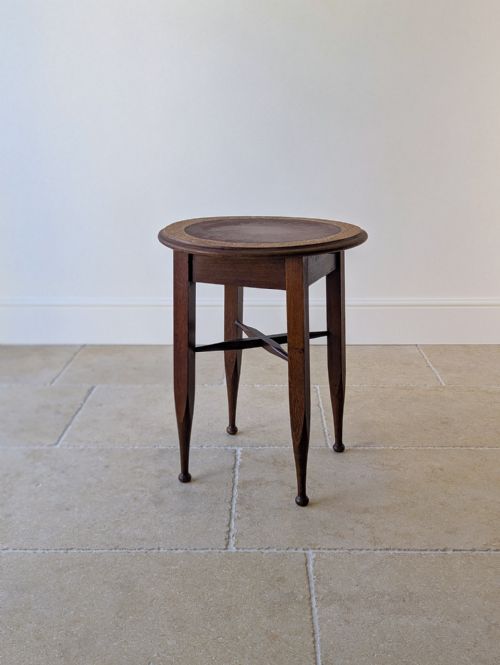
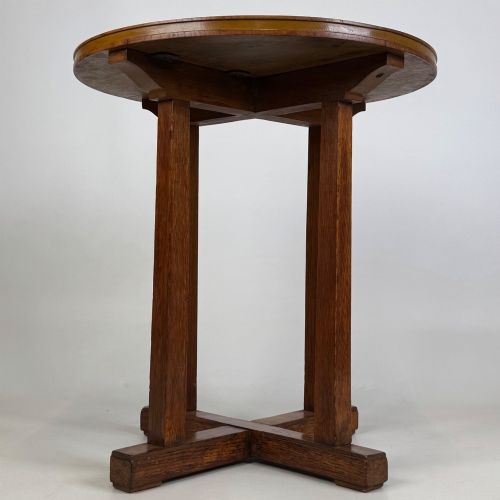
The selection ranges from simple plank-top cricket tables with elm or pine elements to tilt-top lamp tables and decorative Arts and Crafts pieces. Regional pieces, particularly Welsh vernacular examples, feature strongly among the available domestic furniture.
Makers utilised native hardwoods to produce items intended for utilitarian service rather than formal dining, resulting in enduring circular surfaces supported by three or four legs.
How they were made
Cabinet makers and vernacular joiners relied primarily on solid oak, frequently paired with elm, pine or beech for structural components and stretchers. Selected timber variations such as burr oak and pollard oak provided distinctive figuring on table tops.
Turned legs, tripod bases and occasional barley twist supports demonstrate traditional joining methods including pegged mortise and tenon joints. Tilt-top mechanisms utilised pivoting wooden blocks and brass catches to allow tables to stand flat against walls when not in use.
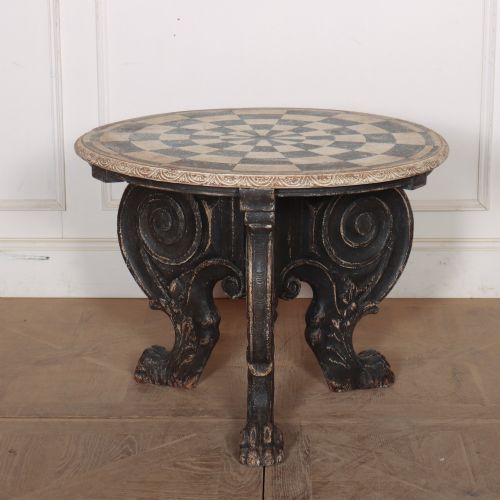
Several tables feature zodiac carvings and tarot parlour designs intended for Victorian divination games.
What varies in quality
Quality rests upon the choice of timber and the proportion of the turning, distinguishing honest vernacular utility from heavier provincial work. Tables featuring burr or pollard oak grain exhibit superior decorative merit compared to plain utility planks.
The integrity of the tripod mechanism and the tightness of the original joints dictate structural longevity. Finer examples retain original patination on the oak surfaces, unmarred by unsympathetic modern refinishing.
Liberty and Co
The Round Oak Occasional Table Glossary
- Cricket table
- A small three-legged vernacular table with a circular wooden top, traditionally used in English and Welsh cottages.
- Tilt-top table
- A table featuring a hinged top that pivots vertically to save space when the piece is not in active use.
- Tripod table
- A freestanding table supported by three legs radiating from a central pillar, popular throughout the Georgian period.
- Vernacular furniture
- Domestic pieces made by local craftspeople using regional materials, prioritising function over high-style academic design.
- Pollard oak
- Timber taken from trees that have been pollarded, producing tightly clustered grain patterns prized for decorative table tops.
Round Oak Occasional Table: Frequently Asked Questions
What is a cricket table?
A cricket table is a traditional three-legged small table with a circular top, designed to stand firm on uneven cottage floors.
Their three-legged construction prevents rocking, making them practical portable furniture for domestic spaces.
Where were these tables used?
These pieces served as versatile side surfaces for lamps, wine glasses or tea wares in domestic parlours and sitting rooms.
Their compact proportions allowed them to fit easily beside armchairs or into modest corners.
How do I care for antique oak furniture?
Protect the timber by avoiding direct sunlight and maintaining stable room humidity to prevent the oak from splitting.
Apply traditional beeswax occasionally to nourish the grain and preserve the historic surface patination.